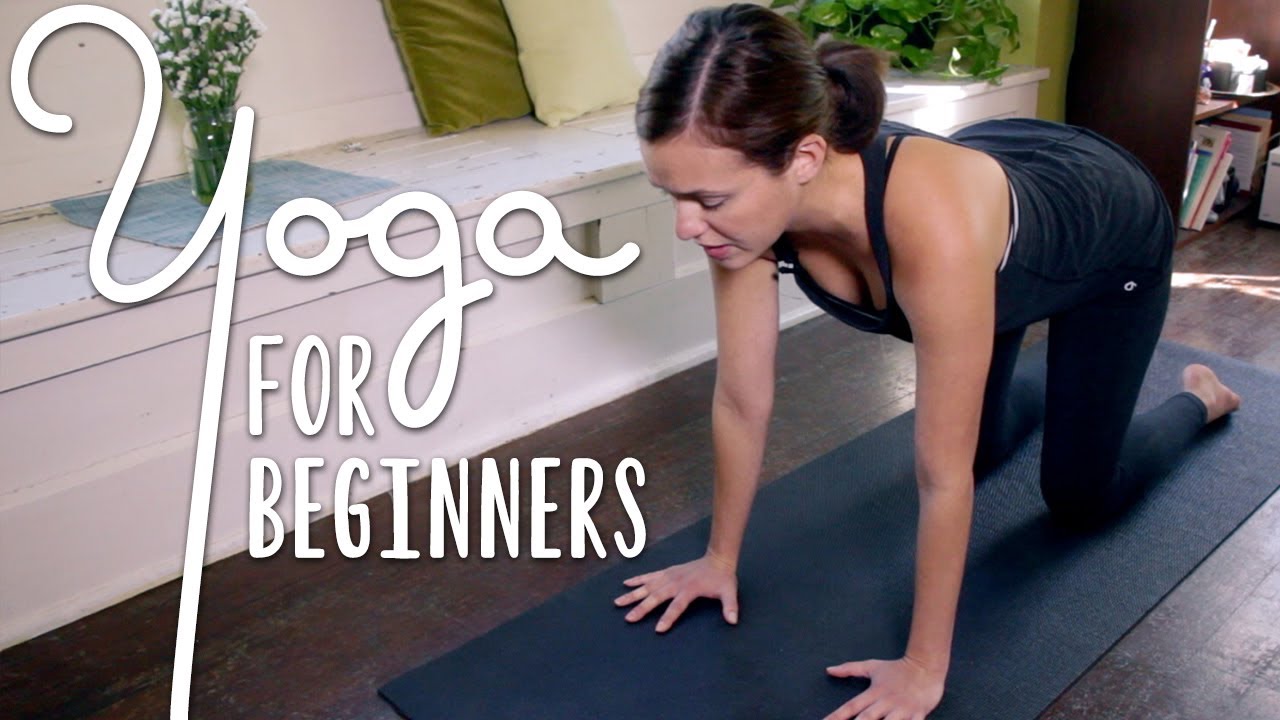
Best Yoga Poses for Beginners: Starting something new can feel overwhelming—but when it comes to yoga, it doesn’t have to be. Yoga is one of those rare practices that welcomes everyone, no matter your age, fitness level, or flexibility. Whether you’re looking to improve your physical health, ease stress, or just take a break from the chaos of daily life, yoga is a great place to start.
So, what makes yoga such a great choice for beginners? Unlike high-intensity workouts that demand peak performance from the get-go, yoga meets you where you are. You don’t need fancy equipment or a gym membership. All you need is a mat, some space, and the willingness to show up for yourself.
But not all yoga poses are beginner-friendly. Some can be quite complex or require strength and flexibility that take time to build. That’s why we’ve curated this detailed guide specifically for beginners, with poses that are safe, accessible, and incredibly effective.
Ready to unroll your mat and start your journey? Let’s begin with the foundation: understanding yoga itself.
Understanding the Basics of Yoga
Before diving into the poses, it’s important to understand what yoga really is. Yoga isn’t just about stretching or bending your body into strange shapes. At its core, yoga is a holistic practice that connects the body, mind, and breath. It originated in ancient India and has been practiced for thousands of years to promote inner peace and physical well-being.
One of the most important principles of yoga is mindfulness. Unlike workouts where the goal is to push hard and sweat, yoga encourages you to slow down and tune in. That means paying attention to how your body feels in each pose and linking your movements with your breath.
Speaking of breath, there’s a special word for it in yoga: “Pranayama.” This refers to breath control, which is essential for calming the nervous system and deepening your practice. Even as a beginner, learning to breathe correctly can completely transform how you feel during yoga. Try inhaling through your nose for a count of four, holding for a second, and then exhaling through your nose for another count of four. Simple, but powerful.
Understanding these basics sets the stage for a safer, more meaningful yoga journey. Now, let’s look at how to get started the right way.
Preparing for Your First Yoga Session
Stepping onto your yoga mat for the first time can feel like opening a door to a whole new world. But you don’t need to overcomplicate it. Preparation is key—and the good news is, you don’t need much to get started.
First, let’s talk gear. A non-slip yoga mat is essential. It keeps you grounded and provides the support your body needs. Wear comfortable, breathable clothing that allows you to move freely—think stretchy leggings and a fitted top. You don’t need shoes; yoga is practiced barefoot.
Next, consider your space. You don’t need a full studio—just a quiet corner in your home will do. Make sure there’s enough room for you to stretch your arms and legs without bumping into anything. Natural light and a calm atmosphere can really elevate your experience. Maybe light a candle or play soft instrumental music to help set the mood.
Don’t forget hydration. Keep a bottle of water nearby, especially if you’re trying out more active styles of yoga like Vinyasa or Power Yoga.
Lastly, set an intention. This might sound a little woo-woo, but hear me out. Setting an intention—like focusing on gratitude, patience, or simply being present—can give your practice more depth and personal meaning.
Once you’re all set up, the real magic begins. But before diving into full poses, warming up your body is crucial.
The Importance of Warm-Up
Ever tried diving straight into a workout without warming up? It usually doesn’t end well. Yoga is no exception. A gentle warm-up gets your blood flowing, lubricates your joints, and signals your body to prepare for movement.
Warming up also reduces the risk of injury, especially if you’re just starting out and your muscles aren’t used to deep stretches or balance challenges. Plus, it helps you mentally transition from whatever you were doing before into a calm, focused state.
Start with some gentle neck rolls to release tension. Slowly rotate your shoulders backward and forward. Move into some cat-cow stretches on all fours to wake up the spine. Add a few seated twists to loosen the lower back.
Don’t rush through these. Take your time. Breathe deeply. Think of it as your body’s way of saying, “Okay, I’m ready now.”
Now that you’re warmed up and grounded, it’s time to explore the best yoga poses that are perfect for beginners.
Best Standing Yoga Poses for Beginners
Standing poses build strength, improve balance, and help develop body awareness. These foundational poses also prepare you for more advanced asanas in the future.
Mountain Pose (Tadasana)
This may look simple, but it’s the foundation for all standing poses. Stand tall with your feet hip-width apart. Distribute your weight evenly on both feet. Engage your thighs, lengthen your spine, and lift your chest. Relax your shoulders and let your arms rest by your sides with palms facing forward. Breathe deeply.
Mountain Pose teaches you posture and alignment—skills you’ll carry into every pose.
Tree Pose (Vrikshasana)
Balance on one foot and place the sole of your other foot on your inner thigh or calf (avoid the knee). Bring your hands together in front of your chest or raise them above your head. This pose builds balance, focus, and strengthens your core and legs.
If you wobble or fall—no worries. Just try again. Like life, balance in yoga takes practice.
Warrior I (Virabhadrasana I)
Step one foot back and bend your front knee so it stacks above the ankle. Square your hips forward and raise your arms overhead. Warrior I builds strength in your legs and stretches your chest and shoulders. It’s a powerful pose that makes you feel grounded and confident.
Best Seated Yoga Poses for Beginners
Seated yoga poses are fantastic for building flexibility and promoting relaxation. They’re especially useful at the beginning or end of your practice when you want to gently open up the body without too much exertion.
Easy Pose (Sukhasana)
Don’t let the name fool you—while this is a “basic” pose, it sets the tone for meditation and breathwork. Sit cross-legged on your mat. Keep your spine tall, shoulders relaxed, and hands resting on your knees. Close your eyes and begin to focus on your breath.
This pose encourages calmness and helps improve posture. If sitting cross-legged is uncomfortable, use a folded blanket under your hips to elevate them. The key is comfort and alertness, not perfection.
Staff Pose (Dandasana)
Think of this as the seated version of Mountain Pose. Sit with your legs stretched out in front of you, feet flexed, and spine straight. Place your palms beside your hips for support. Engage your thigh muscles and lift your chest.
Staff Pose builds awareness of your alignment and strengthens the core and lower back. It’s often used as a starting point for other seated poses, like forward bends and twists.
Seated Forward Bend (Paschimottanasana)
From Staff Pose, inhale and raise your arms, then exhale and hinge at the hips to fold forward over your legs. Try to keep your back flat, and don’t worry about touching your toes—just go as far as is comfortable.
This pose offers a deep stretch for the hamstrings and lower back. It’s also known to calm the mind and relieve mild depression and anxiety. Stay in the pose for a few deep breaths, and with each exhale, gently invite the body to relax a bit more.
These seated poses are excellent for cultivating stillness and flexibility—two things every beginner needs to thrive in their yoga journey.
Best Balancing Poses for Beginners
Balance is not about being perfectly still—it’s about learning how to center yourself amid instability. These beginner-friendly balancing poses train your focus, strengthen your muscles, and boost your body awareness.
Chair Pose (Utkatasana)
Imagine you’re about to sit down in an invisible chair. Bend your knees, shift your hips back, and raise your arms overhead. Keep your spine long and weight in your heels.
Chair Pose strengthens the thighs, calves, and spine while testing your balance. It also gets your heart rate up, making it a gentle cardio workout. Want more challenge? Try lifting your heels off the ground.
Eagle Pose (Garudasana)
This one’s a bit trickier but great for coordination. Stand tall, cross your right thigh over your left, and hook your right foot behind your left calf if you can. Then wrap your right arm under your left, bringing palms together. Sink your hips slightly and focus your gaze.
Eagle Pose strengthens the ankles, opens the shoulders, and challenges your focus. If you struggle with the full pose, simplify by just crossing the arms or legs.
Tips for Maintaining Balance
- Keep your gaze fixed on a still point (called a “drishti”).
- Engage your core muscles to stabilize.
- Don’t lock your knees; keep a soft bend.
- Use a wall or chair for support if needed.
Balance takes time. Falling is part of learning. What matters most is your willingness to try again.
Best Supine Yoga Poses for Beginners
Supine poses—performed lying on your back—are ideal for winding down or gently stretching the body without strain. They’re safe, supportive, and deeply relaxing.
Bridge Pose (Setu Bandhasana)
Lie on your back, bend your knees, and place your feet flat on the floor hip-width apart. Press into your heels and lift your hips towards the ceiling. Keep your arms at your sides or clasp them beneath your back for a deeper stretch.
Bridge Pose opens the chest, strengthens the glutes and lower back, and calms the brain. It’s also known to help with digestion and relieve lower back pain.
Reclining Spinal Twist (Supta Matsyendrasana)
From lying on your back, hug one knee into your chest and gently guide it across your body toward the opposite side. Extend your opposite arm out and gaze toward it.
This twist helps release tension in the spine and improves spinal mobility. It also massages internal organs, aiding digestion. It’s an excellent pose for calming the nervous system after a busy day.
Gentle Backbends for Beginners
Backbends often look intense, but when approached gently, they’re therapeutic and energizing. They counteract the effects of slouching and sitting for long periods.
Cobra Pose (Bhujangasana)
Lie on your stomach, place your hands under your shoulders, and press into your palms as you gently lift your chest off the mat. Keep your elbows slightly bent and your lower body grounded.
Cobra strengthens the spine, opens the chest, and stimulates abdominal organs. It’s especially good for those who sit at a desk all day.
Sphinx Pose
Similar to Cobra, but more passive. Prop yourself up on your forearms, elbows under shoulders, and gently lift your chest while keeping the pelvis on the floor.
Sphinx is a beginner-friendly way to open the front body. It also strengthens the lower back and improves posture without requiring much flexibility.
Backbends should always be approached with care. Listen to your body and never force your spine beyond what feels good.
Simple Inversions for Beginners
Inversions can seem intimidating, but not all of them mean standing on your head. These beginner-friendly poses are safe and restorative.
Legs-Up-The-Wall Pose (Viparita Karani)
Lie on your back and extend your legs up a wall, forming a 90-degree angle with your body. Relax your arms at your sides and let gravity do the work.
This pose improves circulation, relieves tired legs, and promotes relaxation. It’s ideal before bed or after a long day on your feet.
Downward Facing Dog (Adho Mukha Svanasana)
Start on all fours, tuck your toes under, and lift your hips toward the ceiling to form an inverted V-shape. Spread your fingers wide and press your heels gently toward the floor.
Downward Dog is a full-body stretch that builds strength in the arms and legs, lengthens the spine, and calms the mind. It’s one of the most iconic yoga poses—and for good reason.
Yoga Poses for Core Strength
Strengthening your core doesn’t just give you abs—it enhances your balance, posture, and overall stability in every yoga pose. These beginner-friendly yoga poses help activate and engage your core muscles in a gentle, supportive way.
Boat Pose (Navasana)
Start seated on your mat with your knees bent and feet flat. Slowly lean back slightly, keeping your spine straight, and lift your feet off the floor so your shins are parallel to the mat. If you’re feeling stable, extend your legs straight and reach your arms forward.
Boat Pose is one of the best yoga poses for building core strength. It targets your abdominal muscles, hip flexors, and lower back. If full extension is too intense, keep your knees bent or hold the backs of your thighs for support.
It’s not about how high you lift your legs—what matters is keeping your spine long and your chest lifted. With consistency, you’ll feel stronger and more centered both on and off the mat.
Plank Pose (Phalakasana)
Often underestimated, Plank Pose is a total body strengthener—but especially for the core. Start in a push-up position with your shoulders stacked over your wrists and your body forming a straight line from head to heels.
Keep your core engaged, thighs active, and don’t let your hips sag. If full plank is too much, modify by lowering your knees to the mat—but keep your spine straight.
Plank not only builds core endurance but also strengthens your arms, shoulders, and back. Holding this pose for just 30 seconds a day can make a significant difference in your overall strength.
Restorative Yoga Poses to End Your Session
Every yoga session should end with stillness and restoration. These poses help you integrate the benefits of your practice, calm the nervous system, and shift your body into a restful state.
Child’s Pose (Balasana)
From a kneeling position, sit your hips back toward your heels and fold forward, resting your forehead on the mat and arms either stretched forward or by your sides. Breathe deeply and let go of all effort.
Child’s Pose is the ultimate rest pose. It stretches the hips, thighs, and back, while calming the mind and relieving fatigue. Use a bolster or pillow under your chest for extra comfort if needed.
It’s also a safe space to return to anytime during your practice if you feel overwhelmed or need a break.
Corpse Pose (Savasana)
Lie flat on your back with arms and legs comfortably spread apart, palms facing up. Close your eyes and allow your entire body to relax into the mat. Focus on your breath and let go of all muscular tension.
Though it may seem like “just lying down,” Savasana is one of the most important poses. It allows the body to absorb all the work you’ve done and promotes deep relaxation. Stay here for 5–10 minutes, or longer if you have the time.
This is where true transformation happens—not in effort, but in surrender.
Creating a Beginner Yoga Routine
Starting a new habit is often the hardest part. To make yoga a consistent part of your life, it helps to have a simple, realistic plan.
Weekly Yoga Practice Plan for Beginners:
| Day | Focus Area | Suggested Poses |
|---|---|---|
| Monday | Full Body Stretch | Mountain, Downward Dog, Child’s Pose |
| Tuesday | Strength + Core | Plank, Boat, Chair Pose |
| Wednesday | Relaxation & Flexibility | Seated Forward Bend, Sphinx, Legs-Up-The-Wall |
| Thursday | Balance | Tree, Warrior I, Eagle Pose |
| Friday | Flow Practice | Combine poses into a gentle Vinyasa flow |
| Saturday | Deep Stretch | Reclining Twist, Bridge, Forward Fold |
| Sunday | Restorative + Meditation | Child’s Pose, Savasana, Easy Pose for meditation |
Tips for Staying Consistent:
- Start with just 15–20 minutes a day.
- Practice at the same time daily to build habit.
- Track your progress in a journal.
- Mix things up to keep it interesting.
- Be kind to yourself—progress, not perfection.
Remember, even 10 minutes of yoga can make a big difference. The key is showing up, especially on the days you don’t feel like it.
Common Mistakes Beginners Should Avoid
When you’re new to yoga, it’s easy to fall into a few traps. Being aware of these common mistakes can save you from injury and frustration.
1. Overstretching or Pushing Too Hard
Yoga is not a competition. Trying to force your body into a pose it’s not ready for can lead to pulled muscles or joint pain. Always listen to your body and respect its limits.
Use props, bend your knees, and come out of a pose if something doesn’t feel right. Flexibility comes with time and consistency—not brute force.
2. Ignoring Breath Work
Many beginners focus so much on getting the poses “right” that they forget to breathe. Your breath is your guide. If you’re holding your breath, you’re probably going too deep or too fast.
Practice slow, controlled breathing. Try matching your movements with your inhales and exhales. Over time, this will become second nature.
3. Comparing Yourself to Others
Whether you’re practicing in a class or watching videos online, it’s easy to fall into the comparison trap. But yoga is deeply personal. Your body is unique, and so is your journey.
Focus on how you feel, not how you look. Progress in yoga isn’t measured by how far you can stretch—it’s measured by your awareness, breath, and inner peace.
FAQs about Best Yoga Poses for Beginners
1. How often should a beginner do yoga?
For beginners, practicing 3–5 times a week is ideal. Start slow with 15–30 minute sessions, then gradually increase as your body becomes more comfortable with the practice.
2. Do I need to be flexible to start yoga?
Absolutely not. Flexibility is a result of yoga, not a requirement. Many people begin with tight muscles—yoga helps them loosen over time.
3. Can yoga help with weight loss?
Yes, especially dynamic styles like Vinyasa or Power Yoga. However, even slower practices can support weight loss by reducing stress and encouraging mindful eating.
4. What should I wear to my first yoga class?
Wear comfortable, stretchy clothing that allows you to move freely. Avoid anything too loose that might get in the way during poses. Yoga is typically practiced barefoot.
5. Is it okay to do yoga every day?
Yes! Daily yoga can be very beneficial. Just be sure to listen to your body. Alternate between active and restorative practices to avoid burnout.
Final Thoughts
Embarking on your yoga journey as a beginner is one of the most empowering steps you can take for your body, mind, and soul. Yoga isn’t just about poses—it’s about presence, patience, and progress.
You don’t need to be flexible, strong, or spiritual to start. All you need is a willingness to try. The beauty of yoga is that it adapts to you. With every breath, every pose, and every mindful moment, you grow a little more rooted, balanced, and at peace.
So roll out your mat, take a deep breath, and begin. Your body will thank you. Your mind will soften. And your heart? It might just open up in ways you never expected.
Yoga is not about touching your toes—it’s about what you learn on the way down.

