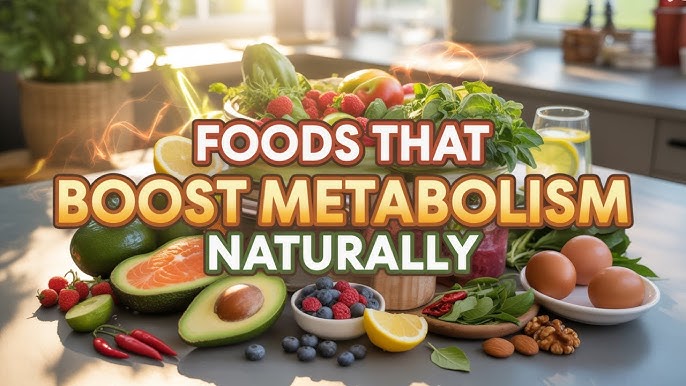
Foods that Boost Metabolism: Ever feel like no matter what you eat or how much you exercise, your body just isn’t burning calories like it used to? You’re not alone. Metabolism—the process your body uses to convert food into energy—is a hot topic, especially for those trying to lose weight, maintain energy, or just stay healthy. The good news? Certain foods can naturally rev up your metabolic engine, making your body more efficient at burning calories throughout the day.
Think of your metabolism like the engine of a car. The faster and more efficiently it runs, the better performance you get. Just like premium fuel helps your car run smoother, the right foods can help your body process energy better. This article dives deep into the best metabolism-boosting foods, the science behind them, and how you can use your daily diet to fire up your calorie-burning engine.
Whether you’re trying to lose a few pounds or just feel more energized, understanding how food affects metabolism is key. And don’t worry—this isn’t about fad diets or expensive superfoods. We’re talking real, accessible foods backed by science. Ready to turbocharge your metabolism naturally? Let’s get into it.
Understanding Metabolism
Before we dive into the best metabolism-boosting foods, let’s break down what metabolism actually is. At its core, metabolism is the set of chemical reactions that happen inside your body to keep you alive and functioning. It’s the process your body uses to convert what you eat and drink into energy.
There are three main components to your metabolic rate:
- Basal Metabolic Rate (BMR) – This is the number of calories your body needs to perform basic life-sustaining functions like breathing, circulation, and cell production. It accounts for about 60-70% of the calories you burn daily.
- Thermic Effect of Food (TEF) – This refers to the energy your body uses to digest, absorb, and process the nutrients in your food. It makes up about 10% of your total calorie burn.
- Physical Activity – Any movement, from walking to lifting weights, adds to your daily calorie burn.
Your metabolism is influenced by various factors such as age, muscle mass, hormones, and genetics. But while some of these are out of your control, what you eat isn’t. That’s where the magic happens.
Foods that are high in protein, rich in certain nutrients, or naturally spicy can boost TEF and even influence hormones that control fat burning. And yes, hydration plays a role too—just drinking water can slightly spike your metabolism. Let’s explore why your metabolism might be slowing down and how to change that through your diet.
Why Your Metabolism May Be Slowing Down
So, why does it feel like your metabolism was faster in your teens than it is now? Here’s a secret: you’re probably not imagining it. Several real-life factors can slow your metabolism over time.
Age
As we age, we naturally lose muscle mass, especially if we aren’t actively doing resistance or strength training. Since muscle burns more calories than fat even at rest, a decrease in muscle means a slower BMR. This is one reason why it feels like your body “changes” in your 30s, 40s, and beyond.
Inactivity
Let’s face it: most of us spend a lot of time sitting—whether it’s at a desk, in the car, or on the couch. A sedentary lifestyle doesn’t just reduce calorie burn from movement—it also reduces muscle mass, leading to a slower metabolism over time.
Poor Diet
Skipping meals, eating processed foods, and not getting enough protein can all negatively impact your metabolism. When you don’t eat enough, your body goes into conservation mode, slowing down your calorie burn to preserve energy.
The silver lining? With the right dietary choices, you can reverse or at least significantly improve your metabolic rate. Let’s see how food plays a vital role in this process.
How Food Affects Metabolism
Food isn’t just fuel—it’s a signal to your body about what it should be doing. Every bite you take sets off a series of metabolic processes. One of the most important effects is the Thermic Effect of Food (TEF)—the calories burned during digestion and nutrient absorption.
Protein has the highest TEF of all macronutrients, with about 20-30% of its calories used just to digest it. Carbs have a TEF of 5-10%, and fats come in lowest at 0-3%. That means a high-protein meal naturally burns more calories than a high-fat one.
But it doesn’t stop there. Some foods contain compounds like capsaicin (found in chili peppers) and catechins (found in green tea) that stimulate fat oxidation and increase calorie burn. Others, like whole grains and fiber-rich veggies, keep you fuller longer, helping you avoid energy slumps and overeating.
In short, the right food can literally nudge your metabolism in the right direction. Time to dig into the real stars of the metabolic world—let’s break down the top metabolism-boosting foods.
Top Metabolism-Boosting Foods
Let’s cut through the noise. When it comes to firing up your metabolism, not all foods are created equal. Below, you’ll find a powerhouse list of ingredients that help your body burn more calories, improve digestion, and even balance hormones. Each food mentioned is backed by science and can be easily added to your meals.
Protein-Rich Foods
If you want to boost your metabolism naturally, protein should be at the top of your grocery list. It’s not just for bodybuilders or gym-goers—protein plays a crucial role in how your body processes and uses energy. Remember the thermic effect of food? Protein has the highest TEF, meaning your body uses more energy to digest it than carbs or fats.
When you eat protein, your body works harder to break it down into amino acids, which are used to repair tissues, build muscle, and support enzyme function. This process requires more calories, making protein a double win: it helps you build lean muscle (which burns more calories at rest) and increases calorie burn during digestion.
Top protein-packed foods for metabolism:
- Chicken breast – Lean and versatile, it’s perfect for meal prep.
- Eggs – Loaded with amino acids and metabolism-boosting nutrients like choline.
- Greek yogurt – High in protein and probiotics, great for gut health too.
- Lentils and legumes – Great for vegetarians and packed with fiber.
- Tofu and tempeh – Excellent plant-based options.
A high-protein diet can also curb hunger hormones like ghrelin, keeping cravings at bay. Aim to include a source of protein in every meal—not just for muscle gain but for a lasting metabolic kick.
Spicy Foods
If you enjoy a little heat in your meals, you’re in luck. Spicy foods are more than just a flavor enhancer—they’re a metabolic powerhouse. One of the key compounds responsible for this is capsaicin, found in chili peppers. Capsaicin gives peppers their heat, but it also increases your body temperature, a process called diet-induced thermogenesis. This spike in temperature requires energy, which means your body starts burning more calories to cool itself down.
Research shows that capsaicin can temporarily boost metabolism by increasing the number of calories you burn after eating. While the effect isn’t massive, it adds up—especially when paired with other healthy habits. Spicy foods can also reduce appetite, helping you consume fewer calories overall.
Best spicy foods for boosting metabolism:
- Chili peppers (jalapeños, cayenne, habanero)
- Hot sauce (low-sugar varieties)
- Crushed red pepper flakes
- Spicy curry spices like turmeric, cumin, and mustard seed
Adding heat to your meals isn’t just tasty—it’s strategic. Sprinkle red pepper flakes on your avocado toast, stir sriracha into your stir-fry, or add a dash of cayenne to roasted veggies. Just remember, if you’re not used to spicy food, start small. Too much at once can lead to digestive issues, which won’t do your metabolism any favors.
Pro tip: Combine spicy foods with protein for a double metabolism boost. Think spicy grilled chicken or chili-infused scrambled eggs.
Green Tea and Matcha
Green tea isn’t just a calm and soothing beverage—it’s one of the most effective natural metabolism boosters you can sip on. Its benefits stem from a combination of caffeine and catechins, particularly epigallocatechin gallate (EGCG). These powerful antioxidants help stimulate fat oxidation and improve the efficiency of your body’s energy use.
Studies have shown that drinking green tea regularly can increase the amount of fat burned during both exercise and rest. Matcha, a concentrated powdered form of green tea, contains even higher amounts of EGCG, making it an even stronger metabolism-enhancer.
Why green tea boosts metabolism:
- Increases energy expenditure: Helps you burn more calories even while at rest.
- Improves insulin sensitivity: Helps regulate blood sugar, which plays a role in fat storage.
- Boosts fat oxidation: Especially effective during exercise.
Drinking two to three cups of green tea a day can support your metabolic health. Try it hot in the morning or cold brewed in the afternoon. If you prefer matcha, mix it into a smoothie, bake it into protein balls, or whisk it with hot water for a traditional tea ceremony experience.
And don’t worry—green tea doesn’t leave you jittery like coffee can. The amino acid L-theanine helps smooth out the stimulating effects of caffeine, giving you calm energy and mental clarity without the crash.
Coffee
Let’s talk coffee—the beloved morning ritual that also happens to be a fantastic metabolism booster. The reason? Caffeine, a natural stimulant that increases adrenaline levels and signals the body to break down fat cells. It also raises your resting metabolic rate (RMR), which means you’re burning more calories even when you’re just sitting at your desk.
Studies have found that caffeine can boost your metabolic rate by 3-11%, depending on the dose and the individual. This makes coffee an effective and accessible way to fire up your calorie burn—especially when consumed black or with minimal added sugars.
Tips for drinking coffee to boost metabolism:
- Drink it black or with a splash of unsweetened almond milk to avoid empty calories.
- Time it right – Drinking coffee 30 minutes before a workout can improve performance and fat burning.
- Avoid overdoing it – Stick to 2–3 cups per day to avoid tolerance build-up or sleep disruption.
Just like with green tea, quality matters. Opt for organic, fresh-ground beans when possible, and skip the sugar-laden creamers and syrups. If you’re not a fan of straight-up coffee, try adding cinnamon or a scoop of collagen protein to make it both tasty and nutritious.
One fun fact? Caffeine’s effect on metabolism may be stronger in lean individuals. But regardless of your body type, coffee can still be a valuable part of your metabolic toolbox.
Whole Grains and Fibrous Foods
Whole grains do more than keep you full—they make your body work harder to digest them. That’s because they’re rich in fiber, which takes longer to break down and keeps your digestive system running efficiently. This slow, steady digestion process increases the thermic effect of food (TEF), meaning your body uses more energy to process it.
Unlike refined carbs (like white bread or pastries), whole grains like brown rice, oats, and quinoa keep your blood sugar stable and prevent insulin spikes that can lead to fat storage.
Top fiber-rich foods that support metabolism:
- Oatmeal – Full of soluble fiber, which is great for gut health.
- Brown rice and quinoa – Complex carbs that also offer some protein.
- Barley and bulgur – Excellent for heart health and digestion.
- Vegetables like broccoli, spinach, and Brussels sprouts
Fiber doesn’t just boost metabolism—it also supports your gut microbiome, which plays a significant role in how efficiently your body processes food and burns fat. Aim for at least 25–30 grams of fiber per day, and make sure to drink plenty of water with it to avoid bloating or discomfort.
Pro tip: Try mixing whole grains with protein and healthy fats to create a balanced, metabolism-supporting meal. For example, a quinoa bowl with grilled chicken and avocado is a complete metabolic trifecta.
Iron, Zinc, and Selenium-Rich Foods
Micronutrients often get overshadowed by protein and fiber, but they’re just as crucial for a healthy metabolism. In particular, iron, zinc, and selenium play key roles in thyroid function, which regulates your metabolism.
A sluggish thyroid can lead to fatigue, weight gain, and a slower calorie burn. Ensuring you get enough of these nutrients helps keep your thyroid and metabolism running like a well-oiled machine.
Top food sources of these key minerals:
- Iron: Red meat, spinach, lentils, and pumpkin seeds
- Zinc: Oysters, beef, cashews, and chickpeas
- Selenium: Brazil nuts (just 1–2 a day!), tuna, and eggs
Deficiencies in any of these minerals can lead to a noticeable drop in energy and metabolic efficiency. Eating a varied, nutrient-rich diet ensures your body has everything it needs to operate at full throttle. If you’re vegetarian or vegan, pay special attention to these nutrients, as plant-based sources may be less bioavailable.
Coconut Oil and MCTs
Coconut oil has gained a lot of popularity—and for good reason. It’s rich in medium-chain triglycerides (MCTs), a type of fat that is metabolized differently than long-chain fats found in most other foods. Instead of being stored as fat, MCTs are quickly absorbed and used by the liver for immediate energy.
This quick conversion into fuel means your body increases energy expenditure shortly after consuming MCTs. Some studies suggest MCTs can increase the number of calories you burn per day by up to 5%.
How to add MCTs to your diet:
- Use coconut oil in place of butter or vegetable oils when cooking
- Add MCT oil to your coffee or smoothies
- Try MCT powder in your morning shake
Just be careful not to go overboard—start with small amounts to avoid digestive upset. MCTs are calorie-dense, so moderation is key.
Water and Hydrating Foods
Believe it or not, water is one of the easiest and most underrated metabolism boosters out there. Staying hydrated helps every system in your body function properly—including your metabolism. When you’re even slightly dehydrated, your body’s ability to burn calories efficiently drops. Think of it like trying to run a high-performance engine on low oil—it just doesn’t work right.
Drinking cold water gives you an extra edge. Why? Because your body has to work to bring that water up to body temperature, which temporarily increases energy expenditure through a process known as water-induced thermogenesis. Some studies have shown that drinking 500 ml (about 17 oz) of cold water can temporarily boost metabolic rate by 30% for about 30–40 minutes.
Best hydration strategies to support metabolism:
- Start your morning with a glass of water – Jump-starts digestion and energy.
- Drink before meals – Helps with appetite control and boosts TEF.
- Choose water-rich foods like cucumbers, watermelon, oranges, lettuce, and celery.
These hydrating foods not only support metabolism but are low in calories, high in fiber, and full of vitamins. Bonus: They also help you feel fuller for longer, reducing the temptation to snack on processed junk.
If plain water isn’t your thing, infuse it with lemon, mint, cucumber, or berries to add flavor without added sugar. Herbal teas are another great option to keep hydration levels up while supporting digestion and metabolism.
Apple Cider Vinegar
Apple cider vinegar (ACV) has been a popular remedy for years, and while it’s not a miracle fat burner, it does have several metabolic benefits when used properly. The secret lies in acetic acid, the main active compound in vinegar. This acid has been shown to improve insulin sensitivity, lower blood sugar levels after meals, and even slightly increase fat burning.
One study found that consuming 1–2 tablespoons of apple cider vinegar per day helped people lose belly fat and reduce triglyceride levels over 12 weeks.
How apple cider vinegar supports metabolism:
- Helps reduce fat storage
- Improves digestion and blood sugar control
- May enhance feelings of fullness, reducing calorie intake
How to use it:
- Mix 1–2 tablespoons of raw, unfiltered ACV in a glass of water before meals
- Add it to salad dressings, marinades, or sauces
- Avoid drinking it straight—it can damage tooth enamel and irritate your throat
Always go slow when starting with ACV and listen to your body. It’s not a quick fix, but when combined with other metabolism-boosting foods, it can offer real support over time.
Dark Chocolate and Cacao
Chocolate lovers, rejoice! Dark chocolate—especially varieties with 70% cacao or higher—contains compounds that can positively influence your metabolism. Flavonoids found in cacao help improve insulin sensitivity, reduce inflammation, and may enhance fat burning by influencing gene expression involved in metabolism.
Dark chocolate also contains a modest amount of caffeine and theobromine, both of which can provide a subtle energy and metabolism boost.
How to enjoy chocolate the healthy way:
- Choose bars with at least 70–85% cacao
- Keep servings small—1 to 1.5 ounces per day is enough
- Pair it with nuts or fruit for a balanced snack
For an even bigger benefit, try raw cacao powder in smoothies, protein bites, or oatmeal. It delivers all the benefits without the added sugar of most store-bought chocolates.
Not only does dark chocolate support metabolism, but it also helps reduce stress by lowering cortisol—a hormone that, when elevated, can lead to fat storage (especially around the belly). So yes, enjoying a small square of dark chocolate is more than just a treat—it’s a smart move.
Lifestyle Tips to Maximize Metabolism with Food
Eating the right foods is just one piece of the puzzle. To truly maximize the metabolic benefits of your diet, you need to pair it with smart lifestyle habits that support your body’s energy-burning potential.
1. Don’t skip meals
Skipping meals can cause your metabolism to slow down, especially if it becomes a regular habit. Your body goes into energy-saving mode, thinking food is scarce. Eat regularly to keep your metabolism steady.
2. Eat enough calories
Ironically, eating too little can backfire. If you drastically cut calories, your metabolism will adapt by burning fewer calories. Make sure you’re eating enough to support your BMR and activity level.
3. Eat protein at every meal
We’ve covered why protein is great for metabolism, but spreading your protein intake throughout the day is even better. Aim for 20–30 grams of protein per meal.
4. Time your meals around activity
Eating after your workouts can help with muscle recovery and metabolic efficiency. Consuming carbs and protein post-exercise helps refuel and rebuild your muscles, which supports long-term calorie burning.
5. Stay consistent
Consistency is key. Your metabolism doesn’t respond well to constant changes or crash diets. Stick to a balanced, nutrient-dense diet and avoid extreme shifts.
Combine these tips with a good night’s sleep and regular exercise (especially strength training), and you’ve got a recipe for a faster, more efficient metabolism.
Common Myths About Metabolism-Boosting Foods
Let’s clear up some confusion. The internet is full of exaggerated claims about what can or can’t boost your metabolism. Here are some of the most common myths:
Myth 1: Celery burns more calories than it contains
While celery is low in calories and takes effort to digest, the “negative calorie food” idea is more myth than fact. It’s good for you, but it won’t magically torch fat.
Myth 2: Eating every 2 hours speeds up metabolism
Frequent meals don’t necessarily increase metabolic rate. What matters more is what and how much you eat—not how often.
Myth 3: Eating late at night slows your metabolism
There’s no magic metabolic shutdown at 8 PM. It’s total daily intake and activity that matter. That said, late-night binges can lead to overeating, which is a different issue.
Myth 4: Drinking cold water burns fat
Cold water does burn a few extra calories, but the effect is small. It helps support metabolism, but don’t expect massive weight loss from water alone.
Myth 5: Fat-burning foods melt belly fat
No single food targets belly fat. Fat loss happens systemically throughout the body. “Fat-burning foods” help support a healthy metabolism but won’t target specific areas.
Understanding what’s true (and what’s not) allows you to make better decisions and avoid wasting time—or money—on gimmicks.
Sample Meal Plan with Metabolism-Boosting Foods
To help you put all this into action, here’s a simple one-day meal plan packed with foods that naturally rev up your metabolism. It includes a balance of protein, fiber, healthy fats, and metabolism-enhancing nutrients to keep your body burning energy efficiently from morning to night.
Breakfast: Green Tea Power Bowl
- 2 boiled eggs or scrambled tofu (protein)
- 1 slice whole grain toast (complex carbs + fiber)
- ½ avocado (healthy fats)
- 1 cup steamed spinach (iron-rich)
- 1 cup green tea (EGCG + caffeine)
💡 Why it works: This breakfast is protein-packed, energizing, and rich in fiber and iron. The green tea adds a gentle metabolic lift to kickstart your morning.
Mid-Morning Snack: Metabolic Munch
- Handful of almonds or Brazil nuts (selenium, healthy fat)
- 1 square of 85% dark chocolate (flavonoids + mood booster)
- Tall glass of cold water with lemon
💡 Why it works: This snack curbs hunger while delivering critical nutrients like magnesium and selenium, plus a small dose of caffeine for a mid-morning lift.
Lunch: Spicy Quinoa Chicken Bowl
- Grilled chicken breast (protein)
- ½ cup quinoa (whole grain + fiber)
- Roasted vegetables: broccoli, zucchini, bell peppers
- Dash of chili flakes and turmeric
- Drizzle of olive oil + apple cider vinegar dressing
💡 Why it works: Combines protein, fiber, and metabolism-enhancing spices. ACV in the dressing helps regulate blood sugar and digestion.
Afternoon Snack: Matcha Smoothie
- 1 scoop protein powder (whey or plant-based)
- 1 tsp matcha powder
- ½ banana (natural sweetness)
- Handful of spinach
- 1 tbsp coconut oil or MCT oil
- Unsweetened almond milk
💡 Why it works: This snack is a metabolic supercharger. Matcha, protein, and MCTs work together to keep your energy and fat-burning potential high.
Dinner: Fiber & Spice Stir-Fry
- Stir-fried shrimp or tofu (protein + selenium/zinc)
- Mixed veggies: Brussels sprouts, cabbage, onion
- Brown rice or barley (whole grains)
- Seasoned with garlic, ginger, and crushed red pepper
💡 Why it works: A digestion-friendly, nutrient-dense meal that promotes thermogenesis and supports your thyroid.
Evening Wind-Down: Herbal Hydration
- Warm cup of peppermint or chamomile tea
- 1 tbsp apple cider vinegar in water (optional)
💡 Why it works: Helps with digestion and keeps your metabolism humming overnight.
FAQs about Foods that Boost Metabolism
1. Can eating more frequently really boost metabolism?
Not necessarily. While some believe frequent small meals speed up metabolism, the science shows that total calorie intake and food quality matter more than frequency. Eating balanced meals every 3–5 hours can help with appetite control but won’t dramatically boost calorie burn.
2. Are metabolism boosters safe for everyone?
Natural metabolism-boosting foods like green tea, protein, and fiber are generally safe for most people. However, if you have thyroid issues or other health concerns, it’s best to speak with a healthcare provider before making major dietary changes or using supplements.
3. What’s better for metabolism—green tea or coffee?
Both offer unique benefits. Coffee contains more caffeine, which provides a stronger immediate boost. Green tea contains both caffeine and catechins, which support fat oxidation more gently over time. For best results, consider using both in moderation.
4. How quickly can food affect metabolic rate?
Certain foods, like spicy meals or high-protein dishes, can cause a temporary increase in calorie burn within hours. Long-term changes, like building more muscle or improving thyroid function with minerals, may take weeks to show results.
5. Are supplements necessary to boost metabolism?
Not always. You can get most metabolism-boosting nutrients through whole foods. However, if your diet lacks certain vitamins or minerals—like B12, iron, or selenium—a supplement might help. Always check with a professional before starting any new supplement.
Conclusion
Metabolism is like a campfire. You can’t expect it to stay hot without tossing in the right kind of wood. Fuel it with the right nutrients, keep it hydrated, and stoke it with movement—and you’ll keep the fire burning strong all day long.
It’s not about restriction, it’s about smart inclusion. You’re not starving your body—you’re feeding it what it needs to thrive.
So, stock your pantry with metabolism-friendly staples, experiment in the kitchen, and pay attention to how your body responds. With the right strategy and mindset, you’ll not only boost your metabolism—you’ll feel more energized, focused, and in control of your health.

