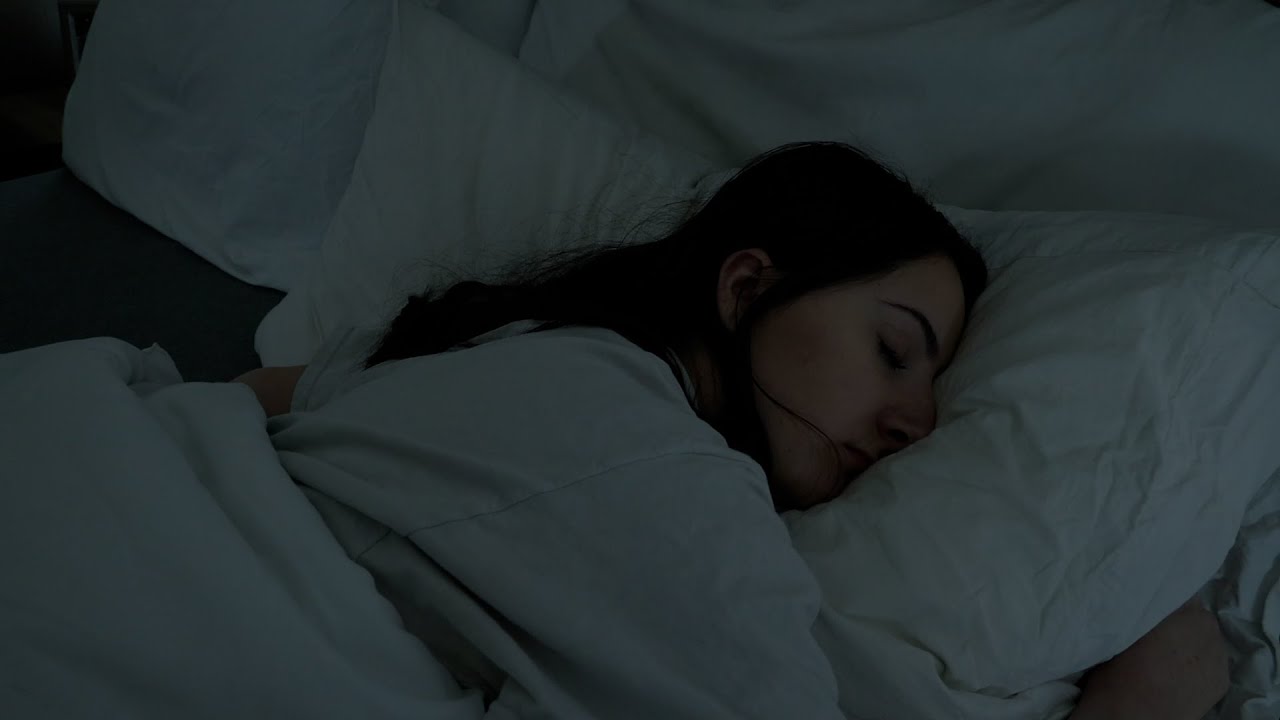
How to Get Better Sleep: Let’s be real—sleep often feels like a luxury we can’t afford. Between jam-packed schedules, endless scrolling, and stress creeping in like a thief in the night, getting quality sleep seems impossible. But here’s the thing: good sleep isn’t a luxury—it’s a necessity. And if you’re constantly dragging yourself through the day with low energy, brain fog, or mood swings, there’s a good chance your sleep is the root problem.
According to the Centers for Disease Control and Prevention (CDC), 1 in 3 adults doesn’t get enough sleep. That’s not just a stat—it’s a warning. Sleep deprivation is linked to serious health issues like heart disease, diabetes, depression, and even obesity. So, if you’ve been treating sleep like a “when I have time” activity, it’s time to rethink your approach.
This guide is your deep-dive into everything sleep. From how much you really need, to building the perfect bedtime routine, we’ll unpack it all—step by step. Whether you’re struggling with falling asleep, staying asleep, or waking up feeling like you never slept, you’ll find practical, human-tested solutions right here.
Ready to finally wake up refreshed? Let’s dive in.
Why Sleep Matters More Than You Think
We all know sleep is important, but most people don’t realize just how critical it is until they start experiencing the side effects of not getting enough. Think of sleep like the body’s version of hitting the “reset” button. It’s the time when your brain processes emotions, your muscles repair themselves, and your immune system powers up.
Skipping sleep doesn’t just make you tired—it messes with your memory, concentration, decision-making, and even your relationships. Ever snapped at someone for no reason after a bad night’s sleep? Yep, that’s the sleep deprivation talking.
Here’s what chronic poor sleep does to your body and brain:
- Increases risk of heart disease and high blood pressure
- Impairs immune function, making you more susceptible to illness
- Causes weight gain by increasing hunger hormones
- Heightens anxiety and depression symptoms
- Lowers productivity, creativity, and motivation
But the good news? Improving your sleep can feel like upgrading your life. People who get consistent, quality sleep report higher satisfaction in their personal lives, better focus, and even improved skin. So yes, sleep is basically your superpower. You just have to learn how to harness it.
Understanding Your Sleep Cycle
Ever wonder why some nights you feel groggy after 8 hours, while other times you feel fresh after 6? It’s all about the sleep cycle. Your sleep isn’t one big chunk of unconsciousness—it’s a repeating rhythm made up of four stages: light sleep, deep sleep, and REM sleep (plus another light sleep stage at the beginning).
Here’s a quick breakdown:
- Stage 1: Light sleep (a transition phase)
- Stage 2: Body temperature drops, heart rate slows
- Stage 3: Deep sleep (where true restoration happens)
- Stage 4 (REM): Dreaming occurs, brain activity increases
Each full cycle lasts around 90 minutes, and you go through 4 to 6 cycles a night. The magic happens when you move smoothly through all stages. Interruptions in these cycles—like waking up in the middle of deep sleep—can leave you feeling disoriented and exhausted, even if you technically “slept” for 8 hours.
Your circadian rhythm also plays a key role. It’s your internal 24-hour clock that responds to light and darkness. If you’re constantly going to bed and waking up at different times, your rhythm gets thrown off—leading to groggy mornings and restless nights.
Understanding your cycle helps you optimize your sleep schedule, so you can wake up at the right point in your cycle and actually feel rested.
Common Sleep Disorders You Might Not Know You Have
Not sleeping well, despite doing “everything right”? You might be dealing with a sleep disorder—and not even know it. Millions of people walk around with undiagnosed sleep conditions that are quietly ruining their quality of life. If you’re always exhausted, wake up multiple times a night, or feel like you never truly reach deep sleep, read on.
Let’s talk about some of the most common sleep disorders:
1. Insomnia
This is the big one. Insomnia is when you can’t fall asleep, stay asleep, or both—and it’s maddening. Some people lie in bed for hours, while others wake up in the middle of the night and can’t fall back asleep. It can be short-term (stress-induced) or chronic (lasting for months).
Common signs:
- Difficulty falling asleep, even when tired
- Waking up frequently during the night
- Feeling unrefreshed after sleep
2. Sleep Apnea
Sleep apnea is a serious condition where breathing repeatedly stops and starts during sleep. Most people don’t know they have it because it happens while they’re unconscious. However, their partners often notice loud snoring or gasping.
Symptoms include:
- Loud snoring
- Daytime fatigue
- Waking up with a dry mouth or headache
Left untreated, sleep apnea can lead to high blood pressure, heart problems, and stroke.
3. Restless Leg Syndrome (RLS)
Have you ever felt a weird crawling or tingling sensation in your legs at night? That’s RLS—a neurological condition that causes an irresistible urge to move your legs.
Typical signs:
- Uncomfortable sensations in legs when resting
- Relief only through movement
- Trouble falling or staying asleep due to leg movements
If any of these symptoms sound familiar, it’s time to stop blaming stress or “bad sleep hygiene” and get evaluated. Treating an underlying sleep disorder could completely transform how you feel during the day.
Top Causes of Poor Sleep Quality
You might think you’re just “a light sleeper” or someone who “doesn’t need much sleep.” But chances are, your environment or habits are interfering more than you think. Let’s break down some of the sneaky causes of poor sleep quality.
1. Poor Sleep Habits
Watching TV in bed, scrolling your phone, irregular sleep schedules—all of these mess with your brain’s ability to shut down at night. Sleep needs consistency and a predictable routine.
2. Stress and Mental Overload
If your mind starts racing the second your head hits the pillow, stress is probably hijacking your sleep. Anxiety and overthinking can delay sleep onset and reduce REM cycles.
3. Uncomfortable Sleep Environment
Too hot, too cold, noisy neighbors, or a saggy mattress? Your bedroom might be sabotaging your rest. Your sleep environment has a direct impact on your sleep quality.
4. Caffeine and Alcohol
Both caffeine and alcohol disrupt your natural sleep cycle. Caffeine delays sleep onset, and while alcohol might knock you out, it also fragments your sleep and limits REM.
5. Underlying Health Conditions
Chronic pain, acid reflux, asthma, or even side effects from medications can seriously interfere with your sleep. Don’t ignore these if they’re part of your nightly struggle.
By identifying the true culprits, you can start removing these sleep-blockers from your life—and finally get the rest you deserve.
How Much Sleep Do You Really Need?
You’ve probably heard that “8 hours is the magic number” when it comes to sleep. But the truth is, there’s no one-size-fits-all answer. Your ideal amount of sleep depends on your age, lifestyle, and health status.
General Sleep Recommendations:
| Age Group | Recommended Sleep Duration |
|---|---|
| Newborns (0–3 mo) | 14–17 hours/day |
| Infants (4–12 mo) | 12–16 hours/day |
| Toddlers (1–2 yrs) | 11–14 hours/day |
| Children (6–12 yrs) | 9–12 hours/night |
| Teens (13–18 yrs) | 8–10 hours/night |
| Adults (18–64 yrs) | 7–9 hours/night |
| Seniors (65+) | 7–8 hours/night |
But here’s the kicker—it’s not just the quantity, but the quality of your sleep that matters most. If you’re getting 9 hours of interrupted sleep, you’ll feel worse than someone who gets 6.5 hours of deep, high-quality rest.
Also, your body might function perfectly on 6.5 or 7.5 hours if that’s your natural rhythm. The key is to find your sweet spot and stick to it. Stop hitting snooze a dozen times and calling it sleep—you’re just breaking up your rest into little useless chunks.
Instead, aim for consistent bedtimes and wake-up times every day (yes, even weekends). That’s how your body learns to reset and repair efficiently.
The Role of Diet and Nutrition in Sleep
Here’s a truth bomb: what you eat and when you eat has a direct impact on your sleep quality. Nutrition affects hormone production, digestion, energy levels, and yes—even your ability to drift off into dreamland.
Let’s break it down:
Foods That Help You Sleep Better
- Magnesium-rich foods like almonds, spinach, and pumpkin seeds help relax your muscles.
- Tryptophan-rich foods (turkey, eggs, cheese) increase serotonin and melatonin levels.
- Complex carbs (whole grains, oatmeal) promote serotonin production and help with sleep onset.
- Bananas contain potassium and magnesium, both of which relax your body.
Foods That Ruin Your Sleep
- Caffeine (coffee, chocolate, energy drinks) stays in your system for up to 8 hours.
- Spicy or fatty foods cause indigestion, which can wake you up at night.
- Alcohol may help you fall asleep fast but reduces deep and REM sleep later in the night.
- Heavy meals before bed make your digestive system work overtime while you’re trying to sleep.
Timing Matters
- Eat your last big meal at least 2-3 hours before bed.
- Avoid large amounts of sugar close to bedtime.
- Sip herbal tea instead of soda or alcohol to wind down.
Bottom line: your diet is more than just calories—it’s information for your body. Feed it sleep-promoting foods and it’ll thank you with peaceful, uninterrupted nights.
Creating the Perfect Sleep Environment
If your bedroom isn’t set up for optimal rest, no amount of supplements, meditation, or bedtime routines will fix your sleep. Think of your sleep space as a sanctuary for rest, not a second office or Netflix cave. The right environment tells your brain, “It’s time to unwind.”
Let’s look at the key elements of a sleep-friendly bedroom:
1. Light – The Hidden Enemy
Your brain responds to light cues to regulate your circadian rhythm. Bright light at night, especially blue light from screens, tricks your brain into thinking it’s still daytime. That means less melatonin, the hormone responsible for sleep.
What you can do:
- Use blackout curtains to block outside light
- Install dim lighting or use warm-toned bulbs in the evening
- Avoid screens at least 60 minutes before bed (yes, even your phone)
2. Temperature – Keep It Cool
A cooler room actually promotes deeper sleep. Why? Because your core body temperature drops when you sleep. A room that’s too warm disrupts that process, causing frequent wakeups.
Ideal sleep temperature: 60–67°F (15–19°C)
Use breathable bedding, a fan, or adjust the thermostat to find your comfort zone.
3. Noise – Silence or Soothing Sounds
Some people need silence to sleep, others do better with ambient noise. The key is consistency—no sudden sounds to jolt you awake.
Sleep-friendly sound options:
- White noise machines
- Soft nature sounds or rain playlists
- Earplugs for light sleepers
4. The Bed – Comfort is Non-Negotiable
That old, lumpy mattress or flat pillow? Yeah, it’s time to upgrade. You spend a third of your life in bed—make it count.
Invest in:
- A supportive mattress (memory foam, hybrid, etc.)
- Pillows that match your sleep style (side, back, stomach)
- Breathable sheets and cozy blankets
5. Declutter for Calm
A cluttered room creates mental noise. Make your bedroom clean, calming, and distraction-free. Keep electronics and work materials out of sight.
Your bedroom should tell your brain, “This is where we rest.” If it’s sending mixed signals—like work stress or entertainment overload—you’re creating unnecessary hurdles to good sleep.
Best Bedtime Routine for Deep Sleep
You wouldn’t go from running a marathon straight into a nap, right? Same logic applies to sleep. Your brain needs a signal that it’s time to power down. That’s where a consistent bedtime routine comes in—it preps your mind and body for sleep.
Here’s a sleep-optimized routine that actually works:
1 Hour Before Bed: Start the Wind Down
- Turn off bright lights and screens
- Dim the lights in your home to trigger melatonin production
- Stop working—no emails, no deadlines, no to-do lists
45 Minutes Before Bed: Prep Your Environment
- Adjust room temperature
- Light a calming candle or diffuse lavender essential oil
- Put on soft, comfortable pajamas
30 Minutes Before Bed: Relaxation Ritual
Choose a relaxing activity you can repeat every night to train your brain for sleep:
- Read a physical book (not on a screen)
- Journal to dump your thoughts and reduce mental clutter
- Stretch or do gentle yoga
- Listen to calming music or meditation
15 Minutes Before Bed: Personal Care
- Brush your teeth and wash your face
- Do a skincare routine if that calms you
- Avoid heavy conversations or stimulating podcasts
At Bedtime: Power Down Completely
- Get in bed at the same time every night
- Use a sleep mask if needed
- Practice deep breathing or a body scan meditation
A good bedtime routine isn’t about doing 10 things perfectly—it’s about doing a few things consistently that tell your brain: “Hey, it’s safe to relax now.”
Technology and Sleep – Friends or Foes?
Let’s be honest—we’re addicted to our screens. But the problem is, your phone, tablet, or laptop could be wrecking your sleep quality, one notification at a time.
The Blue Light Problem
Screens emit blue light, which suppresses melatonin production—the very hormone that helps you fall asleep. Even just 30 minutes of exposure before bed can delay your sleep cycle by hours.
What you can do:
- Enable “Night Shift” or “Blue Light Filter” mode on your devices
- Use blue light blocking glasses after sunset
- Avoid screens 60–90 minutes before bed (aim for zero if possible)
The Mental Stimulation Trap
Even if you’re using your phone with night mode, your brain is still hyper-engaged. Doomscrolling on social media, watching high-energy shows, or reading emails before bed keeps your brain in alert mode, not sleep mode.
Better Tech Habits for Sleep:
- Keep your phone out of the bedroom (or use airplane mode)
- Replace your bedtime scrolling with a book or journaling
- Use a traditional alarm clock instead of your phone
- Try sleep-focused apps that guide meditations or play relaxing music
Technology doesn’t have to be your enemy—but you have to be intentional about how you use it. Take back control of your sleep by setting tech boundaries.
How Stress and Anxiety Affect Sleep
Ever notice how the nights you need sleep the most are the ones you can’t seem to get it? That’s stress and anxiety doing their thing. When your mind is racing, your body follows. Your heart rate goes up, cortisol spikes, and suddenly… you’re wide awake at 2 a.m.
How Stress Impacts Sleep:
- Increases cortisol, your stress hormone, which interferes with melatonin
- Keeps your mind active, making it harder to relax
- Triggers worry cycles—what psychologists call “rumination”
Signs Stress Is Stealing Your Sleep:
- Trouble falling asleep due to racing thoughts
- Waking up in the middle of the night
- Bad dreams or restlessness
- Feeling tired despite getting “enough” hours
Coping Strategies That Actually Work:
- Deep Breathing: Try the 4-7-8 method—inhale for 4 seconds, hold for 7, exhale for 8.
- Progressive Muscle Relaxation: Tense and release each muscle group, starting from your feet upward.
- Guided Meditations: Use apps like Calm or Headspace for sleep meditations.
- Write It Down: Keep a “worry journal” next to your bed. Dump your thoughts on paper and leave them there.
Stress might not be avoidable, but how you manage it before bed makes all the difference. Think of your mind as a room—clear the clutter before you try to sleep in it.
Natural Remedies to Improve Sleep
When you’re trying to avoid sleeping pills or want a more holistic approach, natural remedies can be a game-changer. They help you relax, support your body’s rhythms, and promote deeper sleep—all without grogginess the next day. But not all “natural” sleep aids are created equal. Some work well, others are overhyped.
Let’s explore some of the most effective natural remedies for better sleep:
1. Herbal Teas
A warm cup of herbal tea before bed isn’t just cozy—it can genuinely help you drift off faster.
Top bedtime teas:
- Chamomile – Mild sedative effect, promotes relaxation
- Valerian root – Can improve sleep latency and quality
- Lavender – Calming aroma and anti-anxiety properties
- Lemon balm – Helps reduce restlessness and anxiety
Make it a ritual: Brew a cup 30–60 minutes before bed, dim the lights, and sip slowly.
2. Aromatherapy and Essential Oils
Your sense of smell is powerful. Certain scents can calm your nervous system and cue your brain that it’s time to rest.
Best essential oils for sleep:
- Lavender – Most studied oil for sleep support
- Cedarwood – Deep, grounding aroma
- Ylang ylang – Helps reduce blood pressure and heart rate
- Roman chamomile – Great for stress relief
Use them in a diffuser, apply diluted oil to your wrists or temples, or spray on your pillow.
3. Melatonin Supplements
Melatonin is a natural hormone your body produces to regulate sleep. Supplements can help reset your internal clock—especially helpful for shift workers or jet lag.
How to use safely:
- Start with 0.5 to 1 mg 30–60 minutes before bed
- Use short-term, not daily long-term
- Avoid high doses that may disrupt your sleep cycle
4. Magnesium
Magnesium plays a big role in muscle relaxation and nervous system regulation. Deficiency is linked to poor sleep and restless legs.
Sources:
- Magnesium glycinate or citrate (best absorbed)
- Natural foods: leafy greens, nuts, seeds, whole grains
Taking magnesium at night can help you relax and even reduce nighttime awakenings.
5. CBD Oil (Cannabidiol)
Some people swear by CBD for sleep. While more research is needed, early studies suggest it may help reduce anxiety and improve sleep quality—especially for people with insomnia.
Note: Always choose THC-free or full-spectrum CBD from reputable brands, and consult with your doctor first.
Word of Caution:
Just because something is “natural” doesn’t mean it’s harmless. Always check for interactions with medications and talk to a healthcare provider before starting new supplements.
Exercise and Sleep – Finding the Balance
Exercise is one of the most powerful natural sleep aids, but timing and intensity matter more than you think. Regular physical activity improves sleep quality, reduces stress, and balances hormones—yet working out at the wrong time or in the wrong way can have the opposite effect.
How Exercise Helps Sleep:
- Reduces stress and anxiety, lowering cortisol levels
- Promotes deeper stages of non-REM sleep
- Improves sleep onset latency (you fall asleep faster)
- Regulates body temperature and circadian rhythms
Best Types of Exercise for Sleep:
- Cardio (brisk walking, jogging, biking)
- Yoga (especially restorative or yin yoga)
- Strength training (moderate weights, bodyweight workouts)
Aim for at least 30 minutes of moderate exercise most days of the week.
When to Exercise: Timing is Key
While exercise boosts sleep in the long term, working out too late in the evening can spike adrenaline, raise core body temperature, and keep you wired.
Ideal workout times:
- Morning workouts help reset your circadian rhythm
- Afternoon workouts can lower stress and improve sleep duration
- If you must work out in the evening, finish at least 2–3 hours before bed
Also, avoid overtraining. Excessive or intense workouts without proper recovery can lead to insomnia, restlessness, and hormonal imbalance.
Bottom line: Move your body regularly, but respect your body’s sleep signals. Use exercise as a tool, not a punishment.
When to See a Sleep Specialist
If you’ve tried everything—routine, environment, diet, relaxation techniques—and you’re still struggling with sleep, it’s time to call in the pros. Poor sleep isn’t just frustrating; it could signal something more serious that needs expert attention.
Signs You Should See a Sleep Specialist:
- You consistently sleep poorly for weeks or months
- You wake up gasping for air or choking
- You snore loudly or your partner notices breathing pauses
- You feel exhausted during the day, even after “enough” sleep
- You fall asleep during meetings, driving, or conversations
- You suffer from chronic insomnia that affects your quality of life
What a Sleep Specialist Can Do:
- Evaluate your sleep history and daily habits
- Recommend a sleep study (polysomnography)
- Diagnose disorders like sleep apnea, narcolepsy, or parasomnias
- Prescribe treatments, CBT-I therapy (cognitive behavioral therapy for insomnia), or medical interventions if needed
You wouldn’t ignore chronic pain or blurry vision, right? So don’t downplay chronic sleep problems. Getting professional help might be the missing puzzle piece.
Proven Tips for Getting Better Sleep Tonight
Now that you understand the full picture of how sleep works, let’s get practical. Here are real-world, science-backed tips you can use tonight to start sleeping better:
Your Personal Sleep Checklist:
- Set a consistent bedtime – even on weekends
- Avoid screens at least 60 minutes before bed
- Keep your bedroom dark, cool, and quiet
- Limit caffeine after 2 p.m.
- Don’t eat heavy meals within 3 hours of sleep
- Create a wind-down routine with relaxing activities
- Use your bed only for sleep and intimacy—no work or TV
- Try a natural remedy like chamomile tea or magnesium
- Journal or brain-dump your worries before bed
- Wake up at the same time every day, no matter how you slept
Sleep is like fitness—it takes repetition and consistency to see results. So don’t panic if things don’t change overnight. Stay patient, stay committed, and trust the process.
FAQs about How to Get Better Sleep
1. Should I nap during the day if I didn’t sleep well at night?
Yes, but keep it short—aim for a 20–30 minute power nap. Longer naps can disrupt your nighttime sleep. Avoid late afternoon naps to prevent messing with your body clock.
2. Is melatonin safe to use long-term?
Melatonin is generally safe for short-term use, but long-term reliance can interfere with your body’s natural production. Always consult a doctor before using it regularly.
3. Can sleep quality affect weight loss?
Absolutely. Poor sleep increases cravings, disrupts hormones like ghrelin and leptin, and reduces your body’s ability to burn fat efficiently. Quality sleep supports a healthy metabolism.
4. How can I wake up feeling refreshed?
Try to wake up at the end of a sleep cycle, not in the middle. Use sleep apps to track cycles or set your alarm for multiples of 90 minutes (like 6 or 7.5 hours). Also, avoid hitting snooze—it just confuses your brain.
5. What’s the best time to go to bed?
There’s no “one-size-fits-all,” but most adults benefit from sleeping between 10 p.m. and 6 a.m. Going to bed early enough to get 7–9 hours of sleep and wake up naturally is ideal.
Conclusion
Getting better sleep isn’t about chasing the perfect 8-hour night. It’s about understanding what your body needs, removing obstacles, and building habits that support deep, restorative rest. From managing stress and optimizing your environment to creating a wind-down ritual and choosing the right foods, every small change adds up.
Remember—sleep isn’t a passive activity. It’s a powerful form of self-care that fuels everything else in your life. The better you sleep, the better you live.
So tonight, close that laptop a little earlier, light a candle, sip your tea, and let your body do what it was designed to do—rest, repair, and recharge.