Natural Remedies for Anxiety: Let’s be real — anxiety sucks. Whether it’s that constant worry looping in your head at 2 AM or the random panic before a social event, anxiety can feel like an unwelcome guest that just won’t leave. And while modern medicine offers its fair share of solutions, more and more people are turning to natural remedies to take the edge off — without the side effects or dependency risks.
In this guide, we’re diving deep (and I mean really deep) into the world of natural anxiety relief. We’re talking herbs, oils, food, lifestyle changes, and even a few surprising tricks you might not have considered. Why? Because managing anxiety doesn’t have to mean choosing between feeling like a zombie or doing nothing at all. There’s a middle path — and it starts here.
Whether your anxiety is mild or making daily life a challenge, you’ll find tons of useful, practical advice below. Ready to take a deep breath and get started?
Understanding Anxiety
Before we jump into the remedies, let’s understand what we’re dealing with. Anxiety isn’t just “feeling stressed.” It’s a complex emotional and physical response that can range from a slight uneasiness to full-blown panic attacks. At its core, anxiety is your body’s natural reaction to perceived danger — the famous “fight or flight” response.
But here’s the thing: in today’s world, our brains can’t always tell the difference between a real threat and an email from your boss that just says “we need to talk.”
Common Causes of Anxiety
Anxiety can be triggered by all sorts of things, and it’s different for everyone. Some of the most common causes include:
- Chronic stress (hello, work deadlines)
- Poor diet (yes, sugar and caffeine play a role)
- Lack of sleep
- Genetics and family history
- Trauma or major life changes
- Hormonal imbalances
Recognizing the source of your anxiety is step one. Once you know what’s fueling the fire, it’s much easier to calm the flames.
Why Choose Natural Remedies for Anxiety?
You might be wondering, “If anxiety is so serious, why not just take medication?” Great question. And for many people, medication is necessary and life-saving. But it’s not the only option.
The Case for Going Natural
Natural remedies often appeal to people for several reasons:
- Fewer side effects: Unlike prescription meds, natural treatments tend to come with fewer unpleasant side effects like weight gain, drowsiness, or emotional numbness.
- Holistic approach: They often address the root cause, not just the symptoms.
- Accessibility: Many natural remedies are affordable, easy to find, and don’t require a doctor’s visit.
- Empowerment: Taking control of your own mental health — through herbs, breathwork, or meditation — can be incredibly empowering.
That said, natural doesn’t always mean harmless. It’s important to understand what you’re using and how it affects your body, especially when mixing remedies or if you’re on other medications.
Herbal Remedies for Anxiety
Let’s talk plants. Nature has been the original pharmacy for thousands of years, and when it comes to calming anxious nerves, several herbs stand out for their effectiveness.
These natural remedies don’t just work because they “feel soothing.” Many have real scientific studies backing their use for anxiety. Here are the herbal MVPs you need to know about.
Chamomile: A Soothing Classic
Chamomile is one of the most beloved herbs in the world, especially when it comes to relaxation. It’s not just for tea lovers — chamomile has been used for centuries as a gentle sedative, and science backs up its calming properties.
How Chamomile Helps
Chamomile contains compounds like apigenin that bind to the same receptors in the brain as anti-anxiety drugs. It helps reduce:
- Nervous tension
- Irritability
- Sleeplessness
In a 2009 study published in the Journal of Clinical Psychopharmacology, people with generalized anxiety disorder (GAD) who took chamomile extract showed a significant reduction in symptoms compared to those on a placebo.
Best Ways to Use Chamomile
- Tea: The most common method. Drink a warm cup before bed or during stressful moments.
- Capsules or extract: For stronger effects, standardized extracts are available.
- Essential oil: Great for aromatherapy or adding to a warm bath.
Chamomile is generally safe for most people but should be avoided if you have a ragweed allergy.
Lavender: Calming Your Mind Naturally
Lavender isn’t just a pretty scent in your grandma’s potpourri — it’s a powerful natural remedy for anxiety that’s been used for centuries. Scientifically known as Lavandula angustifolia, this purple powerhouse is celebrated for its calming properties, especially in the form of essential oil. And yes, there’s actual science behind the soothing effects.
How Lavender Works for Anxiety
Lavender works primarily by interacting with the nervous system. Its compounds are believed to impact GABA (gamma-aminobutyric acid) receptors in the brain — the same ones affected by anti-anxiety medications like benzodiazepines. The result? A sense of calm without the foggy side effects.
Studies have shown that lavender oil capsules can be just as effective as lorazepam (a common anti-anxiety drug) in reducing symptoms of generalized anxiety disorder. That’s a big deal.
How to Use Lavender for Anxiety Relief
- Aromatherapy: Inhale lavender essential oil using a diffuser. Breathing in the scent can reduce stress within minutes.
- Massage oil: Dilute lavender essential oil in a carrier oil and apply it to your neck, shoulders, or wrists.
- Lavender capsules: Supplements like Silexan (a branded lavender oil extract) are clinically studied for anxiety.
- Tea or bath soak: Drinking lavender-infused tea or soaking in a lavender bath can bring full-body relaxation.
Pro tip: Always choose 100% pure, therapeutic-grade lavender oil to avoid synthetic additives.
If you’re looking for a gentle, non-sedating natural option, lavender is one of the best ways to create a pocket of peace in your day — and in your mind.
Ashwagandha: The Adaptogen Powerhouse
If you’ve heard of ashwagandha, you’ve probably heard it hyped up as the “miracle stress herb.” Spoiler: the hype is real. Ashwagandha, an ancient herb used in Ayurvedic medicine, is what’s called an adaptogen. That means it helps your body adapt to stress — both physical and mental — and brings things back into balance.
Why Ashwagandha is So Effective
Ashwagandha works by regulating cortisol, the stress hormone. High cortisol levels are closely linked to anxiety, fatigue, and even brain fog. By keeping cortisol in check, ashwagandha can help restore calm and improve mental clarity.
In a well-known study from 2012, participants who took ashwagandha root extract for 60 days saw a 44% reduction in stress levels. And unlike some anti-anxiety medications, ashwagandha doesn’t sedate or dull your senses — it simply helps your body chill out from the inside.
How to Take Ashwagandha
- Capsules: One of the most convenient and consistent methods. Look for a standardized extract like KSM-66 or Sensoril.
- Powder: Can be added to smoothies or golden milk (a mix of turmeric, milk, and spices).
- Tinctures: Liquid extracts are quickly absorbed and easy to dose.
Suggested dose: 300–600 mg per day, ideally taken in the morning or early afternoon.
Heads up: Ashwagandha is generally safe, but not recommended for pregnant women or those with autoimmune diseases without medical advice.
This herb is a favorite for a reason — it helps take you from high-stress to Zen-mode, naturally.
Valerian Root: The Natural Sedative
If sleep problems are a big part of your anxiety, valerian root might be your new best friend. Known as “nature’s Valium,” this herb has strong calming effects and is especially effective in promoting restful sleep — without the grogginess the next morning.
How Valerian Works
Valerian root boosts the levels of GABA in your brain, similar to how anti-anxiety meds like Xanax work. But unlike those medications, valerian doesn’t knock you out or make you feel drugged. Instead, it gently encourages your nervous system to slow down and relax.
Valerian is particularly helpful if your anxiety manifests as:
- Racing thoughts at night
- Difficulty falling asleep
- Muscle tension
- Restlessness
How to Take Valerian Root
- Tea: Valerian tea is a great bedtime ritual (though the smell takes some getting used to).
- Capsules or tablets: Easier to take and typically more potent.
- Tincture: A fast-acting liquid form you can take under the tongue.
Recommended dose: 400–900 mg before bed. Some people also take smaller doses during the day for general anxiety.
Valerian root does interact with other sedatives, so don’t combine it with alcohol or prescription sleep aids unless you’ve talked to a doctor. For natural sleep support and anxiety relief, it’s hard to beat this herb.
Passionflower: A Lesser-Known Hero
Passionflower might not be as famous as lavender or chamomile, but it deserves a spot on your anxiety-fighting team. Traditionally used by Native American tribes and later by European herbalists, passionflower has a calming effect that’s especially good for people with restlessness or overthinking.
What Makes Passionflower Effective?
Like valerian, passionflower increases GABA in the brain, which helps reduce nerve activity. This leads to feelings of calm and relaxation, making it ideal for:
- Racing thoughts
- Nervousness
- Insomnia caused by anxiety
- Mild mood swings
In a 2010 study, passionflower extract was shown to be as effective as oxazepam (a sedative drug) in treating generalized anxiety, but with fewer side effects.
How to Use Passionflower
- Tea: The dried herb makes a tasty and slightly sweet tea.
- Tincture: Take drops under your tongue or in water.
- Capsules: Easy to add to your supplement routine.
Dosage tip: 250–500 mg up to three times daily, or 1–2 teaspoons of tincture.
Passionflower can be a game-changer if your anxiety feels like a mental hamster wheel that just won’t stop. It’s especially effective when used in combination with other calming herbs like valerian or lemon balm.
Essential Oils and Aromatherapy
Let’s talk smells — not the bad kind, but the kind that can instantly transport your brain from chaos to calm. Aromatherapy is one of the most underrated yet effective natural remedies for anxiety. It taps into the power of scent to influence mood, emotions, and even physiological responses. When you’re feeling overwhelmed, sometimes all it takes is a deep inhale of the right essential oil to hit the reset button.
How Aromatherapy Helps with Anxiety
The magic of aromatherapy lies in how scent affects the brain. When you inhale an essential oil, it stimulates the olfactory nerves, which are directly connected to the limbic system — the brain’s emotional center. This is why certain smells can evoke strong memories, emotions, and yes, even calm your nervous system.
Essential oils can:
- Lower cortisol (your stress hormone)
- Reduce heart rate and blood pressure
- Promote a sense of peace and well-being
In short, they don’t just smell nice — they can genuinely shift your mental state.
Top Essential Oils for Anxiety Relief
- Lavender – The MVP. Reduces stress, improves sleep, and lifts mood.
- Bergamot – Uplifting and energizing, great for anxious fatigue.
- Ylang Ylang – Reduces heart rate and blood pressure. Promotes joy and relaxation.
- Frankincense – Grounding and spiritually calming.
- Sweet Orange – A cheerful scent that helps ease nervous tension.
- Clary Sage – Known for balancing hormones and easing anxiety.
Ways to Use Essential Oils
- Diffusers: Add a few drops to a diffuser and let it fill your space with calm.
- Topical application: Dilute with a carrier oil (like coconut or jojoba) and apply to wrists, neck, or temples.
- Bath soak: Add a few drops to Epsom salts for a stress-busting bath.
- Inhalers or roll-ons: Keep in your bag for on-the-go anxiety support.
Aromatherapy offers quick, easy relief, especially for those moments when your anxiety flares up unexpectedly. Keep your favorite oil handy, and let your nose lead the way to peace.
Diet and Nutrition for Anxiety Relief
You know that old saying, “You are what you eat”? Turns out, it’s more true than we like to admit — especially when it comes to anxiety. What you put on your plate directly affects your brain chemistry, energy levels, and mood. And while food alone won’t cure anxiety, it can absolutely make it better (or worse).
Foods That Worsen Anxiety
Some foods are like fuel for your anxious fire. Avoid or minimize these as much as possible:
- Sugar: Causes blood sugar spikes and crashes that mimic anxiety symptoms.
- Caffeine: Too much can lead to jitteriness, increased heart rate, and panic attacks.
- Alcohol: While it may feel calming initially, it disrupts sleep and increases anxiety over time.
- Processed foods: Loaded with additives, unhealthy fats, and low in nutrients.
- Refined carbs: Like white bread and pastries, they lead to energy crashes and mood swings.
Foods That Help Calm the Mind
The good news? Plenty of foods actively support brain health and reduce anxiety:
- Fatty fish (like salmon): High in omega-3s, which improve mood and reduce inflammation.
- Leafy greens: Spinach, kale, and Swiss chard are rich in magnesium, a key anti-anxiety mineral.
- Fermented foods: Yogurt, kimchi, sauerkraut, and kefir help balance gut bacteria — and a healthy gut = a happier brain.
- Nuts and seeds: Pumpkin seeds, walnuts, and flaxseeds contain magnesium and healthy fats.
- Berries: Packed with antioxidants that protect your brain from stress damage.
- Avocados: Rich in B vitamins and healthy fats that support mood regulation.
Bonus Tip: Stay Hydrated
Even mild dehydration can affect your mood and increase feelings of anxiety. Aim for at least 8 glasses of water a day, and limit diuretics like coffee or soda.
Bottom line: If you’re constantly feeding your body junk, don’t be surprised when your brain feels like junk too. Clean up your diet, and your mind will follow.
Lifestyle Changes That Make a Difference
Sometimes, anxiety isn’t just about what you take — it’s about what you do. Your lifestyle habits, both big and small, play a huge role in how your mind handles stress. You might be doing everything right with herbs and oils, but if your sleep is a mess and you’re glued to your phone 24/7, anxiety is going to sneak right back in.
Sleep: The Ultimate Anxiety Antidote
Poor sleep is both a cause and a symptom of anxiety. It’s a vicious cycle — you’re too anxious to sleep, and then you’re more anxious because you didn’t sleep. Breaking this cycle starts with good sleep hygiene:
- Stick to a regular bedtime
- Avoid screens an hour before bed
- Create a calming nighttime routine
- Keep your bedroom cool, dark, and quiet
Digital Detox
Your phone is probably one of your biggest anxiety triggers — constant notifications, news, comparison traps on social media. Try:
- Turning off notifications
- Scheduling “phone-free” hours
- Avoiding social media in the morning and before bed
Limit Overstimulation
Noise, clutter, multitasking, and chaos — it all adds up. Create more pockets of calm by:
- Decluttering your space
- Listening to calming music or nature sounds
- Taking regular breaks from work or chores
Prioritize Downtime
You don’t always need to be productive. Give yourself permission to rest, do nothing, or enjoy a hobby that has no goal other than making you happy.
Lifestyle changes may not seem as powerful as popping a pill, but when you stack them consistently, they create a solid foundation for a calmer, more centered you.
The Power of Exercise
Let’s be honest — when anxiety has you in its grip, the last thing you feel like doing is moving your body. But here’s the thing: exercise isn’t just good for your heart or waistline — it’s one of the most effective, natural anxiety-relievers out there. No exaggeration. Moving your body literally changes your brain chemistry, often within minutes.
How Exercise Fights Anxiety
When you exercise, your body releases a flood of feel-good chemicals like:
- Endorphins – Your body’s natural painkillers and mood boosters.
- Dopamine and serotonin – Neurotransmitters that help regulate mood, motivation, and calmness.
- BDNF (Brain-Derived Neurotrophic Factor) – A compound that supports brain health and resilience.
These biological changes help ease anxiety, reduce tension, and improve your ability to cope with stress. Regular exercise also enhances sleep quality and builds confidence — both major players in anxiety relief.
Best Exercises for Anxiety Relief
The best exercise is the one you’ll actually do. But some workouts seem to have extra anxiety-fighting superpowers:
- Walking – Especially in nature. It’s gentle, meditative, and proven to lower cortisol levels.
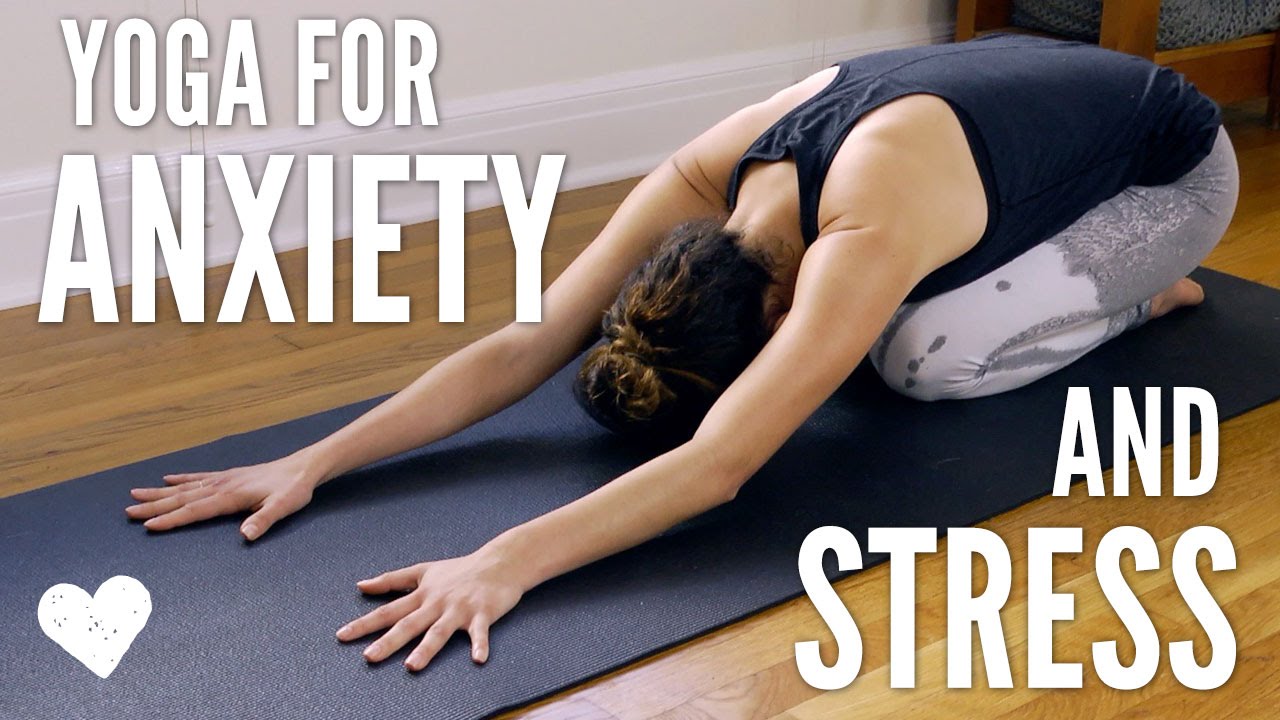
- Yoga – Combines breathwork, movement, and mindfulness — a triple threat to anxiety.
- Swimming – The rhythmic movement and soothing water can calm a racing mind.
- Dancing – Releases emotional energy and brings joy. Plus, it’s just fun.
- Strength training – Lifting weights builds physical and mental resilience.
How Much is Enough?
Aim for 30 minutes a day, five days a week. But don’t overthink it. Even 10–15 minutes of stretching, dancing, or a quick walk can make a real difference.
And here’s the beauty of it: Exercise doesn’t just treat anxiety — it can actually help prevent it by making your brain more resilient to stress over time. So the next time anxiety tries to take over, try sweating it out instead of spiraling.
Mindfulness and Meditation Techniques
Mindfulness might sound like just another buzzword, but when it comes to anxiety, it’s one of the most powerful tools you’ve got. At its core, mindfulness is about learning to live in the now instead of being trapped in the “what ifs” of the future or the regrets of the past — both common fuel for anxiety.
How Mindfulness Helps Anxiety
When you’re anxious, your brain is usually stuck in overdrive — scanning for danger, replaying conversations, worrying about the future. Mindfulness slows that whole process down. It teaches you to observe your thoughts without judgment and redirect your attention to the present moment.
Regular practice has been shown to:
- Reduce the size and reactivity of the amygdala (your brain’s fear center)
- Increase gray matter in areas responsible for self-regulation
- Lower cortisol and boost overall emotional balance
Simple Mindfulness Techniques
- Body scan meditation: Focus attention slowly from your toes to your head, noticing tension and releasing it.
- Mindful breathing: Focus only on your breath — the rise and fall, in and out. Use it to anchor yourself in the now.
- Mindful observation: Pick an object (a candle flame, a leaf, even your hand) and observe it in detail without analyzing.
- Loving-kindness meditation: Silently send good wishes to yourself and others. Great for calming anger, guilt, or fear.
How to Start a Meditation Practice
- Start small — even 5 minutes a day can work wonders.
- Use a guided app like Headspace, Insight Timer, or Calm.
- Choose a quiet space where you won’t be interrupted.
- Be consistent — think of it like brushing your mental teeth.
Mindfulness is like a mental gym. The more you train, the stronger your emotional resilience becomes. It’s free, simple, and always accessible — even in the middle of an anxiety attack.
Breathing Exercises for Immediate Calm
Here’s something wild — your breath is one of the only bodily functions you can control and that can control you. That’s why breathing exercises are so effective in managing anxiety. They send direct signals to your nervous system that say, “Hey, it’s okay to calm down now.”
Why Breathing Helps
When you’re anxious, your breathing usually becomes fast, shallow, and stuck in your chest. This kind of breathing actually makes anxiety worse by increasing your heart rate and activating your fight-or-flight response.
Deep, slow breathing does the opposite. It activates your parasympathetic nervous system (aka rest and digest mode), lowering your heart rate and blood pressure almost instantly.
Top Breathing Techniques for Anxiety
Box Breathing (4-4-4-4):
- Inhale for 4 seconds
- Hold for 4 seconds
- Exhale for 4 seconds
- Hold for 4 seconds
- Repeat for 4–5 rounds
4-7-8 Breathing:
- Inhale through your nose for 4 seconds
- Hold your breath for 7 seconds
- Exhale slowly through your mouth for 8 seconds
- Do 4 rounds
Diaphragmatic Breathing:
- Place one hand on your chest and one on your belly
- Inhale deeply so your belly (not chest) rises
- Exhale slowly and completely
- Repeat for 5–10 minutes
When to Use These Techniques
- Right before a stressful event (like public speaking)
- During a panic attack
- To wind down before sleep
- Anytime you feel overwhelmed
You carry your breath with you everywhere. That means you’ve always got a tool to calm anxiety — literally right under your nose.
Journaling and Emotional Release
Ever feel like your mind is a web of tangled thoughts you just can’t untie? That’s where journaling comes in. Writing your thoughts out on paper is like opening a release valve for your anxious brain. It gives your inner world a place to land — and it works.
How Journaling Helps Anxiety
When you write down your thoughts, you’re not just venting — you’re processing. Journaling helps you:
- Identify anxious patterns
- Separate fear from fact
- Gain clarity on what’s really bothering you
- Track your progress and triggers over time
Plus, the simple act of writing slows your thinking down, making space between you and your thoughts. That space is where peace lives.
Types of Journaling for Anxiety
- Stream of consciousness: Set a timer and write whatever comes to mind. No filter, no judgment.
- Gratitude journaling: Write 3 things you’re grateful for every day. This rewires your brain toward positivity.
- Anxiety logs: Track your triggers, symptoms, and responses. Useful for noticing patterns.
- Prompt-based journaling: Use questions like:
- What am I afraid of right now?
- What can I control?
- What does my anxiety want to tell me?
How to Make it a Habit
- Keep your journal by your bed
- Don’t overthink spelling, grammar, or structure
- Use a paper notebook or a journaling app — whatever feels easiest
Journaling is like having a free therapist who’s always available. And the more you do it, the more emotionally “clean” and calm your mental space becomes.
CBD Oil: Nature’s Newest Remedy
CBD oil has taken the wellness world by storm, and for good reason. Derived from the hemp plant (a cousin of marijuana), CBD — short for cannabidiol — is a non-psychoactive compound that interacts with the body’s endocannabinoid system to promote balance and calm. Unlike THC, CBD won’t get you high, but it will help take the edge off anxiety in a natural and gentle way.
How CBD Oil Helps with Anxiety
CBD interacts with receptors in the brain (such as CB1 and serotonin receptors) that influence mood, fear response, and stress. Research shows it can:
- Reduce social anxiety and fear in stressful situations
- Decrease cortisol levels
- Improve sleep quality
- Enhance mood and emotional regulation
In a 2019 study published in The Permanente Journal, 79% of participants reported reduced anxiety after using CBD for just one month. And these weren’t minor results — many experienced life-changing relief.
Types of CBD Products for Anxiety
There are several ways to take CBD, depending on your needs and preferences:
- CBD oil/tinctures: Fast-acting and easy to dose. Place drops under your tongue for quick absorption.
- Capsules or softgels: Great for daily routines and precise dosing.
- Edibles: Gummies, chocolates, and drinks are fun but take longer to kick in.
- Vapes: Provide rapid relief, though not ideal for long-term lung health.
- Topicals: Not typically used for anxiety, but good for localized stress or tension relief.
Tips for Choosing Quality CBD
- Look for full-spectrum or broad-spectrum products (they contain other beneficial cannabinoids).
- Choose brands that provide third-party lab testing.
- Start with a low dose (e.g., 10–20 mg/day) and gradually increase.
- Be patient — it may take a few days or weeks to notice the full effects.
CBD isn’t a miracle cure, but for many people, it fills the gap between mild anxiety and prescription medication. Just be sure to consult your doctor if you’re on other meds, as CBD can interact with them.
Creating a Daily Routine for Mental Peace
Let’s be honest: anxiety thrives in chaos. The more unpredictable your day, the more opportunities anxiety has to sneak in and take over. That’s why creating a daily routine can be one of the most effective ways to bring stability, predictability, and peace into your life.
Why Routines Help Reduce Anxiety
Routines offer structure. They reduce decision fatigue and help you move through your day with purpose rather than panic. When your brain knows what to expect, it doesn’t have to stay on high alert.
Plus, daily habits — even small ones — build momentum. They signal to your brain that you’re in control, capable, and safe.
Elements of an Anxiety-Reducing Routine
Morning rituals: Start your day on purpose, not by accident. Try:
- Stretching or light movement
- A short mindfulness or gratitude practice
- A nourishing breakfast (skip the sugar and caffeine overload)
Workday structure:
- Time-block tasks to reduce overwhelm
- Schedule breaks to breathe and reset
- Use music or aromatherapy to stay focused and calm
Evening wind-down:
- Power down screens at least an hour before bed
- Practice a relaxation ritual (tea, journaling, or a warm bath)
- Go to sleep at the same time every night
Weekend check-ins:
- Reflect on what worked and what didn’t
- Adjust your routine as needed
- Schedule downtime and self-care
Start Small, Stay Consistent
You don’t need a “perfect” routine — just a stable one. Begin by adding one or two calming rituals to your day, then build from there. Over time, these little habits can rewire your nervous system and make peace your new normal.
When to Seek Professional Help
Let’s get real for a minute. While natural remedies are amazing and can dramatically reduce anxiety for many people, there are times when anxiety becomes too big to handle alone. And that’s okay.
Knowing when to seek professional help isn’t a sign of weakness — it’s a sign of wisdom and strength.
Signs You Might Need More Support
- Anxiety is interfering with your daily life or relationships
- You’re having panic attacks regularly
- You’re unable to work, eat, or sleep because of anxiety
- Self-help techniques aren’t working
- You’re feeling hopeless, depressed, or thinking about self-harm
Mental health professionals — therapists, counselors, and psychiatrists — are trained to help you navigate anxiety using tools like cognitive behavioral therapy (CBT), exposure therapy, and, if needed, medication.
How Natural and Professional Approaches Can Work Together
Here’s the good news: you don’t have to choose between natural and medical. In fact, many people benefit most from a blended approach.
For example:
- Use therapy to uncover root causes while using herbs or breathing exercises for symptom relief.
- Take prescribed medication as needed while supporting your body with nutrition, exercise, and CBD.
- Practice meditation alongside weekly counseling sessions.
There’s no shame in getting help. You deserve peace, and sometimes that peace starts with a conversation with someone who understands.
FAQs about Natural Remedies for Anxiety
1. Can natural remedies completely cure anxiety?
Natural remedies can greatly reduce anxiety symptoms and improve overall well-being, but they may not be a full “cure” for everyone. They work best as part of a consistent, holistic approach — and sometimes alongside professional care.
2. How long does it take for natural remedies to work?
It depends on the remedy. Some (like breathing exercises or aromatherapy) work almost immediately. Others, like herbs or dietary changes, may take a few days to several weeks to show noticeable results.
3. Is it safe to combine different natural remedies for anxiety?
Yes, many people combine remedies (like herbal teas + journaling + CBD). However, it’s important to research or consult a healthcare professional, especially if you’re pregnant, nursing, or taking medications.
4. What’s the best herb for anxiety if I have trouble sleeping?
Valerian root, chamomile, and passionflower are excellent choices for anxiety-related insomnia. They help calm the nervous system and support better sleep without dependency.
5. Are natural remedies safe for long-term use?
Most natural remedies are safe for daily, long-term use when taken correctly. That said, some herbs can interact with medications or aren’t suitable for certain health conditions, so it’s wise to check in with a professional if unsure.
Conclusion
Anxiety is real, and it’s exhausting — but it’s also manageable. You don’t have to live in a constant state of stress, fear, or overwhelm. Nature has gifted us with powerful tools: calming herbs, breathwork, nourishing food, soothing scents, grounding rituals, and ancient practices that still work wonders today.
The key is to start small. Pick one or two natural remedies that speak to you and integrate them into your daily life. Build habits slowly. Pay attention to what feels good, and let go of what doesn’t.
And remember — healing isn’t linear. Some days will be harder than others, but every time you choose to support your mental health naturally, you’re building a stronger, calmer version of yourself.
So take a deep breath. You’re not alone, and you’ve got more power than you think.