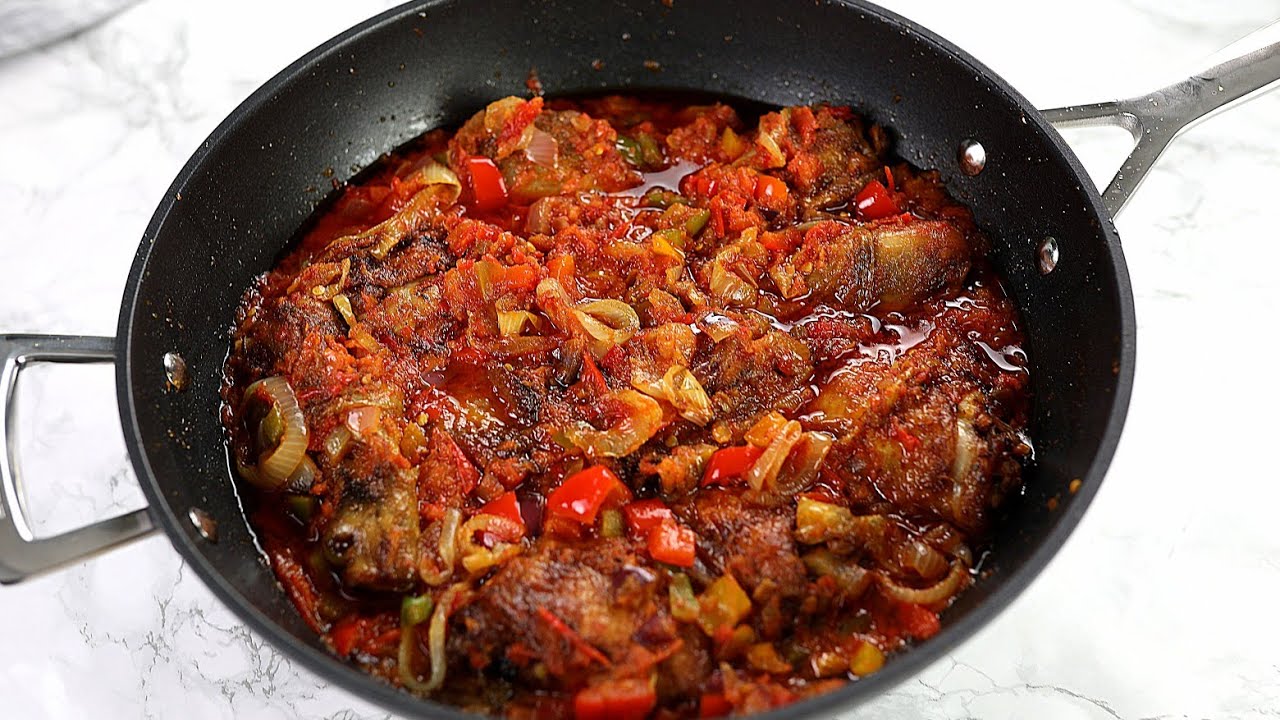
Pepper Chicken Recipe: Pepper Chicken—just hearing those words might make your mouth water. It’s one of those dishes that feels like a warm hug in every bite. Packed with bold spices, especially freshly ground black pepper, this dish is a staple across South Indian and Southeast Asian kitchens. It’s known for its fiery yet flavorful punch, and the best part? You can whip it up in under an hour, making it a weeknight favorite or even a weekend indulgence.
What makes pepper chicken so beloved is its versatility. You can serve it dry as a spicy appetizer or cook it with gravy to pour over rice. It can be adjusted for mild or bold spice lovers. Unlike curries that need a long list of ingredients, pepper chicken is straightforward, letting black pepper be the hero of the dish.
Whether you’re a beginner home cook or a seasoned chef looking to add variety to your menu, pepper chicken never disappoints. It’s rich, aromatic, spicy, and downright addictive when made right. Ready to dive into your new favorite dish?
Health Benefits of Pepper Chicken
Who said delicious food can’t be healthy too? Pepper chicken is a fantastic option for anyone looking for a protein-packed meal without going heavy on carbs. Chicken, especially lean cuts like chicken breast, is a rich source of high-quality protein which is essential for muscle repair, energy, and even weight loss.
But let’s not forget the real star here—black pepper. Often called the “king of spices,” black pepper does more than just add heat. It contains piperine, a compound known for its antioxidant and anti-inflammatory properties. It can aid digestion, improve nutrient absorption, and even has mild fat-burning capabilities.
If you’re using garlic, ginger, and onions, you’re also adding in more immunity-boosting ingredients. All of these work together to make pepper chicken not just a treat for your taste buds, but a smart choice for your health too. Eat guilt-free, enjoy thoroughly.
List of Ingredients You’ll Need
Let’s talk ingredients. The beauty of pepper chicken lies in its simplicity. Here’s a breakdown of what you’ll need:
Main Ingredients:
- 500 grams of chicken (preferably boneless or with small bones)
- 2 tablespoons oil (coconut oil or any neutral oil)
- 1 large onion (finely chopped)
- 2 green chilies (slit)
- 1 tablespoon ginger-garlic paste
- 1 teaspoon turmeric powder
- 1 tablespoon coriander powder
- 1 teaspoon cumin powder
- Salt to taste
- 1 teaspoon garam masala (optional)
- 1-2 teaspoons freshly crushed black pepper (adjust to taste)
- Fresh coriander or curry leaves for garnish
Optional Ingredients for Variations:
- 1 tablespoon yogurt or lemon juice (for marinade)
- 1/4 cup water (for gravy version)
- 1/2 teaspoon fennel seeds (adds a unique flavor)
- 1 small tomato (if you want a slightly tangy base)
Pro tip: Use freshly ground black pepper instead of store-bought powdered pepper. The difference in aroma and taste is significant and elevates the whole dish.
Equipment You’ll Need
Cooking pepper chicken doesn’t require any fancy gadgets. But here are a few essentials to make your job easier:
- A deep non-stick pan or kadai
- Sharp kitchen knife
- Cutting board
- Mixing bowls
- Spatula or wooden spoon
- Grinder (for freshly crushing black pepper)
If you like your pepper chicken really smooth and restaurant-style, a food processor for onions can help create a paste-like texture, but it’s totally optional.
Step-by-Step Guide to Making Pepper Chicken
Alright, let’s roll up those sleeves and start cooking. Follow these steps for a no-fail pepper chicken recipe that delivers on flavor every single time.
1. Preparing the Chicken
First things first—clean your chicken pieces thoroughly. If using bone-in, make sure the pieces are small so they cook quickly and absorb flavors better. Pat the chicken dry using paper towels. This is important for a good sear later.
2. Marinating for Flavor
Marination is optional but recommended if you want deeper flavor. In a bowl, add:
- Chicken pieces
- ½ tsp turmeric
- ½ tsp salt
- ½ tsp black pepper
- 1 tbsp yogurt or lemon juice
Mix well and let it rest for at least 30 minutes. You can skip this if you’re in a hurry, but trust me, it makes a difference.
3. Sautéing Onions and Spices
Heat oil in a pan over medium heat. Once hot, add:
- Fennel seeds (if using)
- Chopped onions
Sauté until golden brown. Don’t rush this step—well-cooked onions create a sweet, caramelized base that balances the heat of black pepper.
Now add ginger-garlic paste and slit green chilies. Cook for 2-3 minutes until the raw smell disappears.
4. Cooking the Chicken
Add the marinated (or raw) chicken to the pan. Stir well to coat the chicken in the onion-spice mix. Cook on high for 5-7 minutes to brown the chicken pieces slightly.
Lower the heat, cover the pan, and let the chicken cook in its own juices for 10-15 minutes. Stir occasionally to prevent burning.
5. Adding Black Pepper
Now the magic happens. Sprinkle freshly ground black pepper generously (start with 1 tsp, and increase as desired). Add garam masala if using.
Mix thoroughly and let the pepper infuse into the chicken. The aroma at this stage is incredible.
6. Simmering for Perfect Texture
If you’re making a dry version, cook until all the liquid evaporates, and oil starts separating from the masala.
For a gravy version, add about ¼ cup water and let it simmer for 5 more minutes.
Adjust salt and spice levels. Taste test is key here—don’t be afraid to tweak.
7. Garnishing and Final Touch
Turn off the heat. Sprinkle chopped coriander or fresh curry leaves. Give it a final stir and let it rest for a few minutes before serving. This resting time lets the flavors settle and deepen.
Tips for the Best Pepper Chicken
Making pepper chicken isn’t rocket science, but a few insider tips can make it go from “just good” to “absolutely irresistible.” Let’s break it down.
Choose the Right Chicken Cut
The cut of chicken you use can make a big difference. Boneless chicken breast cooks faster and is easier to eat, especially if you’re making a dry pepper chicken. But for a richer, more flavorful result, chicken thighs or bone-in pieces are unbeatable. They release juices while cooking, blending with spices to form a natural gravy—even if you’re not making a curry.
Balance the Spice
Black pepper is the star, but don’t let it overpower the dish. Start with a teaspoon of freshly ground black pepper and increase gradually. Remember, pepper has a sharp heat that builds up. If you’re cooking for kids or spice-sensitive folks, go easy on the green chilies or skip them altogether.
Don’t Overcook the Chicken
Overcooking makes the chicken dry and chewy—especially true with breast meat. Keep an eye on the time and check the texture. Once it turns opaque and firm, it’s cooked.
Caramelize Those Onions
Patience is key. Let your onions caramelize slowly until they turn a deep golden brown. This step enhances the sweetness and complexity of the dish, balancing out the spice from the pepper.
Use Freshly Ground Pepper
We can’t stress this enough. Pre-ground pepper lacks the punch and aroma of freshly cracked peppercorns. Use a mortar and pestle or even a rolling pin to crush whole peppercorns for a more rustic, bold flavor.
Garnish Like a Pro
Fresh curry leaves or coriander at the end don’t just make it look good—they add a fresh burst of flavor that ties everything together beautifully.
These little tweaks may seem small, but when you combine them, the result is next-level pepper chicken. Every single bite will make you want more.
Different Styles of Pepper Chicken
Think pepper chicken is a one-style dish? Think again! Across India and other parts of Asia, there are multiple variations of this flavorful dish—and each one has its own twist.
South Indian Style
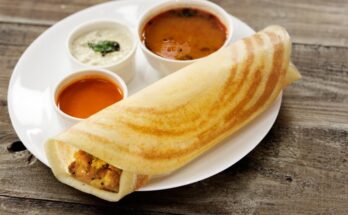
This version is all about bold spices. It uses curry leaves, mustard seeds, and often includes coconut oil to give it a distinct southern touch. Some even add crushed fennel seeds or dry red chilies for added heat. The result? A fiery and aromatic dish that pairs perfectly with rice or dosa.
Andhra Style Pepper Chicken
Andhra-style is not for the faint-hearted. It’s typically hotter than other versions, often using red chili powder in addition to black pepper. Tamarind pulp may also be added for a tangy edge. The Andhra version is perfect for spice lovers who like their food with a strong punch.
Dry vs. Gravy Versions
- Dry Version: Perfect as a starter or side dish. It’s spicy, coated in thick masala, and great with roti or naan.
- Gravy Version: Slightly watered down, more saucy, and ideal to pour over rice. You can control the thickness by adjusting how much water or stock you add toward the end.
You can even adapt the recipe based on your mood—go dry for appetizers and go gravy for a satisfying main course.
Serving Suggestions
So, your pepper chicken is done and smelling divine. But what should you serve it with to make it a full meal? Let’s explore some pairing ideas.
With Rice
- Steamed Rice: A classic combo. The fluffy rice absorbs all the rich flavors of the pepper chicken gravy.
- Jeera Rice: Want something a little fancier? Jeera (cumin) rice is simple, fragrant, and complements the peppery kick.
- Ghee Rice or Coconut Rice: For South Indian-style pepper chicken, these rice options add depth and richness.
With Indian Breads
- Chapati or Roti: Great for scooping up dry or semi-dry versions.
- Naan or Paratha: A heavier, more indulgent choice. Butter naan with spicy pepper chicken? Yes, please!
Other Sides
- A fresh cucumber and onion salad
- Raita (yogurt dip) to cool down the heat
- Pickles and papad for that Indian thali feel
Whether you’re serving it for a quiet dinner or at a party, pepper chicken holds its own and shines with the right accompaniments.
Pepper Chicken with Rice or Roti?
This is the age-old question. Which one is better: pairing pepper chicken with rice or roti?
The answer really comes down to the version you’re making and your personal preference.
- Dry Pepper Chicken: Perfect with chapati, paratha, or naan. The spicy masala clings to the bread and gives every bite a kick.
- Gravy Pepper Chicken: Ideal with basmati rice, jeera rice, or even ghee rice. The sauce blends beautifully with the grains.
My take? Make both! Serve the dry version as an appetizer with naan and the gravy version as a main course over rice. You can never go wrong with variety on the table.
How to Store Leftovers
Made too much? No worries! Pepper chicken stores well, and in many cases, tastes even better the next day.
Refrigeration Tips:
- Let the dish cool completely before storing.
- Transfer to an airtight container.
- Store in the fridge for up to 3 days.
Reheating Tips:
- Reheat in a pan on low flame. Add a splash of water to revive the gravy if it’s too thick.
- Microwave works too, but be sure to cover it with a lid to avoid drying it out.
Avoid reheating more than once. Always take out just the portion you need.
Pepper Chicken for Meal Prep
Want a meal that works for both dinner and lunchboxes? Pepper chicken is your go-to.
- Make in bulk: Double the recipe and portion it into containers.
- Freeze for later: Pepper chicken freezes well for up to a month. Just make sure to cool it before freezing.
- Defrosting: Let it thaw in the fridge overnight or microwave on defrost mode.
Great for busy weekdays or lazy weekends—just heat, eat, and enjoy!
Variations and Substitutes
Pepper chicken is incredibly versatile. You can customize it based on dietary preferences, availability of ingredients, or simply to experiment with different flavor profiles. Let’s explore some creative and equally delicious variations of this classic dish.
Vegetarian or Vegan Alternatives
Want to skip the meat? No problem. You can still enjoy all the bold, peppery flavors with vegetarian options.
- Paneer Pepper Fry: Paneer (Indian cottage cheese) is a fantastic substitute. It absorbs spices well and gives a satisfying bite. Simply cube and pan-fry the paneer before tossing it with the same masala.
- Mushroom Pepper Masala: Mushrooms have a meaty texture and earthy flavor that complements the black pepper perfectly. Use button or oyster mushrooms for best results.
- Tofu Pepper Stir-Fry: For a vegan version, tofu works great. Firm tofu holds up well during cooking and soaks up the peppery marinade like a sponge.
Seafood Variants
Looking for something lighter than chicken? Seafood is an excellent match.
- Pepper Shrimp: Shrimp cooks quickly and tastes divine with spicy masala. Make sure not to overcook them—they turn rubbery fast!
- Fish Pepper Fry: Boneless fish fillets like tilapia or salmon can be marinated and pan-fried with the same spice blend. Use a firm fish so it doesn’t break apart.
Low-Carb or Keto Options
If you’re on a keto or low-carb diet, you can skip the onions (or reduce them) and use more spices and herbs to keep it flavorful. Serve it with cauliflower rice or a simple side of sautéed spinach.
Swap Out Spices or Add New Ones
- Not a fan of coriander? You can reduce it or replace it with a pinch of cinnamon or clove for a deeper aroma.
- Add a spoon of coconut milk for a creamy South Indian twist.
- Use pepper blends—mix black, white, and green peppercorns for complexity.
There’s no one right way to make pepper chicken. That’s the beauty of it. You can adapt it endlessly to suit your mood, pantry, or guests—and it’ll still be amazing.
Nutritional Information (Per Serving)
Here’s a general breakdown of the nutritional content in one serving of pepper chicken (about 1 cup), assuming it’s made with lean chicken breast and minimal oil:
| Nutrient | Amount (Approx.) |
|---|---|
| Calories | 280-320 kcal |
| Protein | 25-30 grams |
| Fat | 15-18 grams |
| Carbohydrates | 5-8 grams |
| Fiber | 1 gram |
| Sodium | Depends on salt used |
| Vitamin C | 10% RDI |
| Iron | 8-10% RDI |
Note: These values can change depending on the quantity of oil, type of chicken cut, and other additions like yogurt or coconut milk.
Pepper chicken is relatively low in carbs, making it perfect for high-protein diets. The spices used also offer numerous health benefits—from boosting metabolism to aiding digestion.
Common Mistakes to Avoid
Even a simple dish like pepper chicken can go sideways if you’re not careful. Here are some common slip-ups and how to dodge them:
1. Overusing Black Pepper
Yes, pepper is the hero, but too much of it will turn your dish bitter and overly spicy. Always start with less and taste before adding more.
2. Skipping the Marination
It’s tempting to jump straight into cooking, but marinating—even for 15 minutes—makes a big difference. It tenderizes the meat and enhances flavor.
3. Overcooking the Chicken
This is a big one. Chicken, especially breast meat, can become dry if overcooked. Always cook on medium flame and remove it from heat as soon as it’s done.
4. Not Caramelizing the Onions Properly
Under-cooked onions can ruin the texture and taste. Take your time to cook them down until golden brown—it’s worth it.
5. Using Old Spices
Spices lose potency over time. For the best flavor, make sure your pepper is fresh. Whole peppercorns are best, ground just before use.
6. Ignoring the Resting Time
Once the dish is done, let it sit for 5–10 minutes. This lets the flavors settle and improves the overall taste.
By avoiding these common mistakes, your pepper chicken will turn out perfect—flavorful, juicy, and just the right level of spicy.
FAQs about Pepper Chicken Recipe
1. Can I use boneless chicken for pepper chicken?
Absolutely! Boneless chicken, especially breast or thigh pieces, cooks faster and is easier to eat. Just be careful not to overcook it, as it can dry out quickly.
2. How spicy is pepper chicken?
Pepper chicken can be as spicy or as mild as you want. The main heat comes from black pepper and green chilies. You can easily adjust both to match your spice tolerance.
3. Can kids eat pepper chicken?
Yes, but you might want to reduce the amount of black pepper and skip the green chilies. Make a milder version and add extra spice to the adult portions later if needed.
4. What’s the difference between black and white pepper in recipes like this?
Black pepper has a stronger, spicier flavor, while white pepper is milder and more earthy. Stick with black pepper for that signature bold taste in pepper chicken.
5. Can I make pepper chicken in an air fryer?
Yes, especially the dry version. Marinate the chicken, air-fry it at 180°C (350°F) for 15-20 minutes, and then toss it in the pepper masala on the stovetop for a crispy yet saucy finish.
Conclusion
There you have it—a complete, step-by-step guide to making mouthwatering pepper chicken. Whether you’re going for a dry, crispy version or a saucy, gravy-laden one, this dish is a celebration of spice, simplicity, and pure comfort.
From the health-conscious eater to the spice lover, pepper chicken satisfies on every level. It’s quick enough for a weekday dinner but impressive enough for a special occasion. Plus, the variations are endless—you can tweak it to suit every taste and dietary preference.
So the next time you’re wondering what to cook that’s flavorful, quick, and hits all the right notes—go for pepper chicken. Trust me, once you try it, it’ll become a regular feature on your table.