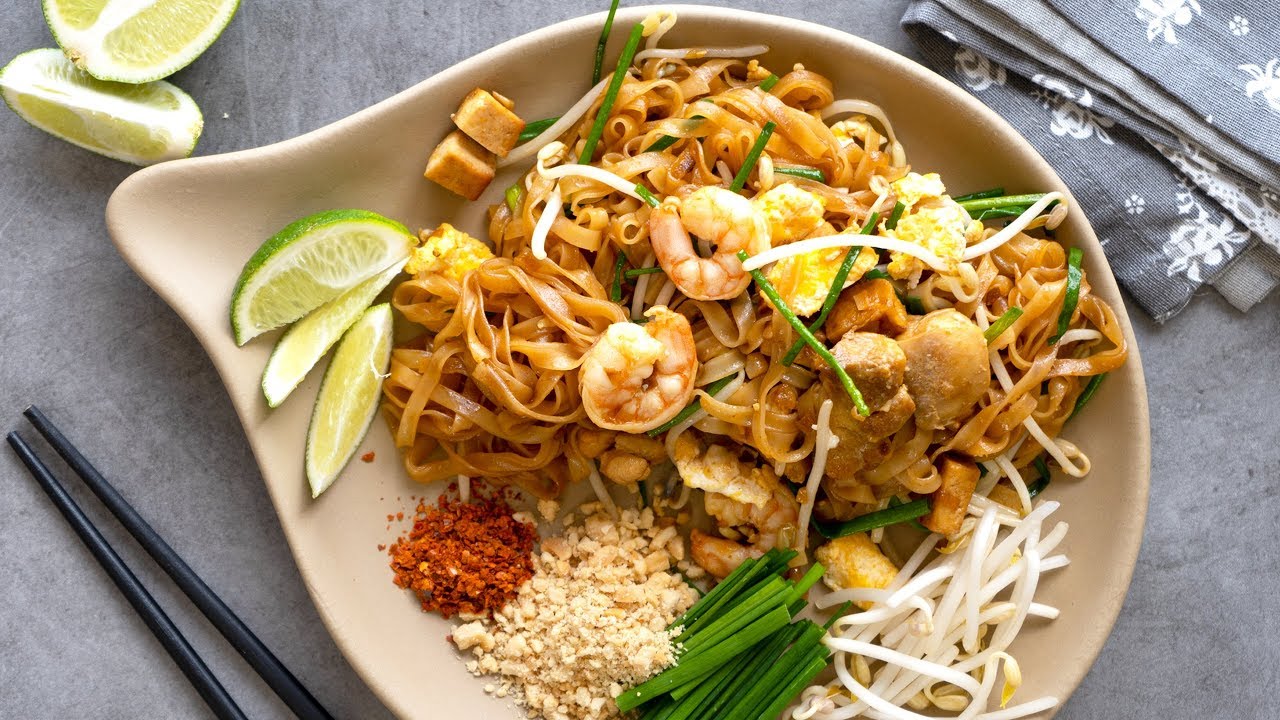
Pad Thai Noodles Recipe: Pad Thai isn’t just a dish – it’s a global culinary superstar. You’ve seen it on menus at every Thai restaurant, and chances are, you’ve tried it at least once and instantly fell in love. With its sweet, savory, tangy, and slightly spicy flavor combo, it’s no wonder why Pad Thai is considered Thailand’s national dish. Whether you’re a die-hard foodie or just someone looking to spice up your dinner game, Pad Thai brings restaurant-quality flavors right into your kitchen – no passport required.
This dish isn’t complicated, but it’s all about balance. Balance in flavor. Balance in texture. And balance in prep and cooking. If you’ve ever been intimidated to try making Pad Thai at home, don’t be. You just need the right ingredients, a bit of guidance (which I’m giving you right now), and the willingness to taste as you go.
Let’s be honest — store-bought Pad Thai can’t hold a candle to the homemade version. Plus, when you make it yourself, you control what goes in. Want it spicier? Go for it. Don’t eat meat? No problem. You can personalize it to your heart’s content. But first, let’s talk about why this dish is such a crowd-pleaser.
What Makes Pad Thai So Popular?
So why do people rave about Pad Thai? Well, it’s one of those rare dishes that ticks all the boxes. You get:
- Sweetness from palm sugar or brown sugar.
- Tanginess from tamarind paste.
- Saltiness from fish sauce or soy sauce.
- Heat from chili flakes.
- Crunch from peanuts and bean sprouts.
- Soft chewiness from the noodles.
It’s a full-on flavor and texture explosion in every bite.
Another reason Pad Thai is beloved? It’s super versatile. It works as a quick weeknight dinner, a hearty lunch, or even as a meal-prep favorite for the week. You can make it with shrimp, chicken, tofu, or even just eggs if you’re on a budget or cooking from scraps in your fridge. It’s the dish that adapts to you.
Health Benefits of Pad Thai (When Made Right)
Sure, Pad Thai can be indulgent if you go heavy on oil or sugar, but it can also be a balanced, nutritious meal when done right. Let’s break down the perks:
- Protein-packed: Tofu, chicken, shrimp, or even a scrambled egg adds lean protein.
- Vegetable-rich: Bean sprouts, green onions, carrots, and more can boost your fiber and nutrient intake.
- Complex carbs: Rice noodles provide lasting energy, and you can even opt for brown rice noodles for a healthier twist.
- Healthy fats: The peanuts on top aren’t just tasty—they provide heart-healthy fats and extra protein.
If you watch your portion sizes, use minimal sugar, and don’t drown it in oil, Pad Thai can be a regular feature on a healthy menu.
List of Ingredients You’ll Need
Time to get real: you can’t make Pad Thai without a proper ingredient list. But don’t worry—you’ll find most of these at your local grocery store, and the rest are easily available at any Asian market or online.
Proteins Options for Pad Thai
Choose one or combine a couple:
- Boneless chicken thighs or breasts (sliced thin)
- Shrimp (peeled and deveined)
- Extra firm tofu (pressed and cubed)
- Eggs (for that rich, scrambled texture)
Optional: Pork or beef strips (though less traditional)
Vegetables for a Fresh Crunch
You can go classic or mix it up depending on your fridge:
- Bean sprouts
- Green onions (scallions)
- Shredded carrots
- Bell peppers (optional)
- Garlic chives (if you can find them)
Sauce Ingredients That Make the Magic
This is where the flavor lives:
- Tamarind paste (for that signature tang)
- Fish sauce (or soy sauce for vegetarians)
- Brown sugar or palm sugar
- Lime juice
- Crushed red chili flakes (optional, for heat)
Optional: A splash of rice vinegar for extra tang.
Noodles – The Heart of Pad Thai
Rice noodles are non-negotiable. Go for:
- Flat rice noodles, ¼ inch wide (often labeled as Pad Thai noodles)
- Alternatively: brown rice noodles for a healthier version
Make sure to soak or cook them as per package instructions.
Garnishes to Elevate the Flavor
Don’t skip these – they turn your dish from good to great:
- Crushed roasted peanuts
- Lime wedges
- Fresh cilantro
- Extra chili flakes
- Extra bean sprouts or green onion on top
Essential Tools You’ll Need
Good news: you don’t need a fancy setup to make great Pad Thai. But a few key tools will make the process easier:
- Large nonstick pan or wok
- Spatula or cooking tongs
- Mixing bowls for sauce and prep
- Cutting board and knife
- Strainer (for noodles and rinsing veggies)
Preparation Tips Before You Start Cooking
Before you light that stove, here are a few golden tips:
- Mise en place – This French term just means “everything in its place.” Chop, mix, and measure everything before you start cooking. Pad Thai cooks fast, and you won’t have time to prep mid-stir-fry.
- Soak your noodles ahead of time – Don’t overcook them! They should be pliable but still slightly firm. They’ll finish cooking in the pan.
- Scramble eggs separately – You want fluffy scrambled egg pieces, not mush.
- Taste as you go – The sauce should hit that perfect sweet, sour, salty, and spicy balance before you add it to the pan.
Step-by-Step Guide to Making Pad Thai
Ready to get cooking? Follow these steps carefully and you’ll be serving up a plate of authentic, delicious Pad Thai in no time.
Step 1: Soaking the Rice Noodles
Begin by soaking flat rice noodles in warm water for 20–30 minutes until softened but still slightly firm. Drain and set aside. Avoid boiling them, as they will finish cooking in the pan and can become mushy if over-soaked.
Step 2: Preparing Your Protein and Vegetables
Slice your protein of choice—chicken, shrimp, tofu, or a combination. Prep vegetables such as bean sprouts, green onions, and grated carrots. Have everything ready, as Pad Thai cooks quickly once started.
Step 3: Making the Signature Pad Thai Sauce
Whisk together tamarind paste, fish sauce, soy sauce, sugar, and a splash of lime juice. This sweet-salty-tangy mixture is the heart of Pad Thai. Adjust seasoning to your preference.
Step 4: Cooking the Eggs
Heat oil in a large wok or skillet. Push ingredients to one side and crack in two eggs. Scramble lightly until just set. The eggs add richness and help bind everything together.
Step 5: Stir-Frying Everything Together
Add your protein to the pan and cook thoroughly. Toss in the softened noodles and pour the Pad Thai sauce over them. Stir-fry quickly on high heat so the noodles absorb the sauce. Add bean sprouts and green onions last for freshness and crunch.
Step 6: Garnishing and Serving
Serve hot, topped with crushed peanuts, lime wedges, and fresh cilantro. Add chili flakes for extra heat, and enjoy your delicious homemade Pad Thai!
Common Mistakes to Avoid
Even the most experienced home cooks can trip up with Pad Thai. Here are a few pitfalls to dodge:
- Overcooking the noodles: This is probably the most common mistake. Overcooked noodles turn mushy fast, so undercook slightly before stir-frying.
- Too much sauce: A little goes a long way. If you drench the noodles, they’ll turn soggy and sticky.
- Cooking everything at once: Overcrowding leads to steaming instead of stir-frying. Do it in batches if needed.
- Not tasting the sauce: Your taste buds are your best tool. Adjust the sauce before you cook.
- Skipping garnishes: They’re essential to the full Pad Thai experience. Don’t leave them out.
How to Make Vegetarian or Vegan Pad Thai
Plant-based? No problem—Pad Thai easily transforms into a delicious vegetarian or vegan dish with just a few swaps:
Substitutes to Make It Vegan:
- Fish sauce → Soy sauce or tamari (tamari for gluten-free)
- Eggs → Omit or replace with tofu scramble
- Meat or shrimp → Use crispy tofu, tempeh, or just load up on veggies
Add hearty vegetables like:
- Broccoli
- Mushrooms
- Snow peas
- Zucchini
Flavor Boost Tip: Add a splash of soy sauce and a pinch of smoked paprika to the tofu for an umami-rich profile.
Gluten-Free Pad Thai – Is It Possible?
Yes! Authentic Pad Thai is very close to being gluten-free already. Just keep an eye on a few ingredients:
- Use gluten-free tamari instead of soy sauce.
- Double-check your rice noodles to ensure no wheat additives.
- Tamarind paste and fish sauce are usually safe but always check the label.
This makes Pad Thai a great option for people with gluten sensitivities or celiac disease—without sacrificing flavor.
Tips for Meal Prepping Pad Thai
Want to meal prep like a pro? Pad Thai makes a fantastic prep-ahead meal if you follow a few simple tricks:
- Store sauce separately until ready to eat to prevent soggy noodles.
- Keep garnishes aside until serving to keep them fresh and crunchy.
- Cook noodles slightly underdone if you plan to reheat later—this keeps them from going limp.
- Use compartmentalized containers to keep ingredients separated and fresh.
Reheat gently in a pan with a splash of water or extra sauce for best results. Microwave works in a pinch, but stir halfway to ensure even heating.
Best Side Dishes to Serve with Pad Thai
Though Pad Thai can be a full meal on its own, pairing it with side dishes can really complete the experience. Here are a few delicious ideas:
- Thai Spring Rolls – Fresh or fried, they’re a classic starter.
- Tom Yum Soup – A hot, sour soup that complements the sweet-salty notes of Pad Thai.
- Papaya Salad (Som Tum) – Crunchy, spicy, and refreshing.
- Thai Iced Tea – A sweet and creamy drink that balances the spices.
- Steamed Dumplings – A great savory side that won’t overpower your main dish.
Storage Tips – How to Keep Leftovers Fresh
Pad Thai stores surprisingly well, as long as you follow a couple of key tips:
- Cool it quickly – Let it sit at room temp no more than 1 hour before refrigerating.
- Use airtight containers – To prevent the noodles from drying out.
- Store sauce and garnishes separately – If you’re meal prepping.
Pad Thai will keep well in the fridge for up to 3–4 days.
Reheating Pad Thai – Dos and Don’ts
Here’s how to bring your Pad Thai back to life the next day:
Do:
- Reheat in a skillet or wok with a splash of water or extra sauce to revive the noodles.
- Add fresh garnishes after reheating to boost flavor.
Don’t:
- Microwave on high without stirring — you’ll end up with uneven, rubbery noodles.
- Reheat multiple times — this degrades texture and taste.
For best results, reheat just the amount you plan to eat and leave the rest untouched.
FAQs about Pad Thai Noodles Recipe
1. Can I use spaghetti instead of rice noodles?
Technically, yes—but it won’t be traditional. Rice noodles have a chewy, springy texture that’s essential to Pad Thai. Spaghetti can work in a pinch, but you’ll lose some authenticity.
2. Is Pad Thai spicy?
Traditionally, Pad Thai has a mild spice level with the option to crank up the heat using chili flakes. It’s completely adjustable to your taste.
3. What’s the difference between Pad Thai and Drunken Noodles?
Pad Thai is sweet and tangy with tamarind as a key ingredient. Drunken noodles (Pad Kee Mao) are usually spicier, more savory, and use wide rice noodles.
4. How long can I store leftover Pad Thai?
Store leftovers in an airtight container for up to 3–4 days in the fridge. For best quality, reheat in a pan with a splash of water or sauce.
5. Can I freeze Pad Thai?
You can, but it’s not ideal. The texture of the noodles may become mushy when thawed. If you do freeze it, separate out garnishes and wrap tightly.
Conclusion
Pad Thai is more than just another noodle dish—it’s a beautiful harmony of textures and flavors that hits every corner of your palate. Whether you’re making it with juicy shrimp, crispy tofu, or keeping it vegan, this recipe is incredibly adaptable and perfect for weeknight dinners or weekend indulgence.
The best part? You don’t need to be a pro chef or have exotic ingredients. With the step-by-step guide above, you’re more than equipped to whip up authentic Pad Thai at home. It’s delicious, fast, fun to make, and totally customizable.
So grab those rice noodles, fire up your wok, and give your taste buds the ride of their life. You got this.