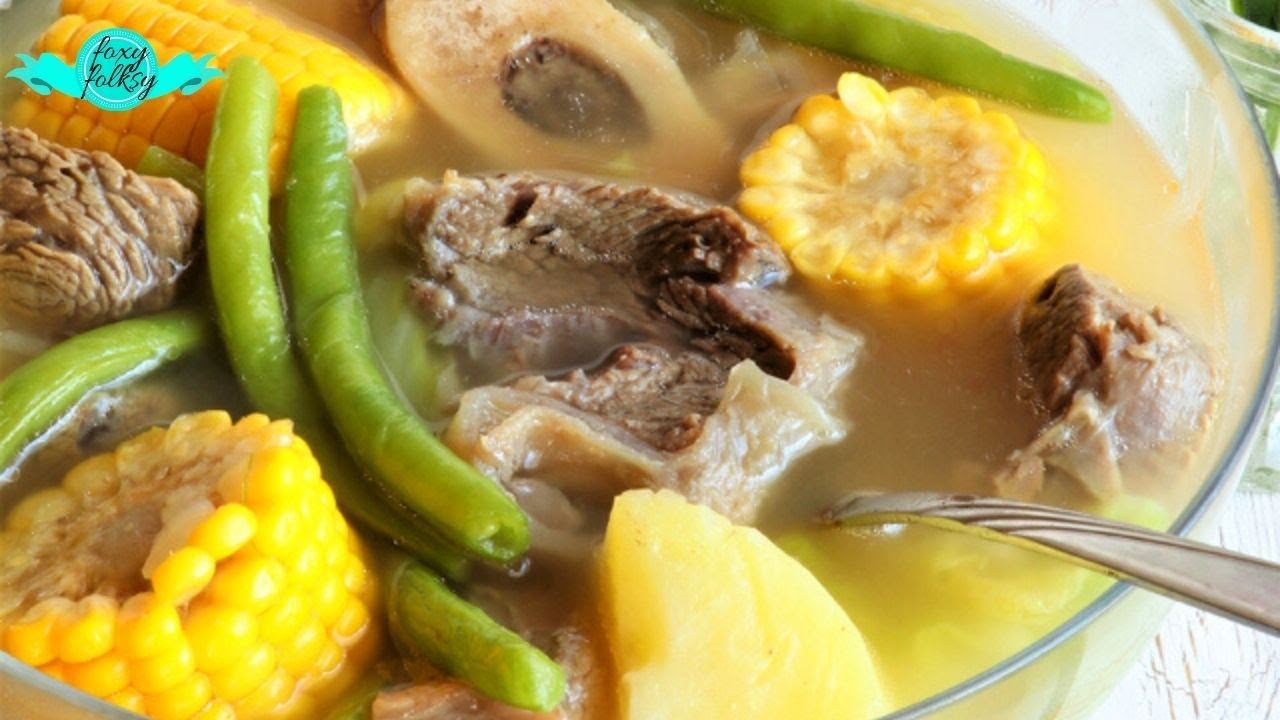
Nilagang Baka Recipe: Nilagang Baka isn’t just food—it’s a Filipino tradition. Ask any Filipino about comfort food, and chances are Nilagang Baka will be one of the first things they mention. It’s the kind of dish that brings back memories of rainy afternoons, family lunches, or a healing meal when you’re feeling under the weather. This simple yet flavorful boiled beef soup has warmed the hearts (and bellies) of generations.
But here’s the beauty of it: Nilagang Baka is incredibly easy to make. With just a handful of ingredients—many of which are pantry staples—you can create a rich, soul-soothing broth that brings out the best in beef and vegetables. It doesn’t matter if you’re a seasoned home cook or just learning your way around the kitchen. This guide will walk you through each step, like a friend by your side, from preparing your ingredients to the very last spoonful.
And the best part? You’ll learn some secrets to elevate your Nilaga from good to unforgettable. So grab your apron, because we’re diving into the step-by-step process of making this classic Filipino beef soup.
Ingredients You’ll Need
Getting the ingredients right is half the battle won when it comes to cooking Nilagang Baka. The recipe is flexible and forgiving, but if you want that traditional taste, start with these essentials.
Essential Ingredients
Here’s a list of what you’ll absolutely need:
- Beef cuts – Choose cuts that are flavorful and have a bit of fat and collagen. Beef shank (with bone), brisket, or short ribs are excellent choices. The bones add depth to the broth.
- Potatoes – A classic ingredient that adds heartiness to the soup.
- Carrots – Brings sweetness and color.
- Cabbage – Napa cabbage or regular green cabbage works great.
- Pechay (Bok Choy) – Offers a tender, leafy texture.
- Whole peppercorns – Essential for that warm, peppery kick.
- Salt and Fish Sauce (Patis) – For basic seasoning.
- Water – It’s the base of your broth, so you’ll need a generous amount.
Optional Ingredients for Added Flavor
Want to add a twist or level up your Nilagang Baka? Here are some extras:
- Corn on the cob – Adds natural sweetness.
- Saba banana – Unripe ones give a starchy texture similar to potatoes.
- Onions and Garlic – Builds more flavor in the base broth.
- Celery – Not traditional but adds aromatic depth.
- Green beans or Baguio beans – Gives the dish a fresh, crunchy contrast.
Tips for Choosing Quality Ingredients
- Beef: Go for cuts with bones and tendons. Ask your butcher for “bulalo” or “beef shank.” The bones enrich the broth with gelatin and flavor.
- Vegetables: Always opt for fresh. Wilted greens or old potatoes will bring the flavor down.
- Fish Sauce: Use a good-quality patis—it makes a difference!
Step-by-Step Guide to Cooking Nilagang Baka
Let’s break it down into manageable, easy-to-follow steps so you can nail this dish every single time.
Step 1: Prepare the Ingredients
Start by gathering everything you need. Clean and chop the vegetables—peel the potatoes, slice the carrots, quarter the cabbage, and separate the pechay leaves. Rinse everything well. Cut the beef into medium-sized chunks, preferably with bone-in pieces like shank or ribs, as these add richer flavor to the broth.
Step 2: Boil the Beef
Place the beef in a large pot and cover with water. Bring it to a boil, allowing the impurities to rise to the surface. Skim off the foam to ensure a clear broth. Once clean, discard the water, refill the pot, and simmer the beef over low heat until tender. This may take 1.5 to 2 hours, depending on the cut.
Step 3: Add Flavor Builders
When the beef begins to soften, add onions, whole peppercorns, and a splash of fish sauce. These ingredients slowly infuse the broth with depth and aroma. Let everything simmer gently so the flavors meld naturally.
Step 4: Add Root Vegetables
Once the broth is flavorful, add the potatoes and carrots. These require more time to cook, so add them earlier. Simmer until they become tender but not mushy.
Step 5: Add Leafy Vegetables
Add the cabbage wedges next, followed by the pechay. Leafy vegetables cook very quickly, so add them just a few minutes before turning off the heat. This helps keep their color and texture intact while preventing overcooking.
Step 6: Season to Taste
Taste the broth and adjust the seasoning by adding more fish sauce or salt as needed. You may also add a little ground pepper or a beef bouillon cube for added richness.
Step 7: Serve Hot and Enjoy
Ladle the Nilagang Baka into bowls, ensuring each serving gets a mix of beef and vegetables. Garnish with fresh green onions if desired. Serve piping hot with steamed rice and a side of patis with calamansi for dipping.
Tips and Tricks for the Best Nilagang Baka
- Use Bone-In Cuts: Bones mean flavor. They release collagen into the broth, which gives it a slightly sticky, rich texture. Shank, ribs, and oxtail are excellent.
- Low and Slow is Key: Simmering gently for 2 to 3 hours allows the meat to become fall-apart tender and the broth to deepen in flavor.
- Skim, Skim, Skim: Don’t forget to remove the scum early in the boil. This is essential for a clean-tasting and clear broth.
- Add Veggies in Layers: To avoid overcooking, add ingredients based on their cook time. Hard veggies first, leafy greens last.
- Use Leftover Broth: The broth gets better the next day! Use it as a base for noodles or freeze it for future use.
Common Mistakes to Avoid
Even with a simple dish like Nilagang Baka, there are pitfalls to avoid:
- Overcooking the Greens – This can make your soup look and taste dull. Always add leafy veggies last.
- Using Tough, Lean Beef – Avoid lean cuts like sirloin or tenderloin. You want cuts with fat and collagen for a richer broth.
- Not Skimming the Broth – It’s tempting to skip this step, but it really does affect the taste and clarity.
- Adding All Ingredients at Once – Big mistake! It will lead to mushy veggies and uneven cooking.
- Underseasoning the Broth – A little fish sauce goes a long way. Don’t be afraid to adjust according to your taste.
Health Benefits of Nilagang Baka
You might be surprised to know that Nilagang Baka isn’t just delicious—it’s nutrient-rich too.
- High in Protein: Thanks to the beef, you’re getting a solid dose of protein that helps with muscle repair and overall energy.
- Rich in Collagen: Bone-in cuts release collagen, which is good for your joints and skin.
- Packed with Veggies: You’ve got cabbage, carrots, potatoes, and more—all of which bring vitamins, minerals, and fiber.
- Hydrating and Nourishing: The broth helps replenish fluids, especially comforting when you’re sick or tired.
So, it’s not just comfort food—it’s also food that takes care of you.
Nilagang Baka Variations You Can Try
Want to shake things up a little? Here are some fun twists on the traditional recipe:
- With Saba Banana – Adds a starchy, slightly sweet touch. Peel and add in Step 4.
- Corn on the Cob – Drop in chopped ears of corn to add sweetness and texture.
- Spicy Nilaga – Add a few slices of red chili or sprinkle chili flakes for a hot version.
- Nilagang Baboy or Manok – Swap out beef for pork or chicken for a lighter variation.
- With Noodles – Ladle the broth and beef over cooked egg noodles for a Filipino-style beef noodle soup.
Best Side Dishes for Nilagang Baka
Wondering what to serve with Nilagang Baka to make it a full Filipino feast? Here are a few delicious options:
- Steamed White Rice – A must-have. It soaks up the broth and completes the meal.
- Spicy Patis Dipping Sauce – Combine fish sauce, calamansi juice, and chopped chilies for the ultimate dipping experience.
- Fried Tofu or Lumpia – Adds texture and contrast to the soft and tender soup.
- Ensaladang Talong (Eggplant Salad) – A fresh, tangy contrast to the richness of the soup.
- Garlic Fried Rice – For a more flavorful carb option, this pairs well with the savory broth.
Storage and Reheating Tips
Leftovers? Great! Nilagang Baka often tastes even better the next day.
- Storage: Let it cool completely, then transfer to an airtight container. Store in the fridge for up to 3 days.
- Freezing: You can freeze Nilagang Baka for up to 1 month. Just don’t include leafy vegetables—they tend to get mushy when thawed.
- Reheating: Simmer gently on the stovetop until heated through. Add fresh greens if the original ones have wilted too much.
FAQs about Nilagang Baka Recipe
1. Can I use a pressure cooker to make Nilagang Baka?
Absolutely! It reduces the cooking time drastically. You can have tender beef in about 45 minutes. Just add the vegetables after pressure cooking to avoid overcooking them.
2. Can I make Nilagang Baka in advance?
Yes! In fact, it tastes even better after a day in the fridge. Just reheat it gently on the stove and adjust the seasoning if needed.
3. Is Nilagang Baka gluten-free?
It can be, as long as you use gluten-free fish sauce and avoid soy-based seasonings. Always check your ingredient labels.
4. Can I freeze Nilagang Baka?
Yes, minus the leafy greens. Freeze the meat and broth separately if possible for best results.
5. What’s the best beef cut for Nilaga?
Beef shank (with bone), brisket, and short ribs are ideal. They provide flavor, tenderness, and a gelatin-rich broth.
Conclusion
Nilagang Baka is more than just boiled beef soup—it’s a dish filled with love, tradition, and nourishment. Whether you’re cooking it for your family on a rainy day or preparing it to impress someone new to Filipino cuisine, it’s always a winner.
The steps are simple, the ingredients are accessible, and the results? Absolutely soul-satisfying. From the rich, flavorful broth to the perfectly tender beef and hearty vegetables, it’s everything you want in a comfort meal.
So, don’t wait for a special occasion. Try this Nilagang Baka recipe today and bring a taste of the Philippines into your home.