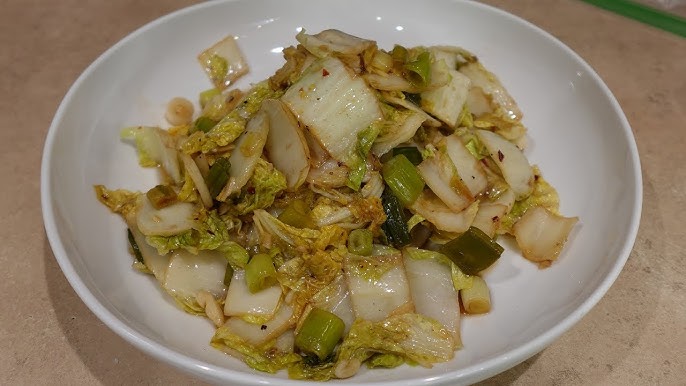
Napa Cabbage Recipe: Let’s talk about a vegetable that often doesn’t get the spotlight it deserves—napa cabbage. Also known as Chinese cabbage, napa cabbage is light, tender, and absorbs flavor like a sponge. If you’ve only had it in a bowl of kimchi, you’re seriously missing out. This leafy veggie is versatile, budget-friendly, and ridiculously easy to cook. Whether you’re tossing it into a stir-fry, adding it to soups, or enjoying it raw in a crunchy salad, napa cabbage brings a mild, slightly sweet taste that plays well with almost any seasoning.
What makes it even better? It cooks quickly. In a world where we’re always chasing fast and healthy meals, napa cabbage stands out. It’s a game-changer for weeknight dinners and meal prep alike. Plus, its high water content means it’s super hydrating, while its crisp texture makes every bite satisfying.
So if you’re looking to expand your veggie game beyond kale and spinach, napa cabbage is your next best friend in the kitchen. Get ready—this step-by-step recipe is going to walk you through everything you need to know to make a delicious stir-fried napa cabbage dish that’s simple, savory, and surprisingly addictive.
Health Benefits of Napa Cabbage
Nutrient-Packed and Low-Calorie
Napa cabbage may be light on calories, but it’s heavy on nutrients. Just one cup has only about 13 calories, but it’s loaded with vitamin C, vitamin K, and folate. It also brings along a good dose of antioxidants, which help combat free radicals and reduce inflammation. In short, this vegetable pulls way more weight nutritionally than you’d expect.
Supports Digestion and Immunity
Thanks to its high fiber content, napa cabbage is excellent for digestion. It helps regulate your gut, promotes healthy bowel movements, and can even aid in reducing bloating. On top of that, it supports immune health. The vitamin C content helps your body fight infections, while its anti-inflammatory properties make it a smart choice if you’re dealing with any kind of chronic health condition.
Common Ways to Use Napa Cabbage
Raw in Salads
Fresh napa cabbage has a crunchy texture and slightly sweet flavor that works beautifully in raw salads. Chop it up and toss it with sesame oil, soy sauce, vinegar, and a sprinkle of sesame seeds for an Asian-inspired slaw.
Stir-Fried
This is where napa cabbage shines. Stir-frying keeps its texture while infusing it with the flavors of garlic, soy sauce, and whatever else you throw in the pan. It takes less than 10 minutes and makes a perfect side dish or base for a protein-packed main course.
Soup and Stews
Because of its tenderness, napa cabbage wilts beautifully in hot broth. Add it during the last few minutes of cooking soups or stews to bulk them up with healthy greens that don’t overpower the dish.
Fermented (Kimchi)
Napa cabbage is the star of the show when it comes to traditional Korean kimchi. Fermented with garlic, chili flakes, and ginger, kimchi is a probiotic-rich superfood that boosts gut health and adds a punch of flavor to any meal.
Ingredients You’ll Need
Here’s what you need for a basic yet delicious stir-fried napa cabbage recipe. These ingredients are pantry staples, so you probably already have most of them on hand.
- 1 head napa cabbage (medium-sized)
- 2 tablespoons vegetable oil (or sesame oil for a nutty flavor)
- 3 cloves garlic, minced
- 1-inch piece of ginger, grated
- 1 small onion, thinly sliced
- 2 tablespoons soy sauce
- 1 tablespoon rice vinegar
- 1 teaspoon sugar (optional, for balance)
- Salt and pepper to taste
- Chopped green onions or sesame seeds for garnish
Want to level it up? Optional add-ins include:
- Mushrooms
- Tofu or tempeh
- Shredded carrots
- Chili flakes for heat
- Crushed peanuts or cashews for crunch
Kitchen Tools Required
To keep things simple and mess-free, gather these tools before you begin:
- Cutting board and knife
- Large wok or skillet
- Mixing bowl
- Wooden spatula or spoon
- Measuring spoons
- Grater for ginger (optional)
Step-by-Step Guide to Make Stir-Fried Napa Cabbage
Step 1: Wash and Prepare the Napa Cabbage
Start by slicing off the root end of the napa cabbage. Peel off any wilted or dirty outer leaves. Rinse each layer thoroughly under running water to remove any dirt or grit. Cut the cabbage lengthwise into quarters, then slice each quarter into bite-sized pieces (about 1 to 2 inches). The thicker white stems will take a little longer to cook than the leafy tops, so consider separating them during cooking.
Step 2: Slice the Aromatics (Garlic, Ginger, Onion)
Finely mince 3 cloves of garlic, grate a 1-inch piece of ginger, and thinly slice 1 small onion. These ingredients are the flavor base for your stir-fry, so don’t skip them. The goal is to release as much fragrance as possible, which elevates the otherwise mild flavor of napa cabbage.
Step 3: Prepare the Sauce
In a small bowl, mix together the sauce ingredients:
- 2 tablespoons soy sauce
- 1 tablespoon rice vinegar
- 1 teaspoon sugar (optional)
- A dash of pepper
This simple sauce brings balance—salty, tangy, slightly sweet—and it soaks into every leaf of cabbage beautifully.
Step 4: Heat the Pan and Cook Aromatics
Place a large skillet or wok over medium-high heat. Add 2 tablespoons of oil and swirl to coat the pan. Once hot, add the garlic, ginger, and onion. Stir-fry for 30 to 60 seconds until everything is fragrant but not burnt. The smell will hit you right in the face—in the best way.
Step 5: Add the Cabbage
Toss in the thicker white parts of the napa cabbage first, since they need a little extra time to soften. Stir-fry them for about 2 minutes, then add the leafy green parts. Keep stirring to ensure everything cooks evenly and doesn’t stick.
Step 6: Stir in the Sauce
Pour in the sauce you prepared earlier. Stir everything so the cabbage is well coated. You’ll notice the cabbage starting to shrink and soak up all the flavor. Let it cook for 3 to 5 minutes, stirring occasionally, until tender-crisp.
Step 7: Simmer and Let Flavors Combine
Lower the heat to medium and let everything simmer for another minute or two. If needed, add a splash of water to loosen things up or create a bit of steam to soften the cabbage further. The sauce should be slightly thickened and glossy by now.
Step 8: Finish with Garnishes
Turn off the heat. Sprinkle on chopped green onions, toasted sesame seeds, or even a dash of chili oil if you like some heat. Serve hot with a bowl of steamed rice or noodles for a complete meal.
Optional Add-Ins for Extra Flavor
Want to make your stir-fried napa cabbage even more exciting? There’s a whole world of flavor upgrades waiting to be explored. Whether you’re craving more texture, heat, or protein, here are some optional add-ins that take this dish from simple to spectacular:
- Mushrooms: Sliced shiitake, cremini, or oyster mushrooms add umami and depth.
- Tofu or Tempeh: For a plant-based protein punch, toss in cubes of tofu or tempeh. Lightly pan-fry them beforehand for best texture.
- Carrots: Julienne or shred carrots for color and natural sweetness.
- Bell Peppers: Thin strips of red or yellow bell peppers not only brighten the dish but also add a mild crunch.
- Chili Flakes or Fresh Chili: For those who love heat, add a pinch of red pepper flakes or thinly sliced chili peppers.
- Crushed Peanuts or Cashews: Sprinkle some roasted nuts on top for added crunch and a touch of richness.
- Oyster Sauce or Hoisin Sauce: For a richer umami flavor, replace or add to soy sauce with a spoonful of these sauces.
With these add-ins, the recipe becomes totally customizable. You can adapt it based on what’s in your fridge or tailor it to your personal taste. That’s the beauty of napa cabbage—it plays well with others.
Tips for Cooking Napa Cabbage Perfectly
Cooking napa cabbage may seem straightforward, but a few tips can make a big difference between a soggy dish and one that’s flavorful, vibrant, and crisp.
- Don’t Overcrowd the Pan: Stir-frying works best in a hot, spacious pan. If your pan is small, cook in batches to avoid steaming the cabbage instead of searing it.
- Cook the Stems First: The white stem parts take longer to cook than the leafy tops. Start with them and add the leaves a couple of minutes later.
- Use High Heat: Quick cooking on high heat helps preserve texture and prevents the cabbage from getting mushy.
- Control the Moisture: Napa cabbage has a high water content. Don’t add too much sauce or water; otherwise, it will become watery. If needed, drain excess liquid before serving.
- Flavor Balance: A touch of acid (like vinegar or lemon juice), a dash of sugar, or a spicy element (like chili flakes) can really wake up the flavor.
By following these tips, you’ll get a stir-fry that’s tender-crisp, savory, and delicious every single time.
How to Store Leftovers
Have leftovers? No worries—napa cabbage stir-fry keeps well and even tastes better the next day as the flavors deepen.
Here’s how to store it:
- Refrigerator: Let the dish cool completely, then store it in an airtight container. It will stay fresh for up to 3–4 days.
- Freezer: You can freeze it, but just a heads-up: the texture may become a bit mushy upon reheating. If you choose to freeze, use a freezer-safe container and eat within 1 month.
- Reheating: Warm in a skillet over medium heat for best texture. You can also microwave it for 1–2 minutes, but it may release more water.
If you’re planning for meal prep, cook the cabbage slightly underdone so it doesn’t overcook when reheated.
What to Serve With Stir-Fried Napa Cabbage
This dish is great on its own, but it’s even better with the right pairings. Here are a few options to round out your meal:
- Steamed Jasmine or Brown Rice: A simple base that absorbs all the flavors of the stir-fry.
- Noodles: Toss the stir-fry with soba, udon, or rice noodles for a satisfying main dish.
- Grilled Chicken or Tofu: A protein source like grilled or baked tofu, chicken breast, or shrimp can turn this side into a complete meal.
- Asian-Inspired Dishes: Think dumplings, spring rolls, or miso soup—these all work beautifully with napa cabbage.
- Fried Egg on Top: Want to level it up in 30 seconds? Add a crispy fried egg with a runny yolk—total game-changer.
Pairing it thoughtfully makes your meal feel restaurant-worthy without any extra stress.
Variations of the Recipe
There’s no one right way to cook napa cabbage. This recipe is just the beginning. Here are a few fun and delicious variations to try:
Spicy Korean-Inspired Napa Cabbage
- Add gochujang (Korean chili paste), sesame oil, and a splash of mirin.
- Top with toasted sesame seeds and green onions.
Garlic Butter Napa Cabbage
- Swap soy sauce for butter and garlic. Add a dash of lemon juice and grated Parmesan for an East-meets-West flavor bomb.
Thai-Style Napa Cabbage
- Use fish sauce, lime juice, brown sugar, and Thai basil.
- Add crushed peanuts for garnish and serve over jasmine rice.
Chinese Hot Pot-Style
- Stir-fry napa cabbage with mushrooms, tofu, and thin-sliced beef or pork.
- Simmer briefly in broth for a cozy, comforting meal.
These variations allow you to keep things interesting while still relying on the humble napa cabbage as the star.
Mistakes to Avoid While Cooking Napa Cabbage
Even a simple dish can go sideways if you’re not careful. Avoid these common pitfalls:
- Overcooking: Napa cabbage cooks fast. Overcooking leads to a mushy texture and bland taste.
- Skipping Aromatics: Garlic, ginger, and onions aren’t optional—they’re essential for flavor.
- Using Too Much Liquid: Less is more when it comes to sauce. Too much and the dish becomes soupy.
- Not Separating Stem and Leaf: Treat them differently. Stems need more time; leaves cook in a flash.
- Undersalting: Napa cabbage is mild, so it needs enough seasoning to shine. Taste and adjust as you go.
Cooking is part art, part science. These little adjustments make a huge difference in the final dish.
FAQs about Napa Cabbage Recipe
Can I eat napa cabbage raw?
Absolutely! It’s crisp and slightly sweet when raw. It’s perfect in salads, slaws, or as a lettuce wrap alternative.
How do I keep napa cabbage from getting soggy?
Cook on high heat, avoid overcrowding the pan, and use just a small amount of sauce or water to maintain that tender-crisp texture.
Is napa cabbage the same as regular cabbage?
Not quite. Napa cabbage has a more delicate texture and sweeter taste compared to the dense, peppery flavor of regular green cabbage.
Can I freeze cooked napa cabbage?
You can, but it’s best eaten fresh. Freezing changes the texture, making it softer and a bit mushy when reheated.
What proteins go well with napa cabbage?
Tofu, tempeh, chicken, shrimp, beef, or even eggs all pair beautifully with napa cabbage in a stir-fry or soup.
Final Thoughts
Napa cabbage might not be the flashiest ingredient, but it’s definitely one of the most versatile and underrated ones in the kitchen. With its soft texture, delicate flavor, and lightning-fast cook time, it’s a weeknight hero that’s healthy, budget-friendly, and endlessly adaptable.
Whether you’re new to cooking or a seasoned home chef, this napa cabbage stir-fry recipe will quickly become a staple in your rotation. It’s that kind of dish—the one you make on busy nights, crave when you want comfort food, and serve to friends when you want to show off something simple yet special.
So next time you spot napa cabbage at the store, don’t pass it up. Grab it, follow this guide, and get ready to fall in love with one of the easiest and tastiest veggie dishes out there.