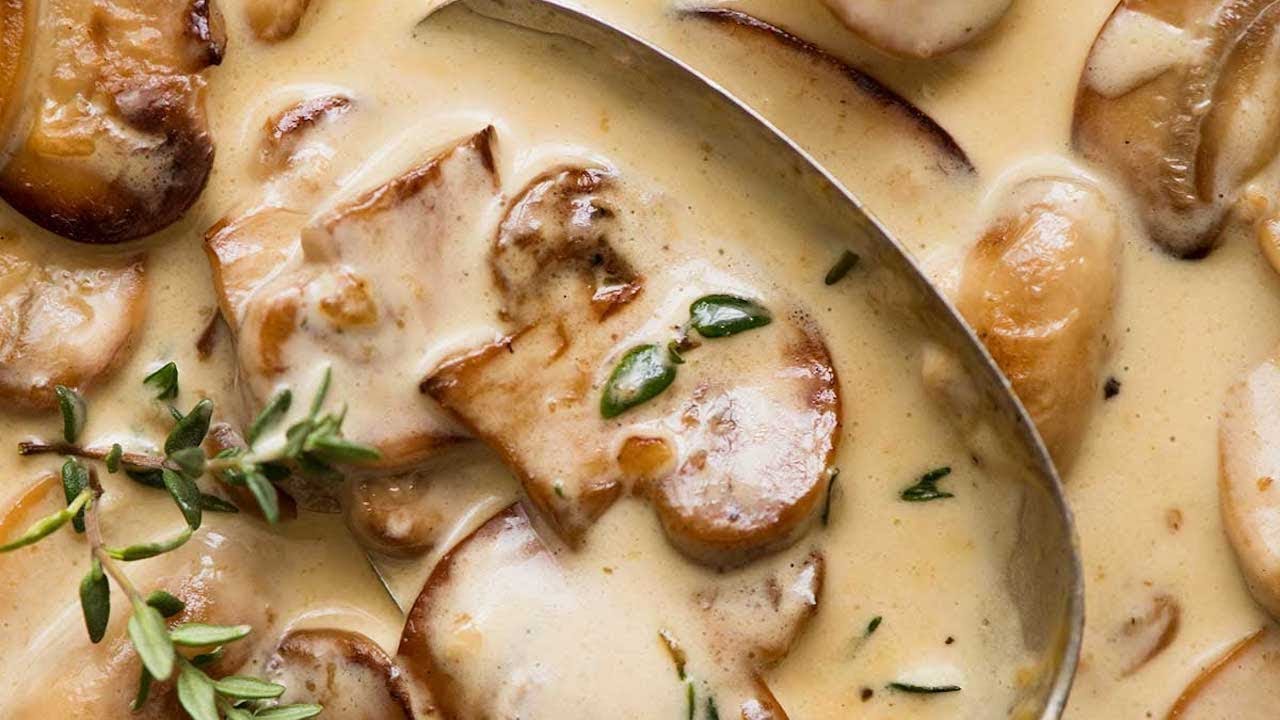
Mushroom Sauce Recipe: Few things in life are as comforting and satisfying as a warm, creamy mushroom sauce poured over your favorite dish. Whether it’s a juicy steak, a bed of mashed potatoes, or a bowl of pasta, this savory delight can take any meal from basic to restaurant-quality in just a few spoonfuls.
What makes mushroom sauce so magical? It’s the deep, earthy flavor of mushrooms paired with rich cream, garlic, herbs, and sometimes a splash of wine. It’s versatile, easy to whip up, and feels gourmet—even when you’re just throwing it over leftover rice.
In this guide, you’re going to learn exactly how to make the perfect mushroom sauce from scratch. We’ll go through the ingredients, tips, cooking steps, and even ways to customize it to your diet or taste. If you’re ready to impress your taste buds (and maybe your guests), let’s dive in.
List of Ingredients You’ll Need
Before you start, gather everything. Mushroom sauce is super forgiving, but having the right ingredients helps it shine. Here’s what you’ll typically need:
Core Ingredients
- Mushrooms – 1 lb (button, cremini, or a mix)
- Butter – 2 tablespoons (or olive oil)
- Garlic – 2-3 cloves, minced
- Shallots or onions – 1 small, finely chopped
- Heavy cream – 1 cup (or full-fat coconut cream for dairy-free)
- Salt & pepper – to taste
Optional Flavor Enhancers
- White wine – 1/4 cup for deglazing
- Vegetable or chicken stock – 1/2 cup
- Fresh herbs – thyme, parsley, rosemary
- Parmesan cheese – for extra richness
Substitutes for Dietary Needs
- Vegan: Replace butter with olive oil or vegan butter, and use plant-based cream.
- Gluten-free: This recipe is naturally gluten-free, just check your stock.
- Low-fat: Use milk and a cornstarch slurry instead of cream.
Always remember: the better the ingredients, the better the sauce. Fresh mushrooms and real cream make a world of difference.
Types of Mushrooms You Can Use
Not all mushrooms are created equal. The type you choose will influence the flavor, texture, and color of your sauce.
Common Choices
- White Button Mushrooms: Mild flavor, great for beginners.
- Cremini (Baby Bella): Richer than button mushrooms, with a deeper earthiness.
- Portobello: Meaty and dense; ideal for bold sauces.
Gourmet Picks
- Shiitake: Umami-rich and perfect for more complex dishes.
- Oyster: Delicate and sweet—works beautifully with white wine sauces.
- Chanterelles or Porcini: Pricier but bring a nutty, forest-like aroma.
Fresh vs Dried
- Fresh mushrooms are best for texture.
- Dried mushrooms (like porcini) offer an intense flavor. Soak them first, and use the soaking liquid in the sauce for added depth.
Mixing a few types is a pro trick—it builds layers of flavor and keeps your sauce from tasting flat.
Kitchen Tools You’ll Need
This recipe is pretty low-tech, but using the right tools will make it easier and more enjoyable.
Essentials
- Large skillet or sauté pan – Non-stick or stainless steel
- Cutting board and sharp knife – For prepping mushrooms and garlic
- Wooden spoon or spatula – For stirring
Optional But Handy
- Garlic press – For faster prep
- Immersion blender – If you want a smooth sauce
- Grater – For adding cheese or zesting lemon for brightness
Set up your kitchen station before starting. Once the sauce starts bubbling, you’ll want everything within reach.
How to Prepare the Mushrooms
You might be tempted to rinse mushrooms under water like any other veggie—but don’t! Mushrooms are like little sponges. Too much water can make them soggy and ruin their flavor.
Step-by-Step Mushroom Prep
- Wipe with a damp paper towel to remove dirt. You can also use a soft mushroom brush.
- Trim the stems if they’re dry or woody.
- Slice evenly—either thick for a meaty texture or thin for a delicate feel.
Sautéing Tips
- Always use a hot pan.
- Don’t overcrowd. Mushrooms need space to brown; otherwise, they’ll steam.
- Cook until they release moisture and turn golden-brown. This usually takes 8-10 minutes.
Golden, caramelized mushrooms are the heart of the sauce—don’t rush this step!
The Base of a Perfect Mushroom Sauce
Once your mushrooms are sautéed to a beautiful golden brown, it’s time to build the base of your sauce. This step is where the aroma truly starts to fill your kitchen—and where flavor begins to layer up.
Fat Matters: Butter or Oil?
Both butter and oil can work, but each brings a different character:
- Butter adds richness, a slight sweetness, and that comforting “home-cooked” flavor.
- Olive oil or neutral oils are perfect for those keeping things dairy-free or vegan.
A great trick? Use a mix of both. Start with a tablespoon of oil to keep the butter from burning, then add butter for depth.
Aromatic Base: Onion & Garlic
This is where you really start crafting the flavor.
- Shallots bring a delicate, slightly sweet taste that complements mushrooms beautifully.
- Yellow onions are a bit stronger but work just fine.
- Garlic? It’s a must. Mince it finely or use a garlic press for convenience.
Sauté the onions first until translucent, then toss in the garlic for the last 30 seconds—just long enough to mellow the sharpness without burning.
Building Flavors
After the aromatics have softened, add your already sautéed mushrooms back into the pan. Stir everything together and let it cook for 2-3 more minutes. This helps all the flavors marry together before the liquids are added.
Now you’re ready for the magic touch: deglazing.
Adding Liquid: Wine, Stock, or Cream?
This is where your sauce goes from simple to luxurious. Choosing the right liquid can define your sauce’s personality.
Deglazing With Wine
Deglazing means adding liquid to the hot pan to lift all those flavorful bits stuck to the bottom. If you’re using wine:
- Dry white wine (like Sauvignon Blanc) adds acidity and complexity.
- Red wine brings boldness—better with beef or rich pasta dishes.
Add about 1/4 cup of wine and let it simmer until mostly reduced. This cooks off the alcohol but leaves behind that unmistakable depth.
Using Stock or Broth
For a lighter sauce or to keep it alcohol-free:
- Use vegetable or chicken broth.
- About 1/2 cup is perfect.
- Simmer for a few minutes to reduce and concentrate the flavor.
Stock keeps the sauce savory without being too heavy, ideal for poultry, fish, or vegetarian dishes.
Cream for Richness
Here’s where the sauce gets its signature creamy texture.
- Heavy cream or double cream is best for richness.
- Want it lighter? Use half-and-half, milk, or even coconut cream.
- Add about 1 cup, and reduce heat to medium-low.
Let it simmer gently until thickened—don’t boil or you risk breaking the sauce.
Want it extra luxurious? Add a knob of butter at the end for silkiness.
Step-by-Step Guide to Making Mushroom Sauce
Let’s tie it all together with a clear, foolproof walkthrough. Here’s how to go from raw ingredients to a spoon-licking good sauce.
Step 1: Prepping Your Ingredients
Begin by gathering and preparing all your ingredients. Slice your mushrooms evenly, mince the garlic, chop fresh herbs, and measure out your cream, butter, and wine or stock. Having everything ready makes the cooking process smooth and quick.
Step 2: Sautéing Mushrooms to Golden Brown
Heat butter or oil in a skillet over medium-high heat. Add the mushrooms in a single layer and let them cook without stirring at first. This helps them brown beautifully. Once they start to caramelize, stir occasionally and add garlic for extra aroma.
Step 3: Deglazing with Wine or Stock
When the mushrooms turn golden, pour in white wine or vegetable/chicken stock. Scrape the bottom of the pan to release all the flavorful browned bits—this step deepens the sauce’s flavor.
Step 4: Reducing and Thickening
Let the liquid simmer until reduced by half. This concentrates the taste and naturally thickens the sauce.
Step 5: Finishing with Cream and Herbs
Stir in heavy cream and fresh herbs. Simmer briefly until silky, rich, and perfectly smooth. Serve warm.
Customizing Your Mushroom Sauce
Mushroom sauce is like a canvas—easy to paint with your favorite flavors.
Dairy-Free or Vegan
- Use plant-based butter or olive oil.
- Coconut cream or oat cream makes a silky dairy-free option.
- Add a splash of lemon juice for brightness.
Make It Spicy
- Add a pinch of chili flakes or a few drops of hot sauce.
- Use peppercorns for a subtle heat.
Add Cheese
- Grated Parmesan or Gruyère adds a salty, nutty kick.
- Stir it in at the end to avoid clumping.
Herb Combos
- Thyme + parsley = classic
- Rosemary + sage = earthy and bold
- Tarragon + dill = great with chicken or fish
Mix, match, and taste as you go. Don’t be afraid to play!
How to Store and Reheat Mushroom Sauce
So, you’ve made a big batch of this rich, creamy mushroom sauce—awesome! But what if you’ve got leftovers or you’re meal prepping for the week? The good news is: mushroom sauce stores beautifully and reheats like a dream (if done right).
Storing in the Fridge
- Let the sauce cool completely before storing.
- Transfer it to an airtight container—glass jars or BPA-free plastic work great.
- Store in the refrigerator for up to 4–5 days.
When you’re ready to use it again, give it a good stir and check the smell—it should still be earthy and rich, not sour.
Can You Freeze Mushroom Sauce?
Yes, but with a small disclaimer: cream-based sauces can sometimes separate when thawed. To minimize this:
- Use full-fat cream (it freezes better).
- Skip adding herbs or cheese before freezing—add those fresh later.
- Freeze in single-serving portions using silicone molds or freezer bags.
It’ll stay good in the freezer for up to 2 months.
Reheating Tips
- Always reheat gently on low heat.
- Add a splash of stock, milk, or cream to revive the sauce as it warms.
- Stir continuously to avoid separation.
- Avoid microwaving, or if you must, use low power and stir every 30 seconds.
Pro tip: Freshly chopped parsley or a squeeze of lemon juice can freshen up reheated mushroom sauce instantly!
Common Mistakes to Avoid
Even though mushroom sauce is forgiving, there are a few pitfalls that can mess with your flavor or texture. Let’s make sure you avoid them.
1. Overcrowding the Pan
This is the biggest mistake. When mushrooms are packed tightly, they steam instead of sautéing. Result? Soggy mushrooms with bland flavor.
Fix: Cook mushrooms in batches so each piece has space to brown properly.
2. Adding Salt Too Early
Salt draws out moisture. If you salt your mushrooms at the beginning, they’ll release water and won’t brown.
Fix: Sauté mushrooms first until golden, then season with salt and pepper.
3. Using Low-Quality Mushrooms
Old, slimy, or tasteless mushrooms = a flat-tasting sauce.
Fix: Use fresh mushrooms with a firm texture and earthy smell.
4. Adding Cream to High Heat
Cream can curdle if you add it to a pan that’s too hot.
Fix: Lower the heat before pouring in the cream and simmer gently.
5. Not Reducing the Sauce Enough
If you don’t give the sauce time to reduce, it’ll be watery and weak in flavor.
Fix: Be patient. Simmer until the sauce thickens and coats the back of a spoon.
Mastering these small details makes a huge difference in the final product.
Perfect Dishes to Serve with Mushroom Sauce
Mushroom sauce is like a best friend—it pairs well with almost everything. Here are some ideas to inspire your next meal.
Meat Lovers
- Grilled Steak: A rich mushroom sauce over ribeye or filet mignon is a steakhouse classic.
- Pork Chops: Adds juicy moisture and flavor to lean cuts.
- Roast Chicken or Turkey: A great alternative to gravy.
Pasta Perfection
- Tagliatelle or Fettuccine: Toss the sauce directly with noodles.
- Gnocchi: Little potato pillows love soaking up creamy mushroom goodness.
- Stuffed Shells or Lasagna: Use it as a layer for added depth.
Vegetarian & Vegan Meals
- Mashed Potatoes or Cauliflower Mash: A comfort food dream.
- Grilled Veggies: Pour it over eggplant, zucchini, or roasted carrots.
- Tofu or Tempeh: Sear and top with mushroom sauce for a plant-based protein boost.
Other Creative Uses
- On Toast: For a fancy brunch with a poached egg on top.
- In Omelets or Scrambles: An easy way to level up breakfast.
- As Pizza Sauce: For mushroom-lovers, try it instead of tomato sauce.
Health Benefits of Mushrooms
Besides being insanely tasty, mushrooms are actually nutritional powerhouses. Here’s why they’re worth adding to your regular diet.
Rich in Nutrients
- Low in calories, fat-free, and cholesterol-free.
- Packed with B vitamins, especially B2 (riboflavin), B3 (niacin), and B5 (pantothenic acid).
- Great source of minerals like selenium, copper, and potassium.
Immune Boosting Properties
Mushrooms contain beta-glucans, which are known to support the immune system and reduce inflammation. They’re also being studied for their potential cancer-fighting properties.
Great for Gut Health
With a decent amount of fiber, especially prebiotic fiber, mushrooms help feed your good gut bacteria.
Antioxidant Power
They’re rich in antioxidants like ergothioneine and glutathione, which protect cells from damage and support healthy aging.
In short? Mushrooms aren’t just delicious—they’re good for you too.
Mushroom Sauce Variations From Around the World
If you’re feeling a little adventurous, why not try a twist on the classic mushroom sauce with international inspiration?
French – Duxelles
A finely chopped mushroom paste cooked with butter, shallots, and wine. Traditionally used in Beef Wellington.
Italian – Funghi Alla Crema
Italian-style mushroom cream sauce with Parmesan, garlic, and white wine—often served with tagliatelle.
Eastern European – Sour Cream Mushroom Sauce
Popular in Russian and Polish dishes, this version uses sour cream instead of heavy cream. Tangy and hearty.
Asian – Soy-Ginger Mushroom Sauce
Made with soy sauce, sesame oil, garlic, and ginger—amazing over rice, tofu, or noodles.
Trying different versions keeps things exciting and can help match the sauce to your main dish more naturally.
Tips for Making Mushroom Sauce in Large Batches
Planning for a party, holiday dinner, or just want to meal prep? Mushroom sauce scales up beautifully.
Scaling Up
- Double or triple all ingredients proportionally.
- Use a large, wide pan or pot to ensure even cooking.
Avoiding Clumping or Separation
- Add cream slowly, in stages.
- Stir frequently and reduce gently over low heat.
- If the sauce starts to separate, whisk in a splash of warm stock or milk.
Storage for Bulk Batches
- Divide into portioned containers so you only reheat what you need.
- Label with the date—especially important for freezer storage.
Large batches can be a lifesaver during busy weeks—and homemade sauce always beats store-bought.
FAQs about Mushroom Sauce Recipe
1. Can I make mushroom sauce without cream?
Yes! Use a roux with stock or try coconut milk, oat cream, or even blended cashews for a dairy-free option.
2. How do I thicken mushroom sauce naturally?
Let it simmer and reduce. You can also mash a few mushrooms into the sauce or add a cornstarch slurry (1 tsp cornstarch + 2 tbsp water).
3. What are the best mushrooms for a meaty flavor?
Portobello, cremini, and shiitake mushrooms bring a deep, umami-packed flavor that mimics meatiness.
4. Can I freeze mushroom sauce?
Yes, especially if it’s made with full-fat cream or without dairy. Freeze in portion-sized containers and reheat gently.
5. Is mushroom sauce gluten-free?
It is if you don’t use flour. Stick with cream or cornstarch as a thickener, and check your stock labels for hidden gluten.
Conclusion
Making mushroom sauce from scratch isn’t just easy—it’s incredibly rewarding. You get total control over the ingredients, the flavor, and the texture. Whether you want something rich and creamy for a steak dinner, a vegan version for your plant-based meals, or a tangy Eastern European variation, the possibilities are endless.
The secret lies in a few simple steps: brown your mushrooms properly, layer in flavors slowly, and be patient while reducing the sauce. With a little love and attention, you’ll end up with a sauce that can make any dish unforgettable.
So next time you’re staring at a skillet full of mushrooms, don’t just sauté them—transform them into something magical.