Mooncake Recipe: Mooncakes aren’t just pastries—they’re a celebration of tradition, culture, and reunion. Every year during the Mid-Autumn Festival, families gather under the glow of a full moon, sharing stories and mooncakes. The sweet aroma, rich filling, and beautiful patterns on the mooncake’s surface make it more than a dessert—it’s a symbol of togetherness.
In this guide, we’ll walk you through everything you need to know about making your own traditional Cantonese-style mooncakes from scratch. Yes, it takes a bit of time, but the results are worth every second.
What Is a Mooncake?
Mooncakes are rich, dense pastries traditionally filled with sweet or savory fillings and often encasing a salted egg yolk in the center, symbolizing the full moon. They typically have a thin, golden-brown crust and are imprinted with intricate Chinese characters or floral designs. Mooncakes are central to Mid-Autumn Festival celebrations and are exchanged as gifts to symbolize unity and prosperity.
These delicacies come in a variety of flavors, ranging from sweet lotus seed paste to nut-filled or even modern chocolate-infused versions. What makes mooncakes truly fascinating is how each bite tells a story—a story of culture, season, and familial love.
Cultural Significance of Mooncakes
Mooncakes have been around since the Tang Dynasty and carry deep symbolism. Traditionally, they are offered to the moon as part of the Mid-Autumn Festival celebrations, honoring the moon goddess Chang’e. Legend has it that during the Yuan Dynasty, mooncakes were used to pass secret messages leading to a revolution—making them not just treats but tools of history.
Offering mooncakes to friends, family, and business partners has become a gesture of goodwill, luck, and completeness. Their round shape symbolizes reunion, making them essential in family gatherings. The tradition has spread beyond China, with Vietnamese, Malaysian, and Singaporean versions becoming part of their own Mid-Autumn customs.
Types of Mooncakes Around Asia
Cantonese Mooncakes
These are the most well-known mooncakes globally. They feature a soft, tender crust with a shiny, golden-brown finish. Fillings vary from lotus seed paste and red bean to mixed nuts and yolks.
Suzhou-Style Mooncakes
Unlike their southern cousins, Suzhou mooncakes are flaky and can be sweet or savory. Common savory fillings include pork and shallots.
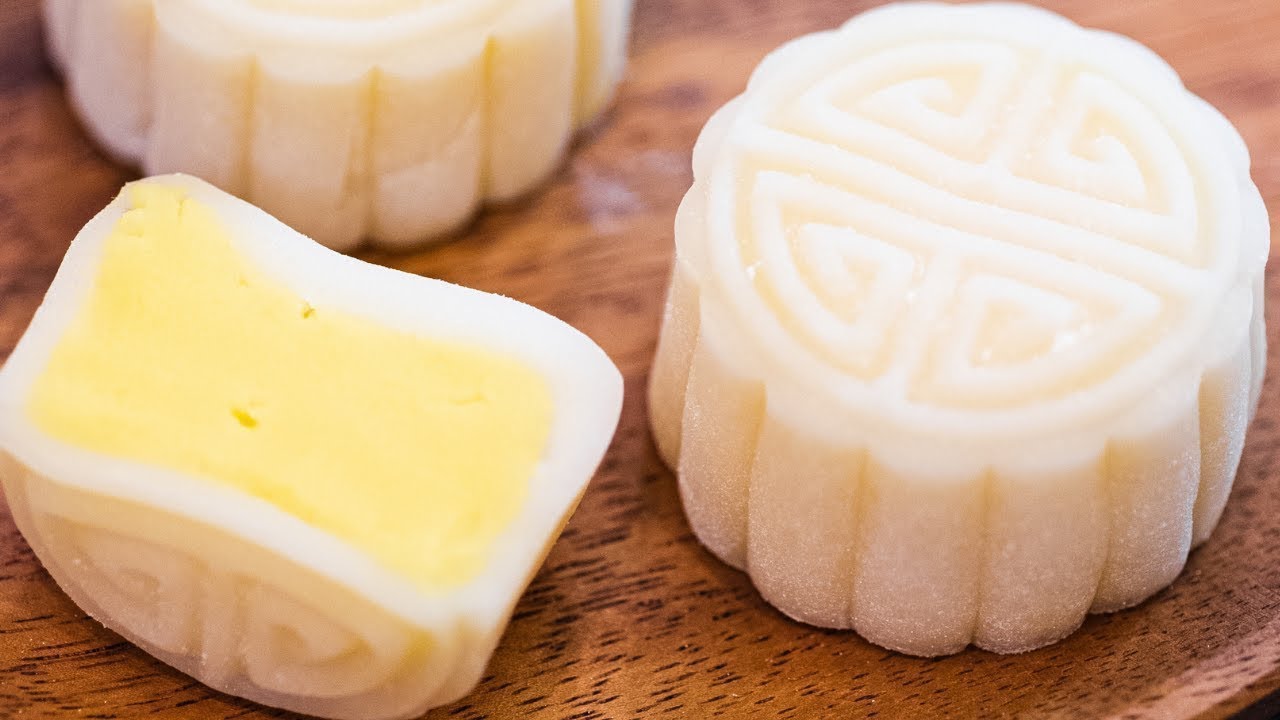
Snow Skin Mooncakes
A modern, no-bake variety that uses glutinous rice flour. They’re usually stored chilled and come in a rainbow of colors and flavors, like matcha and mango.
Teochew Mooncakes
Known for their puff pastry-like flaky exterior, these often come with yam or taro paste and are less dense than traditional versions.
Tools & Equipment You’ll Need
Before you dive into making mooncakes, gather your tools. Here’s what you’ll need to get started:
Kitchen Tools
- Mixing bowls
- Measuring cups and spoons
- Fine mesh sieve
- Rolling pin
- Pastry brush
- Baking tray
- Oven
- Plastic wrap or cling film
Special Mooncake Molds
- Wooden or plastic mooncake molds (with interchangeable patterns)
- Spring-loaded molds are easier to use for beginners
These molds are key to giving your mooncakes that iconic, elegant look. You can find them online or in Asian baking supply stores.
Ingredients You’ll Need for Traditional Mooncakes
Getting the right ingredients makes all the difference. Quality matters!
For the Dough (Mooncake Skin)
- 160g all-purpose flour
- 110g golden syrup (or invert syrup)
- 1 tsp alkaline water (lye water)
- 40g vegetable oil
For the Filling
- 600g lotus seed paste or red bean paste
- Salted egg yolks (optional, 1 per mooncake)
- Roasted melon seeds or chopped nuts (optional)
For the Egg Wash
- 1 egg yolk
- 1 tbsp milk or water
These quantities are for about 10 standard-sized mooncakes. Adjust based on your batch size.
Choosing the Right Filling
Lotus Seed Paste
Classic, creamy, slightly sweet. Pairs wonderfully with salted egg yolk. You can buy pre-made or cook from scratch—though homemade offers a richer taste.
Red Bean Paste
Sweeter than lotus paste, with a slightly grainy texture. Ideal if you want something more accessible.
Mixed Nuts
Nut lovers rejoice! These mooncakes are packed with roasted seeds, walnuts, almonds, and dried fruits, all bound with maltose syrup.
Salted Egg Yolk
Rich and savory, these yolks balance the sweetness and mimic the moon’s shape and color when placed in the center.
How to Make Traditional Mooncakes (Step-by-Step)
Now, onto the fun part—let’s bake some mooncakes! Take your time with each step, and don’t rush perfection.
Step 1: Prepare the Mooncake Dough
Start by mixing golden syrup, vegetable oil, and alkaline water in a bowl. Add all-purpose flour and gently stir until a soft dough forms. Do not overmix. Cover the dough with plastic wrap and let it rest for 30–60 minutes to relax the gluten, making it easier to shape.
Step 2: Make or Prepare the Filling
Traditional fillings include lotus seed paste, red bean paste, or mixed nuts. If using paste fillings, divide them into small balls, optionally adding salted egg yolks in the center. Keep them chilled so they hold their shape during assembly.
Step 3: Assemble the Mooncakes
Divide the rested dough into small portions. Flatten each piece into a thin disk, place a filling ball in the center, and gently wrap the dough around it, sealing the edges. Ensure the dough layer is even for proper shaping.
Step 4: Shape the Mooncakes Using Molds
Dust a mooncake mold lightly with flour. Place the assembled ball into the mold and press firmly to create the traditional patterns. Release carefully to keep the details intact.
Step 5: Baking the Mooncakes Perfectly
Bake at 350°F (175°C) for 10 minutes. Remove, brush lightly with egg wash, and bake another 10–15 minutes until golden.
Step 6: Let Mooncakes Rest
Allow mooncakes to rest 1–2 days. This “returning oil” process gives them a glossy finish and richer flavor. Enjoy!
Tips for Perfect Mooncakes Every Time
Here are some tried-and-true tips to make your mooncake baking journey smoother:
- Rest the dough: At least 30 minutes of rest time helps with elasticity and texture.
- Use accurate scales: Mooncakes require precise filling-to-dough ratios.
- Don’t overfill: Too much filling will cause breakage during shaping or baking.
- Go light on egg wash: Thick egg wash can obscure your beautiful mold design.
- Always preheat your oven: Even temperature is crucial for even baking.
- Let them rest post-bake: Don’t skip the 2–3 day resting period—it’s essential for texture and flavor.
Common Mistakes to Avoid
Even seasoned bakers make a few missteps. Here’s what to watch out for:
- Sticky molds: Always dust molds with flour to prevent sticking.
- Dry or cracked mooncakes: Caused by under-rested dough or overbaking.
- Patterns disappearing: Too thick egg wash or overly moist dough.
- Overstuffing: Leads to thin, fragile dough that breaks during shaping or baking.
- Skipping the rest period: Your mooncakes won’t develop the desired glossy texture or flavor depth.
Remember, every batch teaches you something new. Practice and patience are key.
Storing and Shelf Life of Mooncakes
Homemade mooncakes don’t contain preservatives, so it’s best to store them properly:
- Room temperature: 5–7 days in an airtight container in a cool, dry place.
- Refrigerated: Up to 2 weeks, but texture may slightly harden.
- Freezing (not ideal): While possible, it may affect the skin and filling texture. If you must freeze, wrap individually and thaw at room temperature before eating.
Always use clean utensils to cut or serve mooncakes to prevent contamination.
Variations and Modern Twists
Mooncake innovation is alive and well, especially with younger generations craving new flavors. Some popular spins include:
- Matcha Green Tea Mooncakes
- Chocolate Ganache Mooncakes
- Coffee or Espresso Mooncakes
- Custard or Lava Yolk Mooncakes
- Ice Cream Mooncakes (frozen & chilled)
Experiment with your favorite fillings or crusts! Just keep the dough-to-filling ratio balanced for the best results.
Vegan and Gluten-Free Mooncake Options
You can absolutely enjoy mooncakes if you’re vegan or gluten-sensitive:
Vegan Substitutions
- Use maple syrup or brown rice syrup in place of golden syrup.
- Skip the egg yolks and use vegan fillings like taro paste or date paste.
- Replace egg wash with a mixture of non-dairy milk and maple syrup for that glossy finish.
Gluten-Free Option
- Use gluten-free all-purpose flour blend.
- Make snow skin mooncakes with glutinous rice flour—naturally gluten-free.
These alternatives may slightly change the texture, but the flavors will still shine through.
Pairing Mooncakes with Tea
Mooncakes are rich and dense, so pairing them with tea is not only traditional—it’s refreshing.
Here are some ideal teas to serve with your mooncakes:
| Mooncake Type | Tea Pairing |
|---|---|
| Lotus Seed Paste | Jasmine Tea |
| Red Bean Paste | Pu-erh Tea |
| Mixed Nuts | Oolong Tea |
| Custard Mooncake | Green Tea or Tie Guan Yin |
| Snow Skin (Fruit) | White Tea or Chrysanthemum |
The subtle bitterness of tea balances the sweetness of mooncakes, enhancing the overall experience.
FAQs about Mooncake Recipe
1. Can I make mooncakes without a mold?
Yes! While molds give mooncakes their signature look, you can shape them by hand and use a fork or knife to make simple patterns on top.
2. How long do mooncakes last?
Homemade mooncakes last about 5–7 days at room temperature in an airtight container, or up to 2 weeks if refrigerated.
3. What if I don’t have golden syrup?
You can use honey or make your own golden syrup substitute using sugar, water, and lemon juice simmered to a thick syrup.
4. Why do my mooncakes look dry or cracked?
This could be due to overbaking, under-rested dough, or skipping the post-bake resting period.
5. Can I freeze mooncakes?
Yes, but it’s not ideal. The texture of the crust may change. If freezing, wrap them tightly and thaw at room temp before serving.
Conclusion
Making mooncakes from scratch is no small task—it’s a journey full of care, history, and sweet rewards. From preparing the golden dough to shaping each mooncake with love and waiting for that glossy finish, every step is a labor of love. But once you take that first bite, rich with filling and tradition, you’ll know it was all worth it.
Whether you’re making them to celebrate the Mid-Autumn Festival or just to try something new in your baking adventures, mooncakes are more than just food—they’re a cultural experience baked into a beautiful pastry.