Mochiko Recipe: Have you ever bitten into a dessert so satisfyingly chewy and rich that you instantly craved more? That’s the magic of Mochiko cake. Known for its dense, sticky texture and sweet, buttery flavor, this treat brings together the best of Japanese rice flour and Hawaiian dessert culture. Whether you’re a seasoned baker or just dipping your toes into Asian-inspired sweets, this recipe is your ultimate guide.
In this article, we’re going deep—covering every angle of how to make this deliciously chewy cake. From selecting ingredients to baking it just right, and even storing it for later, this is your complete guide. Let’s get baking!
What is Mochiko?
At its core, Mochiko is sweet rice flour made from glutinous rice. Unlike regular rice flour, Mochiko is milled from sticky rice (also known as glutinous rice), giving it a finer texture and the signature chewiness we love in mochi desserts. Despite the term “glutinous,” it’s completely gluten-free, which makes it great for people avoiding wheat.
Mochiko is a staple in Japanese and Hawaiian cooking. You’ll find it in everything from traditional mochi rice cakes to savory batter coatings, and of course, Hawaiian butter mochi—the rich, gooey dessert that inspired this recipe.
What sets Mochiko apart is its versatility and texture. When baked, it forms a soft, chewy interior with a slight crisp on the outside—like a marriage between cake and mochi. The result? An unforgettable dessert that’s as fun to eat as it is to make.
Why You’ll Love This Mochiko Recipe
Let’s be real: there are tons of cake recipes out there. So what makes this one special? Here’s why you’re going to be obsessed:
- The Texture: It’s chewy, bouncy, and slightly crispy on the edges—like mochi got a makeover into cake form.
- Easy Ingredients: You won’t need anything fancy. Just basic pantry items and Mochiko flour.
- Super Versatile: Add chocolate, coconut milk, or even fruit chunks to mix it up.
- It Keeps Well: This cake actually gets better the next day. Yes, really.
Plus, if you’re gluten-free or baking for someone who is, this cake checks all the boxes. It’s also a fun project for a weekend or holiday treat—especially if you’re looking to impress guests with something different.
List of Ingredients You’ll Need
Here’s everything you’ll need for a classic Mochiko cake. These ingredients are easy to find in most grocery stores or Asian markets.
Basic Ingredients:
- 1 box (16 oz) Mochiko sweet rice flour (Koda Farms is a popular brand)
- 2 cups whole milk (can substitute with coconut milk for more richness)
- 1 ½ cups sugar
- 1 stick (½ cup) unsalted butter, melted
- 2 teaspoons vanilla extract
- 2 teaspoons baking powder
- 3 large eggs
- 1 can (12 oz) evaporated milk
- A pinch of salt
Optional Add-Ins:
- ½ cup shredded coconut (for extra chew)
- ½ cup semi-sweet chocolate chips
- 1 ripe banana, mashed
- Matcha powder (1-2 tablespoons for a green tea twist)
Toppings (Optional):
- Powdered sugar
- Fresh berries
- A scoop of vanilla ice cream
Want to make it vegan? Don’t worry—we’ll cover that later!
Kitchen Tools You’ll Need
You don’t need a fancy kitchen setup to pull this off, but having the right tools definitely helps. Here’s what you’ll want on hand:
- Mixing bowls – One large and one medium.
- Whisk or electric mixer – To blend ingredients smoothly.
- 9×13-inch baking pan – The go-to size for even baking.
- Spatula – Silicone is best for scraping the bowl clean.
- Measuring cups & spoons – Accuracy matters here!
- Cooling rack – Helps prevent soggy bottoms.
Optional but useful tools include a sifter (to avoid clumps in dry ingredients) and a toothpick (to check for doneness).
Step-by-Step Guide to Making Mochiko Cake
Ready to bake? Here’s your no-fail, step-by-step method for the perfect Mochiko cake every time.
Step 1: Preheat the Oven
Set your oven to 350°F (175°C) and grease your 9×13-inch baking pan. You can also line it with parchment paper for easy removal.
Step 2: Mix the Dry Ingredients
In a large bowl, combine:
- 1 box of Mochiko flour
- 2 teaspoons baking powder
- A pinch of salt
Whisk it all together to distribute the baking powder evenly.
Step 3: Prepare the Wet Ingredients
In a separate bowl, whisk together:
- 3 eggs
- 1 ½ cups sugar
- 1 stick of melted butter
- 2 teaspoons vanilla extract
- 1 can evaporated milk
- 2 cups whole milk
Make sure everything is fully combined and smooth.
Step 4: Combine Wet and Dry
Slowly pour the wet mixture into the dry ingredients, stirring constantly to avoid lumps. Mix until you have a silky, thick batter.
Step 5: Optional Add-Ins
If you’re using coconut, chocolate chips, or fruit, fold them in gently at this stage.
Step 6: Bake
Pour the batter into your greased pan. Smooth out the top with a spatula.
Bake for 1 hour, checking at the 50-minute mark. A toothpick inserted in the center should come out clean or with a few moist crumbs.
Step 7: Cool and Serve
Let the cake cool in the pan for at least 30 minutes before cutting. This helps it set and develop that signature chewy texture.
Cut into squares, top with powdered sugar or berries, and enjoy!
Pro Tips for the Perfect Mochiko Cake
So you’ve followed the recipe and pulled your golden Mochiko cake out of the oven—now what? Let’s talk about how to elevate your baking game with a few expert-level tips that’ll take your cake from good to unforgettable.
1. Don’t Overmix the Batter
It’s tempting to mix everything until it’s super smooth, but overmixing can break down the starches in the rice flour and make your cake rubbery. Mix until just combined. Lumps are okay!
2. Let it Cool Completely Before Cutting
Mochiko cake firms up as it cools. If you try cutting it too soon, it’ll be overly gooey and fall apart. Give it at least 30 minutes on the counter (or an hour if you can wait that long). Trust me, it’s worth it.
3. Use Full-Fat Dairy or Coconut Milk
The rich flavor and texture of this cake come from the fat in the butter and milk. Low-fat options can result in a less flavorful, dry cake. Coconut milk is a fan favorite and adds a tropical twist that pairs beautifully with the chewy texture.
4. For Crispier Edges, Use a Metal Pan
Glass and ceramic pans bake more evenly, but if you love crispy edges, a good old-fashioned metal baking pan will give you that golden brown outer crust.
5. Make it Ahead of Time
Mochiko cake actually tastes better the next day. The flavors settle, and the texture becomes even more tender and chewy. Bake it the night before a party, and you’ll have one less thing to worry about.
Variations of the Mochiko Recipe
Feeling creative? One of the best parts of this recipe is how versatile it is. You can easily switch up flavors, textures, and even shapes. Here are some of our favorite twists:
Chocolate Mochiko Cake
Add ½ cup of unsweetened cocoa powder and an extra ¼ cup of sugar to the base recipe. Throw in some chocolate chips, and you’ve got a rich, brownie-like dessert with a mochi chew. Bonus: sprinkle sea salt on top for that salty-sweet combo.
Coconut Mochiko Cake
Substitute half of the milk with canned coconut milk and stir in ½ cup of shredded coconut. This gives the cake a creamy, tropical flavor that pairs beautifully with fresh mango or pineapple on the side.
Matcha Mochiko Cake
Add 1-2 tablespoons of matcha green tea powder to the dry ingredients. The earthy, slightly bitter flavor balances out the sweetness and gives the cake a beautiful green hue.
Ube Mochiko Cake
Use ube extract or mashed cooked ube (purple yam) to create a gorgeous purple mochi cake with a unique nutty-sweet taste. Popular in Filipino desserts and a great addition to fusion baking.
Fruit-Infused Mochiko Cake
Gently fold in fresh or dried fruit like blueberries, raspberries, or chopped mango. Be careful not to overdo it—too much moisture can mess with the cake’s texture.
How to Store Mochiko Cake Properly
One of the best things about Mochiko cake is that it keeps really well—sometimes even tasting better after a day or two. But to keep that signature chewy texture, you’ll want to store it the right way.
Room Temperature (Best for 1-2 Days)
Place the cake in an airtight container or wrap it tightly in plastic wrap. Store it on the counter away from direct sunlight. It will stay soft and chewy for up to 48 hours.
Refrigeration (Up to 5 Days)
If you want to keep it longer, refrigerate it. However, refrigeration can make the cake a bit firm. To soften, let it come to room temperature or microwave a slice for 10–15 seconds.
Freezing (Best for Long-Term Storage)
Yes, you can freeze Mochiko cake! Cut it into squares, wrap each one individually in plastic wrap, and store them in a ziplock bag. To reheat, just pop one in the microwave for 30 seconds.
What to Serve With Mochiko Cake
This chewy dessert is a perfect standalone treat, but if you want to elevate the experience, here are some pairings and serving ideas:
1. With Coffee or Tea
The sweetness and chewiness of Mochiko cake pair beautifully with a hot cup of matcha, green tea, or coffee. The contrast in textures makes it extra satisfying.
2. Topped with Ice Cream
Serve a warm square of Mochiko cake with a scoop of vanilla, coconut, or green tea ice cream. It’s heavenly.
3. Fruit on the Side
Add fresh berries, mango slices, or a tropical fruit salad on the side. This gives a refreshing contrast to the dense cake.
4. Drizzled with Condensed Milk or Caramel
For an indulgent twist, drizzle a bit of condensed milk or caramel sauce over the top. It adds sweetness and a creamy finish.
Is Mochiko Gluten-Free?
Yes! Despite the term “glutinous,” Mochiko is made from glutinous (sticky) rice and contains no gluten at all. The “glutinous” term refers to the sticky texture, not the gluten protein.
But… Check Labels
Always double-check packaging, especially if you have celiac disease or severe gluten sensitivity. Look for products labeled “Certified Gluten-Free” to avoid cross-contamination.
Can You Make Mochiko Vegan?
Absolutely. With just a few substitutions, you can make a 100% vegan version of this chewy cake.
Substitutes:
- Butter: Use vegan butter or coconut oil.
- Eggs: Use flax eggs (1 tablespoon ground flax + 3 tablespoons water per egg).
- Milk: Replace dairy milk with plant-based options like almond, soy, or coconut milk.
- Evaporated Milk: Try canned coconut milk for a creamy vegan option.
The end result? Still chewy. Still delicious. Still dangerously addictive.
Troubleshooting Common Issues
No matter how closely you follow a recipe, sometimes things don’t go as planned. If your Mochiko cake didn’t turn out the way you expected, don’t worry. Here are the most common problems and how to fix them:
1. Cake is Too Gooey or Undercooked
If your cake is overly wet in the center or has a raw texture:
- Make sure you baked it long enough. Every oven is different, so use the toothpick test. Insert it in the center—if it comes out wet, it needs more time.
- Let the cake cool completely before slicing. It continues to firm up as it cools.
- Use a metal pan for better heat distribution.
2. Cake is Dry or Tough
This usually happens when:
- You overbake the cake.
- The liquid ratio is off—make sure you’re not using less milk or butter than needed.
- You didn’t cover or wrap it after baking. Mochiko cake should be stored properly to retain moisture.
3. Batter is Too Thick or Too Runny
Mochiko batter should be thick but pourable. If it’s too stiff:
- Double-check your measurements.
- Gradually add more milk (a tablespoon at a time) to loosen it up.
If it’s too watery:
- Add a bit more Mochiko flour until the consistency is thicker.
4. Cracks on Top of the Cake
A few cracks are totally normal and even give character to your cake. But if it’s cracking too much:
- You might be baking at too high a temperature.
- Try reducing oven temperature by 10°F next time and bake a little longer.
Mochiko vs. Other Rice Cakes
You might be wondering: Is Mochiko cake just mochi in cake form? Not quite. While they both use sweet rice flour, they’re different in texture, ingredients, and origin.
Mochi
- Traditionally steamed or pounded rice dough.
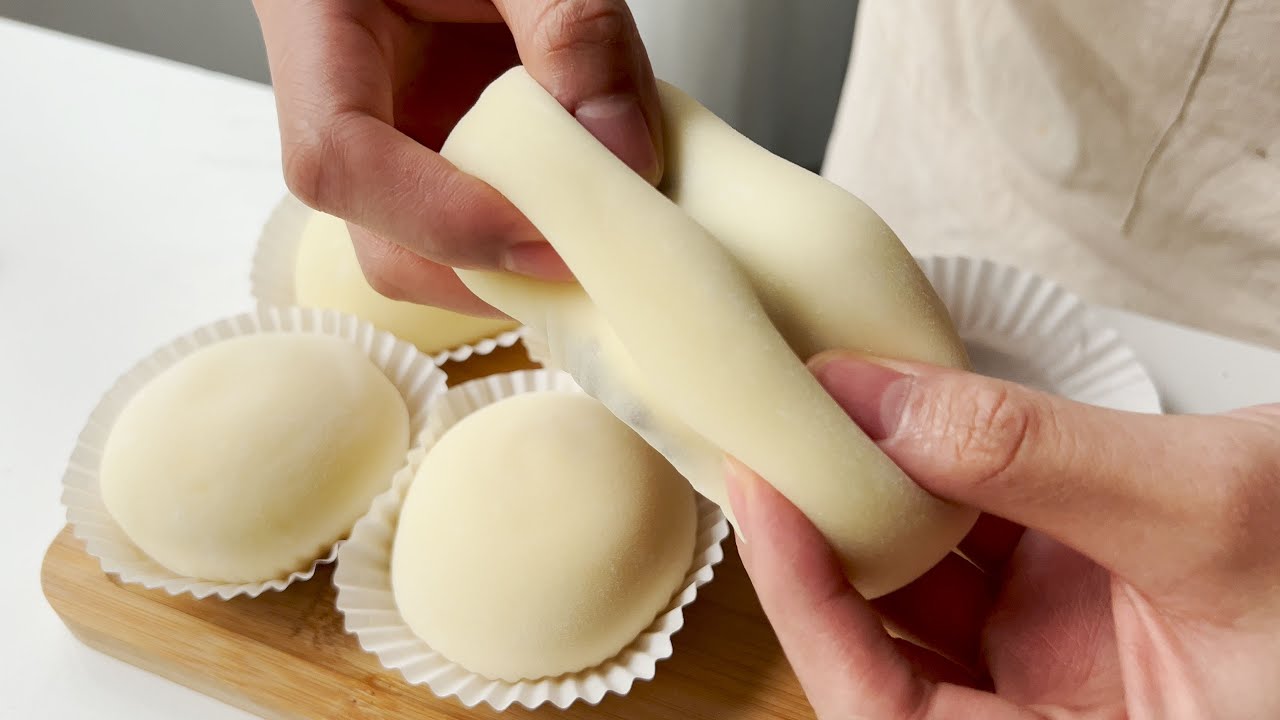
- Has a more elastic, stretchy chew.
- Usually unbaked and filled with red bean paste or fruit.
- Common in Japanese desserts like Daifuku.
Mochiko Cake
- A baked dessert made with sweet rice flour, sugar, eggs, and milk.
- Has a cake-like crust with a soft, chewy center.
- Often inspired by Hawaiian Butter Mochi, combining Japanese ingredients with Western baking techniques.
If Mochi is a chewy rice dumpling, think of Mochiko cake as its cake cousin—less stretchy, more indulgent, and great for slicing and sharing.
FAQs about Mochiko Recipe
1. What can I substitute for Mochiko flour?
While there’s no perfect substitute, you can try glutinous rice flour (like Thai sweet rice flour). It will be similar but might be slightly more elastic or soft. Regular rice flour won’t work—it lacks the sticky texture Mochiko provides.
2. How long does Mochiko cake last?
At room temperature: 2 days
Refrigerated: Up to 5 days
Frozen: Up to 2 months
Wrap it tightly to retain its moisture and texture.
3. Can I microwave instead of bake?
Technically yes, but the texture will be different. Microwave versions tend to be denser and less cakey. If you’re going this route, use a microwave-safe dish and cook in 2-minute intervals until the center is cooked through.
4. Is Mochiko cake healthy?
It depends on your definition of healthy. It’s gluten-free, and you can reduce sugar or use plant-based milks, but it’s still a dessert—with butter, sugar, and starch. Enjoy in moderation!
5. Can I freeze Mochiko batter instead of the baked cake?
Freezing the batter is not recommended. It’s better to bake the cake first and freeze the cooked squares. The batter may separate or change texture after thawing.
Conclusion
There you have it—a full, step-by-step guide to making the best Mochiko cake from scratch. Whether you’re a first-timer or a seasoned baker looking to try something new, this recipe brings the chewy, sweet, and buttery goodness of Hawaiian-Japanese fusion right to your kitchen.
Remember:
- Use authentic Mochiko flour for the right texture.
- Don’t skimp on the butter and milk—they’re key to the rich flavor.
- Get creative with add-ins like coconut, chocolate, or matcha.
- Store it properly to enjoy every last bite.
Once you try this, you might never go back to ordinary cakes again. It’s the kind of dessert that surprises people—the chewy texture, the balance of sweetness, the crispy edges—it all comes together perfectly.
So go ahead, preheat that oven and start mixing. You’ve got this.