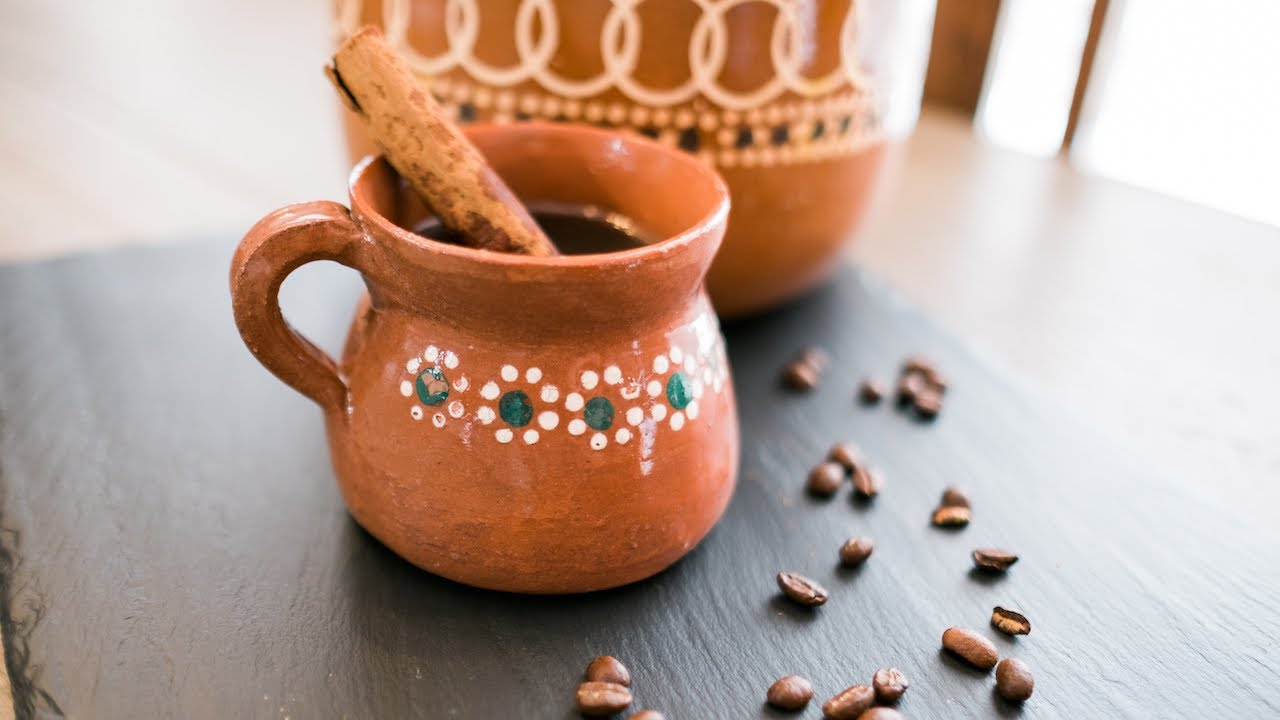
Mexican Coffee Recipe: When you think of coffee, your mind might drift to a morning caffeine fix or a quick trip to the nearest café. But have you ever experienced the rich, spiced aroma of traditional Mexican coffee? This isn’t your average cup of joe—it’s bold, deep, and infused with layers of flavor that tell a story of culture, warmth, and tradition.
In this guide, we’ll take you on a flavorful journey through authentic Mexican coffee, revealing how to craft the perfect cup at home from scratch. Trust us, once you try it, plain coffee just won’t cut it anymore.
What is Mexican Coffee?
Mexican coffee, known for its signature blend of spices and earthy sweetness, goes beyond the bitter, black coffee you might be used to. Traditionally, it’s made with cinnamon, piloncillo (unrefined cane sugar), and dark-roast coffee brewed together to create a warm, comforting drink. The most iconic version, Café de Olla, literally translates to “coffee from the pot,” as it’s typically brewed in a clay pot to enhance its flavor.
This drink isn’t just about caffeine—it’s about community, warmth, and tradition. Mexican coffee is often served during family gatherings, festivals, or just peaceful mornings on the patio. Each sip is a reminder of Mexico’s rich culinary history and love for deep, meaningful flavors.
Types of Mexican Coffee
You’ll find more than one version of Mexican coffee, and each has its own charm. Here are a few popular types:
- Café de Olla: This is the classic version with cinnamon and piloncillo, brewed in a clay pot for authenticity.
- Café con Leche: Similar to a latte, this is a mix of strong coffee and hot milk, often sweetened.
- Mexican Mocha: A modern twist that combines espresso with chocolate and cinnamon, creating a spicy-sweet cup that’s perfect for dessert.
Whether you like it spiced, sweet, creamy, or chocolaty, there’s a Mexican coffee for everyone.
Why You Should Try Mexican Coffee
Let’s be honest—coffee should do more than wake you up. It should make you feel something, right? Mexican coffee does exactly that. The aroma of cinnamon and sugar, the rich depth of roasted beans, and the cultural history in every sip make it an experience, not just a drink.
Plus, unlike sugary coffee shop drinks loaded with artificial flavors, Mexican coffee is made with natural ingredients. The cinnamon isn’t just for taste—it also adds antioxidants and helps stabilize blood sugar levels. And if you use piloncillo, you’re avoiding processed sugar altogether.
Ingredients You’ll Need
Here’s what you’ll need to make authentic Mexican coffee (Café de Olla):
Essential Ingredients:
- 4 cups water
- 3-4 tablespoons ground Mexican coffee (dark roast works best)
- 1 cinnamon stick (preferably Mexican canela)
- 1 cone of piloncillo (or ¼ cup brown sugar as a substitute)
- Optional: 2-3 cloves or a pinch of anise
Optional Add-ins:
- Orange peel – adds brightness
- Vanilla extract – enhances aroma
- Star anise – for a licorice-like twist
- Chocolate or cocoa powder – for a mocha flavor
You can find piloncillo and authentic Mexican coffee at Latin grocery stores or online. Look for brands like Café Bustelo, La Llave, or Veracruz beans.
Equipment You’ll Need
Making this isn’t complicated—you don’t need a barista setup or a high-end coffee machine. Here’s all you need:
- Medium saucepan or clay pot (olla de barro) – for traditional brewing
- Wooden spoon – for stirring without affecting flavor
- Fine mesh strainer – to remove coffee grounds and spices
- Coffee mug – preferably clay or ceramic for heat retention
If you want to get extra traditional, using a clay pot not only adds flavor but also makes the experience feel more authentic. But a regular pot will work just fine too.
Step-by-Step Guide to Making Mexican Coffee
Ready to make magic happen? Let’s get into the process. This is how you make Café de Olla from scratch:
Step 1: Prepare Your Ingredients
Gather everything you need before starting: ground coffee, water, cinnamon sticks, a pinch of cloves, brown sugar or piloncillo, and optional add-ins like vanilla or orange peel. Using whole spices gives the drink its signature warm, aromatic flavor.
Step 2: Boil the Water and Spices
Pour water into a saucepan and add the cinnamon sticks and cloves. Bring it to a boil over medium heat. As the water heats, the spices release their oils, creating a fragrant base. Let it boil for 2–3 minutes to deepen the flavor.
Step 3: Add Coffee and Steep
Lower the heat and stir in the ground coffee. Add brown sugar or piloncillo at this stage to sweeten the brew in a traditional Mexican style. Remove the pot from heat and let the mixture steep for 5 minutes. This allows the coffee and spices to blend perfectly without becoming bitter.
Step 4: Strain and Serve
Strain the coffee through a fine mesh sieve or cheesecloth to remove grounds and spices. Pour into cups and enjoy hot. For an extra touch, finish with a splash of vanilla or a twist of orange peel. Serve with pastries for an authentic Mexican experience.
How to Serve Mexican Coffee
Traditional Mexican coffee deserves to be served in style. Clay mugs (jarritos) are ideal—they keep the coffee hot and look beautiful. But if you don’t have them, any heat-safe mug will do.
Pair it with:
- Conchas or pan dulce
- Tamales for a savory contrast
- Churros with chocolate dipping sauce
Add a cinnamon stick to the cup as a garnish and maybe a splash of milk or cream if you like it smoother.
Different Variations of Mexican Coffee
One of the most beautiful things about Mexican coffee is how versatile it is. While Café de Olla is the most traditional version, you can tweak the ingredients or preparation style to create a drink that fits your personal taste, the season, or even your mood.
1. Iced Mexican Coffee
Perfect for hot days! Simply follow the traditional Café de Olla recipe, let it cool down, then pour it over ice. Add a splash of milk or cream and you’ve got yourself a refreshing, spiced iced coffee. Want to elevate it further? Try blending it with ice for a frozen Mexican coffee frappe.
2. Mexican Mocha
If you’re a fan of chocolate, this one’s for you. Brew your Mexican coffee as usual and stir in a teaspoon of unsweetened cocoa powder or a piece of Mexican chocolate (like Abuelita or Ibarra). Top it with whipped cream and a dusting of cinnamon for an indulgent dessert coffee.
3. Alcoholic Mexican Coffee
Yes, adults, you can absolutely spike your Mexican coffee! Try adding a shot of Kahlúa, tequila, or coffee liqueur to warm things up. This version is often enjoyed at gatherings or festive occasions, like Día de los Muertos or Christmas.
4. Vegan Mexican Coffee
Mexican coffee is naturally vegan, but you can also add plant-based milk like almond, oat, or coconut for extra creaminess. Swap out piloncillo with coconut sugar or maple syrup for a slightly different flavor profile.
There’s no limit to how creative you can get—just keep that cinnamon, strong coffee, and love at the heart of every cup.
Tips to Perfect Your Mexican Coffee
Even a simple recipe can be elevated with the right techniques. If you want to make the best possible Mexican coffee at home, consider the following pro tips:
Choose the Right Coffee
Dark roast Mexican beans are ideal, especially from regions like Chiapas, Oaxaca, or Veracruz. These beans have a deep, earthy profile that complements the sweetness and spice in the drink. Look for organic or shade-grown varieties for the best flavor and sustainability.
Use Real Cinnamon
Skip the powder—go for whole cinnamon sticks, specifically Mexican cinnamon (canela), which is softer and more fragrant than the kind typically found in the U.S. This gives the coffee that distinct warm flavor without overpowering it.
Don’t Over-Steep
Over-steeping coffee can lead to bitterness. Once the coffee is added, let it steep for 5 to 10 minutes max, then strain. This keeps the flavor balanced and smooth.
Clay Pot for the Win
If you can get your hands on a traditional olla de barro, use it! Clay retains heat beautifully and imparts a subtle earthiness that’s hard to replicate. Just be sure it’s food-safe and properly cured.
Adjust Sweetness and Spice
Everyone has a different sweetness threshold. Start with less piloncillo and taste before adding more. Want it spicier? Toss in a clove or a tiny pinch of cayenne for a surprising kick.
Common Mistakes to Avoid
Even though making Mexican coffee is fairly straightforward, some common missteps can ruin your brew. Here’s what you should watch out for:
1. Using Pre-Ground Spices
Pre-ground cinnamon or clove might seem convenient, but they lose potency quickly and can muddy the coffee’s clarity. Always use whole spices for best results.
2. Skipping the Straining Step
This isn’t just about avoiding grit in your mug—leaving coffee grounds and spices in too long can lead to bitterness. Strain thoroughly before serving.
3. Using Boiling Water Directly on Coffee
Never pour boiling water directly onto your coffee grounds. Let the water cool slightly (around 200°F/93°C) before adding the coffee to avoid scalding the beans and getting a burnt flavor.
4. Not Letting the Spices Infuse
Rushing through the boiling process is a mistake. The spices need time to infuse the water properly—5 to 7 minutes is the sweet spot.
5. Overloading with Sugar
Piloncillo is very rich and concentrated. Too much can overpower the natural flavors of the coffee and spices. Taste and tweak—it’s all about balance.
Health Benefits of Spiced Coffee
Aside from being ridiculously delicious, Mexican coffee has some surprising health benefits. Here’s why sipping it can be good for you (in moderation, of course):
1. Cinnamon is a Super Spice
Cinnamon helps regulate blood sugar, supports digestion, and is loaded with antioxidants. It also adds natural sweetness, helping you use less sugar overall.
2. Less Acidity
Thanks to the spices and slower brewing method, Mexican coffee tends to be less acidic than regular black coffee. That means it’s gentler on your stomach.
3. No Artificial Ingredients
Unlike flavored syrups in chain coffees, Mexican coffee uses real ingredients—cinnamon, raw sugar, and natural chocolate (if added). It’s a cleaner choice with fewer chemicals.
4. Mood Booster
The cozy aroma and warm, spiced taste are known to boost mood and reduce stress. It’s comfort in a cup, especially during colder months or long mornings.
Mexican Coffee vs. Other Spiced Coffees
Spiced coffee exists in many cultures, but Mexican coffee has its own distinct identity. Let’s compare it with a few popular types:
| Coffee Type | Origin | Key Ingredients | Flavor Profile |
|---|---|---|---|
| Mexican Coffee | Mexico | Cinnamon, piloncillo, dark roast | Sweet, earthy, spiced |
| Turkish Coffee | Turkey | Finely ground coffee, cardamom | Strong, thick, slightly bitter |
| Indian Filter Coffee | India | Chicory-blended coffee, milk, sugar | Creamy, robust, slightly spicy |
| Masala Chai | India | Black tea, spices, milk, sugar | Sweet, spicy, aromatic |
Each has its place, but Mexican coffee’s unique blend of sweet, spice, and strength makes it one of the most balanced and enjoyable spiced drinks out there.
Where to Buy Mexican Coffee Ingredients
Getting authentic ingredients makes a big difference. Here are some tips on sourcing what you need:
1. Local Latin Markets
Many Latin American grocery stores carry:
- Piloncillo cones
- Whole Mexican cinnamon sticks
- Traditional clay mugs or pots
2. Online Stores
Try websites like:
- Amazon
- MexGrocer.com
- Rancho Gordo
- Latin grocery sections on Walmart or Target
3. Best Coffee Brands to Try
- Café Bustelo (bold and strong)
- La Llave (dark and smooth)
- Café Garat or Oaxaqueño beans (more traditional Mexican flavor)
FAQs about Mexican Coffee Recipe
1. What makes Mexican coffee different from regular coffee?
Mexican coffee stands out because it’s brewed with warm spices like cinnamon and cloves, giving it a rich, aromatic flavor. It’s also traditionally sweetened with piloncillo, which adds depth and a caramel-like sweetness you don’t get from regular sugar.
2. Can I use ground cinnamon instead of cinnamon sticks?
Yes, you can substitute ground cinnamon, but cinnamon sticks produce a cleaner, smoother flavor. If using ground cinnamon, start with ¼ teaspoon and adjust to taste. Just note that it may leave residue unless strained very well.
3. What type of coffee is best for this recipe?
Medium to dark roast coffee works best because it balances beautifully with the spices and sweetness. Mexican Chiapas coffee is an excellent choice if you want something truly authentic.
4. Can I make Mexican coffee without sugar?
Absolutely! While traditional recipes include piloncillo or brown sugar, you can reduce or omit the sweetener entirely. The spices alone still create a flavorful, comforting drink.
5. Can Mexican coffee be served iced?
Yes—Mexican iced coffee is delicious! Simply brew it as usual, allow it to cool, then pour over ice. You can even add a splash of milk for a creamy twist.
Conclusion
If you’re tired of the same old coffee routine, Mexican coffee is your escape in a cup. It’s warm, inviting, and packed with personality. From the moment the cinnamon hits the water to that first sweet sip, you’ll understand why it’s more than just a beverage—it’s an experience.
Whether you’re making it the traditional way in a clay pot or adding your own twist with chocolate or liqueur, one thing is certain: once you taste authentic Mexican coffee, there’s no going back. So grab your spices, brew a pot, and bring a little Mexico into your mornings.