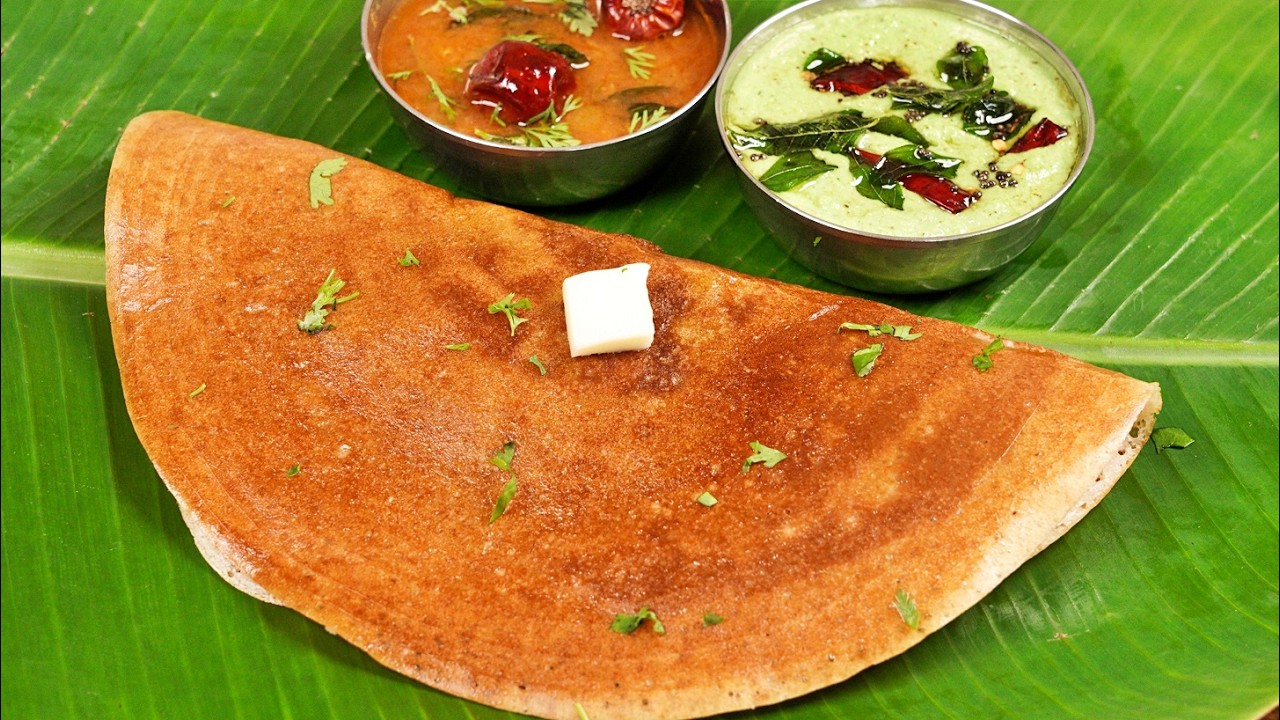
Masala Dosa Recipe: There are few South Indian dishes as iconic and beloved as the crispy, golden Masala Dosa. It’s more than just a dish—it’s a cultural experience on a plate. Originating from Karnataka, this rolled rice and lentil crepe filled with spicy mashed potatoes has won the hearts (and stomachs) of people across India and around the world. Whether you’ve tried it at a restaurant or you’re just starting your South Indian culinary journey, there’s something utterly satisfying about making your own Masala Dosa at home.
Unlike fast food, Masala Dosa is a wholesome, fermented, protein-rich meal, great for breakfast, lunch, or even dinner. The combination of the crunchy dosa with the soft, spiced potato filling is a match made in food heaven. Let’s dive in deep and understand how you can recreate this South Indian classic right in your own kitchen with simple ingredients and a bit of patience.
Why Masala Dosa Is Loved Worldwide
Masala Dosa isn’t just popular in India—it’s a global ambassador of South Indian cuisine. Why? Because it checks all the right boxes:
- Naturally gluten-free and vegan (when made without ghee)
- Crispy outside, soft inside – the textures are perfect
- Spiced but not overwhelmingly hot, making it suitable for all palates
- Fermented batter adds a gut-healthy probiotic touch
- It’s filling and nutritious, loaded with carbohydrates, protein, and fiber
This dish also offers immense versatility. You can adjust the filling, add different veggies, or even create fusion variations like cheese dosa or paneer masala dosa. It’s this adaptability that makes it a favorite not just in Indian households but also in cafes and restaurants around the world.
Ingredients You’ll Need
Before you roll up your sleeves, gather all the ingredients. Making Masala Dosa is easier when everything is prepped and ready to go.
For Dosa Batter
- 2 cups rice (regular or parboiled)
- ½ cup urad dal (split, skinned black gram)
- 2 tbsp chana dal (optional for crispiness)
- ¼ tsp fenugreek seeds (methi)
- Salt to taste
- Water (for soaking and grinding)
For Potato Masala (Filling)
- 3–4 medium-sized potatoes (boiled and mashed)
- 1 medium onion (thinly sliced)
- 1–2 green chilies (finely chopped)
- ½ inch ginger (grated)
- 1 tsp mustard seeds
- 1 tsp turmeric powder
- 1 tsp salt (adjust to taste)
- 10–12 curry leaves
- 2 tbsp oil
- Fresh coriander leaves (chopped)
- ½ tsp lemon juice (optional)
For Tempering the Masala
- 1 tsp urad dal
- 1 tsp chana dal
- 1–2 dried red chilies
- A pinch of asafoetida (hing)
- Oil (2 tbsp)
Having these ingredients handy will make the cooking process smooth and seamless.
Essential Kitchen Tools for Making Masala Dosa
You don’t need a fancy commercial kitchen, but a few essential tools are helpful:
- Non-stick or cast iron tawa (griddle) – flat and wide for even dosa spreading
- Wet grinder or high-speed blender – for smooth batter
- Ladle – to pour and spread batter evenly
- Spatula – to flip and fold dosa
- Potato masher or fork – to mash potatoes
- Mixing bowls – for prepping fillings and storing batter
These tools make your dosa experience faster, cleaner, and way more fun.
How to Ferment Dosa Batter Perfectly
Fermentation is the backbone of a good dosa. If the batter doesn’t ferment right, the dosa won’t be fluffy or crisp.
Here’s how to do it right:
- Grind soaked rice and dals separately or together till smooth and pourable.
- Mix well and place the batter in a large bowl (it will rise).
- Cover loosely and keep in a warm place for 8–12 hours.
- You’ll know it’s ready when:
- It’s almost doubled in volume
- It smells slightly sour but pleasant
- The texture looks airy and bubbly
If you’re in a cold climate, try:
- Placing the bowl in the oven with the light on
- Wrapping it in a warm towel
- Using a fermentation box
Tips for Making Crispy and Thin Dosas
Ever wondered how restaurants get their dosas ultra-thin and crunchy? Here’s how you can nail it:
- Use parboiled rice or idli rice for crisp texture
- Add chana dal for extra crunch
- The batter should be pourable, not thick
- Use a hot tawa but cool it slightly before pouring each dosa
- Drizzle a bit of oil or ghee around the edges while cooking
- Don’t flip the dosa—cook only on one side
- Spread the batter in circular outward motions using the back of a ladle
Practice makes perfect, but once you get the hang of it, it’s like muscle memory.
Step-by-Step Guide to Making Masala Dosa
Let’s walk through the entire process in detail—from soaking the grains to serving up that golden, restaurant-style Masala Dosa.
Step 1: Rinse and Soak Ingredients
Wash rice, urad dal, chana dal, and fenugreek seeds 2–3 times until water runs clear. Soak everything in ample water for at least 6 hours or overnight. Soaking softens the grains for smooth grinding and helps in better fermentation.
Step 2: Grinding the Batter
Drain soaked ingredients. In a wet grinder or high-powered blender, grind them with water to a smooth, slightly fluffy batter. Add water little by little—don’t make it too runny. The final consistency should be like pancake batter.
Step 3: Fermenting the Batter
Transfer the batter to a large bowl. Add salt and mix gently with clean hands (the warmth helps fermentation). Cover and keep in a warm spot for 8–12 hours. After fermentation, the batter will rise and develop tiny air bubbles. Mix gently before using.
Step 4: Making the Potato Masala Filling
Heat oil in a pan. Add mustard seeds, urad dal, chana dal, red chilies, and asafoetida. Once they splutter, toss in curry leaves, green chilies, ginger, and sliced onions. Sauté till onions are translucent. Add turmeric and mashed potatoes. Mix everything well. Add lemon juice and chopped coriander. Your masala is ready!
Step 5: Preparing the Tawa (Griddle)
Heat your tawa on medium flame. Sprinkle a few drops of water—if it sizzles, it’s ready. Reduce heat slightly and wipe the tawa with a damp cloth or half an onion to cool it a bit before spreading the batter.
Step 6: Spreading the Dosa Batter
Pour a ladle of batter in the center and spread it outward in circles using the back of the ladle. Make it as thin as possible. Drizzle oil or ghee around the edges and let it cook on medium flame until the bottom turns golden brown.
Step 7: Adding the Masala and Folding the Dosa
Place a spoonful of the potato masala in the center. Fold the dosa over the masala and slide it onto a plate. Serve hot and crispy!
Serving Suggestions for Masala Dosa
Masala Dosa isn’t complete without its flavorful sidekicks. In fact, the accompaniments elevate the entire experience, turning a simple dosa into a full-blown feast. So, what should you serve with it?
- Coconut Chutney: A creamy blend of fresh coconut, green chilies, and roasted chana dal. Tempered with mustard seeds, curry leaves, and dry red chili.
- Tomato Chutney: Slightly tangy, spicy, and a great contrast to the starchy potato masala.
- Sambar: A warm, soupy lentil dish cooked with vegetables and tamarind—loaded with flavor and nutrition.
- Mint-Coriander Chutney: A refreshing chutney that adds a pop of green and zing.
- Onion Chutney: For those who love a stronger, spicier punch.
A piping hot masala dosa with these chutneys and a ladle of sambar is not just breakfast—it’s an event.
Best Side Dishes to Pair With Masala Dosa
While traditional chutneys and sambar are top-tier sides, sometimes you want to get creative. Here are some alternative side dishes that pair beautifully with masala dosa:
- Peanut Chutney – Creamy and nutty, made with roasted peanuts and garlic.
- Garlic Chutney (Lasun Chutney) – Perfect for spice lovers. Just a dab makes a big difference.
- Vegetable Kurma – A South Indian style coconut-based curry packed with veggies.
- Paneer Bhurji – Scrambled paneer spiced lightly—great for a protein boost.
- Spicy Tomato-Onion Chutney – Tangy, spicy, and great for dipping dosa pieces.
You can even serve dosa with filtered coffee or masala chai for a full-on Indian café vibe at home.
Storage Tips for Leftover Batter and Filling
Leftovers? No worries. Masala Dosa components store well if handled correctly.
For Dosa Batter:
- Store it in an airtight container in the fridge. It stays good for up to 5–7 days.
- The batter may become a bit sour over time—just dilute with water and use for spicier variations like Podi Dosa.
- Don’t stir too much before use. Gentle mixing keeps the air bubbles intact.
For Potato Filling:
- Store in a sealed container in the refrigerator for up to 2–3 days.
- Reheat in a pan before using. You can add a splash of water or a few drops of oil to freshen it up.
- Avoid freezing, as potatoes tend to change texture when thawed.
Planning ahead? You can soak and grind a larger batch of batter and ferment only what you need. Freeze the rest in smaller portions. Saves time!
Common Mistakes to Avoid While Making Masala Dosa
Making the perfect masala dosa does take a bit of practice, and beginners often run into a few hiccups. Let’s cover the most common mistakes and how to fix them:
1. Too thick or runny batter
- Solution: The batter should coat the ladle but still flow. Add water carefully.
2. Batter not fermenting
- Solution: Use warm environments or preheat the oven lightly and place the bowl inside.
3. Dosa sticking to the pan
- Solution: Make sure the tawa is seasoned and not too hot. Clean it after each dosa using a wet cloth or onion.
4. Dosa not crispy
- Solution: The batter might be too thick, or the pan too cold. Also, don’t spread oil before adding the batter—spread it after.
5. Filling too dry or bland
- Solution: Add a splash of water or ghee while reheating. Adjust seasoning—don’t skip lemon or fresh coriander.
Remember, every dosa is a learning experience. You’ll get better with every attempt!
Vegan and Gluten-Free Adaptations
The good news? Masala Dosa is naturally vegan and gluten-free, but a few tweaks can make it even more suitable for dietary preferences:
For Vegans:
- Use oil instead of ghee for spreading on the dosa.
- Skip any dairy-based accompaniments like curd-based chutneys.
- Coconut oil is a great option for authentic flavor and aroma.
For Gluten-Free Diets:
- Stick to plain rice and urad dal—avoid any ready-made batters that may contain additives or flours.
- Asafoetida (hing) can sometimes be processed with wheat flour—use pure compound hing or skip it.
You can even explore millet dosa variations using ragi, bajra, or jowar for a healthier twist.
FAQs about Masala Dosa Recipe
1. Can I use store-bought dosa batter for making Masala Dosa?
Yes, you can! It’s a great shortcut. However, homemade batter tends to be fresher and tastier. Store-bought batters may need a little salt and water adjustment before use.
2. How long does it take to make masala dosa from scratch?
If you include fermentation time, about 12–15 hours. But the active cooking part only takes 1–2 hours.
3. Can I freeze dosa batter?
Yes! Freeze in portions for up to a month. Thaw overnight in the fridge and mix gently before using.
4. Why does my dosa turn soft and not crispy?
Most likely, the pan isn’t hot enough, or the batter is too thick. Make sure to spread it thin and cook on medium-high heat with a bit of oil.
5. What’s the best rice for dosa batter?
Parboiled rice or idli rice is preferred. It gives a better texture and crispiness compared to plain raw rice.
Conclusion
Making Masala Dosa at home is like bringing a piece of South India to your kitchen. It’s a dish that not only satisfies your taste buds but also teaches you patience, timing, and the joy of cooking. From the fermentation of the batter to the golden brown crispness of the dosa, and the fragrant potato masala that fills your kitchen with warmth—it’s a food experience worth mastering.
Whether you’re making it for a weekend brunch, impressing guests, or just craving a wholesome meal, this Masala Dosa recipe is a winner every time. And the best part? Once you’ve got the basics down, you can play around with flavors and fillings endlessly.
So go ahead—soak, grind, ferment, and flip—and make the perfect masala dosa your own.