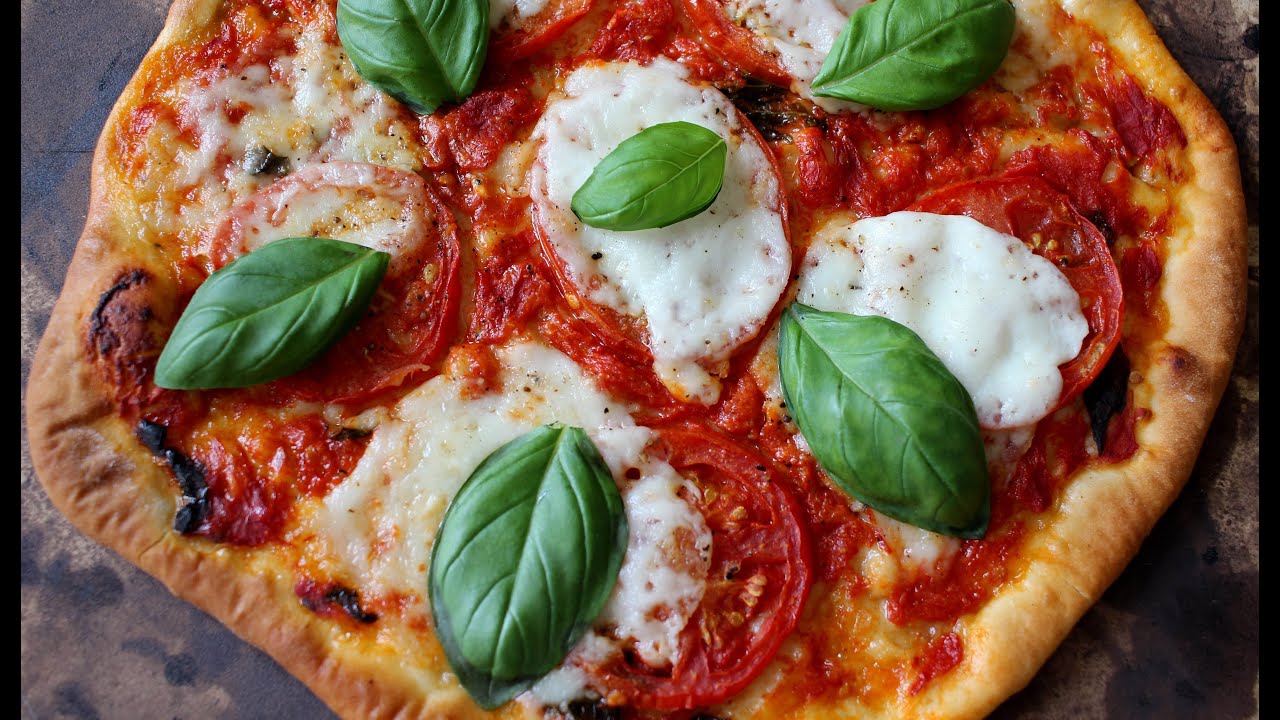
Margarita Pizza Recipe: Margarita pizza is more than just dough, sauce, and cheese—it’s a culinary classic that speaks the language of simplicity and flavor. Originating from the heart of Italy, this humble yet iconic dish is the go-to comfort food for many. Whether you’re a pizza enthusiast or just someone who loves trying new recipes, mastering the art of making Margarita pizza at home is a rewarding experience. It’s easy, fun, and the aroma that fills your kitchen is absolutely unbeatable.
But what exactly makes this pizza so special? It’s all in the balance. The fresh tomato sauce, the creamy mozzarella, the aromatic basil, and the perfectly crisp crust—each bite is a harmonious blend of flavors and textures. So, if you’ve ever wanted to learn how to make a restaurant-quality Margarita pizza from scratch, this guide is for you.
History of Margarita Pizza
Let’s take a quick trip back to 1889. Legend has it that Queen Margherita of Savoy visited Naples and was served a pizza crafted to represent the Italian flag—red (tomatoes), white (mozzarella), and green (basil). She loved it so much that the pizza was named in her honor: “Pizza Margherita.”
Though pizza has existed long before her royal taste test, this moment in history gave birth to the pizza we know and love today. It was the first time pizza was recognized as more than just street food—it was given a royal seal of approval. Since then, Margarita pizza has become a timeless classic.
Why Make Margarita Pizza at Home?
Sure, you can grab a frozen pizza or order delivery—but once you’ve tasted a freshly baked Margarita pizza made in your own kitchen, there’s no going back. Here’s why:
- Flavor: Homemade sauce, fresh dough, and high-quality mozzarella taste worlds apart from processed alternatives.
- Control: You choose the ingredients—no preservatives, no artificial flavors, just honest food.
- Fun: Making pizza is a great activity, whether you’re flying solo or cooking with friends and family.
- Affordable: For the price of one restaurant pizza, you can make multiple at home.
Plus, your kitchen will smell like a tiny Italian pizzeria. Who doesn’t want that?
Ingredients You’ll Need
Before we dive into the steps, let’s break down everything you’ll need to create the perfect Margarita pizza.
For the Dough:
- 3 ½ cups all-purpose flour (or ‘00’ pizza flour for extra smoothness)
- 1 ½ teaspoons salt
- 1 teaspoon sugar
- 1 packet (2 ¼ tsp) active dry yeast
- 1 ¼ cups warm water (110°F/45°C)
- 2 tablespoons olive oil
For the Sauce:
- 1 can (14 oz) San Marzano tomatoes (or any high-quality canned tomatoes)
- 1–2 cloves garlic, minced
- Salt to taste
- 1 tablespoon olive oil
- A pinch of sugar (optional)
- Fresh basil (a few leaves)
Toppings:
- 8 oz fresh mozzarella (preferably mozzarella di bufala or fior di latte)
- Fresh basil leaves
- Olive oil for drizzling
- Optional: pinch of sea salt or crushed red pepper
This minimalist ingredient list is what gives Margarita pizza its charm—simple, clean flavors with no distractions.
Tools and Equipment
Let’s talk tools. You don’t need a full-blown wood-fired oven to make great pizza at home, but a few key items will make the process smoother.
Essential Tools:
- Large mixing bowl
- Measuring cups and spoons
- Rolling pin or your hands for stretching dough
- Baking sheet or pizza stone
- Oven (the hotter, the better)
Optional but Helpful:
- Pizza peel (to transfer your pizza safely)
- Stand mixer with dough hook
- Pastry brush (for olive oil)
Using the right equipment makes your pizza-making journey much easier—and your crust much crispier.
Choosing the Right Tomatoes
Tomatoes are the heart of the sauce, and using high-quality tomatoes can truly elevate your pizza. If you’ve heard of San Marzano tomatoes, it’s for a good reason. Grown in the volcanic soil of Mount Vesuvius, these tomatoes are sweet, low in acidity, and perfectly balanced for pizza sauce.
Here’s a quick breakdown:
| Type of Tomato | Flavor Profile | Best For |
|---|---|---|
| San Marzano (canned) | Sweet, low-acid | Authentic Italian flavor |
| Roma (fresh) | Mildly sweet | Homemade sauces |
| Regular canned tomatoes | Acidic, tangy | Budget-friendly option |
Pro tip: If you can’t find San Marzano, go for whole canned tomatoes with no added herbs or spices. You want the clean, fresh tomato taste to shine.
The Perfect Pizza Dough
This is the soul of your pizza. A good dough should be airy, elastic, and crisp on the edges with a slight chew in the center. The secret lies in slow fermentation and proper kneading.
Instructions:
- In a bowl, dissolve sugar in warm water and sprinkle yeast on top. Let sit for 5–10 minutes until foamy.
- Add flour, salt, and olive oil. Mix until a dough forms.
- Knead the dough on a floured surface for about 8–10 minutes.
- Place in a greased bowl, cover with a damp towel, and let it rise in a warm spot for 1–2 hours or until doubled in size.
Want more flavor? Let the dough rise overnight in the fridge. This slower fermentation enhances both texture and taste.
How to Make Pizza Sauce
Now that your dough is rising, it’s time to move on to the sauce. Unlike pasta sauces, pizza sauce is typically uncooked before baking because it gets plenty of time to cook in the oven. This keeps the sauce tasting fresh and vibrant, just like in Naples.
Quick Pizza Sauce Recipe:
- Pour the canned San Marzano tomatoes into a bowl.
- Crush the tomatoes by hand or use a food processor for a smoother texture.
- Stir in minced garlic, a drizzle of olive oil, and a pinch of salt.
- Add a pinch of sugar if the tomatoes are too acidic.
- Tear in a few fresh basil leaves for aroma and flavor.
No cooking required! The sauce will cook along with your pizza in the oven, preserving its bright, tomato-forward flavor.
Pro tip: Let the sauce rest for 30 minutes so the flavors can meld. You’ll notice a big difference in taste.
The Role of Mozzarella
Mozzarella is the star of the show—no question about it. But not all mozzarella is created equal, especially when it comes to pizza.
Which Mozzarella is Best?
- Fresh Mozzarella di Bufala: Creamy and rich, slightly tangy, perfect for authentic flavor.
- Fior di Latte (cow’s milk mozzarella): Milder and more common; melts beautifully.
- Low-moisture mozzarella (pre-shredded): Easy to use but lacks the creamy texture and flavor.
If you’re going the traditional route, skip the shredded stuff and slice fresh mozzarella into thin rounds. Just make sure to drain and pat it dry before using, or you’ll end up with a watery pizza.
Storage Tip: Keep fresh mozzarella in its brine until you’re ready to use it. Once opened, use it within a couple of days.
The Importance of Fresh Basil
Basil isn’t just a garnish—it’s a key player. It adds an herbaceous, slightly sweet aroma that balances the acidity of the tomatoes and the richness of the cheese.
But timing is everything.
When Should You Add Basil?
- Before baking: Basil will crisp up and darken, giving a roasted flavor.
- After baking: Basil stays bright green and aromatic.
Honestly, the best approach? Do both. Add a few leaves before baking, and then toss on some fresh ones right out of the oven. Drizzle a bit of olive oil on top to activate all those lovely essential oils in the basil.
Step-by-Step Guide to Making Margarita Pizza
Here comes the heart of this recipe—assembling and baking your pizza. Follow this step-by-step guide to nail the process like a pro.
Step 1: Prepare the Dough
Begin by mixing warm water, yeast, sugar, flour, salt, and olive oil to create a soft dough. Knead until smooth and elastic, then place it in a greased bowl to rise for 1–2 hours. The dough should double in size, becoming airy and easy to stretch.
Step 2: Make the Sauce
Prepare a simple tomato sauce by blending crushed tomatoes with garlic, olive oil, salt, and basil. Simmer briefly to deepen the flavor, or keep it fresh and uncooked for a more traditional Neapolitan-style taste.
Step 3: Stretch the Dough
Once risen, punch down the dough and transfer it to a floured surface. Gently stretch it outward using your hands—avoid using a rolling pin to keep the dough light and bubbly. Form a round pizza base with slightly raised edges.
Step 4: Assemble the Pizza
Spread a thin layer of tomato sauce over the dough. Add slices of fresh mozzarella and scatter a few basil leaves. Drizzle lightly with olive oil and season with a pinch of salt.
Step 5: Bake to Perfection
Bake in a preheated oven at the highest temperature (450–500°F or higher) for 8–12 minutes, until the crust is golden and the cheese is melted. Finish with fresh basil and serve hot.
Baking Tips for a Crispy Crust
The secret to a truly Italian-style pizza crust is high heat and the right surface.
Here’s how to get that perfect crust:
- Use a pizza stone or steel: It mimics the high heat of a wood-fired oven. Preheat it for at least 45 minutes.
- Crank up the heat: 500°F (260°C) or as high as your oven allows. Don’t be shy with the temperature.
- Don’t overload toppings: Too much sauce or cheese will make the crust soggy.
- Use parchment paper to easily slide your pizza in and out of the oven.
Bonus Tip: Finish your pizza with a quick broil for 30 seconds for that leopard-spot finish.
Serving Suggestions
While Margarita pizza is perfect on its own, you can definitely take it up a notch with some smart pairings.
Here are a few ideas:
- Wine: A light red like Chianti or a crisp white like Pinot Grigio.
- Beer: A crisp lager or Italian Pilsner.
- Salads: Arugula with lemon vinaigrette or a Caprese salad with tomatoes and mozzarella.
- Sides: Garlic knots, roasted veggies, or even some herbed olives.
Serve your pizza hot—right out of the oven is best. Let it sit for 2 minutes before slicing so the cheese doesn’t slide right off.
Storage and Reheating
Got leftovers? No worries! Here’s how to store and reheat your pizza while keeping that amazing texture.
Storing:
- Let the pizza cool to room temperature.
- Store slices in an airtight container or wrap in foil.
- Refrigerate for up to 3 days.
Reheating:
- Skillet method (best): Heat a skillet over medium heat, add the slice, cover with a lid, and cook for 4–5 minutes.
- Oven method: Preheat oven to 375°F (190°C), bake pizza on a tray for 10 minutes.
- Avoid microwave: It makes the crust chewy and soggy.
Freezing Tip: You can freeze the dough or even the fully baked pizza. Wrap tightly and store for up to a month.
Common Mistakes to Avoid
Even simple recipes have their pitfalls. Here are some common Margarita pizza mistakes and how to dodge them:
1. Overworking the Dough
- Let the dough rest. If it’s snapping back, give it more time.
2. Too Much Sauce or Cheese
- Less is more with Margarita. You want balance, not a pizza soup.
3. Skipping the Preheat
- A hot oven is non-negotiable. Cold oven = pale, undercooked crust.
4. Using Wet Mozzarella
- Always pat it dry with a paper towel before placing it on the pizza.
5. Not Letting the Dough Rise Enough
- Rushing the rise results in a dense, chewy base.
Avoid these, and you’ll have a pizza that rivals your favorite pizzeria.
FAQs about Margarita Pizza Recipe
1. Can I use all-purpose flour for the dough?
Yes! All-purpose flour works well, though ’00’ flour gives a silkier texture.
2. How long should I let my dough rise?
At least 1–2 hours at room temp or overnight in the fridge for deeper flavor.
3. Can I freeze homemade pizza?
Absolutely. Freeze the baked pizza or raw dough. Thaw in the fridge overnight before use.
4. What’s the best mozzarella for Margarita pizza?
Fresh mozzarella di bufala is ideal, but fior di latte is also excellent.
5. Can I use dried basil instead of fresh?
You can, but it won’t have the same aromatic punch. Add it to the sauce, not the topping.
Conclusion
There you have it—your full guide to making the perfect homemade Margarita pizza. From kneading the dough to layering the toppings and baking it just right, you’re now armed with everything you need to bring a taste of Naples to your kitchen. It’s all about simplicity, good ingredients, and a bit of patience.
So go ahead, roll up your sleeves, and make your pizza night unforgettable. Whether it’s a solo cooking session, a date night, or a family feast, Margarita pizza is always a crowd-pleaser.