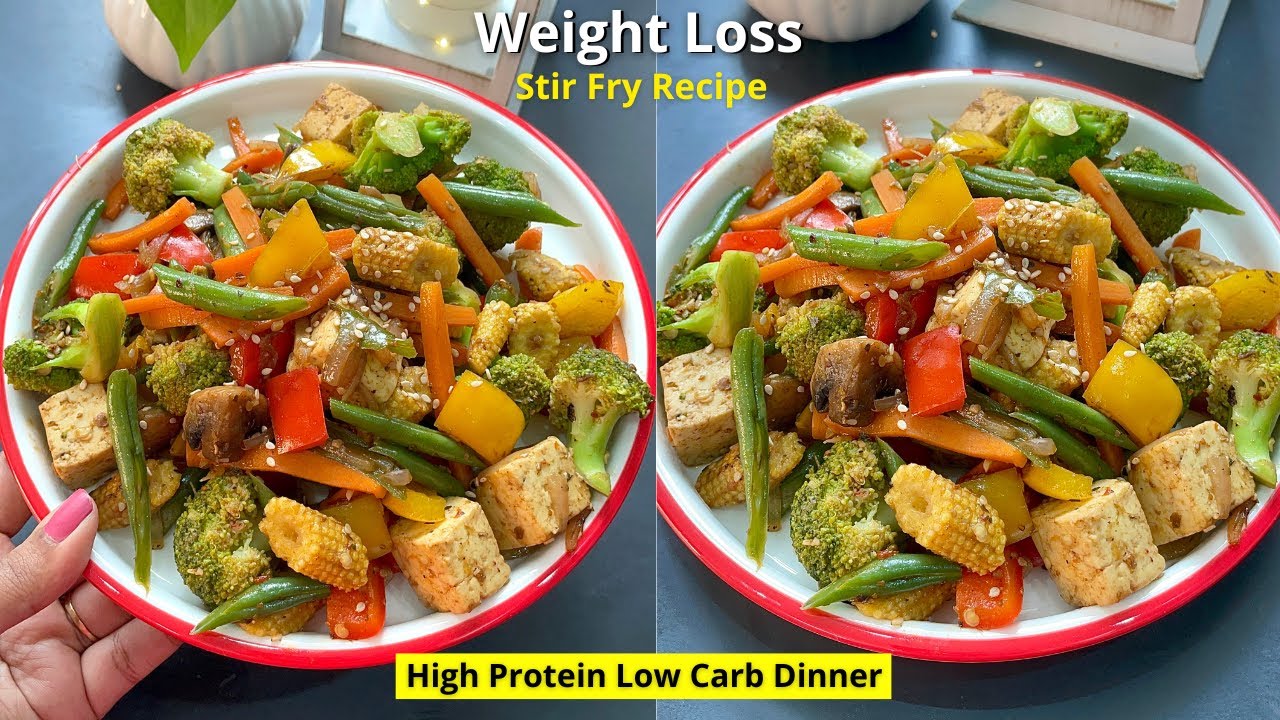
Low-Carb Recipes for Weight Loss: Ever felt like your diet just isn’t working anymore? You’re not alone. Millions of people try and fail with fad diets, calorie counting, and endless cardio. But what if I told you that the solution could be as simple as cutting carbs? That’s right—low-carb eating has been a game-changer for so many people. Whether you want to shed a few pounds or transform your entire lifestyle, this guide will walk you through everything you need to know—step-by-step.
Low-carb diets don’t mean bland salads or boring meals. We’re talking about mouthwatering breakfasts, hearty dinners, and even sweet treats that won’t blow your progress. The best part? You don’t need to be a professional chef or a nutritionist. All you need is the right guide—and that’s exactly what this is.
In this article, I’ll show you how to make easy, delicious low-carb meals, what ingredients you need, and how to stick with it for lasting weight loss. So, grab your grocery list—we’re about to get started on your transformation journey.
What is a Low-Carb Diet?
Before we dive into recipes, let’s clear up what a low-carb diet actually is. Simply put, it’s a way of eating where you minimize your carbohydrate intake—things like bread, pasta, rice, and sugar—and instead, load up on proteins, healthy fats, and non-starchy vegetables.
Why does this work? When you cut carbs, your body stops using glucose (sugar) as its primary energy source and starts burning fat instead. This process is called ketosis (especially in the keto version of low-carb), and it’s the magic behind fast, sustainable fat loss.
You’re not just losing water weight here. You’re training your body to become a fat-burning machine. Plus, you’ll notice other benefits too—like reduced cravings, better focus, more energy, and fewer blood sugar spikes throughout the day.
And no, carbs are not evil. They just need to be used wisely. In this guide, you’ll learn how to balance your meals so you’re full, energized, and on track to your weight loss goals—all without feeling deprived.
How Low-Carb Helps with Weight Loss
So, what makes low-carb eating so effective for shedding pounds? It boils down to a few powerful effects on your body.
First off, carbs trigger insulin—the hormone that tells your body to store fat. When you lower your carb intake, your insulin levels drop, which signals your body to start burning stored fat instead of storing more. That’s a pretty big win if your goal is weight loss.
Second, cutting carbs naturally reduces your appetite. Foods like protein and fat are more satisfying than sugar-laden meals. You’ll notice that you’re fuller for longer, and you’re less likely to snack or binge eat.
Third, low-carb eating stabilizes blood sugar. No more crashing at 3 PM or feeling like you need another snack to get through the day. Your energy levels become more even, which helps with mood, focus, and even better sleep.
Lastly, it’s not just about losing weight—it’s about losing the right kind of weight. Low-carb diets help preserve muscle mass while burning fat, especially if you combine them with resistance training.
Types of Low-Carb Diets
Not all low-carb diets are created equal. Depending on your goals, lifestyle, and body type, one version might work better than another.
Standard Low-Carb Diet (SLC)
This is the most flexible option. You keep carbs under around 100-150g per day and focus on whole foods like lean meats, vegetables, and healthy fats.
Ketogenic Diet (Keto)
This is a very low-carb, high-fat diet (typically under 20-50g carbs/day). It pushes your body into ketosis, which is great for fat burning but requires strict adherence.
Atkins Diet
Atkins starts with very low carbs, then gradually reintroduces them over time. It’s more structured but still very effective.
Paleo Low-Carb
Paleo is all about eating like our ancestors—no grains, legumes, or processed food. When combined with low-carb principles, it becomes a powerful weight loss combo.
Each of these has pros and cons. The key is to pick one that fits your life, not the other way around. And don’t worry—you can always tweak things as you go.
Low-Carb Food Pyramid
Let’s rethink the traditional food pyramid and flip it upside down—because with low-carb, the focus is completely different.
What to Eat More Of:
- Leafy greens (spinach, kale, romaine)
- Cruciferous veggies (broccoli, cauliflower, cabbage)
- Healthy fats (avocados, olive oil, coconut oil)
- Lean proteins (chicken, turkey, eggs, fish)
- Nuts and seeds (almonds, chia, flax)
- Low-carb fruits (berries, avocado, olives)
Eat Occasionally:
- Dairy (cheese, yogurt, cream)
- Root vegetables (carrots, beets, parsnips)
- Dark chocolate (85% cocoa or higher)
Avoid Completely:
- Bread, pasta, rice
- Sugary drinks and snacks
- Starchy vegetables (potatoes, corn)
- Most processed foods and junk food
Build your meals around whole foods, and you’ll already be miles ahead. Want to make it even easier? Check the next section for a full ingredients list.
List of Ingredients You’ll Need
Stocking your kitchen with the right ingredients is the first step to success. Here’s what you need to have on hand:
Proteins:
- Chicken breasts/thighs
- Ground turkey or beef
- Salmon, tuna, or cod
- Eggs (organic if possible)
- Bacon (look for sugar-free)
- Tofu or tempeh (if vegetarian)
Low-Carb Vegetables:
- Broccoli
- Cauliflower
- Spinach
- Zucchini
- Bell peppers
- Cabbage
- Mushrooms
Healthy Fats:
- Avocados
- Coconut oil
- Olive oil
- Grass-fed butter or ghee
- Nuts (almonds, macadamias, walnuts)
- Seeds (chia, flax, pumpkin)
Herbs and Spices:
- Garlic
- Basil
- Oregano
- Paprika
- Cumin
- Black pepper
- Himalayan salt
Optional Extras:
- Almond flour
- Coconut flour
- Stevia or erythritol
- Unsweetened cocoa powder
- Apple cider vinegar
- Bone broth
This ingredient list will help you whip up dozens of meals without needing a new grocery trip every time. Think of it as your “go-to” low-carb pantry.
Kitchen Tools That Make Things Easier
Cooking low-carb doesn’t have to mean long hours in the kitchen or complicated gadgets. But having a few reliable kitchen tools on hand can seriously speed things up and improve your cooking experience—especially if you’re prepping meals often.
Must-Have Tools for Beginners:
- Non-Stick Skillet – Perfect for eggs, stir-fry, and pan-seared meats.
- Cutting Board + Sharp Knives – Prepping veggies and proteins is way easier when your knives don’t fight back.
- Blender or Food Processor – Great for sauces, soups, smoothies, and even low-carb desserts.
- Measuring Cups & Spoons – Essential for tracking macros and staying consistent.
- Storage Containers – For portion control and meal prepping your week.
Bonus Tools for Serious Meal Preppers:
- Air Fryer – Makes crispy, low-carb snacks and main dishes with minimal oil.
- Spiralizer – Turn zucchini and other veggies into “noodles” in seconds.
- Slow Cooker or Instant Pot – Great for soups, stews, or meal prepping large batches.
- Digital Scale – For tracking protein and carb intake precisely.
- Cast Iron Pan – Holds heat well and makes meals taste next-level good.
Having the right tools makes cooking smoother, faster, and more fun. Plus, once you start seeing results from your low-carb meals, you’ll actually want to spend time cooking!
Step-by-Step Guide to Cooking Low-Carb Meals
Now that your pantry’s stocked and your kitchen is ready, let’s walk through the basic process of cooking a low-carb meal. It’s not as intimidating as it sounds. In fact, once you get into a rhythm, it becomes second nature.
1. Plan Your Meal
- Choose your protein base – Chicken, fish, beef, or plant-based.
- Pick 1–2 low-carb veggies – Think color and crunch.
- Add a healthy fat – Avocado, olive oil, or some cheese.
2. Prep Your Ingredients
- Wash and chop your veggies.
- Trim and season your meat or protein.
- Portion your ingredients so you’re not tempted to go overboard.
Pro tip: Prepping all your ingredients before cooking (a method called mise en place) will save you from scrambling mid-recipe.
3. Cook Smart
- Start with high-heat searing for meats to lock in flavor.
- Use low-heat simmering or roasting for veggies to keep nutrients intact.
- Avoid overcooking, especially when working with lean proteins like chicken breast.
4. Flavor Without Sugar or Carbs
- Use herbs, garlic, onions, and spices to create depth.
- A splash of lemon or vinegar can brighten flavors without adding carbs.
- Hot sauces, mustards, and sugar-free dressings can boost taste without guilt.
5. Portion and Store
- Divide into individual containers if meal prepping.
- Use labels to track macros, dates, and ingredients.
- Freeze portions that won’t be used within 3 days.
Once you go through this a few times, you’ll start seeing how flexible and easy low-carb cooking really is. It’s all about balance, prep, and building meals around real, whole foods.
Breakfast Recipes
Skipping breakfast? Not anymore. These low-carb breakfast recipes are quick, satisfying, and perfect for setting the tone for a fat-burning day.
Low-Carb Egg Muffins
Ingredients:
- 6 large eggs
- 1/2 cup chopped spinach
- 1/4 cup diced bell peppers
- 1/4 cup shredded cheese
- Salt and pepper
- Optional: diced turkey or bacon
Instructions:
- Preheat oven to 375°F (190°C).
- Whisk eggs in a large bowl. Add veggies, cheese, and seasoning.
- Pour into greased muffin tins.
- Bake for 18–20 minutes or until set.
These are perfect for meal prep—just store in the fridge and microwave as needed.
Chia Seed Pudding
Ingredients:
- 2 tbsp chia seeds
- 1/2 cup unsweetened almond milk
- 1/4 tsp vanilla extract
- Stevia or erythritol to taste
- Optional: berries, nuts
Instructions:
- Mix all ingredients in a jar or container.
- Let sit for 10 minutes, then stir again.
- Refrigerate overnight.
By morning, you’ve got a creamy, fiber-packed breakfast that keeps you full for hours!
Lunch Recipes
Lunchtime can be a danger zone for carbs—sandwiches, pasta, rice bowls. But these two recipes keep things light, filling, and guilt-free.
Grilled Chicken Lettuce Wraps
Ingredients:
- 1 lb chicken breast, grilled and sliced
- 1 head romaine or butter lettuce
- 1/2 avocado, sliced
- 1/4 cup chopped tomatoes
- 2 tbsp sour cream or Greek yogurt
- Taco seasoning
Instructions:
- Season and grill chicken until fully cooked.
- Separate lettuce leaves to form “wraps.”
- Add chicken, avocado, tomatoes, and sour cream.
- Roll up and devour.
These wraps are low in carbs but packed with flavor and protein.
Cauliflower Fried Rice
Ingredients:
- 1 head cauliflower, grated or “riced”
- 2 eggs
- 1/2 cup mixed veggies (peas, carrots, bell peppers)
- 2 tbsp soy sauce or coconut aminos
- Sesame oil
Instructions:
- Scramble eggs in sesame oil and set aside.
- Stir-fry veggies, then add riced cauliflower.
- Add eggs back in, pour in soy sauce, stir well.
This dish has all the comfort of takeout fried rice—with a fraction of the carbs!
Dinner Recipes
Dinner is your chance to end the day strong without a heavy carb load. These low-carb dinners are flavorful and easy enough for weeknights.
Zucchini Noodles with Pesto
Ingredients:
- 2 medium zucchinis, spiralized
- 1/4 cup pesto (homemade or store-bought, low-carb)
- Cherry tomatoes
- Grated parmesan
- Olive oil
Instructions:
- Heat olive oil in a pan, toss in zoodles.
- Cook for 2–3 minutes (don’t overdo it).
- Stir in pesto, cherry tomatoes, and cheese.
- Serve hot with grilled chicken or shrimp.
It’s pasta night—without the carb crash.
Baked Salmon with Garlic Broccoli
Ingredients:
- 2 salmon fillets
- 1 tbsp olive oil
- 1 tsp lemon juice
- 2 cups broccoli florets
- 2 garlic cloves, minced
Instructions:
- Preheat oven to 400°F (200°C).
- Season salmon with lemon, salt, pepper.
- Place salmon and broccoli on a baking tray. Drizzle with oil and garlic.
- Bake for 15–20 minutes.
High in omega-3s, fiber, and protein—this meal keeps you full and satisfied.
Snack Ideas
Let’s be real—snacking is where most diets get derailed. But on a low-carb diet, you don’t have to suffer through the mid-day munchies. The key is to keep snacks simple, satisfying, and low in net carbs.
Cheese Crisps
Ingredients:
- 1 cup shredded cheddar or parmesan cheese
- Optional: paprika, garlic powder, or Italian seasoning
Instructions:
- Preheat oven to 400°F (200°C).
- Line a baking sheet with parchment paper.
- Place tablespoon-sized mounds of cheese on the sheet, spaced out.
- Sprinkle with seasoning if desired.
- Bake for 5–7 minutes until golden and crispy.
These are crunchy, cheesy, and perfect for when you’re craving chips—without the carb overload.
Cucumber Boats with Tuna Salad
Ingredients:
- 1 cucumber, halved lengthwise and seeds scooped
- 1 can tuna
- 1 tbsp mayo or Greek yogurt
- 1 tsp Dijon mustard
- Salt, pepper, chopped celery
Instructions:
- Mix tuna with mayo, mustard, and seasonings.
- Spoon the mixture into cucumber “boats.”
- Top with paprika or chopped herbs for extra flavor.
These make a refreshing, protein-packed snack that hits the spot between meals.
Low-Carb Desserts
Yes, you can have dessert—and stay in ketosis. These sweet treats are low in sugar and carbs but rich in flavor and satisfaction. Say goodbye to guilt and hello to indulgence.
Keto Chocolate Mug Cake
Ingredients:
- 2 tbsp almond flour
- 1 tbsp unsweetened cocoa powder
- 1 tbsp erythritol or stevia
- 1 egg
- 1 tbsp melted butter
- 1/4 tsp baking powder
- Dash of vanilla extract
Instructions:
- Mix all ingredients in a microwave-safe mug.
- Microwave for 60–90 seconds until firm but moist.
- Optional: Top with whipped cream or berries.
This quick-fix dessert is rich, fluffy, and ready in minutes. Perfect for nighttime cravings.
Coconut Fat Bombs
Ingredients:
- 1/2 cup coconut oil
- 1/2 cup shredded unsweetened coconut
- 2 tbsp almond butter
- 1 tbsp cocoa powder
- Stevia to taste
- 1/2 tsp vanilla extract
Instructions:
- Melt coconut oil and almond butter together.
- Stir in cocoa, sweetener, coconut, and vanilla.
- Pour into silicone molds or mini cupcake liners.
- Freeze for 30 minutes or until solid.
Keep these on hand for a quick bite of energy and sweetness without the sugar spike.
Meal Prep and Planning Tips
Let’s face it: life gets busy. If you don’t plan, chances are you’ll reach for convenience foods—and those are usually packed with carbs. Meal prepping is your safety net.
1. Set a Weekly Menu
- Pick 2–3 recipes for each meal (breakfast, lunch, dinner).
- Rotate them to avoid boredom.
- Make a grocery list from your recipes to avoid impulse buys.
2. Prep in Batches
- Cook proteins in bulk: grilled chicken, ground turkey, boiled eggs.
- Chop veggies and store them in airtight containers.
- Prepare snacks and portion them out for grab-and-go ease.
3. Store Smart
- Use clear containers so you can see what’s inside.
- Label meals with dates and macros.
- Freeze meals you won’t eat within a few days.
4. Use Themes to Simplify
- Monday = Stir-fry Night
- Tuesday = Taco Lettuce Wraps
- Wednesday = Sheet Pan Dinner
- Thursday = Zoodle Pasta
- Friday = Fish or Seafood
Meal prepping takes the guesswork out of eating—and keeps you consistent, which is the real key to weight loss success.
Common Mistakes to Avoid
Even though low-carb seems simple, there are a few traps many fall into. Let’s clear those up so you can stay on track.
1. Eating Too Much Protein
Contrary to popular belief, a low-carb diet is not a high-protein diet. When you eat too much protein, your body can convert it into glucose through a process called gluconeogenesis—which can slow down fat burning. Instead, balance your plate with healthy fats and keep protein moderate.
2. Forgetting to Eat Enough Fat
Fat is your friend here! It keeps you full, supports hormone health, and provides energy when carbs are low. Don’t skimp on avocados, oils, nuts, and seeds. If you’re feeling tired, cranky, or constantly hungry, it might be because you’re not getting enough fat.
3. Skipping Fiber
Cutting carbs often means cutting out fiber-rich foods like fruits and grains. But fiber is essential for digestion and satiety. Load up on non-starchy veggies, chia seeds, flaxseeds, and avocados to keep your gut happy and your hunger in check.
4. Not Drinking Enough Water
When you eat fewer carbs, your body flushes out water and electrolytes faster. This can lead to dehydration or “keto flu” symptoms. Drink plenty of water and consider adding a pinch of salt or drinking bone broth to replenish electrolytes.
5. Giving Up Too Soon
The first week of low-carb can be tough—especially if your body is used to a high-sugar diet. Headaches, fatigue, and cravings are normal. But they usually fade after a few days. Stick with it and you’ll start seeing real, lasting results.
FAQs about Low-Carb Recipes for Weight Loss
1. Can I eat fruit on a low-carb diet?
Yes, but choose low-sugar fruits like berries, avocados, and olives. Avoid high-sugar fruits like bananas, mangoes, and grapes, especially if you’re trying to stay in ketosis.
2. Is dairy allowed on a low-carb diet?
Yes, but in moderation. Full-fat options like cheese, cream, and Greek yogurt are best. Watch out for hidden sugars in flavored or low-fat products.
3. How quickly can I lose weight on a low-carb diet?
Many people lose 5–10 pounds in the first week (mostly water weight) and then 1–2 pounds per week steadily. Results vary based on metabolism, consistency, and activity level.
4. Do I need to count calories on low-carb?
Not always. Many people naturally eat fewer calories when cutting carbs. But if your weight loss stalls, tracking calories and macros for a short time can help pinpoint issues.
5. Can I eat out while following a low-carb diet?
Absolutely! Just choose grilled meats, salads, and non-starchy sides. Ask for sauces and dressings on the side, and skip the bread or fries.
Conclusion
Low-carb eating doesn’t have to be boring, restrictive, or complicated. In fact, once you get the hang of it, it becomes second nature—and the results speak for themselves. From increased energy and focus to consistent weight loss and reduced cravings, the benefits are undeniable.
With the recipes, ingredient lists, and step-by-step tips in this guide, you now have everything you need to start your low-carb journey confidently. Start simple, stick to whole foods, and don’t be afraid to experiment with flavors.
Remember, this isn’t just a diet—it’s a lifestyle shift. Take it one meal at a time, prep ahead when you can, and focus on progress over perfection. You’ve got this.