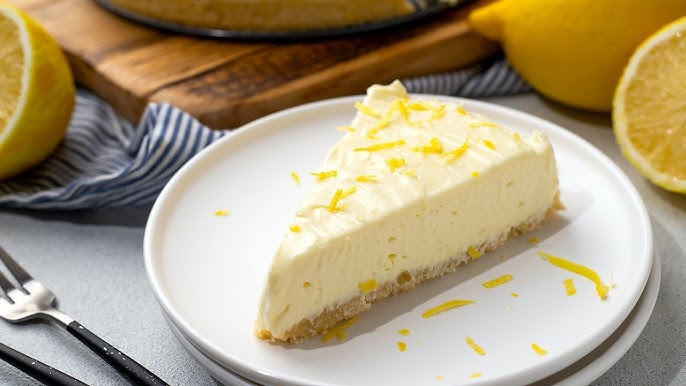
Keto Diet Cheesecake Recipe: Let’s be honest—cutting sugar is tough. Especially when you’re the kind of person who dreams about desserts. But here’s the good news: you don’t have to say goodbye to cheesecake just because you’re on a keto diet. In fact, keto cheesecake might just become your new favorite low-carb treat. It’s rich, creamy, and satisfying—minus the carb overload. If you’ve been searching for a keto dessert that doesn’t taste “diet,” this is the one.
Keto cheesecake is gaining popularity not just because it’s low-carb, but because it’s one of those rare keto-friendly desserts that actually tastes like the real thing. Whether you’re fully committed to a ketogenic lifestyle or just trying to reduce sugar in your diet, this cheesecake recipe is an absolute must-try.
What Makes This Cheesecake Keto?
The biggest difference between regular cheesecake and a keto version is sugar and crust ingredients. Traditional recipes are full of sugar and use graham crackers for the crust—definitely not keto-friendly. In our keto version, we swap those out for low-carb, high-fat alternatives that still bring all the flavor without the carb crash.
Instead of sugar, we use natural keto sweeteners like erythritol, monk fruit, or allulose. For the crust, almond flour or crushed pecans stand in for the usual graham crackers, and guess what? It works so well that most people won’t even notice the difference.
Why Keto Cheesecake is the Perfect Low-Carb Dessert
There are plenty of keto dessert options out there, but cheesecake stands out for a few reasons. First, it’s naturally high in fat, which fits perfectly with keto macronutrient needs. Second, it’s super versatile. Want to add a berry swirl? Go for it. Prefer a chocolate version? Easy.
Plus, it’s one of the few desserts that actually gets better after sitting in the fridge. That means you can prep it ahead of time, and it will taste even better the next day. It satisfies cravings without knocking you out of ketosis, making it the ultimate guilt-free indulgence.
The Secret to Making it Taste Like the Real Thing
The magic is in the texture and flavor balance. A proper keto cheesecake should be silky-smooth, creamy, and slightly tangy, just like a traditional New York-style cheesecake. To get that right, you’ll need a few tricks:
- Use full-fat cream cheese – no low-fat versions, ever.
- Let your ingredients come to room temperature before mixing to avoid lumps.
- Don’t overbake – it should still have a slight jiggle in the center when it’s done.
And the sweetener? Not all sugar substitutes are created equal. Some can leave a weird aftertaste or grainy texture. We’ll go over the best ones to use in a bit.
List of Ingredients You’ll Need
Here’s what you’ll need for the perfect keto cheesecake, broken down into parts.
For the Crust
- 1 ½ cups almond flour (or finely ground pecans)
- ⅓ cup melted butter (grass-fed if possible)
- 2 tablespoons powdered erythritol or monk fruit
- ½ teaspoon cinnamon (optional)
- Pinch of salt
For the Filling
- 24 oz (three 8 oz blocks) full-fat cream cheese, softened
- 3 large eggs (room temperature)
- 1 cup powdered erythritol, monk fruit, or allulose
- 1 cup sour cream
- 1 tablespoon vanilla extract
- 1 tablespoon lemon juice (optional, for brightness)
Optional Toppings
- Fresh berries (raspberries, blackberries, strawberries – in moderation)
- Sugar-free whipped cream
- Keto caramel or chocolate drizzle
Essential Kitchen Tools for the Perfect Cheesecake
- 9-inch springform pan
- Mixing bowls
- Electric hand mixer or stand mixer
- Rubber spatula
- Parchment paper
- Baking sheet
- Cooling rack
- Foil (for water bath, optional)
These tools help with even cooking and easy cleanup, and they’re especially useful if you want that picture-perfect cheesecake look.
Step-by-Step Guide to Making Keto Cheesecake
Let’s break this down into simple, actionable steps. No fancy chef skills required—just follow along.
Step 1: Prepare the Crust
Mix almond flour, melted butter, a pinch of salt, and your preferred keto-friendly sweetener until the mixture resembles damp sand. Press it firmly into the bottom of a springform pan to create an even crust. Bake briefly to set and give it a slight golden color.
Step 2: Make the Creamy Filling
Beat softened cream cheese until smooth, then add eggs, vanilla extract, lemon juice, and a low-carb sweetener. Mix until creamy but avoid overbeating to prevent cracks later.
Step 3: Assemble and Bake
Pour the filling over the cooled crust. Tap the pan gently to remove air bubbles. Bake at a low temperature until the edges are set but the center still jiggles slightly.
Step 4: Let It Cool
Turn off the oven and let the cheesecake cool gradually with the door slightly open. This helps prevent cracks and keeps the texture silky.
Step 5: Chill Before Serving
Refrigerate for at least 4–6 hours, or overnight, for the perfect firm and creamy keto cheesecake. Enjoy!
Tips for the Creamiest Texture
Want that ultra-smooth, bakery-quality cheesecake every time? Here’s how to level it up:
- Room Temperature Ingredients: This is non-negotiable. Cold cream cheese or eggs will leave lumps.
- Don’t Overmix: Overmixing adds air, which can cause cracks and a fluffier (instead of creamy) texture.
- Bake in a Water Bath: It’s a game-changer for texture. Keeps the temperature consistent and the steam helps keep it moist.
- Let It Jiggle: The center should still wobble a bit when it’s done—it will firm up as it cools.
- Chill Overnight: Rushing the chill time means you miss out on the full flavor and structure.
Remember, cheesecake is like fine wine—it gets better with time!
Common Mistakes to Avoid
Even seasoned bakers mess up cheesecake sometimes. Here’s what to watch out for:
- Using Low-Fat Dairy: Always go full-fat for best flavor and consistency.
- Skipping the Water Bath: Yes, it’s extra work, but it makes a huge difference in texture and appearance.
- Overbaking: This is the #1 cause of dry cheesecake. When in doubt, take it out!
- Cutting Too Soon: It needs several hours to chill and set properly. Be patient—it’s worth it.
- Not Measuring Sweetener Correctly: Different keto sweeteners have varying levels of sweetness. Taste the batter and adjust if needed.
Ingredient Substitutes You Can Try
Need to tweak the recipe a bit? Here are some handy keto-friendly swaps:
- Almond Flour Crust: Swap with crushed pecans or walnuts if you want a different nutty flavor.
- Sweeteners: Allulose gives the smoothest texture, but monk fruit and erythritol work too. Avoid stevia-only blends—they often leave a bitter aftertaste.
- Sour Cream: Can be replaced with Greek yogurt (unsweetened, full-fat) for a tangier profile.
- Lemon Juice: Not a fan? Leave it out or use a bit of orange zest (keto-friendly in small amounts).
These substitutions make it easy to personalize the cheesecake to your taste without bumping up the carb count.
Can You Make it Dairy-Free?
Yes, with a few smart swaps. Here’s how to go dairy-free and still keto:
- Cream Cheese: Use plant-based cream cheese alternatives (like Kite Hill or Tofutti).
- Sour Cream: Coconut cream or unsweetened almond yogurt makes a good replacement.
- Butter in the Crust: Swap for coconut oil or vegan butter.
Keep in mind, the flavor and texture may vary slightly, but it still turns out rich and delicious. Also, double-check that your plant-based alternatives don’t contain added sugars or starches.
Storage and Shelf-Life of Keto Cheesecake
Once your cheesecake masterpiece is complete, you’ll want to know how to store it properly so it stays fresh and delicious. The good news? Keto cheesecake keeps really well—another reason it’s a go-to keto dessert!
After chilling it overnight and slicing into it, store any leftovers in an airtight container or wrap the pan tightly with plastic wrap. It will last in the refrigerator for up to 5–7 days. Make sure it stays covered so it doesn’t absorb any funky fridge smells or lose moisture.
If you’ve made a large batch or want to portion it out for the week, you can pre-slice the cheesecake and place parchment paper between slices to keep them from sticking. This way, you can grab a slice whenever the craving hits—no mess, no fuss.
How to Freeze Keto Cheesecake the Right Way
Want to enjoy cheesecake weeks later? Freezing is your best friend—and yes, keto cheesecake freezes beautifully.
Here’s how to do it right:
- Cool the cheesecake completely in the fridge first.
- Slice it or freeze it whole—your choice.
- If slicing, wrap each individual piece tightly in plastic wrap, then foil.
- Place the wrapped slices (or the whole cake) in a freezer-safe container or zip-top bag.
- Label with the date. You can freeze it for up to 2–3 months.
To thaw, just move the cheesecake from the freezer to the fridge the night before. It’ll be ready to eat the next day with all its flavor and texture intact.
Avoid microwaving it or letting it thaw on the counter, as that can mess with the texture and create a soggy mess.
Different Flavor Variations You Can Try
Once you’ve nailed the classic version, it’s time to get creative. Keto cheesecake is like a blank canvas—you can remix it in so many ways. Here are some of the most popular flavor twists:
1. Chocolate Keto Cheesecake
- Add ½ cup unsweetened cocoa powder to the filling.
- Mix in sugar-free chocolate chips or a drizzle of keto chocolate sauce on top.
2. Lemon or Lime Cheesecake
- Use lemon or lime juice and zest in the filling.
- Add a keto citrus glaze for an extra tangy punch.
3. Pumpkin Spice Cheesecake
- Mix in ½ cup canned pumpkin and 1 tsp pumpkin spice.
- Top with cinnamon whipped cream for a seasonal treat.
4. Berry Swirl Cheesecake
- Swirl in a few spoonfuls of smashed raspberries or blueberries sweetened with erythritol before baking.
- Garnish with fresh berries for extra flair.
5. Mocha Cheesecake
- Add espresso powder and cocoa powder to the filling.
- Top with a dusting of cocoa and a sprinkle of sugar-free chocolate shavings.
The possibilities are endless, and since you’re in control of the ingredients, you can keep it keto no matter how creative you get.
FAQs about Keto Diet Cheesecake Recipe
1. Can I make this cheesecake without a crust?
Absolutely! A crustless keto cheesecake is just as delicious and even lower in carbs. Just grease your pan well and skip the crust step.
2. What’s the best sweetener to use?
Allulose is often preferred because it tastes closest to sugar and leaves no aftertaste. Monk fruit and erythritol blends work well too.
3. Can I use coconut flour instead of almond flour for the crust?
Coconut flour absorbs more liquid, so it’s not a 1:1 swap. You’d need less—about 1/3 of the amount—and maybe an extra egg or binder to hold it together.
4. My cheesecake cracked—what did I do wrong?
Most likely, it was overbaked or cooled too quickly. Use a water bath, don’t overmix, and let it cool slowly to avoid cracks.
5. Is this cheesecake diabetic-friendly?
Yes, since it’s low in carbs and doesn’t spike blood sugar, it’s a great option for many people with diabetes. Just double-check sweetener choices and portion sizes.
Conclusion
There you have it—a full breakdown of how to make a rich, creamy, and 100% keto-friendly cheesecake from scratch. Whether you’re new to the keto lifestyle or a seasoned low-carb warrior, this dessert is guaranteed to hit the spot.
The best part? You don’t have to sacrifice flavor or texture to stick to your health goals. With simple ingredient swaps and a few kitchen tricks, you’ll end up with a cheesecake that’s every bit as indulgent as the original—without the sugar crash.
So go ahead—grab your ingredients, preheat that oven, and treat yourself to a dessert that’s as satisfying as it is guilt-free. One bite, and you’ll wonder why you didn’t try this keto cheesecake sooner.