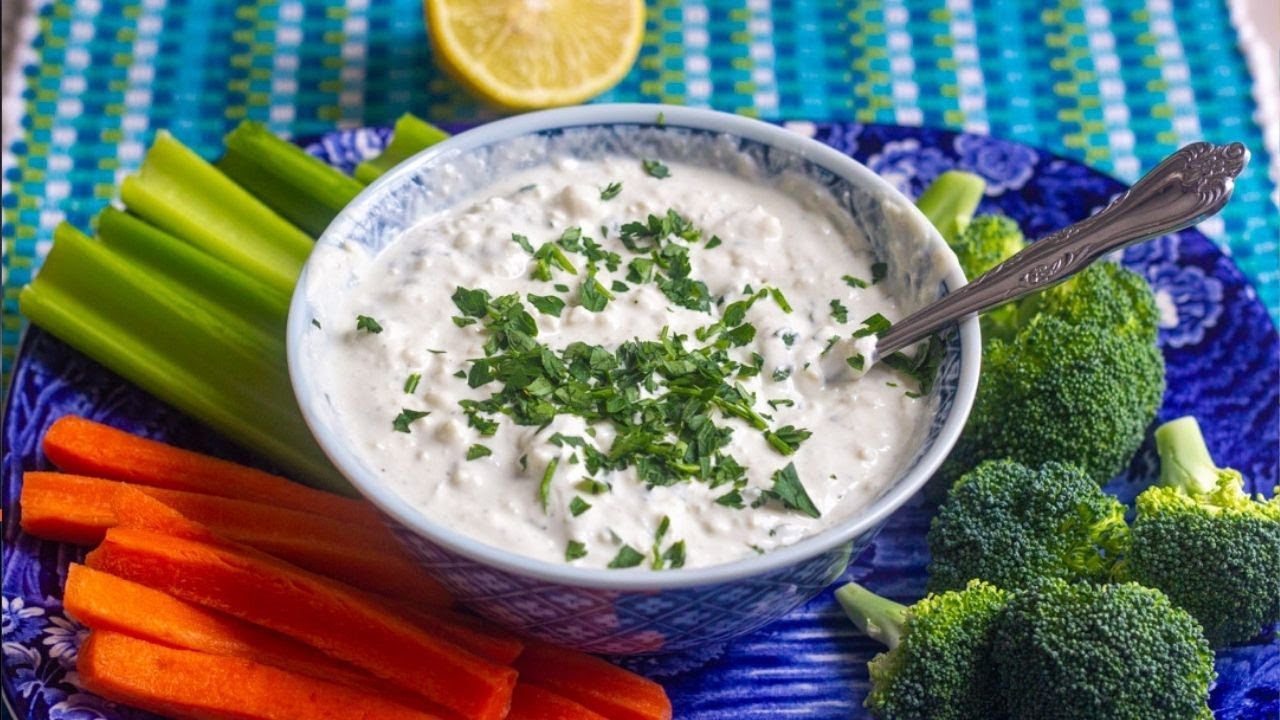
Bleu Cheese Dressing Recipe: Bleu cheese dressing is one of those love-it-or-hate-it kinds of condiments. But for those of us who love it, there’s simply nothing else like it. Creamy, tangy, salty, and rich, bleu cheese dressing adds a punch of flavor to everything from buffalo wings to wedge salads. But here’s the real secret: once you make it yourself, you’ll never go back to the store-bought version. Not only is it ridiculously easy to whip up, but it also tastes about a thousand times better. The flavors are brighter, the texture is creamier, and the bleu cheese… oh, the bleu cheese! It’s bold, funky, and completely in your control.
So if you’re tired of bland, overly processed dressings that taste more like mayonnaise than cheese, you’re in for a treat. This guide will take you step-by-step through making your own bleu cheese dressing right at home, with ingredients you probably already have in your fridge. We’ll talk about which bleu cheese is best, the importance of letting the flavors meld, and how to tweak the recipe to match your taste buds.
Let’s dive into the delicious, creamy world of homemade bleu cheese dressing.
Ingredients You’ll Need
There’s no rocket science here—just a few simple ingredients that come together in perfect harmony. The best part? Most of these items are already sitting in your fridge or pantry. Here’s everything you’ll need:
Essential Ingredients:
- Bleu Cheese (½ cup, crumbled): The star of the show. Choose a bold, flavorful cheese.
- Mayonnaise (½ cup): Adds creaminess and richness.
- Sour Cream (¼ cup): For tang and body.
- Buttermilk (2–3 tablespoons): Helps thin out the dressing and adds a lovely tang.
- White Wine Vinegar (1 tablespoon): Balances the richness with acidity.
- Garlic Powder (½ teaspoon): For depth of flavor.
- Salt & Black Pepper (to taste): Don’t skip the pepper—it enhances the cheese’s funk.
- Lemon Juice (optional – 1 teaspoon): Brightens the whole mix.
Optional Add-ins for Custom Flavor:
- Chopped fresh chives or parsley: Adds a bit of freshness and color.
- Worcestershire sauce: Just a dash adds umami depth.
- Greek yogurt: Sub in for sour cream for a healthier twist.
This ingredient list makes about 1 cup of dressing. Feel free to double or triple it if you’re feeding a crowd—or if you’re just as obsessed with bleu cheese as we are.
Choosing the Right Bleu Cheese
Not all bleu cheeses are created equal, and choosing the right one can take your dressing from good to gourmet. Let’s break down your options:
Popular Types of Bleu Cheese:
- Roquefort: Strong, tangy, and creamy. Made from sheep’s milk. Perfect if you like a punch of flavor.
- Gorgonzola: Milder and creamier than most. Great for people who are new to bleu cheese.
- Stilton: Crumbly, slightly nutty. Works wonderfully in dressings for a more subtle flavor.
Crumbled vs. Block Bleu Cheese
- Crumbled: Convenient, but often contains anti-caking agents that affect texture.
- Block: Fresher, creamier, and more flavorful. Always go with a block if possible and crumble it yourself.
When making dressing, go for a cheese that matches your preferred intensity. Like it strong and funky? Roquefort’s your guy. Want something mellower? Grab Gorgonzola.
Tools You’ll Need in the Kitchen
Let’s keep this simple. You don’t need a professional kitchen to whip up this dressing. Here’s all you’ll need:
Basic Utensils:
- Mixing bowl
- Whisk or fork
- Measuring spoons and cups
- Rubber spatula
Optional Equipment:
- Food processor or blender: If you want an ultra-smooth texture.
- Mason jar with lid: For easy storage and shaking before use.
The beauty of this recipe is that it’s totally low-tech. You can make it with just a bowl and a spoon if that’s all you have on hand.
Step-by-Step Guide to Making Bleu Cheese Dressing
Let’s get to the good part! Follow these steps closely for a creamy, tangy, and perfectly balanced bleu cheese dressing.
Step 1: Gather and Measure Ingredients
Before you begin, lay everything out. It makes the process so much smoother. Measure all your ingredients, crumble your cheese, and prepare your mixing bowl. Mise en place isn’t just for chefs—it’s for home cooks who want to avoid scrambling at the last second.
Step 2: Mash or Crumble the Bleu Cheese
Depending on the texture you want, mash about half of the bleu cheese into a paste using a fork. This releases its flavor into the dressing. Reserve the rest to fold in later for that signature chunky bite.
Step 3: Mix the Base (Sour Cream, Mayo, Buttermilk)
In your mixing bowl, combine mayo, sour cream, and 2 tablespoons of buttermilk. Whisk until smooth. The combo of mayo and sour cream creates the ideal creamy foundation, while the buttermilk thins it just enough for pourability.
Step 4: Blend in Vinegar, Seasonings, and Lemon Juice
Add the vinegar, garlic powder, lemon juice (if using), salt, and pepper. Whisk again. This is where the flavor really starts to come alive. Taste it—if it’s too thick, add a bit more buttermilk. If it’s too tangy, a pinch of sugar can balance it out.
Step 5: Add Bleu Cheese and Fold Gently
Now, fold in the mashed bleu cheese and the reserved crumbles. Use a spatula to incorporate it without breaking it down too much—you want those delicious chunks in every bite.
Step 6: Adjust Texture and Taste
This is your moment to personalize. Want it thicker? Add more mayo or sour cream. Prefer it tangier? Splash in more vinegar or lemon. Too thick? Buttermilk’s your friend.
Step 7: Chill Before Serving
This part is crucial. Transfer your dressing to a sealed container and chill it for at least 2 hours, preferably overnight. This resting time allows the flavors to meld and deepen.
Tips for the Best Bleu Cheese Dressing
To take your bleu cheese dressing from “just okay” to “restaurant-level good,” a few insider tricks can make a big difference. It’s not just about tossing ingredients together—it’s about coaxing the best out of each element.
Balance is Everything
The strongest flavor in this dressing is obviously the bleu cheese. But if it’s too overpowering, it can scare off even the most adventurous eaters. That’s why balancing it with creamy ingredients like sour cream or mayo is essential. Buttermilk and vinegar add a necessary acidic bite to cut through the richness. Don’t forget salt—it enhances the flavors, especially in dairy-based dressings.
Let It Rest
Bleu cheese dressing tastes significantly better after a few hours in the fridge. This allows the strong flavors to mellow and mingle. If you taste it immediately after making it, you might find it sharp or overly pungent. Give it time—you’ll be rewarded with a more harmonious blend.
Texture Tweak Tips
Prefer a smooth dressing? Blend everything in a food processor until silky. Like it chunky? Mash just a small portion of the bleu cheese and fold in the rest at the end. Want it thinner? Add more buttermilk. Thicker? Use less liquid and more mayo.
Fresh Ingredients Matter
Use the freshest bleu cheese you can find. And don’t underestimate the impact of freshly cracked black pepper or a squeeze of fresh lemon juice—they can brighten everything up instantly.
Common Mistakes to Avoid
Even simple recipes can go wrong if you’re not careful. Here are a few pitfalls to watch for when making bleu cheese dressing:
1. Using Pre-Crumbled Cheese
Yes, it’s convenient, but pre-crumbled cheese often has anti-caking agents that mess with the texture. It also tends to be drier and less flavorful than cheese you crumble yourself. Buy a wedge and crumble it fresh—it makes a noticeable difference.
2. Overmixing the Dressing
If you stir too aggressively or blend everything to death, you’ll lose those lovely chunks of bleu cheese. Mix gently once the cheese goes in. Unless you’re aiming for a completely smooth dressing, which is totally fine too—but that should be a choice, not an accident.
3. Skipping the Chill Time
It’s tempting to dig in right away, but don’t. Your dressing needs time in the fridge to allow all the bold flavors to mellow and come together. Two hours minimum is the rule. Overnight is even better.
4. Adding Too Much Vinegar or Lemon
Acidity is important, but too much will make the dressing sour and unbalanced. Always start small—you can add more, but you can’t take it out.
5. Not Tasting as You Go
Everyone’s taste buds are different. Maybe you like it funkier, or creamier, or with a little more bite. Taste after each step and adjust accordingly. You’re the boss in this kitchen.
How to Store Your Dressing
You’ve made a beautiful batch of bleu cheese dressing—now let’s make sure it stays fresh and flavorful.
Refrigeration Tips
Store your dressing in an airtight container—a mason jar works great. Label it with the date so you know how long it’s been sitting.
Shelf Life
Homemade bleu cheese dressing typically lasts 5 to 7 days in the fridge. Since it contains dairy and no preservatives, it doesn’t have the same shelf life as store-bought versions.
Signs It’s Gone Bad
- Smells off or sour (not in a bleu cheese way)
- Changes in texture (like separating or curdling)
- Mold forming on top (obviously toss it!)
If in doubt, throw it out. Better safe than sorry.
Serving Ideas and Pairings
Bleu cheese dressing is more than just a salad topping. It’s a flavor bomb that can elevate tons of dishes. Here’s how to put your homemade masterpiece to good use:
1. Classic Wedge Salad
A crispy iceberg wedge topped with crumbled bacon, tomatoes, and a heavy pour of bleu cheese dressing? Heaven on a plate.
2. Buffalo Chicken Wings
The bold funk of bleu cheese is the perfect counter to spicy buffalo sauce. Dip those wings generously!
3. Veggie Dip
Raw veggies like carrots, celery, cucumber, and bell peppers become instantly addictive when paired with this creamy dip.
4. Burger Sauce
Spread it on a juicy burger in place of mayo or ketchup. It brings richness and tang that cuts through fatty meat like a pro.
5. Steak Topping
Yes, really. A drizzle over grilled steak? Gourmet-level deliciousness.
How to Make It Healthier
Love bleu cheese but watching your calories or fat intake? Don’t worry—you can lighten it up without losing the flavor.
Healthy Swaps
- Greek Yogurt: Sub for sour cream or even mayo. It’s high in protein and much lower in fat.
- Low-fat Mayo: Use in place of full-fat versions.
- Buttermilk Only: Go heavy on the buttermilk and skip the mayo altogether for a thinner but lighter version.
Go Easy on the Cheese
Use a slightly smaller portion of cheese, or opt for a milder variety like Danish blue to reduce the punch without ditching the flavor entirely.
Watch the Sodium
Bleu cheese is naturally salty. If you’re watching your sodium, cut back on added salt and use less cheese.
With a few easy tweaks, you can enjoy bleu cheese dressing even on a clean-eating day.
Bleu Cheese Dressing vs Ranch
Both are creamy, delicious, and often confused with each other. But they’re far from twins.
| Feature | Bleu Cheese Dressing | Ranch Dressing |
|---|---|---|
| Main Flavor | Bleu cheese (tangy & funky) | Herbs, garlic, onion |
| Texture | Chunky (if unblended) | Smooth and creamy |
| Best For | Wings, wedge salads | Salads, fries, veggies |
| Base Ingredients | Bleu cheese, mayo, sour cream | Mayo, sour cream, herbs |
If you’re into bold, salty, and funky flavors—go bleu. If you want something herby and crowd-pleasing—ranch is your go-to.
Vegan or Dairy-Free Alternative
Yes, you can absolutely make a plant-based version of bleu cheese dressing. It takes a little creativity, but the results are worth it.
Key Substitutes:
- Vegan Mayo and Plant-Based Yogurt as your creamy base
- Lemon juice or apple cider vinegar for tang
- Vegan bleu cheese or crumbled tofu + nutritional yeast + miso paste for a similar flavor profile
Vegan Bleu Cheese Crumbles
Several brands now offer vegan bleu cheese alternatives made from nuts or soy. If you can find them, they’ll bring the funk you’re looking for.
Even non-vegans will be surprised at how tasty the dairy-free version can be when done right.
Making It in Batches for Meal Prep
If you’re anything like us, once you’ve had homemade bleu cheese dressing, you want it on hand at all times. Here’s how to make that happen.
Scaling the Recipe
- Double or triple the ingredients to make enough for the week.
- Use a blender to speed up the mixing process if you’re doing large batches.
Storage Tips
- Store in mason jars with tight-fitting lids.
- Keep one jar in the fridge and freeze the rest in small portions (use silicone trays or freezer-safe jars).
How Long Does It Last?
- Fridge: 5–7 days
- Freezer: Up to 1 month (though texture may change slightly)
FAQs about Bleu Cheese Dressing Recipe
Even if you’ve made bleu cheese dressing a hundred times, there are always questions that pop up. Let’s clear up some of the most common ones.
1. Why Does My Bleu Cheese Dressing Taste So Strong?
Bleu cheese has a naturally pungent, tangy flavor due to the mold cultures used in its production. If your dressing is too strong, try using a milder cheese like Gorgonzola or Danish Blue. You can also cut the intensity by increasing the amount of sour cream or mayo in your base. Always taste as you go—cheese can vary batch by batch.
2. Can I Use Yogurt Instead of Sour Cream?
Yes, absolutely. Plain Greek yogurt is a fantastic substitute. It keeps the creamy consistency and adds a bit of extra tang while reducing fat and calories. It also increases the protein content, which is a nice bonus.
3. Is Bleu Cheese Dressing Gluten-Free?
Most homemade bleu cheese dressings are naturally gluten-free as long as you use gluten-free versions of vinegar and mayo. However, some store-bought dressings may include thickeners or preservatives that contain gluten, so always read the labels carefully if you’re buying pre-made ingredients.
4. Can I Freeze Bleu Cheese Dressing?
Technically, yes—but it’s not ideal. Because of the high dairy content, freezing can cause the dressing to separate and lose its creamy texture once thawed. If you must freeze it, do so in small portions and re-blend after thawing. Still, for best results, stick to refrigeration and make fresh batches when needed.
5. Why Is My Dressing Too Runny or Too Thick?
This usually comes down to the buttermilk. If it’s too runny, you probably added too much liquid. Thicken it by stirring in more sour cream or mayo. If it’s too thick, add a tablespoon of buttermilk at a time until you reach your desired consistency. The great thing about this recipe is how customizable it is.
Conclusion
Bleu cheese dressing isn’t just a topping—it’s an experience. When it’s homemade, it becomes something truly special. You get control over the flavor, the texture, and the ingredients. Whether you’re spooning it over a crisp wedge salad, dipping your spicy buffalo wings, or just sneaking a bite straight from the jar (we won’t judge), homemade bleu cheese dressing delivers flavor on a whole other level.
By now, you should feel confident in crafting your own version of this creamy, tangy classic. Remember to let it chill, taste as you go, and don’t skimp on the quality of cheese. Once you’ve nailed your personal blend, it might just become a fridge staple in your house. And if you’re feeling adventurous, try playing around with different bleu cheese varieties, or even a spicy twist with a dash of hot sauce.
Ditch the bottled stuff and make your own—you deserve dressing this good.