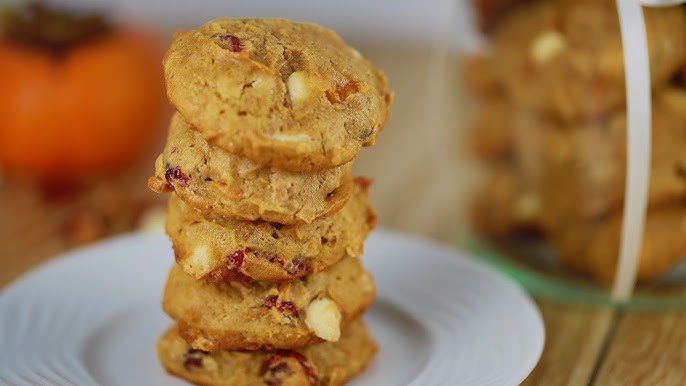
Persimmon Cookie Recipe: If you’ve never tried a persimmon cookie, you’re in for a delightful surprise. These cookies are soft, cake-like, and packed with the rich, honey-like sweetness of ripe persimmons. The fruit lends a natural moisture that makes each bite tender and flavorful. Often described as a cross between a pumpkin cookie and a spice cookie, persimmon cookies are perfect for the fall and winter seasons, filling your kitchen with warmth and the scent of cinnamon and nutmeg.
What Makes Persimmon Cookies Special
Unlike most fruit-based cookies, persimmon cookies have a deep, rich flavor that perfectly balances sweetness and spice. When baked, the pulp transforms into a custard-like texture, adding moisture and a subtle caramelized taste. These cookies also carry an earthy undertone that pairs beautifully with spices such as cinnamon, nutmeg, cloves, and ginger. Whether served warm with a cup of tea or as a sweet snack after dinner, persimmon cookies bring comfort in every bite.
A Short History of Persimmon Desserts
Persimmons have been cherished for centuries, especially in Asian cuisine and parts of the American South. Native American communities once used dried persimmons to sweeten breads and cakes, while Japanese and Korean cuisines incorporated the fruit into traditional sweets. Persimmon cookies became especially popular in the United States during the early 20th century when home bakers discovered the fruit’s perfect compatibility with warm spices and nuts. Today, these cookies remain a nostalgic, homemade treat—passed down through generations.
Ingredients You’ll Need
Before you start baking, it’s essential to gather all your ingredients. Here’s what you’ll need to make a batch of about 24 delicious persimmon cookies.
Fresh and Key Ingredients
- 2 large ripe persimmons (Hachiya variety recommended) – peeled and pureed
- 2 cups all-purpose flour
- 1 teaspoon baking soda
- ½ teaspoon salt
- 1 teaspoon ground cinnamon
- ½ teaspoon ground nutmeg
- ¼ teaspoon ground cloves
- ½ cup unsalted butter (softened)
- 1 cup granulated sugar
- 1 large egg
- 1 teaspoon vanilla extract
Each of these ingredients serves a purpose. The persimmon puree acts as both a natural sweetener and a binder, while butter and sugar provide that perfect soft, chewy texture. The warm spices turn every cookie into a comforting, autumn-inspired treat.
Optional Add-ons for Extra Flavor
Want to add a creative twist? Try including any of these optional ingredients:
- ½ cup chopped walnuts or pecans – for crunch
- ½ cup raisins or chopped dates – for natural sweetness
- ¼ cup chocolate chips – for a dessert-style upgrade
- 1 tablespoon orange zest – adds brightness to the flavor
These additions elevate the cookies from classic to gourmet. Experiment and find your favorite combination.
Ingredient Substitutions for Dietary Needs
If you have dietary restrictions, don’t worry—this recipe is flexible:
- For a vegan version: Replace butter with coconut oil or vegan butter, and the egg with a flaxseed egg (1 tbsp flaxseed + 3 tbsp water).
- For gluten-free cookies: Use a 1:1 gluten-free baking flour mix.
- For less sugar: Substitute sugar with coconut sugar or a mix of monk fruit sweetener and brown sugar.
This adaptability means everyone can enjoy the comforting taste of persimmon cookies, no matter their diet.
Tools and Equipment Required
Having the right tools makes the process much smoother. Here’s a list of what you’ll need.
Essential Baking Tools
- Large mixing bowls (one for wet ingredients, one for dry)
- Measuring cups and spoons
- Whisk or electric hand mixer
- Rubber spatula for folding ingredients
- Baking sheet
- Parchment paper or silicone baking mat
A good-quality mixer helps in achieving that creamy consistency when blending butter and sugar. Meanwhile, parchment paper ensures even baking and prevents cookies from sticking.
Recommended Baking Sheets and Mixers
Opt for light-colored aluminum baking sheets as they distribute heat more evenly than dark ones. If you bake often, investing in a stand mixer can make mixing dough much easier. A food processor can also be used to puree the persimmons smoothly, ensuring there are no chunks left that could affect the texture of your cookies.
Step-by-Step Guide to Making Persimmon Cookies
Now that you’ve gathered your ingredients and tools, it’s time to dive into the fun part—baking!
Step 1 – Preparing the Persimmons
Start by selecting ripe, soft persimmons — Hachiya persimmons work best. Scoop out the pulp and puree it in a blender or mash it with a fork until smooth. You’ll need about 1 cup of persimmon pulp for a standard batch of cookies.
Step 2 – Mixing the Wet Ingredients
In a large mixing bowl, cream together butter and sugar until light and fluffy. Add an egg, the persimmon pulp, and a splash of vanilla extract. Mix well until everything is smooth and fully combined — this will give your cookies that signature moist, fruity flavor.
Step 3 – Combining Dry Ingredients
In another bowl, whisk together flour, baking soda, salt, cinnamon, and nutmeg. You can also add a pinch of clove or ginger for a little warmth and spice. These dry ingredients form the structure and flavor backbone of your cookies.
Step 4 – Mixing Everything Together
Gradually add the dry ingredients to the wet mixture, stirring until just combined. Fold in extras like chopped nuts, raisins, or chocolate chips if you want a heartier texture. Don’t overmix — that keeps the cookies soft and tender.
Step 5 – Baking the Cookies to Perfection
Preheat your oven to 350°F (175°C). Drop spoonfuls of dough onto a parchment-lined baking sheet, leaving space between each. Bake for 12–15 minutes, or until golden brown and set. Let them cool slightly before enjoying these spiced, cake-like persimmon cookies — cozy, aromatic, and simply irresistible!
Tips for the Perfect Persimmon Cookies
Even with the best recipe, little tips can take your baking from good to great. Here’s how to ensure your persimmon cookies turn out perfect every time.
How to Choose the Best Persimmons
There are two main varieties of persimmons—Hachiya and Fuyu. For cookies, Hachiya persimmons are the best choice because of their soft, custard-like texture when ripe. Fuyu persimmons, on the other hand, are firmer and better for salads or fresh eating.
A ripe Hachiya persimmon should feel extremely soft—almost like a water balloon. If it’s still firm, the tannins will make your cookies taste bitter. To ripen persimmons faster, place them in a paper bag with an apple or banana; the ethylene gas helps speed up the process.
How to Store and Keep Cookies Fresh
Persimmon cookies store beautifully if handled properly. Here’s how to keep them fresh:
- Room Temperature: Store in an airtight container for up to 3 days.
- Refrigerator: Keeps well for about a week. Allow cookies to reach room temperature before serving.
- Freezer: Freeze baked cookies for up to 3 months. Reheat in the microwave for 10–15 seconds to restore softness.
You can also freeze the dough balls before baking—just line them on a tray, freeze until solid, then store in freezer bags. Bake straight from frozen, adding 1–2 extra minutes to the baking time.
Creative Variations of Persimmon Cookies
Persimmon cookies are versatile and can easily be customized to suit your taste. Here are a few creative spins to try out:
Spiced Persimmon Cookies
For a deeper, aromatic twist, add extra spices like allspice, ginger, and a hint of black pepper. The combination of these flavors gives your cookies a warm, exotic kick, making them perfect for the holiday season. A drizzle of maple glaze or cream cheese frosting on top turns them into a gourmet treat.
Persimmon Oatmeal Cookies
Add 1 cup of rolled oats to your dough for a heartier version. The oats create a chewy texture and add fiber, making these cookies a healthier option for breakfast or snacks. You can also toss in dried cranberries or chopped almonds for a delightful mix of flavors and textures.
Persimmon Chocolate Chip Twist
Want something indulgent? Mix in dark or semi-sweet chocolate chips with the dough. The richness of chocolate perfectly complements the fruity sweetness of persimmon, giving you a balanced, dessert-worthy cookie. A sprinkle of sea salt on top right before baking enhances the flavor beautifully.
Serving Suggestions
Once your persimmon cookies are baked to golden perfection, the next question is—how do you serve them? These cookies are incredibly versatile and pair well with a variety of beverages and dishes, making them ideal for both casual snacks and festive occasions.
Perfect Pairings with Beverages
Persimmon cookies are best enjoyed with a cozy drink in hand. Their soft texture and warm spices complement a range of beverages, enhancing the overall tasting experience. Here are a few perfect pairings:
- Coffee: The deep, roasted flavor of coffee contrasts beautifully with the natural sweetness of persimmons. A cappuccino or latte with a hint of cinnamon creates a café-style treat right at home.
- Tea: Try pairing your cookies with Earl Grey, chai, or green tea. The floral and spicy undertones of these teas balance the richness of the cookie.
- Milk: The classic combo—cold milk and cookies—never fails, especially for kids or anyone who enjoys nostalgic comfort.
- Hot Chocolate: For an indulgent winter treat, dip your persimmon cookies into creamy hot chocolate topped with whipped cream or marshmallows.
For a festive touch, serve them on a decorative platter dusted with powdered sugar and a few slices of fresh persimmon for garnish. The bright orange color adds instant visual appeal.
Ideal Occasions for Persimmon Cookies
Persimmon cookies are the perfect addition to any celebration or cozy get-together. Because of their rich flavor and inviting aroma, they suit a wide range of occasions:
- Holiday gatherings: Add these cookies to your Christmas cookie tray alongside gingerbread and shortbread for a seasonal variety.
- Thanksgiving dessert tables: Their spiced flavor pairs beautifully with pumpkin pie, apple crisp, or pecan bars.
- Afternoon tea or brunch: Serve them as a light, fruity dessert option.
- Homemade gifts: Wrap a batch of persimmon cookies in parchment paper and tie them with twine or ribbon. Add a hand-written tag for a personal touch—perfect for friends and family.
No matter when you serve them, persimmon cookies bring a comforting, homemade charm that everyone loves.
Common Mistakes to Avoid
Even though persimmon cookies are beginner-friendly, a few simple errors can affect their texture or flavor. Here’s what to watch out for.
Overmixing or Undermixing the Dough
This is one of the most common baking mistakes. When you overmix cookie dough after adding flour, the gluten activates too much, making your cookies tough instead of soft and tender. The trick is to mix just until the flour disappears—no more, no less.
On the other hand, undermixing leaves clumps of flour or unevenly distributed ingredients, which can create dense spots or uneven flavor. Mix carefully and fold gently, ensuring everything is combined without overworking the dough.
Incorrect Baking Temperature
Another common issue is baking at the wrong temperature. Too high, and your cookies will brown too quickly on the edges while remaining raw in the center. Too low, and they’ll spread too much and lose their shape.
Always preheat your oven to 350°F (175°C) before baking. Use an oven thermometer if possible, as many ovens tend to run hotter or cooler than their dials indicate. Additionally, bake one tray at a time on the center rack for even heat distribution.
If your cookies are spreading too much, try chilling the dough for 30 minutes before baking. Cold dough holds its shape better, leading to beautifully puffed cookies with soft centers.
Nutritional Information (Per Serving)
Here’s a general breakdown of the nutrition for one standard-sized persimmon cookie (based on a batch of 24 cookies):
| Nutrient | Amount (Approx.) |
|---|---|
| Calories | 135 kcal |
| Carbohydrates | 21 g |
| Protein | 2 g |
| Fat | 5 g |
| Saturated Fat | 3 g |
| Fiber | 1 g |
| Sugar | 12 g |
| Sodium | 90 mg |
| Vitamin A | 6% DV |
| Vitamin C | 4% DV |
| Calcium | 2% DV |
| Iron | 3% DV |
Note: These values can vary depending on ingredient substitutions, add-ins, and portion sizes. For a healthier version, reduce sugar by ¼ cup or swap part of the all-purpose flour for whole wheat flour.
FAQs about Persimmon Cookie Recipe
1. Can I use canned persimmon pulp instead of fresh?
Yes, canned persimmon pulp works just fine as long as it’s pure and unsweetened. Fresh pulp offers a slightly brighter flavor, but canned is a great time-saver.
2. How long can I store persimmon cookies?
At room temperature, they last about 3 days in an airtight container. Refrigerate for up to a week or freeze for up to 3 months for longer storage.
3. Can I freeze the cookie dough?
Absolutely! Scoop the dough into portions, freeze them on a tray, then store them in freezer bags. Bake directly from frozen—just add 1–2 minutes to the baking time.
4. What kind of persimmons work best for baking?
Use Hachiya persimmons that are fully ripe and soft. Fuyu persimmons are too firm and not ideal for baking.
5. Can I make this recipe vegan or gluten-free?
Yes! Substitute butter with vegan butter or coconut oil, use a flax egg instead of a regular egg, and opt for gluten-free baking flour for a vegan and gluten-free variation.
Conclusion
Whether you’re baking them for a festive gathering, gifting them to friends, or simply treating yourself on a chilly afternoon, these cookies never fail to impress. With simple ingredients and an easy step-by-step process, anyone can bake a batch of golden, aromatic cookies that melt in the mouth.
Don’t be afraid to experiment—add your favorite nuts, chocolate chips, or even a glaze on top. The beauty of this recipe lies in its flexibility and the joy it brings from oven to table.
So the next time persimmons are in season, grab a few and bake these irresistible cookies. Your kitchen will smell amazing, and your taste buds will thank you!