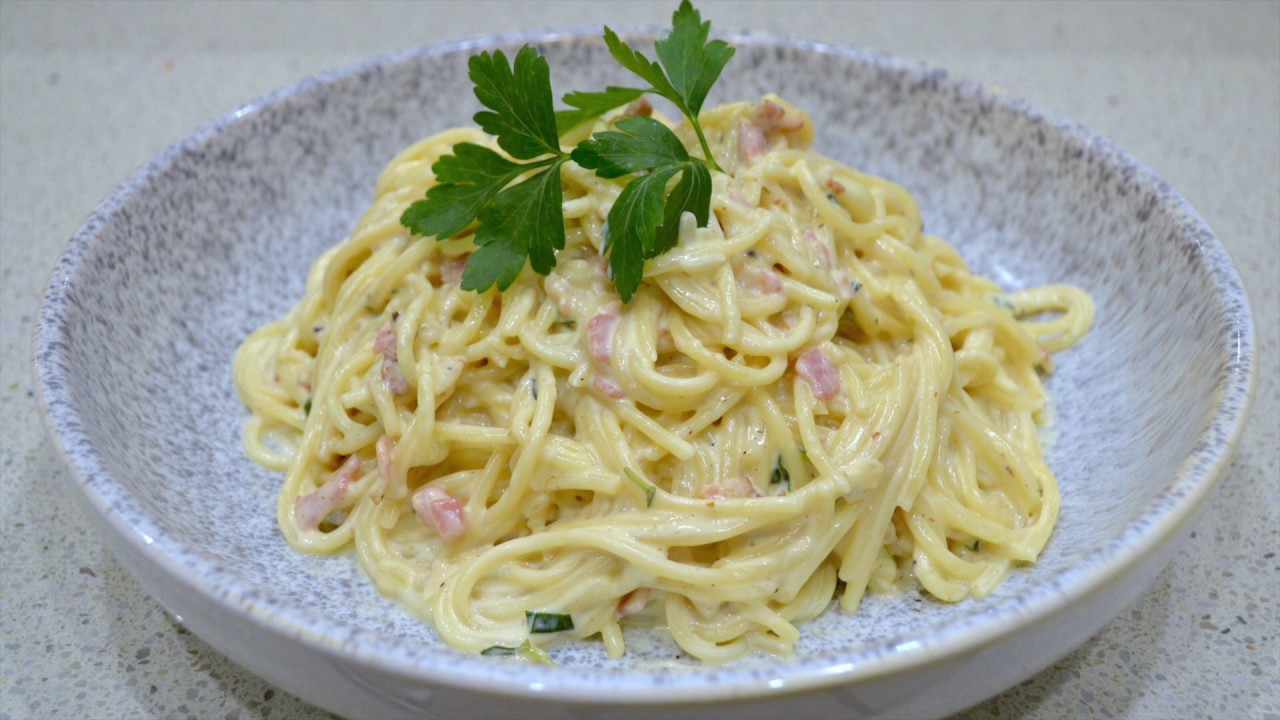
Creamy Carbonara Recipe: There’s something irresistibly comforting about a bowl of creamy carbonara. With silky strands of pasta coated in a rich, cheesy, and velvety sauce, this Italian classic has become a worldwide favorite. Many people think making carbonara at home is tricky, but the truth is, with the right ingredients and a step-by-step guide, you can whip up a restaurant-quality plate in your own kitchen.
In this guide, we’ll take a deep dive into the origins of carbonara, the essential ingredients, and a foolproof method to make it creamy without turning your eggs into scrambled bits. You’ll also find tips, serving suggestions, and a few creative twists to customize your carbonara. By the end, you’ll feel confident enough to make this iconic dish for yourself, family, or friends—no matter the occasion.
What Makes Carbonara Special?
Carbonara isn’t just another pasta recipe—it’s an experience. What makes this dish so beloved is the balance of flavors and textures. The pasta provides a chewy base, the cured meat adds saltiness and smokiness, and the sauce brings everything together with richness and depth. Unlike Alfredo, which relies heavily on cream, authentic carbonara gets its creamy consistency from the emulsification of eggs, cheese, and hot pasta water.
The beauty of carbonara lies in its simplicity. With just a handful of ingredients—pasta, eggs, cheese, pancetta (or bacon), and black pepper—you can create something luxurious and indulgent. It’s a recipe that proves you don’t need a long list of ingredients to create bold, satisfying flavors.
For home cooks, carbonara is also a fantastic confidence booster. Once you master it, you’ll have a go-to dish that looks impressive, tastes divine, and can be prepared in under 30 minutes. Perfect for date nights, dinner parties, or just when you’re craving comfort food after a long day.
A Quick Look at the Origins of Carbonara
The exact origins of carbonara are still debated, but most food historians agree that it’s a relatively modern dish compared to other Italian classics. Some theories suggest it was created in Rome after World War II, when American soldiers introduced bacon and powdered eggs, which Italians then turned into a pasta dish. Another theory traces it to coal miners in Italy—the word “carbonara” is thought to come from carbone, meaning coal.
Regardless of its beginnings, carbonara has become a staple of Roman cuisine and a favorite around the globe. Traditional recipes do not include cream, garlic, or onions, but over the years, variations have emerged to cater to different tastes. While purists may insist on keeping it simple, many home cooks prefer adding cream for extra richness—and that’s the version we’ll focus on in this guide.
Ingredients You’ll Need for Creamy Carbonara
Essential Ingredients for Authentic Flavor
To create the perfect creamy carbonara, you’ll need the following ingredients:
- Pasta: Spaghetti is the classic choice, but fettuccine, rigatoni, or bucatini also work well.
- Pancetta or Guanciale: These Italian cured meats provide a smoky, savory depth. If unavailable, you can substitute with good-quality bacon.
- Eggs: Whole eggs and egg yolks give the sauce its rich, creamy consistency.
- Parmesan or Pecorino Romano Cheese: Freshly grated cheese is essential for both flavor and creaminess.
- Black Pepper: Freshly ground pepper adds a kick and balances the richness.
- Olive Oil (optional): Helps in crisping up the pancetta or bacon.
- Salt: For seasoning the pasta water.
Substitutions and Alternatives You Can Try
Not everyone has access to guanciale or Pecorino Romano, but don’t worry—you can still make delicious carbonara with simple swaps. For instance, use thick-cut smoked bacon if pancetta isn’t available. Parmesan is a good substitute for Pecorino, though it gives a slightly milder flavor.
If you want to lighten things up, you can use whole wheat pasta or even gluten-free alternatives. Some people also swap pancetta for turkey bacon or even mushrooms to create a vegetarian-friendly version.
Optional Additions for Extra Creaminess
While traditional recipes don’t include cream, many modern versions use it to ensure a velvety sauce. Heavy cream, half-and-half, or even a splash of milk can make your sauce extra luscious. Adding a touch of garlic or onion while cooking the pancetta can also deepen the flavor. Just remember: less is more, so don’t overcrowd the dish with too many extras.
Kitchen Tools and Preparation Tips
Tools That Make Cooking Easier
Carbonara doesn’t require fancy equipment, but having the right tools can make the process smoother:
- Large pot for boiling pasta
- Large skillet or frying pan for cooking pancetta/bacon
- Mixing bowl for whisking eggs and cheese
- Tongs or pasta fork for handling spaghetti
- Measuring cups and spoons
- Cheese grater for fresh Parmesan or Pecorino
- Ladle for reserving pasta water
Prepping Ingredients Before Cooking
The secret to stress-free cooking is preparation. Before you even turn on the stove, measure and prep all your ingredients. Grate your cheese, chop your pancetta, crack and whisk your eggs, and have everything ready to go.
This is especially important for carbonara because timing matters. Once your pasta is cooked and drained, you’ll need to combine it with the sauce quickly to avoid clumps or scrambled eggs. Having everything prepped means you can focus on the cooking process instead of scrambling around the kitchen at the last minute.
Step-by-Step Guide to Making Creamy Carbonara
Step 1 – Boil the Pasta Perfectly
Pasta is the foundation of carbonara, so cooking it correctly is essential. Start by bringing a large pot of salted water to a boil. The rule of thumb is about one tablespoon of salt per four cups of water. Add your pasta and cook until just al dente—firm to the bite but not undercooked.
As the pasta cooks, scoop out a cup of the starchy pasta water and set it aside. This liquid gold is crucial for emulsifying the sauce later. Once the pasta is ready, drain it quickly but don’t rinse, as rinsing washes away the starch that helps the sauce stick.
Cooking pasta may seem straightforward, but the details make all the difference. Overcooked pasta can turn mushy and ruin the texture, while undercooked pasta won’t absorb the sauce properly. Keep an eye on the cooking time and taste-test a strand or two to ensure it’s just right.
Step 2 – Prepare the Pancetta or Bacon
The heart of any carbonara recipe lies in the savory, smoky bite of pancetta or guanciale. These cured meats add depth to the dish, creating a salty richness that balances beautifully with the creamy sauce. If you can’t find pancetta or guanciale locally, thick-cut bacon makes a perfectly fine substitute.
Start by cutting your pancetta or bacon into small cubes or strips. Heat a large skillet over medium heat, and once hot, add the meat directly to the pan. You don’t need much oil because the fat will render out as it cooks. Allow the pancetta to slowly crisp, stirring occasionally so it cooks evenly. The goal here is golden brown pieces with slightly crisp edges but still tender in the middle.
As the meat cooks, it releases flavorful fat. Don’t throw this away—it’s liquid gold. This rendered fat will mix with the pasta and egg mixture later, infusing every strand with flavor. If your bacon is especially fatty, you can drain off a little, but be sure to keep at least a couple of tablespoons in the pan.
Timing matters here. Try to coordinate so your pasta finishes boiling around the same time the pancetta is ready. That way, everything stays hot, and you can move smoothly to the next step without the meat cooling down.
Step 3 – Whisk the Egg and Cheese Mixture
While the pasta and pancetta are cooking, it’s time to prepare the star of the sauce: the egg and cheese mixture. This combination is what gives carbonara its luxurious creaminess without relying on heavy cream.
Crack two whole eggs and two egg yolks into a mixing bowl. Using more yolks than whites helps achieve a richer, silkier sauce. Add about one cup of freshly grated Parmesan or Pecorino Romano cheese. Don’t skimp here—pre-shredded cheese often contains anti-caking agents that can prevent proper melting.
Whisk the eggs and cheese together until you get a smooth, thick mixture. Add a generous amount of freshly ground black pepper—carbonara is meant to have a peppery kick, so don’t hold back. You can also add a small splash of heavy cream at this stage if you prefer a creamier, less traditional version.
The trick is to keep this mixture ready and at room temperature. When combined with the hot pasta, it will gently cook and create that silky, golden sauce. But if your eggs are too cold, they may not blend as smoothly, increasing the risk of clumping. So whisk them early and let them sit while you finish the pasta and pancetta.
Step 4 – Combine Pasta and Sauce Without Scrambling Eggs
This is the part of carbonara that intimidates most home cooks—mixing the hot pasta with the egg mixture without accidentally scrambling the eggs. But don’t worry, with a few careful steps, you’ll nail it every time.
Once the pasta is drained (remember, don’t rinse it), transfer it directly into the skillet with the pancetta and rendered fat. Toss well to coat every strand of pasta in that flavorful oil. Remove the skillet from direct heat—this is crucial.
Now, pour the egg and cheese mixture over the pasta while tossing continuously with tongs. The residual heat from the pasta is enough to gently cook the eggs, transforming them into a creamy sauce. This step requires speed and confidence. Keep tossing and mixing until the pasta is evenly coated.
If the sauce seems too thick, gradually add a splash of the reserved pasta water. This starchy water loosens the sauce while helping it cling beautifully to the pasta. Add just a little at a time until you reach your desired consistency—creamy, glossy, and smooth.
Avoid placing the skillet back on high heat after adding the eggs, as this is what causes them to scramble. The key is gentle heat and constant tossing. Think of it like tempering—allowing the eggs to cook slowly with residual heat rather than direct flame.
Step 5 – Add Final Touches and Adjust Seasoning
At this stage, your creamy carbonara is almost ready to serve. All that’s left are a few finishing touches to elevate the dish. Start by tasting the pasta. Depending on how salty your pancetta or cheese is, you may need just a pinch of extra salt, or perhaps none at all. Remember, it’s better to add little by little than to over-season.
Next, add a final shower of freshly grated cheese on top of the pasta. This not only adds flavor but also enhances the presentation. A few extra cracks of black pepper finish it off with the signature carbonara kick. If you’re someone who enjoys a richer dish, drizzle a touch more olive oil over the top before serving.
Plate the pasta into warm bowls to keep it hot and creamy while eating. Garnish with chopped parsley if you’d like a bit of color, though purists usually keep carbonara simple and unadorned.
At this point, you have a bowl of luscious, creamy carbonara ready to impress. Serve it immediately because carbonara is best enjoyed fresh. The sauce thickens as it sits, so dig in while it’s at its creamy peak.
Tips for the Perfect Creamy Carbonara Every Time
Common Mistakes to Avoid
Even experienced cooks can run into trouble with carbonara. Here are some mistakes to watch out for:
- Overcooking the pasta: Always aim for al dente. Overcooked pasta won’t hold up well to the creamy sauce.
- Scrambling the eggs: Adding the egg mixture over high heat or too slowly can cause curdling. Remove from direct heat and toss quickly.
- Using pre-shredded cheese: It doesn’t melt smoothly and can leave a grainy texture. Always grate cheese fresh.
- Forgetting the pasta water: This starchy liquid is essential for emulsifying the sauce. Don’t skip it.
- Overloading with cream: While cream makes the dish extra rich, too much can overpower the delicate balance of flavors.
How to Get the Right Creamy Texture
The key to a silky sauce lies in timing and temperature control. Always combine the eggs and cheese with hot—but not scalding—pasta. Use a generous splash of pasta water to help everything come together. Keep tossing until the sauce turns glossy and smooth, coating every strand.
Balancing Saltiness and Flavors
Between the pancetta, cheese, and salted pasta water, carbonara can easily become too salty. That’s why it’s better to under-salt the pasta water slightly and taste the final dish before adding extra seasoning. The pepper adds balance, cutting through the richness, so don’t skimp on it.
Serving Suggestions and Pairings
Best Side Dishes to Serve with Carbonara
A creamy plate of carbonara is rich and indulgent on its own, but pairing it with the right side dishes can turn your meal into a full dining experience. The goal is to balance the richness with something lighter and refreshing. A crisp green salad works beautifully, especially with a tangy vinaigrette to cut through the creaminess of the sauce. Think of simple greens like arugula, spinach, or mixed lettuces tossed with lemon juice and olive oil.
Garlic bread is another popular side, adding a crunchy texture that contrasts with the silky pasta. If you’d like to keep things authentic, serve it with Italian-style focaccia or a slice of warm ciabatta instead. Roasted vegetables—such as asparagus, zucchini, or cherry tomatoes—also make an excellent complement, bringing freshness and a bit of natural sweetness.
If you want a more elaborate spread, consider antipasto platters with olives, marinated artichokes, and roasted peppers. These light but flavorful accompaniments make the pasta feel less heavy and add variety to your meal.
Drinks and Wine Pairings
When it comes to drinks, carbonara pairs wonderfully with both wines and non-alcoholic options. For wine, crisp whites such as Pinot Grigio or Sauvignon Blanc work well because their acidity balances the creamy sauce. If you prefer red wine, opt for a light-bodied variety like Chianti or Pinot Noir. Avoid bold, tannic reds, as they can overpower the delicate flavors of the dish.
For non-alcoholic choices, sparkling water with lemon is a classic palate cleanser. Iced tea, especially with citrus, also works well. If you’re hosting a dinner party, you could even serve a mocktail—something refreshing and citrusy that cuts through the richness without overwhelming the dish.
Pairing your carbonara with the right drink and sides not only enhances the flavors but also elevates the dining experience, making it feel like a restaurant-quality meal right at home.
Variations of Carbonara You Can Try
Vegetarian Carbonara
If you’d like to enjoy carbonara without meat, mushrooms make a fantastic substitute for pancetta. Their earthy flavor and meaty texture mimic the richness of cured pork. Simply sauté them in olive oil until golden and use them in place of pancetta. You can also experiment with sun-dried tomatoes or roasted zucchini for added depth.
Chicken Carbonara
For a heartier version, chicken carbonara is a popular twist. Sauté bite-sized pieces of chicken breast or thigh until golden brown, then mix them into the pasta along with the creamy sauce. This variation makes the dish more filling and is great for family dinners.
Extra Creamy Carbonara with Heavy Cream
Purists might disagree, but many people enjoy adding heavy cream for an ultra-rich version of carbonara. Just whisk in half a cup of cream along with the eggs and cheese. This ensures a fail-proof creamy sauce, especially for beginners. It’s not traditional, but it’s undeniably delicious.
Other fun variations include shrimp carbonara for a seafood twist or even a spicy carbonara with a touch of chili flakes. The base recipe is so versatile that once you master it, you can customize it endlessly to suit your preferences.
Storing and Reheating Carbonara
How to Store Leftovers Safely
Carbonara is best eaten fresh, but if you have leftovers, you can store them safely for later. Transfer the pasta into an airtight container and refrigerate within two hours of cooking. It will keep well for up to three days. To prevent the pasta from clumping together, you can drizzle a little olive oil over it before storing.
Best Reheating Methods Without Losing Flavor
Reheating carbonara can be tricky because the sauce tends to dry out. The best way is to reheat gently on the stove. Place the pasta in a skillet over low heat, add a splash of milk or cream, and stir until warmed through. Avoid high heat, as it can cause the eggs in the sauce to curdle.
If you’re short on time, you can use the microwave, but do so carefully. Reheat in short intervals, stirring in between, and add a spoonful of cream or milk to revive the sauce. Carbonara doesn’t freeze well due to its delicate sauce, so it’s better to enjoy it fresh or refrigerated rather than frozen.
Nutritional Information and Health Considerations
Calories and Macronutrients
Carbonara is indulgent, so it’s not the lightest meal on the menu. A standard serving of creamy carbonara contains around 500–700 calories, depending on portion size and added cream. It’s rich in protein from eggs, cheese, and pancetta, as well as carbohydrates from the pasta. The fat content is also on the higher side due to the cheese and cured meats.
Making Carbonara a Bit Healthier
If you’d like to enjoy carbonara more often without feeling guilty, there are simple tweaks you can make. Use whole wheat or chickpea pasta for extra fiber and nutrients. Swap pancetta for turkey bacon or mushrooms to cut down on saturated fat. You can also reduce the amount of cheese slightly and add extra vegetables like spinach or peas for a more balanced dish.
Portion control is another key. Carbonara is rich and filling, so serving slightly smaller portions alongside a fresh salad can make the meal lighter while still satisfying.
FAQs about Creamy Carbonara Recipe
1. Can I use cream in carbonara?
Yes, while traditional carbonara doesn’t include cream, many modern recipes add it for extra richness and to make the sauce foolproof.
2. What type of pasta is best for carbonara?
Spaghetti is classic, but fettuccine, rigatoni, or bucatini also work beautifully.
3. Can I make carbonara without eggs?
If you want an egg-free version, you can use heavy cream, cheese, and a bit of cornstarch to create a creamy sauce, though it won’t be authentic.
4. How do I stop the eggs from scrambling?
Always remove the pan from direct heat before adding the egg mixture, and toss quickly with the hot pasta to gently cook the eggs.
5. Can I freeze carbonara?
No, freezing is not recommended as the creamy sauce separates. It’s best enjoyed fresh or within three days if refrigerated.
Conclusion
Creamy carbonara is one of those timeless dishes that feels indulgent yet simple enough to prepare at home. With just a few ingredients and the right technique, you can create a silky, flavorful pasta that rivals any Italian restaurant. From choosing quality ingredients to mastering the egg-and-cheese sauce, each step matters—but once you’ve got it down, carbonara becomes a quick and reliable recipe you’ll want to make again and again.
Whether you stick to the authentic Roman style or prefer the creamier modern twist, this dish is guaranteed to impress. Pair it with a fresh salad, a glass of wine, and some crusty bread, and you’ve got yourself the perfect meal.