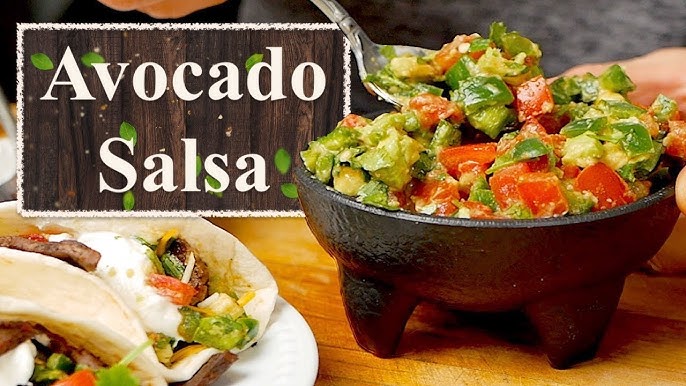
Avocado Salsa Recipe: Who doesn’t love a fresh, zesty, and creamy dip that’s packed with flavor? Avocado salsa is that magical fusion of smooth avocado goodness and the tangy bite of classic salsa. It’s the perfect blend of creamy, spicy, tangy, and fresh—ideal for dipping chips, spooning over grilled meats, or adding to your favorite taco Tuesday lineup.
Avocado salsa isn’t just a party dip—it’s a whole vibe. Whether you’re hosting friends for game day or need a quick topping to jazz up your dinner, this simple yet powerful recipe is a crowd-pleaser. It’s gluten-free, dairy-free, vegan-friendly, and naturally low in carbs, making it perfect for nearly any dietary preference.
In this article, you’ll get a detailed step-by-step guide, the ingredients list, tips, variations, and even storage ideas to make your avocado salsa experience effortless and delicious.
Let’s dive right into the essentials of what you need to bring this avocado salsa to life.
Ingredients You’ll Need
To make the perfect avocado salsa, you’ll want fresh, high-quality ingredients. This recipe is all about balance—getting that creamy texture with the right amount of tang and spice. Here’s what you’ll need.
Fresh Vegetables
- Avocados (2 large or 3 medium): Choose ripe but firm avocados. They should give slightly when you press them but not feel mushy.
- Tomatoes (2 medium): Roma or vine-ripened tomatoes work best for a slightly sweet, less watery base.
- Red Onion (1 small): Provides a mild bite and color contrast.
- Jalapeño or Serrano Pepper (1–2): Adds heat. Use more or less depending on your spice tolerance.
- Garlic (1 clove): Minced fresh garlic gives depth to the flavor.
Herbs and Seasonings
- Fresh Cilantro (a handful): Adds brightness and a signature salsa taste.
- Lime Juice (from 1–2 limes): Enhances freshness and keeps the avocado from browning.
- Salt (to taste): Balances and enhances all the flavors.
- Ground Cumin (½ teaspoon): Optional, but adds a warm, earthy undertone.
- Black Pepper (a pinch): For an extra bit of depth.
Optional Add-ins
- Corn Kernels (¼ cup): Adds a sweet crunch.
- Diced Mango or Pineapple: Perfect if you’re aiming for a tropical twist.
- Chopped Green Onions: For additional sharpness.
- Olive Oil (1 tsp): Adds smoothness and helps in blending flavors.
Ingredient Substitutions
Don’t have everything on hand? No worries. Here are some easy swaps:
- No fresh lime? Use lemon juice in a pinch.
- No red onion? Use shallots or even white onion for a milder flavor.
- Can’t handle heat? Swap jalapeños for mild green bell peppers.
With your ingredients ready, let’s talk about the tools that will make this process easier.
Kitchen Tools You’ll Need
While this recipe doesn’t require fancy appliances, having the right tools on hand can make your preparation quicker and more efficient.
Tools and Equipment for Prep
- Cutting Board & Sharp Knife: For chopping veggies and herbs cleanly.
- Mixing Bowls: At least one medium-sized bowl to combine ingredients.
- Citrus Juicer (optional): Makes extracting lime juice easier and faster.
- Spoon: For scooping out avocados cleanly.
- Garlic Press (optional): For easy garlic mincing.
Serving and Storing Equipment
- Serving Bowl: Something attractive if you’re presenting it to guests.
- Airtight Container: For storing leftovers in the fridge without browning.
- Chips, Crackers, or Sliced Veggies: These aren’t tools—but trust me, you’ll need something to scoop this magic with.
With all the tools and ingredients ready, it’s time to prep like a pro.
Preparing Your Ingredients
Great avocado salsa starts with clean, precise prep. Don’t rush this step—every slice and dice adds to the final flavor profile.
Choosing the Right Avocados
This part is crucial. Too hard and the salsa will be chunky and flavorless. Too soft and it becomes mushy guacamole. Here’s how to pick perfect avocados:
- Color: Look for dark green to nearly black skin.
- Feel: Gently squeeze—it should give slightly under pressure but not feel hollow or overly soft.
- Check the Stem: Pop the stem cap off. If it’s green underneath, the avocado is perfect.
Once you have your ripe avocados, cut them in half lengthwise, twist to separate, and remove the pit. Scoop out the flesh with a spoon and place it in a bowl.
Dicing and Chopping Tips
- Tomatoes: Remove the seeds to prevent the salsa from getting too watery. Dice into small cubes.
- Onions: Finely chop for even distribution and to avoid overpowering the flavor.
- Jalapeños: Remove seeds if you want less heat, and dice them small so they blend evenly.
- Cilantro: Roughly chop—don’t overdo it or it’ll turn bitter.
Once everything is chopped and ready, we can move on to the exciting part—making the salsa!
Step-by-Step Guide to Making Avocado Salsa
Let’s bring everything together step by step. Follow these instructions closely and you’ll end up with a salsa so good, you’ll want to eat it with a spoon.
Step 1: Prepping the Vegetables
Start by combining your diced tomatoes, onions, jalapeños, and garlic in a medium bowl. Mix them gently to distribute the flavors. These ingredients form the core “salsa” base. The juices will start to meld, especially if you add a pinch of salt early on.
Next, add the lime juice and cumin. This not only infuses flavor but also helps marinate the veggies slightly, enhancing the depth of taste. Let this sit for 5–10 minutes before adding the avocado.
Step 2: Mixing the Base
Now that your veggies are marinated, it’s time to bring in the star of the show—avocados.
Scoop the avocado flesh into the bowl with the marinated vegetables. Use a fork or potato masher to gently mash the avocado. The texture you aim for depends on your preference:
- Chunky: Mash lightly, leaving small pieces of avocado intact.
- Creamy: Mash more thoroughly until you reach a smooth consistency.
Be gentle! Overmixing can turn your salsa into guacamole. You want to preserve some of the avocado’s natural structure for that perfect contrast in texture.
Add your chopped cilantro at this stage. Stir gently again to combine all ingredients evenly. If you’re adding corn or mango, now’s the time. These add a fun twist and a pop of sweetness or crunch, depending on your preference.
Taste the mix—it should already be bursting with flavor. Adjust lime juice and salt if needed.
Step 3: Combining and Balancing Flavors
This is where the real magic happens. Even with the right ingredients, balancing the flavors is what elevates your salsa from “good” to “can’t stop eating this.”
Here are a few pointers:
- Too bland? Add more salt or lime juice.
- Too acidic? A pinch of sugar or a drizzle of olive oil can mellow things out.
- Too spicy? Dice in extra avocado or add a little sour cream if needed.
- Too thick? A spoonful of water or lime juice can help loosen it up slightly.
Remember, avocado is mild and creamy, so it acts like a canvas for all the other vibrant ingredients. Use your senses—taste, smell, and texture—to judge how well everything is coming together. You want a medley of creaminess, heat, tang, and brightness in every bite.
Give it another gentle stir. You should be seeing a beautiful medley of green, red, and maybe even some yellow or white depending on your add-ins. That’s your cue—it’s almost ready!
Step 4: Taste Testing and Adjusting
Yes, you’ve tasted before—but this final taste test is where you dial it in perfectly.
Scoop a spoonful with a chip (or a veggie stick if you’re keeping it light). This helps you taste the salsa how it will actually be eaten. Here’s what to check:
- Is there enough lime?
- Does the heat hit the back of your throat without overpowering?
- Are the avocado and tomato in balance?
- Is it salty enough?
At this point, you can also throw in your personal twist. Some people like a few dashes of hot sauce. Others may add crushed red pepper or even a spoonful of Greek yogurt for creaminess.
Don’t be afraid to tweak it. Avocado salsa is incredibly forgiving and adaptable. Think of it as building a playlist—each ingredient adds to the mood, and you want it to feel just right.
Step 5: Letting It Marinate (Optional)
While this step is optional, letting your salsa sit for about 15–30 minutes before serving can take the flavor to the next level.
Here’s why:
- The lime juice continues to break down the onion and jalapeño, mellowing their sharpness.
- The avocado absorbs the tangy and spicy notes more fully.
- It gives the salsa a chance to harmonize into a more cohesive flavor profile.
If you decide to do this, cover the bowl with plastic wrap and store it in the refrigerator. Just don’t leave it out too long or the avocado may start to brown. A splash more lime juice helps prevent oxidation.
Once marinated, give it one last gentle mix and transfer it to a serving bowl. Sprinkle a little more fresh cilantro on top for garnish if you’re feeling fancy.
And that’s it—your avocado salsa is done and ready to blow everyone away!
Serving Suggestions
Now that you’ve made your dreamy avocado salsa, how should you serve it? Honestly, this stuff is so good, you could eat it straight out of the bowl with a spoon—but here are some ideas that might elevate your presentation.
As a Dip
Let’s start with the obvious—chips and dip. This is avocado salsa’s natural habitat.
- Tortilla chips (classic choice)
- Pita chips for a Mediterranean twist
- Sliced cucumbers or bell peppers for a low-carb option
- Plantain chips for a tropical vibe
Hosting a party? Serve it alongside a trio of dips—salsa roja, guacamole, and your avocado salsa—for a colorful, crowd-pleasing platter.
With Main Dishes
Avocado salsa can totally level up your everyday meals. Try spooning it over:
- Grilled chicken or steak
- Fish tacos or shrimp burritos
- Grilled portobello mushrooms
- Veggie or chicken quesadillas
It adds not just taste, but visual appeal and texture. That creamy bite of avocado mixed with the tangy salsa bits? Chef’s kiss.
On the Side
You don’t always have to make it the star—sometimes it’s best as a supporting role. Use it as:
- A topping for scrambled eggs or breakfast burritos
- A dollop on top of a grain bowl (quinoa, rice, or couscous)
- A side to balance spicy dishes or rich entrees
There’s no wrong way to serve it—this salsa is one of those dishes that plays well with pretty much everything.
Storage Tips
Let’s face it—avocado salsa is best enjoyed fresh. But if you made a big batch (or managed not to devour it in one sitting), you’ll want to store it properly to keep it tasting as fresh as possible.
How to Keep It Fresh
Avocados are notorious for turning brown quickly due to oxidation. Here are some pro tips to keep your salsa fresh and vibrant:
- Add Extra Lime Juice: The acidity slows browning. If you’re storing, add a little more than you normally would.
- Use an Airtight Container: Oxygen is the enemy. Press a piece of plastic wrap directly against the surface of the salsa inside the container before sealing it with a lid.
- Chill Immediately: Store it in the coldest part of your refrigerator, not in the fridge door where temperature fluctuates.
Stored properly, your avocado salsa should stay fresh for about 1–2 days. After that, the texture may change and the color will darken—but it’s still safe to eat if it smells fine.
Avoiding Browning
Here’s a secret hack to avoid browning for a little longer:
- Add a thin layer of olive oil or lime juice on top of the salsa before sealing it in the container. It acts like a protective barrier against air.
- Do NOT mix before serving—simply pour off or mix in the top layer when ready to eat again.
Also, avoid using metal bowls for storage—stick with glass or plastic containers to prevent any chemical reactions with the acid in the salsa.
If you’re meal-prepping, you can also make all components ahead (except the avocado), store them separately, and mix fresh avocado in just before serving.
Common Mistakes to Avoid
Even the easiest recipes can go sideways without a little attention to detail. Here are a few common mistakes people make when preparing avocado salsa—and how you can avoid them.
Overmixing
This one’s a biggie. If you stir too vigorously or mash everything too much, you’ll end up with a creamy, almost guacamole-like dip. That might still be delicious, but it’s not the texture we’re after in an avocado salsa.
- Solution: Be gentle when mixing, especially once the avocado is added. Use a spoon or spatula and fold ingredients together instead of stirring aggressively.
Using Unripe Avocados
Unripe avocados are hard, bitter, and completely ruin the creamy texture you want.
- How to check: As mentioned earlier, press gently with your thumb—the skin should yield slightly but not feel mushy. Also, avoid avocados with large sunken spots or overly soft flesh (those are overripe).
- Hack to ripen fast: Place avocados in a paper bag with a banana or apple. The ethylene gas speeds up ripening in about 1–2 days.
Other mistakes to steer clear of:
- Adding too much salt early on. Taste as you go and adjust at the end.
- Skipping the acid. Lime or lemon juice is crucial for flavor and color preservation.
- Serving it warm. Room-temp avocado salsa just doesn’t hit the same. Chill it before serving.
Variations to Try
Feeling adventurous? Great—avocado salsa is super flexible. With just a few tweaks, you can give it a whole new personality.
Spicy Avocado Salsa
Love heat? Turn up the fire by:
- Adding extra jalapeños or swapping in serrano peppers
- Mixing in a teaspoon of chipotle in adobo sauce for a smoky burn
- Finishing with a few dashes of hot sauce like Cholula or Tapatío
Pro tip: Always start small with heat—you can add more, but you can’t take it out.
Tropical Twist
Want something a little more exotic and refreshing? A tropical version will brighten any dish.
Add:
- Diced mango or pineapple for sweetness
- Chopped red bell pepper for crunch and color
- A splash of orange juice instead of (or with) lime
- A sprinkle of toasted coconut flakes on top (optional but fun)
This version is killer with grilled fish or shrimp tacos.
Creamy Version
Want something richer? Here’s how to take your salsa to the next creamy level:
- Blend part of the avocado with a spoonful of Greek yogurt or sour cream
- Add a touch of olive oil to smooth it out
- Finish with a dash of white pepper or garlic powder
Serve it chilled as a dip or as a sauce over grilled meats or roasted veggies.
Health Benefits of Avocado Salsa
Delicious and healthy? You better believe it. Avocado salsa isn’t just tasty—it’s packed with nutrients and good-for-you benefits.
Nutritional Highlights
Let’s break down why this dish is a total win for your body:
- Avocados are rich in healthy fats (monounsaturated), fiber, potassium, and vitamins C, E, and K.
- Tomatoes provide antioxidants like lycopene, which supports heart health.
- Cilantro is detoxifying and rich in micronutrients.
- Lime juice aids digestion and boosts immunity.
- Onions and garlic offer anti-inflammatory and heart-health benefits.
All of these combined make avocado salsa a powerful anti-inflammatory, heart-healthy, and digestion-friendly food.
Diet-Friendly Aspects
Whether you’re keto, paleo, Whole30, or vegan, avocado salsa fits right in:
- Low-carb: Great for keto and diabetic diets
- Gluten-free: Naturally, no grains involved
- Dairy-free: Unless you opt for the creamy variation
- Vegan and plant-based: 100% animal-product free
You’re basically treating your body and your tastebuds every time you dip into a bowl.
FAQs about Avocado Salsa Recipe
1. Can I make avocado salsa ahead of time?
Yes, but it’s best made fresh. If you prep ahead, add extra lime juice and store in an airtight container with plastic wrap pressed against the surface to prevent browning.
2. How long does avocado salsa last in the fridge?
Typically, it stays fresh for up to 2 days when properly stored. After that, the avocado may brown and the texture could change.
3. Can I freeze avocado salsa?
Not recommended. Freezing affects the texture of avocados, making them mushy and watery when thawed.
4. Is avocado salsa the same as guacamole?
Nope! Guacamole is creamier, often mashed thoroughly, and may contain different seasonings like chili powder or even sour cream. Avocado salsa has a chunkier texture and includes more salsa-style ingredients.
5. Can I use lemon instead of lime in avocado salsa?
Absolutely. Lime is more traditional and gives a brighter zing, but lemon will still add acidity and help prevent browning.
Final Thoughts
There’s just something special about avocado salsa. It’s fresh, it’s flavorful, it’s versatile, and best of all—it’s ridiculously easy to make. Whether you’re spicing up a dinner party, looking for a healthier snack, or wanting to impress with a homemade touch, this recipe has you covered.
And because it’s so adaptable, you can make it your own every time. Throw in a new fruit, turn up the heat, or add some creaminess—whatever suits your taste buds.
The key takeaway? Start with fresh, ripe ingredients, balance your flavors, and don’t be afraid to experiment. You’re not just making salsa—you’re making a statement.