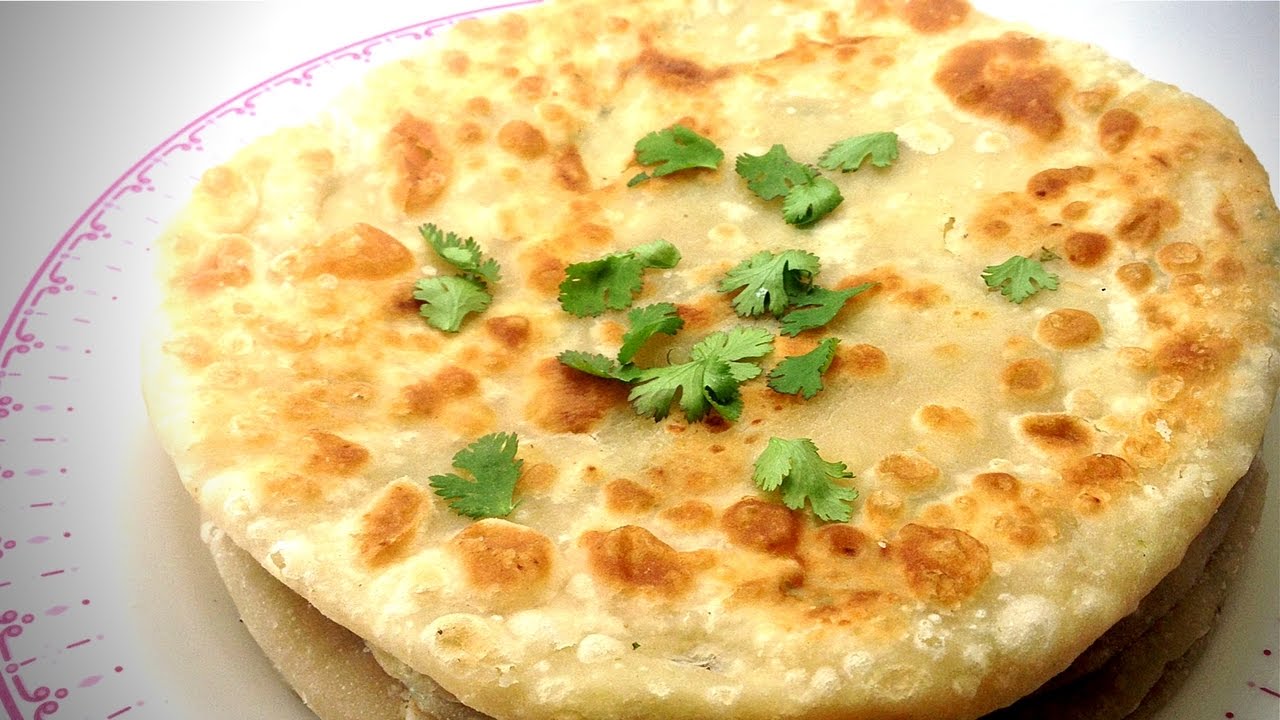
Aloo Paratha Recipe: Aloo Paratha is not just a dish—it’s an emotion for millions across India. Imagine waking up on a chilly morning, the aroma of hot, butter-laden parathas wafting through the kitchen, paired with tangy pickle and a glass of lassi. That’s the magic of Aloo Paratha. This stuffed flatbread made with whole wheat flour and spiced mashed potatoes is a staple breakfast in North India, especially in Punjab, but loved throughout the country and beyond.
Historically, parathas have been a part of Indian cuisine for centuries, often cooked in rural households on clay stoves with a generous dollop of ghee. The stuffed variation became a popular way to combine grains with vegetables, making it wholesome and filling. Aloo (potato) was a natural choice for stuffing due to its availability and versatility. Today, Aloo Paratha is celebrated in homes, street-side dhabas, and even in modern cafes with gourmet twists.
So, if you’ve been craving this comforting dish, this step-by-step guide will help you master the art of making perfect Aloo Parathas right in your kitchen.
Ingredients You’ll Need
For the Dough
To make soft, pliable dough, you’ll need:
- 2 cups whole wheat flour (atta)
- 1 teaspoon salt
- 1 tablespoon oil or ghee
- Water (as needed, usually ¾ cup)
The dough forms the foundation of your paratha. Whole wheat flour ensures nutrition, while oil or ghee makes the dough softer and easier to roll.
For the Potato Filling
The filling is the soul of Aloo Paratha. You’ll need:
- 3–4 medium-sized boiled potatoes (mashed)
- 1 green chili (finely chopped)
- 1 teaspoon grated ginger
- 1 teaspoon cumin seeds (jeera)
- ½ teaspoon garam masala
- ½ teaspoon red chili powder
- ½ teaspoon turmeric powder
- 1 teaspoon coriander powder
- 2 tablespoons fresh coriander leaves (chopped)
- Salt to taste
These spices elevate the mashed potatoes, giving them a burst of flavor in every bite. You can adjust spice levels depending on your preference.
Optional Add-ons and Variations
- Grated cheese for a cheesy twist
- Finely chopped onions for crunch
- Ajwain (carom seeds) for extra flavor
- A squeeze of lemon juice for tanginess
Cooking Essentials (Tools & Utensils)
To prepare authentic Aloo Parathas, you’ll need:
- Rolling board and rolling pin (chakla-belna)
- A flat griddle (tava or non-stick pan)
- A spatula for flipping
- Small bowls for mixing dough and filling
- A clean kitchen towel for covering the dough
Having the right tools makes the process smoother and ensures your parathas turn out perfectly cooked.
Step-by-Step Guide to Making Aloo Paratha
Step 1 – Preparing the Dough
Start by mixing whole wheat flour and salt in a large bowl. Add a tablespoon of oil or ghee and gradually pour water while kneading. The dough should be soft yet firm, not sticky. Knead it for at least 8–10 minutes to activate the gluten, which makes the parathas fluffy. Once done, cover the dough with a damp cloth and let it rest for 20–30 minutes. This resting period ensures smoother rolling and softer parathas.
Think of this step like building a strong foundation for a house. If your dough is too dry, the parathas will crack; too wet, and they’ll stick. Balance is key.
Step 2 – Preparing the Potato Filling
Boil potatoes until soft, then peel and mash them while warm. Ensure there are no lumps; a smooth filling prevents tearing during rolling. Add green chili, ginger, cumin, garam masala, turmeric, coriander powder, red chili powder, coriander leaves, and salt. Mix everything thoroughly.
The filling should be flavorful on its own because it carries the dish. Some people even taste-test and adjust spices before stuffing. A well-seasoned filling guarantees every bite is delightful.
Step 3 – Rolling the Dough
After your dough has rested, divide it into small lemon-sized balls. Lightly dust your rolling board with flour to avoid sticking. Take one ball and roll it into a small disc, about 4–5 inches in diameter. This will serve as the base for stuffing. The key is not to roll it too thin at this stage because you’ll need enough thickness to hold the filling securely.
Think of it like laying out a soft canvas before painting—it must be even and firm. Use gentle pressure with the rolling pin, rolling outward from the center. If the dough resists, let it rest for a few more minutes. A well-rested dough stretches without tearing, which makes stuffing easier later.
Rolling takes practice. Don’t worry if your parathas aren’t perfectly round—taste matters more than shape, and with time, your hands will naturally learn the art of making circular parathas.
Step 4 – Stuffing the Dough with Filling
Now comes the fun part. Take a spoonful (or more) of the prepared potato filling and place it in the center of the rolled dough disc. Carefully bring the edges of the dough together, pinching them to seal the filling inside. Gently press down to flatten the stuffed ball.
The secret here is balance. If you overfill, the paratha may tear while rolling. If you underfill, it won’t have that delicious burst of spiced potato in every bite. With practice, you’ll learn how much filling your dough can hold comfortably.
To avoid air pockets, press gently and evenly. Air trapped inside can cause uneven cooking or bursting while rolling. A little patience and a steady hand go a long way here.
Step 5 – Rolling the Stuffed Paratha
Dust the stuffed dough ball with a little flour and start rolling it out again. Use gentle strokes from the center, applying even pressure, and rotate the dough frequently to maintain a round shape. Roll it to about 7–8 inches in diameter.
This step requires care because if you roll too hard, the filling may spill out. If that happens, don’t panic—just pinch the dough back together, dust lightly with flour, and continue rolling. A little spillage is natural and happens even to seasoned cooks.
Rolling a stuffed paratha is like balancing art and strength—you need enough pressure to spread it evenly but not so much that it bursts open. Once you’ve done it a few times, your hands will know exactly how much pressure to apply.
Step 6 – Cooking on a Tava/Pan
Heat a tava (flat griddle) or non-stick pan on medium heat. Place the rolled paratha on the hot surface. Cook for 30–40 seconds until you see small bubbles or light golden spots. Flip it over and apply a small amount of ghee or oil. Cook the other side until golden brown, then flip again and press gently with a spatula to ensure even cooking.
Continue flipping until both sides are golden brown with crisp spots. The aroma of roasted wheat mixed with spiced potatoes will instantly fill your kitchen. For a truly authentic taste, use ghee instead of oil—it gives the parathas a rich, buttery flavor.
Cooking time varies depending on thickness, but on average, one paratha takes 2–3 minutes. Make sure the flame isn’t too high, or the outside will burn before the inside cooks. A medium flame ensures a perfect balance of crispness and softness.
Step 7 – Serving Suggestions
Aloo Paratha is best enjoyed hot, straight off the tava, with a dollop of butter melting on top. Pair it with:
- Fresh curd or yogurt
- Spicy mango pickle
- Green chutney (mint-coriander chutney)
- A glass of sweet lassi or masala chai
For a royal Punjabi-style breakfast, serve it with a big scoop of homemade white butter and tall glasses of chilled lassi. For a lighter meal, pair with plain yogurt and fresh salad.
The beauty of Aloo Paratha is its versatility—it can be enjoyed as breakfast, lunch, or even dinner. It’s wholesome, filling, and comforting, no matter when you serve it.
Tips and Tricks for the Perfect Aloo Paratha
Making Aloo Paratha is simple, but mastering it takes practice. Here are some tried-and-true tips:
- Mash potatoes thoroughly – Lumps cause tearing while rolling.
- Keep the dough soft but not sticky – This makes rolling easier.
- Balance filling and dough – Too much filling leads to breakage; too little makes it bland.
- Cook on medium heat – Ensures crispy outside and soft inside.
- Use ghee for authentic taste – Oil works too, but ghee takes flavor to the next level.
- Seal edges properly – This prevents filling from spilling.
- Rest the dough – Never skip the 20–30 minute resting time.
Think of these tips as golden rules. Once you get them right, every paratha you make will be restaurant-quality.
Variations of Aloo Paratha
While the classic version is unbeatable, experimenting with Aloo Paratha can bring exciting flavors to your table. Here are some delicious variations you can try at home:
Cheese Aloo Paratha
If you love cheese, this one’s for you. Add grated mozzarella or cheddar cheese to the potato filling. The melted cheese oozes out with every bite, making it a favorite among kids and cheese lovers. It’s like having the best of both worlds—an Indian flatbread with a gooey, cheesy surprise inside.
Spicy Aloo Paratha
If you crave heat, increase the green chilies, add finely chopped onions, and sprinkle some chili flakes in the filling. This version is fiery, flavorful, and perfect for those who love bold flavors. Pair it with cooling curd to balance the spice.
Dhaba-Style Aloo Paratha
Dhabas (roadside eateries in India) make parathas that are extra large, thick, and cooked with generous amounts of butter. For an authentic dhaba-style experience, make bigger parathas, cook them with desi ghee, and serve them with a huge scoop of butter on top.
Healthy Whole Wheat Aloo Paratha
For a healthier version, use multigrain flour instead of only wheat flour. You can also add finely chopped spinach, grated carrots, or beetroot to the dough. This adds nutrition without compromising on taste.
These variations ensure you never get bored of Aloo Paratha. Whether you like it cheesy, spicy, traditional, or healthy, there’s a version for every mood and craving.
Nutritional Value of Aloo Paratha
Aloo Paratha is tasty and filling, but many wonder—how healthy is it? Let’s break it down:
- Calories: One medium Aloo Paratha contains around 250–300 calories (without butter). With butter or ghee, this can go up to 400 calories.
- Carbohydrates: Rich in carbs from potatoes and wheat flour, providing energy.
- Protein: Around 6–8 grams per paratha, depending on filling.
- Fats: Varies depending on whether you use oil or ghee. Using ghee increases healthy fats.
- Fiber: Whole wheat flour adds fiber, aiding digestion.
- Micronutrients: Potatoes provide potassium, vitamin C, and iron. Coriander leaves and spices add antioxidants.
Healthy Eating Tips:
- Use less oil or opt for olive oil instead of ghee for a lighter version.
- Add extra vegetables like peas, spinach, or carrots to the filling for more nutrition.
- Pair with plain yogurt or salad instead of butter for a balanced meal.
Aloo Paratha can be indulgent, but with small adjustments, it can also be part of a healthy diet.
Serving Ideas
The real charm of Aloo Paratha lies in what you serve it with. Here are some classic and modern serving suggestions:
- Traditional Style: Serve hot with a dollop of butter, tangy pickle, and fresh curd.
- North Indian Breakfast: Pair with thick, creamy lassi (sweet or salty).
- Light Lunch/Dinner: Serve with plain yogurt and a fresh cucumber-tomato salad.
- Modern Twist: Enjoy with hummus, salsa, or even a cheesy dip for a fusion experience.
For a festive brunch, create a platter with Aloo Paratha, butter, pickle, curd, green chutney, and lassi—it’s a complete meal that satisfies both stomach and soul.
Common Mistakes to Avoid
Even though Aloo Paratha seems simple, beginners often make mistakes. Avoid these common pitfalls:
- Not mashing potatoes properly – Lumpy filling tears the dough. Always mash thoroughly.
- Rolling too hard – Applying too much pressure can make the filling spill out. Gentle, even strokes work best.
- Overstuffing or understuffing – Both affect taste and shape. Learn to balance dough and filling.
- Cooking on high flame – Burns the outside while leaving the inside raw. Stick to medium heat.
- Not sealing edges properly – Filling leaks during rolling or cooking. Pinch the dough tightly to seal.
- Skipping resting time for dough – Resting makes dough soft and easier to roll.
By keeping these tips in mind, you’ll avoid frustration and end up with perfect, restaurant-style parathas every time.
FAQs about Aloo Paratha Recipe
1. Can I make Aloo Paratha without oil?
Yes, you can dry roast it on a non-stick pan. However, it won’t be as flavorful as the traditional version cooked with ghee or oil.
2. How to store leftover Aloo Paratha?
Store in an airtight container in the fridge for up to 2 days. Reheat on a pan before serving.
3. Can I freeze the dough and filling?
Yes. Freeze the dough and potato filling separately in airtight containers. Thaw before use.
4. What’s the best flour for Aloo Paratha?
Whole wheat flour (atta) works best. You can also mix in multigrain flour for extra nutrition.
5. Is Aloo Paratha vegan-friendly?
Yes, if you cook it with oil instead of ghee and skip butter while serving, it becomes fully vegan.
Conclusion
Now that you know the step-by-step process, handy tips, and even exciting variations, it’s time to roll up your sleeves and try it yourself. Remember, don’t stress about perfection—the first few may look funny, but they’ll still taste amazing. And with each attempt, you’ll only get better.
So, gather your ingredients, heat up your tava, and bring the taste of authentic homemade Aloo Paratha to your table. Your family (and your taste buds) will thank you.