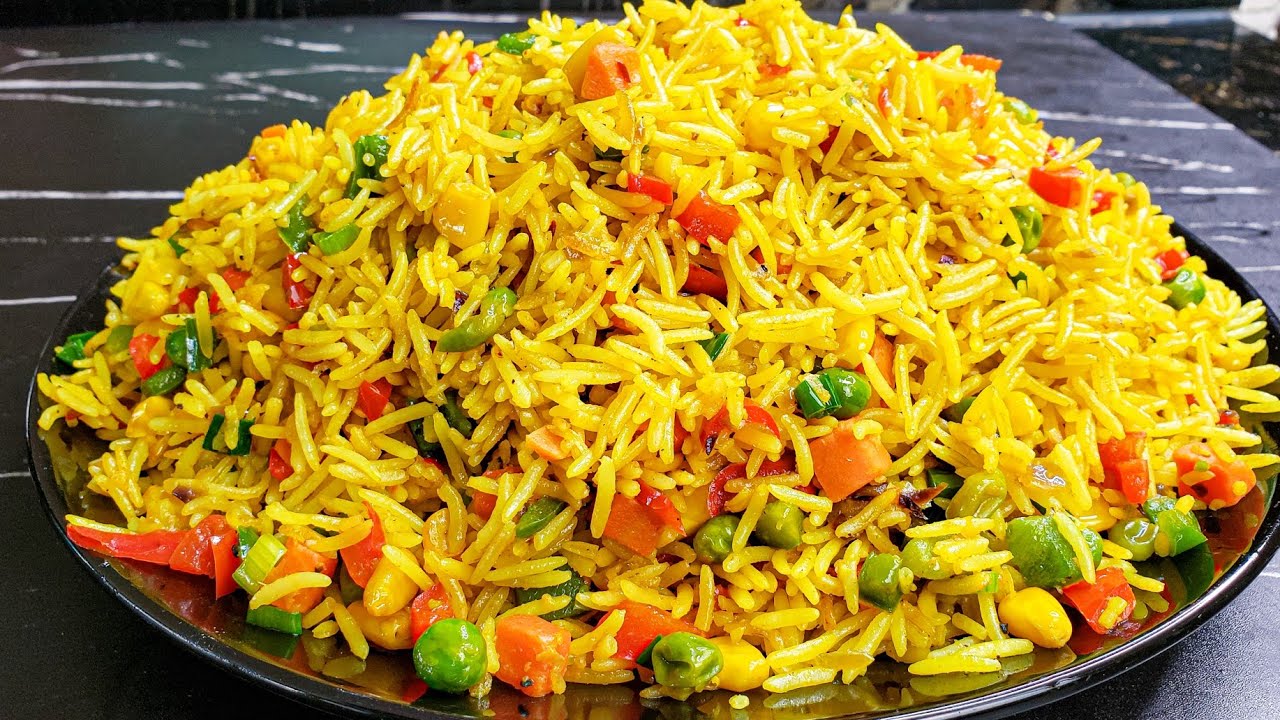
Turmeric Rice Recipe: Turmeric rice isn’t just another flavored rice dish—it’s a colorful, aromatic, and nutrient-packed recipe that brings vibrancy to your dining table. Known for its golden hue and earthy flavor, turmeric rice has roots in various cultures, including Indian, Middle Eastern, and Southeast Asian cuisines. This dish is versatile, simple to make, and can be served with almost anything, from grilled meats to vegetable curries.
But what makes turmeric rice so special? Apart from the stunning color that elevates even the simplest plate, turmeric itself is a powerhouse of nutrition. Its active compound, curcumin, is known for anti-inflammatory and antioxidant properties, making this dish both delicious and nourishing. Whether you’re preparing a quick weekday dinner or entertaining guests, turmeric rice is a foolproof recipe to impress.
Let’s take a closer look at why this recipe has stood the test of time and why you should add it to your cooking repertoire.
What is Turmeric Rice?
At its core, turmeric rice is white rice infused with turmeric powder and a few aromatic spices. The turmeric not only gives it a brilliant yellow color but also infuses a subtle earthy flavor that complements almost any dish. Depending on the region, you may find variations—some include coconut milk for creaminess, while others incorporate onions, garlic, and whole spices for a deeper flavor.
Unlike plain rice, turmeric rice adds character to your meal. It can transform a simple curry or grilled chicken into a restaurant-worthy platter. Think of it as the golden crown of your dinner plate.
Why Turmeric Rice is Loved Worldwide
Turmeric rice has universal appeal because it ticks all the boxes: it’s quick to make, budget-friendly, and pairs with countless dishes. In South Asia, it’s often served alongside curries and lentils. In the Middle East, it accompanies kebabs and roasted meats. Western kitchens have embraced it too, often using it as a colorful side dish for meal prep.
Its visual appeal is another reason for its popularity. Imagine serving a golden bowl of turmeric rice at your dinner table—the pop of color alone makes the meal more inviting. Plus, it’s a great way to encourage kids to eat more rice since the color feels fun and appetizing.
Health Benefits of Turmeric Rice
Turmeric rice isn’t just about looks and flavor—it’s about health too. Here are a few notable benefits:
- Anti-Inflammatory Properties: Turmeric contains curcumin, a natural compound that helps reduce inflammation.
- Antioxidant Boost: Curcumin also fights free radicals, supporting overall cell health.
- Digestive Aid: Turmeric has long been used in traditional medicine to improve digestion.
- Immunity Support: Regular consumption may strengthen your immune system.
- Low-Calorie Comfort Food: A bowl of turmeric rice is filling yet light, making it a healthy side dish.
In short, this dish isn’t just about flavor—it’s about fueling your body with goodness.
Ingredients You’ll Need
Before diving into the cooking process, let’s gather the essentials. The beauty of turmeric rice is its simplicity—most ingredients are pantry staples, and you won’t need to hunt down anything exotic.
Main Ingredients for Turmeric Rice
To prepare a basic yet flavorful turmeric rice, you’ll need:
- Rice: Long-grain rice like basmati or jasmine works best because it cooks fluffy and separate.
- Turmeric Powder: The star ingredient that gives color and flavor.
- Oil or Butter: Olive oil, vegetable oil, or unsalted butter for cooking.
- Garlic & Onion: Adds aroma and depth.
- Salt: To enhance the flavor.
- Water or Broth: Vegetable or chicken broth adds extra flavor compared to plain water.
Optional Add-ons for Extra Flavor
Want to take your turmeric rice up a notch? Consider these add-ins:
- Cinnamon Stick or Bay Leaf: For a warm undertone.
- Cardamom Pods or Cloves: A touch of Indian flair.
- Fresh Herbs (Cilantro or Parsley): To garnish and brighten the dish.
- Peas or Carrots: To add color and nutrition.
- Lemon Juice: For a tangy finish.
These extras aren’t mandatory but can help tailor the dish to your taste preferences.
Substitutes for Ingredients
Cooking is all about flexibility. Here are some easy swaps:
- No basmati rice? Use jasmine, long-grain white, or even brown rice (just adjust cooking time).
- Don’t have broth? Plain water works, but add extra seasoning.
- No fresh onion or garlic? Use onion powder and garlic powder in a pinch.
- Vegan option? Skip butter and stick with olive oil or coconut oil.
With these swaps, turmeric rice becomes a dish anyone can make with whatever they have on hand.
Kitchen Tools Required
Cooking turmeric rice doesn’t require a fancy setup. Still, the right tools can make the process smoother and the results better.
Basic Cooking Utensils
- Medium Pot with Lid: Essential for simmering rice properly.
- Wooden Spoon or Silicone Spatula: For stirring without breaking the rice grains.
- Measuring Cups & Spoons: Accuracy matters, especially for liquids.
- Strainer or Sieve: To rinse the rice before cooking.
Recommended Cookware for Best Results
While a regular pot works just fine, a heavy-bottomed saucepan is ideal because it distributes heat evenly and prevents rice from sticking or burning. Some people also prefer using a rice cooker or instant pot for convenience—these gadgets take the guesswork out and ensure perfect rice every time.
If you’re cooking for a crowd, a Dutch oven can also be a great choice since it retains heat well and cooks evenly.
Preparing Ingredients Before Cooking
Preparation is half the work in cooking. Properly prepping your ingredients ensures the rice cooks evenly and tastes delicious.
Washing and Soaking the Rice
Always rinse rice under cold water until the water runs clear. This removes excess starch that can make rice sticky. For extra fluffy results, soak the rice in water for about 15–20 minutes before cooking. Soaking shortens cooking time and helps the grains cook evenly.
Prepping the Spices and Herbs
Measure your turmeric powder carefully—too little and you won’t get that golden glow, too much and the rice may turn slightly bitter. If using whole spices like cinnamon sticks or cardamom, crush them lightly to release their aroma. Chop onions and garlic finely so they melt into the dish instead of standing out in chunks.
Measuring Liquids Properly
The general ratio for fluffy rice is 1 cup rice to 2 cups liquid (water or broth). However, this may vary depending on the type of rice. Always read the package instructions. If using broth, taste before adding extra salt since broths can already be salty.
Step-by-Step Guide to Cooking Turmeric Rice
Now comes the fun part—bringing it all together. Cooking turmeric rice is straightforward, but each step plays a crucial role in building flavor and texture.
Step 1 – Heating the Oil or Butter
Begin by heating your oil or butter in a medium pot over medium heat. This step lays the foundation of flavor. If you want a richer taste, use butter; for a lighter, healthier option, olive oil works perfectly. Heat until shimmering but not smoking.
Step 2 – Adding Aromatics and Spices
Add chopped onions and garlic to the hot oil. Sauté until the onions turn translucent and the garlic is fragrant. Then, sprinkle in your turmeric powder (and any other spices you’re using like cinnamon or cardamom). Let them bloom in the oil for 30–60 seconds—this step enhances their flavor and ensures the rice will be fragrant.
Step 3 – Stirring in the Rice
Next, add the rinsed rice to the pot. Stir well to coat each grain with the oil and spices. This “toasting” step enhances the nuttiness of the rice and ensures the turmeric coats every grain evenly.
Step 4 – Adding Water or Broth
Pour in your measured liquid, whether it’s water or broth. Stir once, then season with salt. Bring the mixture to a boil, then reduce the heat to low and cover with a tight-fitting lid.
Step 5 – Simmering to Perfection
Let the rice simmer undisturbed for about 15–20 minutes (or as per package directions). Avoid opening the lid too often—it lets steam escape and can affect the final texture. Once done, remove from heat and let it rest covered for another 5 minutes. Finally, fluff gently with a fork to separate the grains.
The result? Fragrant, fluffy, golden turmeric rice ready to be enjoyed.
Tips for Perfect Turmeric Rice
Cooking turmeric rice may sound simple, but a few small mistakes can leave you with mushy or bland rice. Let’s go through some tried-and-true tips that guarantee fluffy, flavorful rice every single time.
Achieving Fluffy Rice
The biggest goal when making turmeric rice is getting the grains light and separate, not sticky. Here’s how you can do it:
- Rinse the rice thoroughly before cooking to remove excess starch.
- Soak for 15–20 minutes to help the grains expand evenly.
- Use the correct liquid-to-rice ratio (usually 2 cups of water or broth for 1 cup of rice).
- Do not stir while simmering—this breaks the grains and releases starch, making the rice gluey.
- Rest before serving—let the rice sit covered for 5 minutes after cooking, then fluff with a fork.
These simple habits make a world of difference between sticky rice and perfectly fluffy turmeric rice.
Balancing Flavors with Spices
Turmeric is the hero ingredient, but it needs backup to shine. Too much turmeric can taste bitter, while too little will make your rice pale. The trick is balance:
- For 1 cup of rice, ½ to 1 teaspoon of turmeric powder is usually enough.
- Pair turmeric with aromatics like onion and garlic to round out the flavor.
- Add a touch of acidity (like lemon juice) at the end to brighten up the dish.
- If using broth, taste first before adding salt—otherwise, you risk oversalting.
Balancing flavors is like painting—you want each element to enhance the others without overpowering.
Common Mistakes to Avoid
- Adding too much liquid: This results in mushy rice. Stick to the right ratio.
- Overcooking: If you simmer too long, the rice may dry out or clump together.
- Not sautéing the turmeric: Adding turmeric directly to liquid instead of blooming it in oil can leave a raw, chalky taste.
- Skipping the rest period: The last 5 minutes of covered resting allows the steam to finish cooking the rice evenly.
Avoiding these pitfalls ensures your turmeric rice comes out restaurant-quality every time.
Variations of Turmeric Rice
One of the best things about turmeric rice is its versatility. You can keep it simple for a quick weekday dinner or dress it up with spices and add-ons for a festive meal. Here are some delicious variations to try.
Turmeric Coconut Rice
If you’re craving something creamy and rich, turmeric coconut rice is a must-try. Instead of using plain water or broth, cook the rice with coconut milk. The coconut adds a silky texture and slightly sweet flavor that balances beautifully with earthy turmeric.
- Replace half (or all) of the water with coconut milk.
- Add a few kaffir lime leaves or lemongrass stalks for an extra tropical aroma.
- This variation pairs perfectly with Thai curries, grilled seafood, or even roasted vegetables.
The result is a luxurious, fragrant rice dish that feels indulgent yet wholesome.
Spiced Turmeric Rice (Indian Style)
For a more robust version, try spiced turmeric rice. This version is common in Indian households and includes whole spices that elevate the dish.
- Add cinnamon sticks, bay leaves, cloves, cardamom pods, and cumin seeds when sautéing the onions and garlic.
- You can also toss in a handful of peas, carrots, or cashews for extra texture and nutrition.
- Garnish with fresh cilantro for a burst of freshness.
This version is hearty, aromatic, and pairs beautifully with curries, dals, and grilled meats.
Mediterranean Style Turmeric Rice
Mediterranean turmeric rice takes a lighter approach with fresh herbs and zesty flavors.
- Add olive oil, garlic, onions, and a squeeze of lemon juice while cooking.
- Stir in chopped parsley or dill at the end for a refreshing touch.
- Serve it alongside kebabs, roasted chicken, or falafel for a wholesome meal.
This variation feels bright, healthy, and refreshing, making it ideal for summer dinners or meal prep.
What to Serve with Turmeric Rice
Turmeric rice is one of those dishes that can be dressed up or down depending on what you’re serving it with. Its mild, earthy flavor makes it the perfect canvas for a wide range of main dishes.
Pairing with Meat Dishes
Turmeric rice pairs wonderfully with meat-based dishes because it absorbs sauces and complements bold flavors. Some great pairings include:
- Grilled Chicken or Beef Kebabs: The smokiness balances the earthy rice.
- Roast Lamb: Perfect for a Middle Eastern-style feast.
- Fried or Grilled Fish: Light fish dishes shine when paired with golden rice.
- Chicken Curry: The spices in curry harmonize with the subtle turmeric notes.
The rice acts as the foundation that ties everything together, soaking up juices and flavors beautifully.
Pairing with Vegetarian Options
Vegetarians can enjoy turmeric rice just as much—if not more—by pairing it with plant-based dishes. Some ideas:
- Chickpea Curry or Lentil Stew: Protein-packed and hearty.
- Grilled Vegetables: Zucchini, bell peppers, and eggplant make a colorful plate.
- Paneer or Tofu Stir-Fry: Adds protein and texture.
- Roasted Cauliflower: The nutty flavor complements turmeric beautifully.
Turmeric rice adds substance to vegetarian meals, making them feel filling and complete.
Using Turmeric Rice in Meal Prep
Turmeric rice isn’t just for dinner parties—it’s also perfect for weekly meal prep.
- Make a big batch and divide it into containers with different protein options (chicken, tofu, beans).
- Store in the fridge for up to 4 days.
- Reheat easily in the microwave or on the stove with a splash of water.
Since it’s colorful and flavorful, it keeps your meals exciting and prevents the boredom of plain white rice.
Storing and Reheating Turmeric Rice
Cooked rice can lose its magic if not stored or reheated properly. Luckily, turmeric rice is easy to keep fresh with a few tricks.
Best Storage Practices
- Cool quickly: Let the rice cool to room temperature before storing.
- Use airtight containers: Store in glass or plastic containers to lock in freshness.
- Refrigeration: Keep in the fridge for 3–4 days.
- Freezing: Turmeric rice freezes well for up to 2 months. Store in freezer bags in portion sizes for convenience.
How to Reheat Without Drying Out
Reheating rice can sometimes leave it dry and clumpy, but these methods help bring it back to life:
- Microwave: Add a splash of water or broth, cover loosely, and heat for 1–2 minutes.
- Stovetop: Warm in a pan with a little butter or oil, stirring gently.
- Steam Method: Place the rice in a steamer basket over boiling water for a few minutes.
Whichever method you choose, make sure to heat thoroughly before eating for safety.
FAQs about Turmeric Rice Recipe
1. Can I make turmeric rice without oil?
Yes, you can! Simply skip the oil and cook the rice with broth and turmeric. However, blooming turmeric in oil does enhance the flavor.
2. What kind of rice works best?
Basmati and jasmine rice are the top choices because they cook fluffy and separate. Brown rice also works but requires a longer cooking time.
3. Can I cook turmeric rice in a rice cooker?
Absolutely. Just add all ingredients to the cooker, stir, and let it do the work. The results are just as good.
4. How do I keep the rice from turning mushy?
Measure the liquid properly, avoid stirring during cooking, and let the rice rest before fluffing.
5. Is turmeric rice kid-friendly?
Yes! Its mild flavor and bright color usually appeal to kids. You can reduce spices if you want a more neutral taste.
Conclusion
Turmeric rice is more than just a side dish—it’s a golden, flavorful, and health-boosting addition to your table. With just a few ingredients and simple steps, you can turn plain rice into something extraordinary. Whether you stick to the classic recipe or try variations like coconut or spiced versions, turmeric rice is guaranteed to brighten your meals and impress your guests.
It’s colorful, aromatic, and versatile enough to go with almost anything. Plus, the health benefits of turmeric make it a dish you’ll want to keep on regular rotation in your kitchen.
So the next time you want to upgrade your rice game, remember this golden gem. Serve it with love, and watch how it elevates your dining experience.