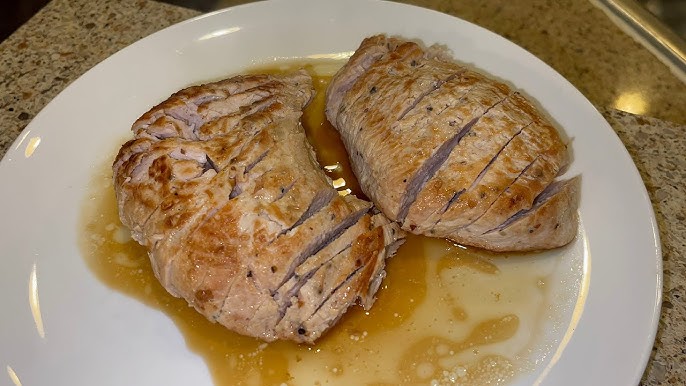
Turkey Loin Recipe: Turkey loin often gets overshadowed by traditional turkey cuts like breast or thighs, but it’s one of the most tender, flavorful, and versatile parts of the bird. If you’ve been looking for a simple yet impressive dish to serve your family or guests, a perfectly cooked turkey loin is a great choice. This lean cut of meat not only cooks faster than a whole turkey but also delivers juicy, mouthwatering results when prepared correctly.
In this article, we’ll cover everything you need to know: the exact ingredients, preparation steps, cooking methods, and even serving ideas. Whether you’re a beginner in the kitchen or an experienced home chef, this step-by-step guide will help you master the art of cooking turkey loin like a pro.
Introduction to Turkey Loin
Turkey loin is the tender, boneless section of the turkey breast. Unlike darker cuts such as thighs or drumsticks, the loin is leaner and cooks faster, making it ideal for weeknight dinners or special occasions when you want something lighter yet flavorful.
Why should you choose turkey loin over other meats? For one, it’s an excellent source of lean protein, which makes it a healthier alternative to red meats like beef or lamb. It’s also more versatile—you can roast it, grill it, pan-sear it, or even slow-cook it with different marinades and spices.
Another reason turkey loin is worth trying is its adaptability. Want a classic roast with garlic and herbs? You’ve got it. Prefer a sweet and savory glaze with honey mustard? That works too. The mild flavor of turkey loin allows it to soak up seasonings beautifully, making it the perfect canvas for your culinary creativity.
Lastly, from a health perspective, turkey loin is low in fat and rich in vitamins such as B6, B12, and niacin, which help boost energy levels and support your immune system. It’s also high in selenium, a mineral essential for a healthy metabolism. In short, it’s not just delicious—it’s good for you too.
Ingredients You’ll Need
Before you start cooking, let’s go through the essential ingredients for this turkey loin recipe. Having everything ready will make the process smooth and stress-free.
Essential Ingredients:
- 1 whole turkey loin (about 1 ½ to 2 pounds)
- 2 tablespoons olive oil
- 3 garlic cloves, minced
- 1 teaspoon paprika
- 1 teaspoon dried thyme
- 1 teaspoon rosemary
- 1 teaspoon salt
- ½ teaspoon black pepper
- ½ cup chicken broth (for moisture during roasting)
Optional Ingredients for Extra Flavor:
- 1 tablespoon Dijon mustard (for tanginess)
- 2 tablespoons honey or brown sugar (for a sweet glaze)
- Fresh lemon juice (for brightness)
- Crushed red pepper flakes (for a slight kick)
Kitchen Tools You’ll Need:
- Sharp knife and cutting board
- Mixing bowl for marinade
- Roasting pan or baking dish
- Meat thermometer (essential for accuracy)
- Aluminum foil (to cover and rest the turkey)
Having these ready will set you up for success. Remember, the secret to great cooking isn’t just the recipe—it’s also preparation and timing.
Preparing the Turkey Loin
Proper preparation makes all the difference in how your turkey loin turns out. Many people skip marinating or trimming, which often leads to dry or bland results. Follow these steps to ensure maximum tenderness and flavor.
Step 1: Trimming the Loin
Start by patting the turkey loin dry with paper towels. If there’s excess fat or silver skin (a thin, tough membrane), trim it away with a sharp knife. This not only improves texture but also helps the seasoning penetrate better.
Step 2: Marinating the Meat
The best turkey loin recipes include a simple yet flavorful marinade. Combine olive oil, minced garlic, thyme, rosemary, paprika, salt, and pepper in a bowl. Coat the turkey loin thoroughly, massaging the spices into the meat.
Let it marinate for at least 30 minutes at room temperature. For deeper flavor, cover it and refrigerate for 2–4 hours, or even overnight. The longer it rests, the more flavorful it becomes.
Step 3: Bringing to Room Temperature
Before cooking, remove the turkey loin from the fridge and let it sit out for about 20 minutes. This prevents uneven cooking and helps the meat stay juicy inside while getting a nice golden crust on the outside.
Step-by-Step Guide to Cooking Turkey Loin
Now that your turkey loin is marinated and ready, let’s go through the cooking process. This method ensures your turkey comes out tender, juicy, and flavorful every single time.
Step 1: Preheating the Oven and Prepping the Pan
Preheat your oven to 375°F (190°C). Lightly oil a roasting pan or baking dish, then add ½ cup of chicken broth to keep the turkey moist while it roasts.
Step 2: Seasoning the Turkey Loin
Remove the turkey from the marinade and place it in the prepared pan. If you like extra flavor, brush it with Dijon mustard and drizzle a little honey on top before roasting.
Step 3: Searing for Flavor (Optional but Recommended)
For an extra layer of flavor, sear the turkey loin in a hot skillet with olive oil for 2–3 minutes per side before placing it in the oven. This locks in juices and gives it a beautiful golden crust.
Step 4: Roasting the Turkey Loin
Place the turkey loin in the oven and roast for 40–50 minutes, depending on its size. A general rule is about 20 minutes per pound. Halfway through, baste it with the juices from the pan for added moisture.
Step 5: Checking for Doneness
The most important step is using a meat thermometer. Insert it into the thickest part of the turkey loin—when it reaches 165°F (74°C), it’s done. Remove it from the oven, tent with foil, and let it rest for at least 10 minutes before slicing.
This resting period allows the juices to redistribute, making every bite tender and juicy.
Serving and Pairing Ideas
Cooking turkey loin is only half the fun—the real excitement begins when you serve it up. Presentation and pairing can transform a simple dish into a restaurant-quality experience. Because turkey loin is lean and mild in flavor, it pairs beautifully with a wide range of sides, sauces, and garnishes.
Perfect Side Dishes
- Roasted Vegetables: Carrots, Brussels sprouts, asparagus, and sweet potatoes bring color and balance to the plate.
- Mashed Potatoes or Cauliflower Mash: Creamy sides complement the lean meat and absorb its juices.
- Rice Pilaf or Quinoa Salad: Adds a wholesome, nutty base that pairs well with herb-seasoned turkey.
- Stuffing or Wild Rice: Ideal for holiday dinners, offering texture and extra flavor.
Sauces and Gravies
- Classic Pan Gravy: Use the turkey drippings with a little flour and broth.
- Cranberry Sauce: A sweet-tart option that makes the dish festive.
- Garlic Butter Sauce: Adds richness to the naturally lean turkey.
- Honey Mustard Glaze: For those who like a sweet and tangy kick.
Presentation Tips
Slice the turkey loin into medallions and fan them out on a platter. Garnish with fresh herbs like parsley or thyme and add colorful vegetables around the edges. For a holiday table, drizzle with a glaze and sprinkle with pomegranate seeds for a festive touch.
Serving turkey loin doesn’t have to be complicated—just think about balance: lean protein, hearty carbs, fresh greens, and a flavorful sauce.
Variations of Turkey Loin Recipes
One of the best things about turkey loin is how easily it adapts to different flavors. You don’t have to stick to just one recipe—here are some variations to try.
Garlic Herb Turkey Loin
Marinate with olive oil, garlic, rosemary, thyme, and parsley. Roast with a squeeze of lemon for brightness. This version is classic and simple, perfect for weeknight dinners.
Honey Mustard Glazed Turkey Loin
Mix Dijon mustard, honey, and a splash of apple cider vinegar, then brush over the turkey before roasting. The glaze caramelizes beautifully, creating a sweet and tangy crust.
Mediterranean-Style Turkey Loin
Marinate in olive oil, garlic, oregano, lemon juice, and a touch of cumin. Serve with couscous, roasted peppers, and tzatziki for a Mediterranean-inspired feast.
Spicy Cajun Turkey Loin
Rub the loin with Cajun spices—paprika, cayenne, garlic powder, onion powder, and oregano. Roast or grill for a smoky, spicy kick.
Each variation can be tailored to your taste buds or the season. Whether you want something light and fresh, bold and spicy, or sweet and festive, turkey loin is a blank canvas ready to be transformed.
Storing and Reheating Leftovers
Turkey loin reheats beautifully if handled correctly. Because it’s lean, it can dry out quickly, so storage and reheating methods are key.
Best Practices for Storage
- Allow the turkey to cool completely before storing.
- Place leftovers in an airtight container or wrap tightly in foil.
- Store in the refrigerator for up to 3–4 days.
- For longer storage, freeze in freezer-safe bags for up to 2 months.
Reheating Without Drying Out
- Oven Method (Best Option): Place slices in a baking dish with a splash of broth, cover with foil, and warm at 300°F (150°C) until heated through.
- Microwave Method (Quick Option): Heat in short intervals with a damp paper towel covering the meat.
- Skillet Method (Flavorful Option): Warm in a pan with a little butter or oil, stirring occasionally.
Using Leftovers Creatively
- Slice thinly for turkey sandwiches with lettuce and tomato.
- Dice and toss into salads for extra protein.
- Add chunks to pasta or rice dishes.
- Use in quesadillas or wraps with cheese and salsa.
With a bit of care, your turkey loin leftovers can feel like a brand-new meal.
Common Mistakes to Avoid
Cooking turkey loin isn’t complicated, but there are a few mistakes that can ruin the dish. Knowing what to avoid will save you from a dry or bland outcome.
Mistake 1: Overcooking
The biggest issue with turkey loin is dryness from overcooking. Always use a meat thermometer and pull it from the oven at 165°F (74°C). Going beyond this temperature leads to toughness.
Mistake 2: Skipping the Marinade
Marinades add flavor and moisture. Even a quick 30-minute soak in olive oil, garlic, and herbs makes a huge difference. Skipping this step can result in bland meat.
Mistake 3: Forgetting to Rest the Meat
If you slice the turkey right out of the oven, the juices spill out onto the cutting board instead of staying in the meat. Let it rest for 10 minutes under foil.
Mistake 4: Using Too Much Heat
Roasting at very high temperatures dries the outside before the inside cooks. Stick to 350–375°F for the best results.
Mistake 5: Not Seasoning Enough
Turkey loin is mild, so it needs bold seasoning. Don’t be afraid to use garlic, herbs, and spices generously.
Avoiding these common pitfalls guarantees a tender, flavorful turkey loin every single time.
Nutritional Value of Turkey Loin
One of the best things about turkey loin—aside from its flavor—is its nutritional profile. If you’re health-conscious, trying to build lean muscle, or simply aiming for a balanced diet, turkey loin is an excellent choice.
Calories and Protein Content
A 4-ounce serving of turkey loin contains around 120–140 calories and a whopping 25–28 grams of protein. This makes it one of the leanest protein options available, perfect for athletes, dieters, or anyone trying to cut down on fatty meats.
Low in Fat, High in Nutrients
Unlike pork loin or beef cuts, turkey loin is naturally low in fat—less than 2–3 grams per serving. Yet, it’s loaded with important nutrients like:
- Vitamin B6 & B12: Essential for energy metabolism and red blood cell production.
- Niacin (Vitamin B3): Helps convert food into energy and supports healthy skin.
- Selenium: A powerful antioxidant that boosts immune function and thyroid health.
- Phosphorus & Zinc: Important for strong bones and immune defense.
Comparison with Other Meats
- Turkey Loin vs. Chicken Breast: Very similar in calories and protein, but turkey often has a richer flavor.
- Turkey Loin vs. Pork Loin: Pork has more fat and calories, while turkey remains leaner.
- Turkey Loin vs. Beef: Beef provides iron but comes with higher fat and cholesterol.
In short, turkey loin offers the protein punch you need without the heaviness of fattier meats. It’s a smart swap for anyone wanting to eat light but still enjoy delicious meals.
Tips for Perfect Turkey Loin Every Time
Cooking turkey loin isn’t tricky, but there are a few secrets that can make all the difference between good and unforgettable.
1. Pay Attention to Cooking Times
The rule of thumb is 20 minutes per pound at 375°F (190°C). But remember, ovens vary. Always rely on a meat thermometer for precision instead of just timing.
2. Use a Meat Thermometer
This is the number one tool for perfectly cooked turkey. Insert it into the thickest part of the loin—165°F (74°C) means it’s safe and juicy.
3. Don’t Skip the Resting Period
Resting is not optional. Tent the cooked turkey with foil for at least 10 minutes. This allows juices to redistribute throughout the meat, keeping every slice moist.
4. Season Boldly
Turkey loin is mild, which means it benefits from generous seasoning. Don’t be shy with garlic, herbs, citrus, or even spice blends like Cajun or Mediterranean rubs.
5. Experiment with Cooking Methods
- Roasting: Classic and easy.
- Grilling: Adds a smoky flavor.
- Slow Cooking: Results in ultra-tender meat.
- Air Frying: Quick and crispy on the outside while staying juicy inside.
By following these tips, you’ll get consistent, mouthwatering results every single time.
FAQ about Turkey Loin Recipe
Q1: Can I grill turkey loin instead of roasting?
Yes! Turkey loin grills beautifully. Preheat your grill to medium heat, brush with oil, and cook for about 20–25 minutes, turning occasionally until it reaches 165°F inside.
Q2: How do I know when turkey loin is fully cooked?
Always use a meat thermometer. The safe internal temperature for poultry is 165°F (74°C). The juices should run clear when sliced.
Q3: Can I freeze marinated turkey loin?
Absolutely. You can marinate and freeze it for up to 2 months. When ready to cook, thaw in the refrigerator overnight before roasting or grilling.
Q4: What’s the best way to keep it juicy?
Marinate beforehand, baste while cooking, and let it rest after roasting. These three steps are the key to juicy turkey loin.
Q5: Can I make it in an air fryer?
Yes! Preheat the air fryer to 350°F, place the seasoned turkey loin inside, and cook for 25–35 minutes, checking the internal temperature. It’s quick and delivers a crisp outer layer.
Conclusion
From garlic herb roasts to honey mustard glazes, there’s no shortage of ways to enjoy this cut. Plus, it’s healthy, high in protein, and easy to prepare ahead of time. Whether you’re cooking for family, guests, or just yourself, this step-by-step turkey loin recipe will help you achieve perfect results every time.
So, roll up your sleeves, grab your favorite spices, and give turkey loin a chance to shine on your plate. Once you do, it might just become your new go-to dish.