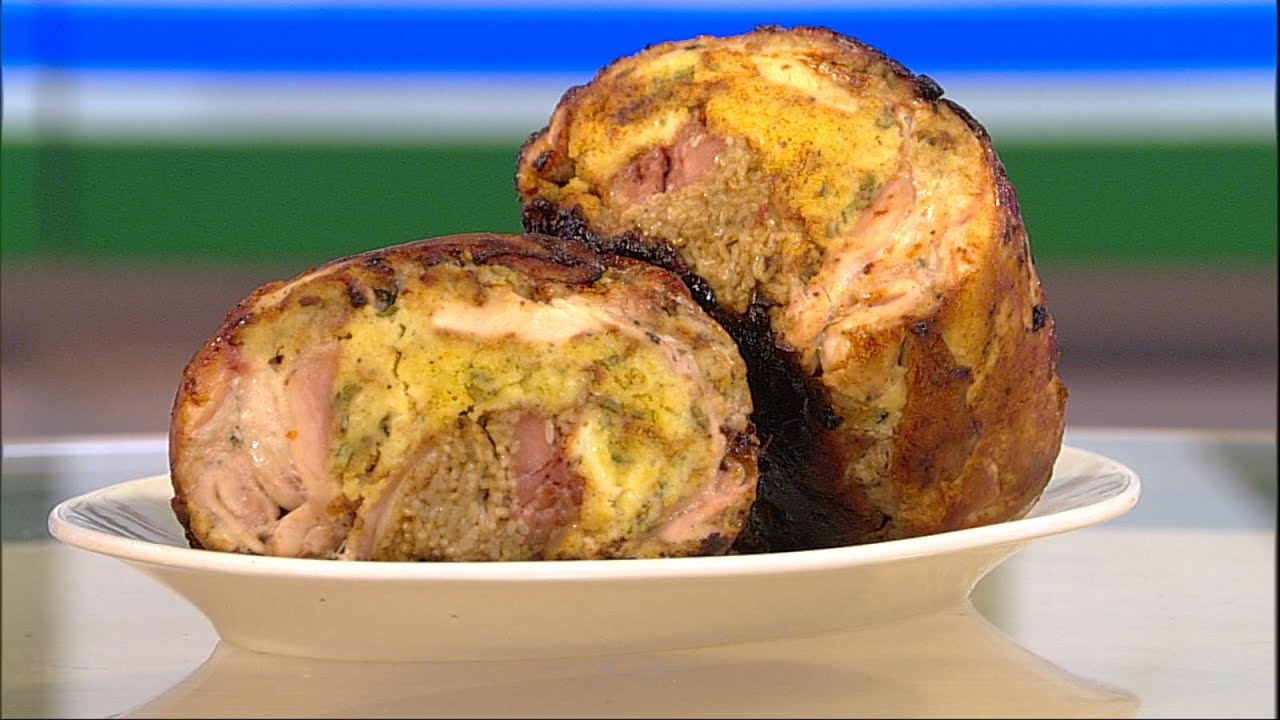
Turducken Recipe: Turducken is one of the most extravagant and conversation-worthy dishes in the culinary world. Imagine a whole chicken, stuffed inside a duck, which is then placed inside a turkey. Each bird is layered with flavorful stuffing, creating a masterpiece of taste and texture. It’s not just food—it’s a showstopper that combines the richness of three different meats in one bite. For many food lovers, Turducken represents the ultimate feast, where creativity meets indulgence.
Unlike a traditional roasted turkey, the Turducken offers a unique layering experience. With each slice, you don’t just get turkey meat—you also enjoy the succulence of duck and the tenderness of chicken, all held together with layers of stuffing that soak up the juices. The result is a dish that feels luxurious and unforgettable.
If you’re planning a holiday dinner, wedding feast, or just want to impress guests, Turducken is an unforgettable centerpiece. Yes, it takes time and patience to prepare, but the reward is a culinary marvel that will have everyone talking for years.
History and Origin of Turducken
Turducken’s roots trace back to Louisiana, where it became popular thanks to Cajun chefs. Paul Prudhomme, a famous Cajun chef, is often credited with bringing Turducken into the spotlight in the late 20th century. However, the concept of stuffing one animal inside another dates back centuries. In medieval Europe, feasts often featured birds stuffed into larger birds as a symbol of abundance and celebration.
In Louisiana, where bold flavors rule, chefs took the idea further by layering Cajun-style stuffings between each bird. The result? A uniquely Southern spin on an ancient culinary tradition. Today, Turducken is especially popular in the United States around Thanksgiving and Christmas, symbolizing generosity and the joy of sharing.
Why Turducken is Perfect for Special Occasions
Turducken is not a quick weeknight dinner—it’s an event. Preparing one requires patience, skill, and dedication, which makes it the perfect dish for holidays and celebrations. It’s not just about feeding guests—it’s about giving them an experience.
When you present a Turducken at the dinner table, you’re not just serving food—you’re serving a story. Guests marvel at the idea of three birds combined into one, and the carving moment becomes a highlight of the evening. Because it’s so hearty and filling, it’s perfect for large gatherings where you want everyone to leave satisfied.
On top of that, Turducken is versatile. You can season it Cajun-style, go for a classic herb stuffing, or even experiment with modern twists. Whether for Thanksgiving, Christmas, or a milestone birthday, Turducken guarantees your celebration will be unforgettable.
Ingredients You’ll Need
The Poultry Trio – Turkey, Duck, and Chicken
The stars of the show are the three birds that make up the Turducken: turkey, duck, and chicken. The turkey serves as the outer shell, giving structure and size. The duck, known for its rich, fatty flavor, adds moisture and depth. Finally, the chicken brings tenderness and balances the flavor profile.
When choosing your poultry, opt for fresh, high-quality birds. A typical Turducken uses a 12–15 lb turkey, a 4–5 lb duck, and a 3–4 lb chicken. Make sure they are fully thawed before you start preparing, as deboning frozen birds can be messy and unsafe.
Essential Seasonings and Marinades
The right seasonings are what elevate your Turducken from good to unforgettable. Here are some essentials:
- Salt and black pepper – Basic seasoning that enhances all flavors.
- Garlic powder and onion powder – For a savory depth.
- Paprika – Adds a smoky, earthy tone.
- Cayenne pepper – For a Cajun kick.
- Herbs like thyme, sage, and rosemary – Perfect for holiday flavors.
- Olive oil or melted butter – Keeps the meat moist.
For extra flavor, you can prepare a marinade with olive oil, garlic, Cajun spices, and lemon juice. Marinating overnight allows the seasonings to penetrate deeply into the meat, creating bold and unforgettable layers of taste.
Stuffing Options for Turducken
No Turducken is complete without stuffing. The beauty of this dish is that you can customize it to your taste. Some popular options include:
- Cornbread stuffing – A Southern favorite that pairs beautifully with turkey.
- Sausage stuffing – Adds richness and savory notes.
- Wild rice stuffing – For a nutty and hearty flavor.
- Mushroom and herb stuffing – Ideal for a more earthy taste.
When assembling, remember to use thin layers of stuffing between each bird. Too much stuffing will make the Turducken difficult to cook evenly.
Additional Tools and Kitchen Equipment
Making a Turducken isn’t something you can do with just a knife and cutting board. You’ll need a few extra tools:
- Sharp boning knife – For deboning the birds.
- Kitchen twine – To tie the Turducken securely.
- Meat thermometer – Essential for checking doneness.
- Roasting pan with rack – Keeps the Turducken elevated and allows juices to drip down.
- Aluminum foil – Prevents over-browning during roasting.
Having the right equipment makes the process smoother and ensures your Turducken turns out picture-perfect.
Preparing the Poultry
How to Debone a Turkey, Duck, and Chicken
Deboning is the most challenging part of preparing a Turducken, but with patience, you can master it. The goal is to remove the bones while keeping the skin and meat intact so the birds can be layered neatly.
- Turkey: Start by placing the turkey breast-side down. Use a sharp knife to carefully cut along the backbone and gently work around the rib cage until the bones are removed. Leave the wings and drumsticks attached for presentation.
- Duck and Chicken: These are smaller, so the process is quicker. Lay the bird flat and carefully remove the bones, being cautious not to tear the skin.
If deboning seems overwhelming, ask your butcher to do it for you—it saves time and ensures a clean result.
Proper Cleaning and Seasoning Techniques
Before seasoning, pat each bird dry with paper towels. Excess moisture can prevent seasonings from sticking. Generously rub each bird inside and out with a seasoning blend. Don’t be afraid to go heavy on spices—the flavors will mellow as the meats cook together.
For an extra kick, consider injecting the turkey with a Cajun butter marinade. This not only keeps it juicy but also guarantees every bite is flavorful.
Tips for Keeping the Meat Juicy
Dry meat is the enemy of Turducken. To avoid this, follow these tips:
- Brine the turkey for 12–24 hours before cooking. A simple brine of salt, sugar, and water works wonders.
- Layer fat-rich duck between the leaner turkey and chicken to naturally baste the meats.
- Cook low and slow – rushing the process will dry out the poultry.
- Baste frequently with pan juices or butter.
By combining these techniques, you’ll ensure your Turducken stays tender and moist from the first slice to the last.
Step-by-Step Guide to Assembling Turducken
Layering the Poultry with Stuffing
The assembly is where the magic happens. Lay the deboned turkey flat on your work surface, skin side down. Spread a thin layer of stuffing across it, followed by placing the duck on top. Spread another layer of stuffing, then position the chicken. Add one last thin layer of stuffing inside the chicken cavity.
The key is moderation—too much stuffing will prevent even cooking and make carving messy. Aim for about ½ to ¾ inch of stuffing between each layer.
Securing and Tying the Turducken Properly
Once layered, fold the turkey around the duck and chicken, forming a compact roll. Use kitchen twine to tie the bird securely in several places, ensuring the shape holds during cooking. Some chefs also use skewers or toothpicks to secure the skin.
Proper tying prevents stuffing from spilling out and keeps the Turducken intact for a beautiful presentation when sliced.
Avoiding Common Mistakes in Assembly
- Don’t overstuff—the Turducken will split open.
- Keep the layers even for uniform cooking.
- Use a meat thermometer—guessing can ruin hours of hard work.
A little patience and precision go a long way here. The more carefully you assemble, the more impressive your final dish will look and taste.
Cooking the Perfect Turducken
Roasting Instructions – Temperature and Time
Cooking a Turducken takes time. Preheat your oven to 325°F (163°C). Place the Turducken seam-side down on a roasting rack inside a pan. Cover loosely with foil and roast for about 7–9 hours (depending on size).
The most important step is checking the internal temperature. The center of the chicken layer must reach 165°F (74°C) to ensure it’s fully cooked. Remove the foil during the last hour of roasting to allow the skin to brown beautifully.
Alternative Cooking Methods (Smoker, Slow Cooker)
If you want to experiment, Turducken can also be cooked in a smoker or slow cooker.
- Smoker: Adds a deep, smoky flavor. Cook at 250°F for 8–10 hours.
- Slow cooker: Suitable for smaller Turduckens. Cook on low for 8–9 hours, checking the temperature before serving.
These methods add variety and can suit different preferences.
Checking for Doneness Safely
Never rely on time alone. Always use a meat thermometer inserted into the chicken layer at the center. If it reads 165°F (74°C), your Turducken is safe to eat.
Also check other spots, like the turkey breast and duck layer, to ensure consistent cooking. This prevents serving undercooked meat, which can ruin the entire experience.
Serving and Presentation
Carving a Turducken Correctly
Carving a Turducken is part of the spectacle—it’s the grand reveal of all the layers you’ve worked so hard to prepare. The trick is to approach it differently than a traditional turkey. Instead of carving along the breast and separating drumsticks, you’ll be slicing crosswise, almost like cutting into a meatloaf.
Start by letting the Turducken rest for at least 30 minutes after roasting. This rest period allows the juices to redistribute, making each slice tender and moist. Place the Turducken on a large carving board with grooves to catch any juices. Using a long, sharp carving knife, cut 1-inch slices straight through the bird. Each slice should display the beautiful layers of turkey, duck, chicken, and stuffing.
Unlike traditional roasted turkey, which can sometimes result in uneven portions, every slice of Turducken is balanced, giving each guest a fair share of all three meats plus stuffing. Serve slices on a warmed platter and garnish with fresh herbs like rosemary, thyme, or parsley for that holiday feast look.
Ideal Side Dishes to Pair with Turducken
Turducken is a rich, hearty dish, so you’ll want side dishes that complement it without overwhelming the palate. Some classic pairings include:
- Mashed Potatoes and Gravy – A creamy, smooth base to balance the richness.
- Cranberry Sauce – Adds a refreshing tartness that cuts through the fat.
- Roasted Vegetables – Carrots, Brussels sprouts, and parsnips roasted with herbs add color and texture.
- Cornbread or Dinner Rolls – Perfect for soaking up the flavorful juices.
- Green Bean Casserole – A holiday classic that brings a creamy crunch to the table.
The key is balance—since Turducken is heavy, lighter vegetable-based sides help round out the meal.
Presentation Tips for a Holiday Table
A dish as grand as Turducken deserves a dramatic presentation. Place it on a large platter with seasonal garnishes such as fresh herbs, citrus slices, or roasted root vegetables. A drizzle of gravy across the slices gives it an elegant shine.
If you’re serving at Thanksgiving or Christmas, add festive touches like cranberries, pomegranate seeds, or rosemary sprigs. For extra flair, consider carving it tableside in front of guests—the wow factor alone is worth it.
Remember, people eat with their eyes first. A beautifully presented Turducken not only satisfies the stomach but also elevates the entire dining experience.
Storage and Reheating Tips
How to Store Leftover Turducken
Turducken makes a lot of food, so chances are you’ll have leftovers. To store them safely, allow the meat to cool completely before wrapping. Divide the leftovers into meal-sized portions and store them in airtight containers.
- In the refrigerator: Keeps for up to 3–4 days.
- In the freezer: Can last up to 2–3 months if stored properly. Wrap slices tightly in foil and place in freezer bags to prevent freezer burn.
Label your containers with dates so you know exactly when to use them.
Best Reheating Methods to Keep it Moist
The challenge with reheating Turducken is maintaining its juiciness. Here are the best ways:
- Oven: Preheat to 300°F. Wrap slices in foil with a splash of broth or gravy and heat for 15–20 minutes. This keeps the meat moist.
- Stovetop: Heat slices in a covered skillet with a little broth. This method works well for smaller portions.
- Microwave: Quick but risky. Always cover with a damp paper towel to prevent drying out.
The golden rule: reheat gently. High heat dries out the meat, undoing all your hard work.
Common Mistakes and How to Avoid Them
Overcooking or Undercooking Issues
Because Turducken is such a thick dish, overcooking or undercooking is a common pitfall. If you cook it too fast, the outside dries out before the inside is safe to eat. If you undercook it, the innermost chicken may still be raw.
The solution? Cook low and slow. Keep the oven at 325°F and rely on a meat thermometer rather than guessing. Insert the probe into the chicken layer, since it’s the last to cook through. Patience pays off here.
Problems with Stuffing or Meat Separation
Another common mistake is overstuffing. Too much stuffing prevents the poultry from sealing properly, leading to gaps or stuffing spilling out. Always keep stuffing layers thin and even.
Separation between meat layers can also be a problem if the birds weren’t deboned carefully or if the Turducken wasn’t tied tightly. Proper twine tying is essential to hold everything together and keep the dish looking seamless when sliced.
By learning from these mistakes, your Turducken will turn out not just tasty but also visually stunning.
Health and Nutrition Aspects of Turducken
Calorie Breakdown of a Serving
There’s no denying it—Turducken is indulgent. A typical serving (about 8 ounces with stuffing) can range from 600–800 calories depending on the stuffing and seasonings used. It’s also high in protein, offering around 50–60 grams per serving.
The duck adds extra fat compared to chicken or turkey, which boosts flavor but also increases calorie count. Stuffings made with sausage, butter, or cornbread also raise the calorie load.
Balancing Indulgence with Healthy Eating
If you’re health-conscious but still want to enjoy Turducken, there are ways to lighten it up without sacrificing taste:
- Use lean stuffing options like wild rice, quinoa, or vegetable-based mixtures.
- Reduce the butter and oil in your marinades.
- Serve with plenty of vegetable sides for balance.
- Keep portions reasonable—Turducken is rich, so smaller slices go a long way.
At the end of the day, Turducken is a special-occasion dish. It’s meant for celebration, not daily dining. Enjoy it guilt-free in moderation and balance it out with lighter meals before and after your feast.
Variations of Turducken
Cajun-Style Turducken
If you want to take your Turducken to the next level, the Cajun-style version is a true showstopper. Originating from Louisiana, this variation is all about bold, spicy flavors. The seasoning rub typically includes paprika, cayenne pepper, garlic powder, onion powder, black pepper, thyme, and oregano. The spice mix is rubbed generously inside and outside each bird before assembly.
For the stuffing, Cajun chefs often use dirty rice (a flavorful mix of rice, chicken livers, onions, peppers, and Cajun spices) or spicy cornbread stuffing. These fillings soak up the poultry juices, adding a zesty kick to each bite.
What makes Cajun Turducken special is the balance between smoky, spicy, and savory flavors. It’s not for the faint of heart—but for those who love Southern cuisine, it’s an unforgettable holiday centerpiece. Pair it with gumbo, jambalaya, or collard greens to create a true Louisiana-style feast.
Vegetarian and Vegan Alternatives
Surprisingly, Turducken has inspired plant-based alternatives for vegetarians and vegans who still want to enjoy a layered holiday roast. Instead of using three birds, chefs stack different vegetables or plant-based proteins to mimic the structure and presentation.
One creative alternative is the “Vegducken”, where a hollowed-out butternut squash is stuffed with eggplant, zucchini, or peppers. Another option is layering plant-based meat substitutes like seitan or tofu with hearty vegetable stuffing. With the right herbs and spices, these versions deliver plenty of flavor without the meat.
These alternatives are not just healthier—they’re also a fantastic option for mixed gatherings where guests have different dietary needs. Plus, they offer the same dramatic “slice and reveal” moment at the table.
Tips from Professional Chefs
Expert Advice on Seasoning and Cooking
Professional chefs emphasize that the success of a Turducken lies in the seasoning and cooking technique. One common mistake home cooks make is under-seasoning. Because you’re working with three different birds and multiple layers of stuffing, you need generous seasoning to ensure every bite is flavorful.
Many chefs recommend seasoning each bird individually before assembling, rather than just sprinkling spices on the outside. A spice rub with garlic, paprika, thyme, rosemary, and a little cayenne adds warmth and depth.
When it comes to cooking, chefs stress low and slow. Rushing the process dries out the meat. They also suggest using a meat thermometer at multiple points in the Turducken to avoid overcooking one layer while another remains underdone.
Time-Saving Tricks for Beginners
For beginners, making a full Turducken from scratch can feel overwhelming. Chefs suggest these shortcuts:
- Ask your butcher to debone the birds – this saves hours of work.
- Use premade stuffing if you don’t want to prepare multiple batches.
- Consider a mini-Turducken using just a duck and chicken inside a smaller turkey.
- Cook ahead of time – assemble a day before, then refrigerate and roast the next day.
These tips make the process less intimidating while still delivering that wow factor at the table.
Turducken for Holidays and Celebrations
Thanksgiving Favorite
Turducken has become an alternative to the traditional roasted turkey for many families during Thanksgiving. It offers something more adventurous and indulgent while still keeping with the poultry theme. The dish also solves one common Thanksgiving dilemma: whether to serve turkey or another meat. With Turducken, you get three in one.
It also pairs beautifully with classic Thanksgiving sides like mashed potatoes, cranberry sauce, stuffing, and pumpkin pie. The carving ceremony adds a festive flair, making it an unforgettable part of the holiday meal.
Christmas and New Year Festivities
Christmas and New Year are other occasions where Turducken shines. Its grand presentation fits perfectly with the celebratory spirit of these holidays. Some families even make it a tradition to serve Turducken instead of ham or roast beef.
For Christmas, pair it with sides like roasted root vegetables, Brussels sprouts with balsamic glaze, or cheesy scalloped potatoes. For New Year, serve it alongside champagne, sparkling wines, or festive cocktails to create a meal worth remembering.
Because it’s such a large and hearty dish, Turducken is ideal for big gatherings where you want to serve many people with one main course.
Cost and Budget Considerations
How Much Does It Cost to Make a Turducken?
The cost of making a Turducken varies depending on where you live, the size of the birds, and whether you buy premium or standard poultry. On average:
- Turkey: $25–$40
- Duck: $20–$30
- Chicken: $10–$15
- Stuffing ingredients: $15–$30
- Seasonings and extras: $10–$20
Altogether, a homemade Turducken typically costs $80–$120. If you order a pre-made Turducken from a specialty store or online, prices can range from $150–$300 depending on size and quality.
Saving Money Without Sacrificing Flavor
If you’re on a budget but still want to enjoy Turducken, there are a few strategies to cut costs:
- Buy poultry on sale around the holidays, when prices drop.
- Make your own stuffing instead of buying pre-made versions.
- Opt for smaller birds if you’re serving a smaller group.
- Split costs with family – since it feeds so many people, share the expense.
With a little planning, you can enjoy this luxurious dish without breaking the bank.
FAQs about Turducken Recipe
1. Can I make Turducken in advance?
Yes! You can assemble it a day ahead, wrap it tightly in plastic wrap, and refrigerate. Roast it fresh on the day of serving.
2. What’s the best stuffing for Turducken?
It depends on your taste. Cornbread stuffing is classic, dirty rice gives a Cajun kick, and wild rice or mushroom stuffing adds earthy notes.
3. How long does it take to cook Turducken?
On average, 7–9 hours at 325°F, depending on size. Always check with a meat thermometer for doneness.
4. Can I grill a Turducken instead of roasting?
Yes! Indirect grilling works well, especially with a smoker attachment. It adds a smoky depth of flavor.
5. How do I keep my Turducken from drying out?
Brine the turkey, baste regularly, and cook low and slow. Duck fat naturally helps keep everything moist.
Conclusion
Turducken isn’t just a recipe—it’s a culinary adventure. From its Louisiana roots to its modern-day role as a holiday centerpiece, this dish has earned its place in the spotlight. It requires time, patience, and a bit of skill, but the reward is unforgettable: layers of juicy chicken, rich duck, tender turkey, and flavorful stuffing in every slice.
Whether you stick to the classic version, spice things up with Cajun flair, or try a vegetarian alternative, Turducken guarantees a meal your guests will remember. It’s indulgent, dramatic, and downright delicious—everything a holiday feast should be.
So, roll up your sleeves, sharpen your knives, and get ready to impress. Turducken may be ambitious, but once you master it, you’ll never look at holiday roasts the same way again.