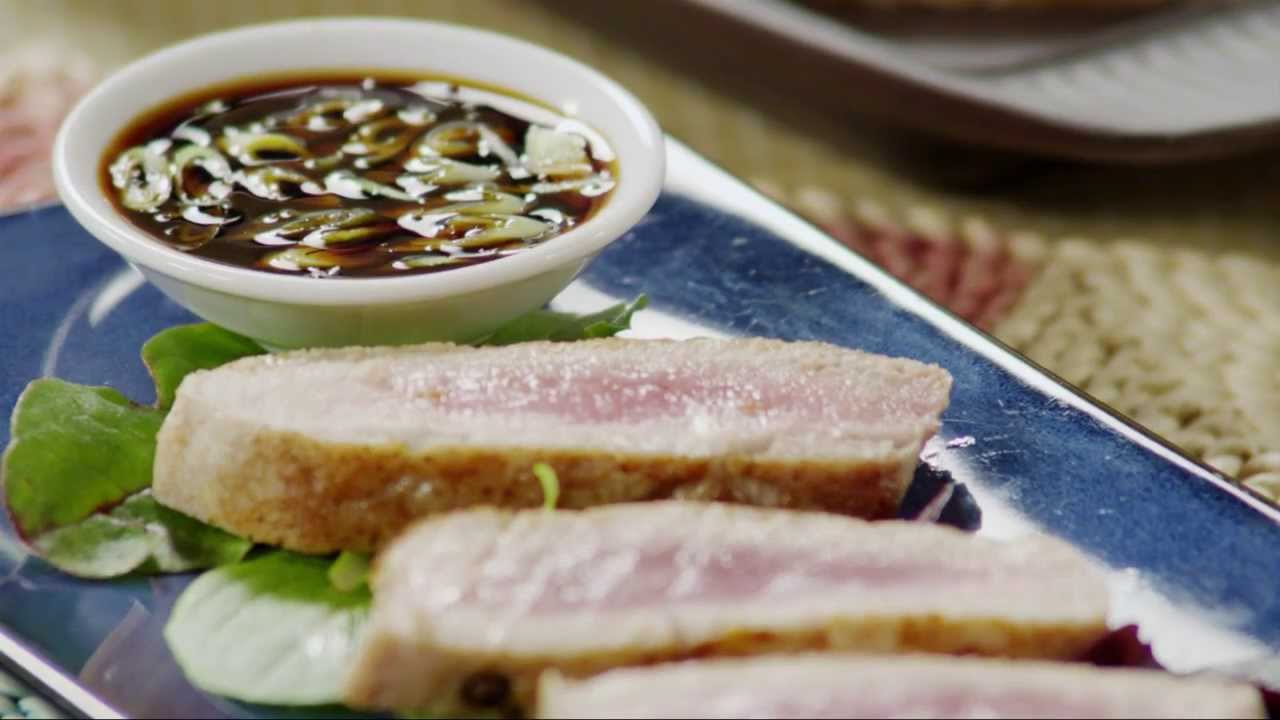
Tuna Steaks Recipe: Tuna steaks are a delicious, protein-rich dish that bring the flavors of the ocean right to your plate. Unlike canned tuna, fresh tuna steaks are thick, meaty cuts that cook quickly while offering a restaurant-quality experience at home. They’re versatile and can be prepared in several ways—grilled, pan-seared, or even air-fried—depending on your taste and kitchen setup.
Why Tuna Steaks Are Special
Tuna steaks stand out because of their firm texture and bold flavor. They have a meaty quality that makes them satisfying, even for those who usually prefer red meat. When cooked right, they stay tender on the inside while developing a flavorful crust on the outside. Many chefs even prepare tuna steaks rare in the center, similar to beef steaks, for maximum juiciness and flavor.
Health Benefits of Tuna
Beyond taste, tuna is also packed with nutrients. It’s an excellent source of lean protein, omega-3 fatty acids, vitamin B12, and selenium. These nutrients support heart health, boost brain function, and strengthen immunity. Choosing tuna steaks over heavier meats like beef or pork can also be a smart move for those looking to cut down on saturated fats without sacrificing taste.
Ingredients You’ll Need
Before diving into the cooking steps, let’s take a look at the essentials you’ll need for this recipe.
Fresh Tuna Steaks
- 2 fresh tuna steaks (about 6 oz each, 1 inch thick)
- Look for steaks that are deep red in color with a firm texture. Avoid steaks that look dull or discolored.
Marinade Essentials
- 2 tbsp olive oil
- 2 tbsp soy sauce
- 1 tbsp lemon juice (or lime juice for a zesty twist)
- 1 tsp garlic (minced)
- 1 tsp fresh ginger (optional, for added flavor)
Seasoning and Garnishes
- Salt and freshly ground black pepper
- Fresh herbs like parsley or cilantro
- Lemon wedges for serving
This simple list keeps things fresh and flavorful without overpowering the natural taste of the tuna.
Step-by-Step Guide to Making Perfect Tuna Steaks
Step 1 – Choosing the Right Tuna Steaks
The foundation of this recipe starts at the store. Freshness is key when it comes to tuna. Always buy tuna steaks from a trusted fishmonger or supermarket. Look for steaks that are:
- Vibrant in color (deep red, not brown or dull).
- Firm to the touch, not mushy.
- Moist but not slimy.
If fresh tuna isn’t available, frozen tuna steaks are a good alternative. Just make sure to thaw them in the refrigerator overnight rather than on the counter.
Step 2 – Preparing the Marinade
A good marinade not only enhances flavor but also helps tenderize the fish. In a small bowl, whisk together olive oil, soy sauce, lemon juice, garlic, and ginger. This creates a balance of savory, tangy, and slightly spicy notes that complement tuna beautifully.
Step 3 – Marinating the Tuna Steaks
Place your tuna steaks in a shallow dish and pour the marinade over them. Make sure each steak is coated evenly. Cover the dish and refrigerate for at least 30 minutes, but not more than 2 hours. Tuna is delicate, and over-marinating can change its texture.
Step 4 – Preheating Your Pan or Grill
Heat is crucial for getting that perfect sear. Preheat a heavy skillet, cast-iron pan, or grill on medium-high heat. Lightly oil the surface to prevent sticking. You want the surface hot enough so that the tuna sizzles the moment it hits the pan.
Step 5 – Cooking the Tuna Steaks
Cooking time depends on how you like your tuna:
- Rare: 1–2 minutes per side
- Medium-rare: 2–3 minutes per side
- Well-done: 4–5 minutes per side
Keep in mind that tuna dries out quickly if overcooked. The goal is a nice seared crust on the outside while keeping the center moist and tender.
Step 6 – Resting and Serving the Tuna
Once cooked, let the tuna steaks rest for a couple of minutes before slicing. This allows the juices to redistribute. Garnish with fresh herbs and lemon wedges, and serve hot with your favorite side dish.
Tips for Cooking Tuna Steaks
Cooking tuna steaks may seem intimidating at first, but once you understand the basics, it becomes surprisingly easy. The key is balancing high heat with short cooking times to lock in flavor and moisture without drying out the fish. Let’s dive into some essential tips that will help you master the art of cooking tuna steaks.
How to Avoid Overcooking
Tuna is unlike most fish because it’s best enjoyed slightly rare or medium-rare. When cooked all the way through, it can become dry and chewy. To avoid this, always cook over medium-high heat for a short period. Use a timer if you’re new to cooking tuna—just 1–2 minutes per side for rare and 3 minutes per side for medium-rare. Another trick is to press gently on the center of the steak; if it still feels a little soft and springy, it’s just right.
Flavor Pairings That Work Best
Tuna has a bold flavor that pairs well with fresh, zesty, and umami-rich ingredients. Consider combining it with:
- Citrus: Lemon, lime, or orange brightens up the dish.
- Soy sauce or teriyaki glaze: Adds a savory depth.
- Herbs: Parsley, cilantro, basil, or dill work wonders.
- Spices: Black pepper, chili flakes, or Cajun blends add a kick.
Pairing these flavors thoughtfully can elevate your tuna steak from a simple meal to a restaurant-quality dish.
Serving Suggestions for Tuna Steaks
A perfectly cooked tuna steak deserves equally delicious sides. Because tuna is light yet hearty, it pairs beautifully with fresh, vibrant accompaniments.
With Fresh Salads
One of the best ways to serve tuna is alongside a crisp salad. A Mediterranean-style salad with cucumbers, tomatoes, olives, and feta adds refreshing crunch and tang. Or, try an Asian-inspired sesame cucumber salad for a lighter pairing. The freshness of salads balances the rich, meaty flavor of tuna beautifully.
With Rice or Quinoa
For a more filling meal, serve tuna steaks over a bed of fluffy rice or quinoa. Jasmine rice works wonderfully with soy-marinated tuna, while quinoa adds a nutty base that complements herb-crusted tuna. You can also drizzle soy sauce or teriyaki glaze over the grain for an added layer of flavor.
With Roasted Vegetables
Roasted veggies like asparagus, zucchini, or bell peppers make excellent sides. Their caramelized edges bring out earthy, smoky notes that pair perfectly with tuna’s seared crust. Drizzle a little olive oil and sprinkle sea salt over the veggies before roasting to enhance their natural flavors.
Variations of Tuna Steak Recipes
One of the best things about tuna steaks is how versatile they are. Depending on your mood and pantry ingredients, you can take your tuna in many flavorful directions.
Asian-Inspired Soy and Ginger Tuna
Marinate your tuna steaks in soy sauce, ginger, sesame oil, and garlic for an Asian twist. Once seared, sprinkle toasted sesame seeds on top and serve with steamed bok choy or stir-fried veggies.
Mediterranean Herb-Crusted Tuna
Mix dried oregano, thyme, parsley, and a touch of paprika with olive oil to create an herb paste. Coat your tuna steaks before searing. Serve with a side of roasted tomatoes, olives, and couscous for a Mediterranean feast.
Spicy Cajun Tuna
For those who love a bit of heat, coat tuna steaks in Cajun seasoning before cooking. The spices create a smoky, fiery crust while keeping the inside tender. Pair with a cooling avocado salad to balance the spice.
Common Mistakes to Avoid When Cooking Tuna
Even though tuna steaks are simple to cook, there are a few common pitfalls to watch out for:
- Overcooking – This is the number one mistake. Tuna should not be treated like salmon or cod; it cooks much faster.
- Using too much marinade – Overpowering marinades can mask tuna’s natural flavor. Stick to light, balanced seasonings.
- Skipping the resting time – Just like beef steaks, tuna needs a minute or two to rest after cooking. This keeps the juices inside.
- Not heating the pan enough – A hot pan ensures a quick sear and prevents sticking. If your tuna doesn’t sizzle immediately, the pan isn’t ready.
- Buying poor-quality tuna – Always invest in fresh, high-quality tuna steaks. They make all the difference in taste and texture.
Avoiding these mistakes will ensure your tuna steaks come out flavorful, tender, and impressive every time.
How to Store and Reheat Tuna Steaks
Cooking a couple of tuna steaks is easy, but sometimes you end up with leftovers. Knowing how to store and reheat them properly will help you maintain their flavor and texture. Unlike chicken or beef, tuna can dry out quickly if reheated carelessly, so let’s look at the best practices.
Storing Tuna Steaks
- In the Refrigerator: Place leftover tuna steaks in an airtight container or wrap them tightly in aluminum foil or plastic wrap. Store them in the fridge for up to 2 days.
- In the Freezer: If you want to keep them longer, wrap each steak individually in parchment paper, then place them in a freezer-safe bag. Frozen tuna steaks can last up to 2 months without losing quality.
Reheating Tuna Steaks
Reheating tuna is tricky because it tends to dry out. Here’s how to do it the right way:
- Low Heat in the Oven: Preheat your oven to 275°F (135°C). Place the tuna in a baking dish, cover with foil, and warm for about 10–12 minutes.
- On the Stovetop: Heat a skillet on low with a drizzle of olive oil. Place the tuna steak in the pan and warm gently for 2–3 minutes per side.
- Cold as a Salad: Sometimes, the best way to enjoy leftover tuna is to skip reheating altogether. Slice it thin and toss it into a salad or poke bowl for a refreshing meal.
Remember: reheated tuna won’t taste exactly the same as freshly cooked, but if you store and warm it correctly, it will still be delicious and enjoyable.
FAQs about Tuna Steaks Recipe
1. Can I cook frozen tuna steaks?
Yes, you can cook frozen tuna steaks, but it’s best to thaw them in the refrigerator overnight first. Cooking from frozen can lead to uneven cooking.
2. How do I know when tuna is done?
Tuna is done when the outside has a nice sear while the inside remains pink and slightly translucent. If it feels too firm when pressed, it’s likely overcooked.
3. What side dishes go best with tuna steaks?
Tuna pairs well with fresh salads, roasted vegetables, or light grains like rice and quinoa. For extra flavor, try citrus-based dressings or sauces.
4. How long can I marinate tuna?
Tuna is delicate, so marinate it for no longer than 2 hours. Anything beyond that can change its texture and overpower its natural flavor.
5. Can tuna steaks be eaten rare?
Yes! In fact, tuna is often enjoyed rare or medium-rare, just like a beef steak. As long as you’re using sushi-grade or very fresh tuna, it’s perfectly safe.
Conclusion
The most important thing to remember is not to overcook them—keeping the inside tender and juicy is what makes tuna steaks so special. Pair them with light, refreshing sides like salads, roasted vegetables, or grains, and you’ll have a balanced, nutrient-packed meal that’s both satisfying and healthy.
So the next time you want to impress your family or treat yourself to something special, reach for fresh tuna steaks. With this step-by-step guide, you’ll be confident enough to cook them to perfection every single time.