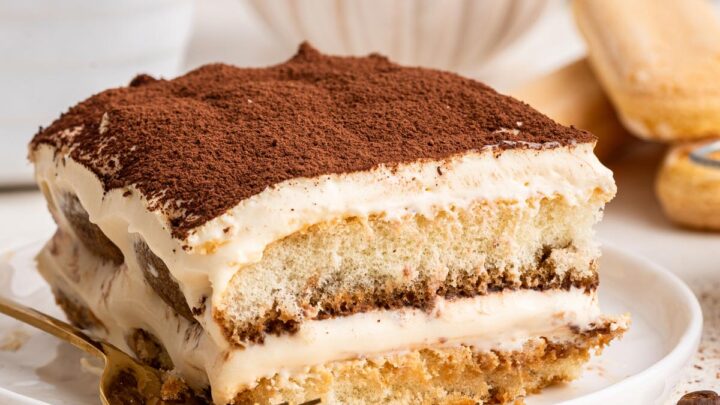
Traditional Tiramisu Recipe: Tiramisu is one of those timeless desserts that can instantly transport you to Italy with a single bite. Known for its rich layers of mascarpone cream, bold espresso-soaked ladyfingers, and a final dusting of cocoa powder, this dessert has a perfect balance of sweetness, creaminess, and a touch of bitterness. Unlike overly sweet desserts, tiramisu offers a more sophisticated flavor profile, making it a favorite among adults while still being appealing to anyone with a sweet tooth.
But what really sets tiramisu apart is the texture. Each spoonful is a combination of creamy mascarpone, soft yet firm ladyfingers, and the delicate bitterness of cocoa powder. When made properly, tiramisu is light and airy but also indulgent. It’s the kind of dessert that doesn’t just fill you up but leaves a lasting impression.
What Makes Tiramisu Special?
Tiramisu isn’t just another layered dessert—it’s an experience. Its name literally means “pick me up” in Italian, referring to the energizing effect of coffee and cocoa. Unlike heavy cakes or sugary puddings, tiramisu is elegant and layered with subtlety. The magic lies in how the bold espresso mingles with the creamy mascarpone filling, creating a dessert that is both comforting and luxurious.
Origin of Tiramisu – A Sweet Italian Classic
Tiramisu is a relatively modern Italian dessert that gained global popularity in the late 20th century. While its exact origins are debated, many believe it first appeared in the Veneto region of Italy. Some food historians trace it back to the 1960s, with claims that it was invented in a restaurant in Treviso. Despite disputes over its birthplace, one thing is certain—tiramisu quickly became one of Italy’s most iconic culinary exports, loved worldwide for its irresistible taste.
Ingredients You’ll Need for Traditional Tiramisu
Essential Ingredients for Authentic Flavor
To create an authentic tiramisu, you’ll need a few key ingredients. Each plays a crucial role in balancing flavors and textures:
- Ladyfingers (Savoiardi): The base of the dessert, providing structure and absorbing the coffee mixture.
- Espresso Coffee: Strong, freshly brewed coffee is best to give tiramisu its bold, signature flavor.
- Mascarpone Cheese: The creamy heart of the dessert, lending richness and smoothness.
- Egg Yolks: Used to make the custard base, giving tiramisu a velvety texture.
- Egg Whites or Whipped Cream: Adds lightness and airiness to the mascarpone mixture.
- Sugar: Sweetens the mascarpone cream.
- Cocoa Powder: A dusting of unsweetened cocoa powder balances the sweetness.
- Liquor (Optional): Marsala wine, dark rum, or coffee liqueur can be added for depth of flavor.
Ingredient Substitutes and Variations
- Mascarpone Alternatives: If mascarpone isn’t available, cream cheese or a mix of cream cheese and heavy cream can be used.
- Alcohol-Free Version: Skip the liquor or replace it with a splash of vanilla extract.
- Healthier Options: Use low-fat mascarpone or Greek yogurt for a lighter variation.
- Coffee Substitute: For kids, replace espresso with hot chocolate or decaf coffee.
Tools and Equipment Required
- Mixing bowls (preferably glass or stainless steel)
- Electric mixer or whisk
- Shallow dish for dipping ladyfingers
- Spatula
- Baking dish (9×9 inch works well)
- Fine-mesh strainer for dusting cocoa powder
Preparing for the Recipe
Choosing the Right Ladyfingers (Savoiardi)
Ladyfingers are essential to the structure of tiramisu, and choosing the right ones can make or break your dessert. Traditional Italian savoiardi are firm, slightly crunchy, and absorb liquid beautifully without becoming mushy. Avoid softer sponge-like versions, as they tend to fall apart when dipped in coffee. If authentic Italian ladyfingers aren’t available, look for a sturdy alternative or bake your own.
Selecting the Best Coffee and Liquor
The coffee you choose plays a huge role in the flavor of your tiramisu. Freshly brewed espresso is best, but if you don’t have an espresso machine, use a strong stovetop moka pot brew or a French press. The goal is to have bold, concentrated coffee that won’t get lost in the creamy layers. For liquor, Marsala wine is the most traditional option, but you can also experiment with dark rum, brandy, or even amaretto for a nutty twist.
Preparing the Mascarpone Cream Base
The mascarpone cream is the soul of tiramisu, and preparing it correctly is crucial. Start with room-temperature mascarpone for easy mixing. The cream typically combines egg yolks, sugar, and mascarpone, whipped until smooth. Some recipes also include whipped egg whites or heavy cream for extra lightness. The trick is balancing richness with airiness—too heavy, and your tiramisu feels dense; too light, and it won’t hold its layers.
Step-by-Step Guide to Making Tiramisu
Step 1 – Preparing the Coffee Mixture
Brew a strong pot of espresso and let it cool slightly. Mix it with a splash of liquor if desired. The coffee should be warm but not boiling hot, or it will make the ladyfingers soggy too quickly. Pour it into a shallow dish for easy dipping.
Step 2 – Making the Mascarpone Cream
Whisk together egg yolks and sugar until pale and creamy. Gently fold in mascarpone cheese until smooth. If you want a lighter texture, fold in whipped egg whites or whipped cream. The result should be creamy, thick, and slightly sweet with a hint of richness.
Step 3 – Whipping the Egg Yolks and Whites
This step is where the magic of tiramisu begins to shine. You’ll need to separate your eggs carefully—placing yolks in one bowl and whites in another. Start by whisking the yolks with sugar until they become pale yellow and thick, creating a custard-like consistency. This sweet, velvety mixture forms the base of the mascarpone cream.
Next, focus on the egg whites. Whip them until they form stiff peaks. This step requires patience—use an electric mixer for ease and consistency. The egg whites should be glossy and hold their shape when the whisk is lifted. Folding these whipped whites into the mascarpone cream gives tiramisu its signature light and airy texture.
Some cooks prefer substituting whipped cream for egg whites, especially in no-raw-egg versions, but traditional recipes keep the egg whites for authenticity. Whichever you choose, the key is gentle folding—never stir aggressively, or you’ll deflate the mixture. Think of it like folding clouds into cream, creating a soft, dreamy base for your tiramisu layers.
Step 4 – Layering the Tiramisu
Now comes the fun part—assembling the layers. Take your cooled coffee mixture and quickly dip each ladyfinger. The trick here is speed: just a second or two in the coffee is enough. Over-soaking will make them mushy, while under-soaking leaves them dry. Place each dipped ladyfinger neatly in the bottom of your dish, forming an even layer.
Spread half of the mascarpone cream mixture over the soaked ladyfingers, smoothing it with a spatula for a clean, even finish. Then, repeat the process with another layer of dipped ladyfingers, followed by the remaining mascarpone cream.
The layering creates a beautiful contrast of flavors and textures—coffee-soaked sponge balanced by creamy mascarpone. Each bite should have just the right balance, so make sure your layers are even. For extra elegance, you can use individual serving glasses or jars, perfect for dinner parties.
Step 5 – Dusting and Chilling
The finishing touch is simple but crucial. Using a fine-mesh strainer, dust the top generously with unsweetened cocoa powder. This adds a slightly bitter note, perfectly balancing the sweetness of the cream. Some chefs also sprinkle grated dark chocolate for extra richness.
Once dusted, cover the dish with plastic wrap and refrigerate for at least 4 hours, though overnight is best. Chilling allows the flavors to meld together, and the ladyfingers absorb just the right amount of cream. Patience is key here—resist the urge to serve immediately, because the difference between a freshly layered tiramisu and one that has rested overnight is remarkable.
When you’re ready to serve, cut into squares or scoop into bowls, revealing those gorgeous coffee-soaked layers. Each spoonful will be creamy, flavorful, and downright irresistible.
Tips for the Perfect Tiramisu
Avoiding Common Mistakes
Even though tiramisu seems simple, a few common mistakes can ruin it:
- Over-soaking ladyfingers: They should be moist but not falling apart.
- Using low-quality coffee: Weak coffee won’t deliver the authentic flavor.
- Skipping the chill time: Rushing the process prevents the dessert from setting properly.
- Over-mixing the mascarpone cream: This can make it too runny.
How to Achieve the Right Texture and Flavor
Balance is everything in tiramisu. Use strong espresso for boldness, mascarpone for creaminess, and unsweetened cocoa for contrast. The egg whites or whipped cream should be folded gently for an airy texture. Always let the dessert rest in the fridge so the layers can bond together into a silky masterpiece.
Storage and Shelf Life
Tiramisu tastes best within 2–3 days of preparation. Keep it refrigerated and covered to prevent drying out. If you want to prepare in advance, you can freeze tiramisu for up to 2 months—just make sure to thaw it slowly in the fridge before serving.
Variations of Tiramisu
Strawberry Tiramisu
Replace coffee with strawberry puree or juice, and layer with fresh sliced strawberries. This version is light, fruity, and perfect for summer gatherings.
Chocolate Tiramisu
Add melted dark chocolate to the mascarpone mixture and dust with cocoa powder for a double-chocolate indulgence. This is a dream for chocolate lovers.
Alcohol-Free Tiramisu
For kids or those avoiding alcohol, simply skip the liquor. You can replace it with vanilla extract or almond essence for added depth of flavor.
Nutritional Information
Calories and Nutritional Breakdown
Tiramisu, while delightful, is undeniably rich. A standard serving (about 150 grams) provides approximately 400–450 calories. The bulk of these calories come from mascarpone cheese, sugar, and ladyfingers. Here’s a typical breakdown:
- Carbohydrates: 35–40 grams (from ladyfingers and sugar)
- Fats: 25–30 grams (mostly from mascarpone and egg yolks)
- Proteins: 6–8 grams (from mascarpone and eggs)
- Sugar: Around 25 grams per serving
- Caffeine: Varies depending on how strong your coffee is, but usually around 50–70 mg per serving
While not exactly diet-friendly, tiramisu is meant to be enjoyed as an indulgence. Its richness means that a small portion is usually satisfying enough to fulfill your sweet craving.
Healthier Alternatives
For those who love tiramisu but want a lighter option, there are some smart substitutions you can try:
- Replace mascarpone with Greek yogurt or low-fat cream cheese.
- Use whole-grain ladyfingers if available, or make your own lighter sponge.
- Swap sugar for natural sweeteners like honey, stevia, or coconut sugar.
- Skip alcohol to cut calories.
- Use decaf coffee if you’re sensitive to caffeine.
These tweaks won’t give you the exact same indulgent result, but they allow you to enjoy tiramisu more often without guilt.
Serving Suggestions
Perfect Pairings with Tiramisu
Tiramisu pairs beautifully with drinks that complement its flavors:
- Espresso or Cappuccino: A classic Italian pairing.
- Dessert Wine: Marsala or Vin Santo works wonderfully.
- Hot Chocolate: A cozy option for non-coffee drinkers.
- Baileys or Kahlúa cocktails: For an indulgent adult pairing.
If you’re serving tiramisu at a dinner party, consider offering it as the final course with coffee or liqueur. Its creamy richness makes it an ideal dessert to close a meal.
Presentation Tips
- Serve tiramisu in individual glasses or jars for a modern twist.
- Garnish with chocolate curls, fresh mint, or coffee beans for extra flair.
- Use a stencil to dust cocoa in creative shapes, such as hearts or stars.
- For a festive touch, drizzle a little chocolate or caramel sauce on the plate before placing the tiramisu slice.
Presentation elevates tiramisu from a simple dessert to a show-stopping centerpiece.
FAQs about Traditional Tiramisu Recipe
1. Can I make tiramisu without eggs?
Yes! Many modern recipes use whipped cream instead of eggs. This makes the dessert safer to eat and gives it a slightly lighter texture.
2. Can I freeze tiramisu?
Absolutely. Tiramisu freezes well for up to 2 months. Just wrap it tightly and thaw in the fridge overnight before serving.
3. How long does tiramisu last in the fridge?
Homemade tiramisu lasts around 2–3 days in the fridge when stored in an airtight container. Beyond that, the texture may become too soft.
4. What’s the best coffee to use?
Freshly brewed espresso is ideal. If you don’t have an espresso machine, use a moka pot or very strong French press coffee.
5. Why does my tiramisu turn out soggy?
Over-soaking the ladyfingers is the most common reason. A quick dip—just a second or two—is enough to give them flavor without turning them mushy.
Conclusion
Traditional tiramisu is a dessert that never fails to impress. With its layers of coffee-soaked ladyfingers, creamy mascarpone, and a touch of cocoa, it captures the very essence of Italian indulgence. The process may seem a little detailed, but once you’ve tried it, you’ll see that making tiramisu at home is both rewarding and surprisingly simple.
Whether you stick to the authentic recipe or explore variations like strawberry or chocolate tiramisu, the result is always a dish that brings joy to the table. Remember, the secret to the best tiramisu lies in quality ingredients, patience during preparation, and plenty of love.
So, roll up your sleeves, brew some strong espresso, and treat yourself to this timeless Italian delight—you won’t regret it!