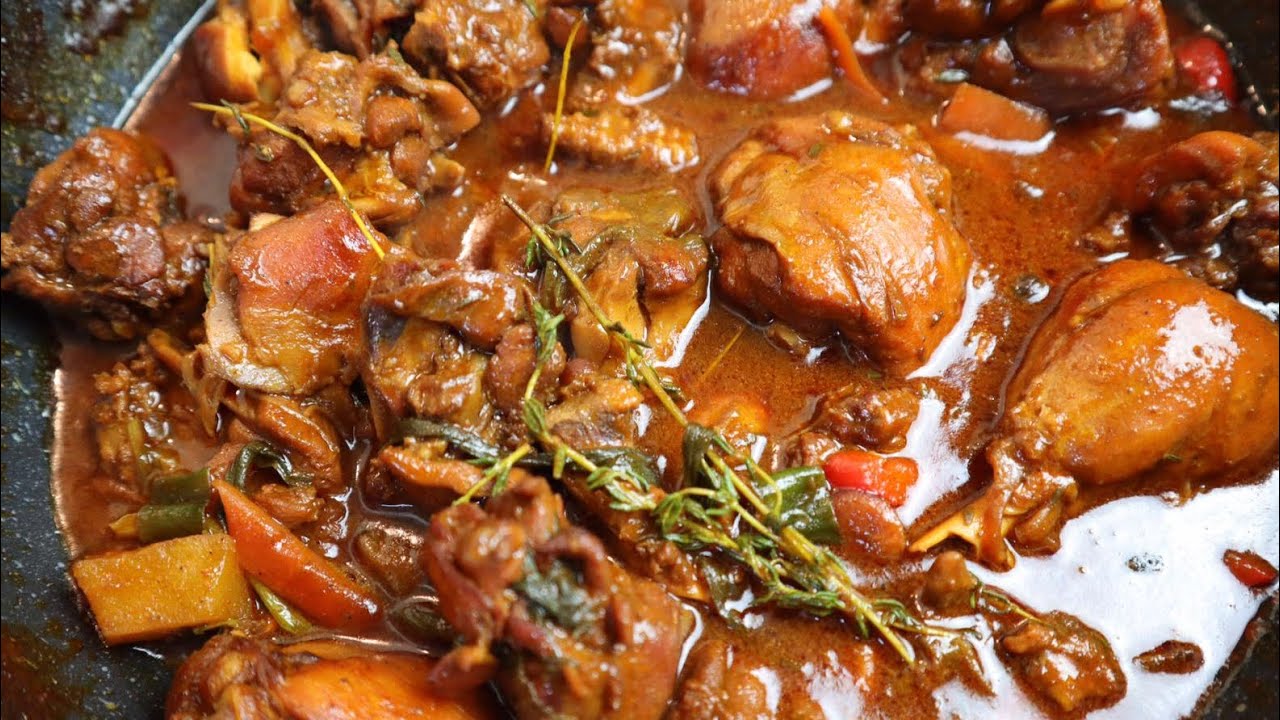
Stewed Chicken Recipe: Stewed chicken is one of those hearty, flavorful, and soul-warming meals that almost everyone enjoys. From Caribbean kitchens to African family gatherings, from American Sunday dinners to Asian-inspired comfort foods, stewed chicken has made its way into cultures worldwide. What makes it special is its adaptability—you can play with spices, herbs, and ingredients to suit your taste buds and still end up with a dish that feels like a warm hug in a bowl.
What is Stewed Chicken?
At its core, stewed chicken is chicken that has been simmered slowly in a seasoned broth or sauce until it becomes tender, flavorful, and juicy. Unlike fried or roasted chicken, stewing allows the meat to soak in all the herbs, spices, and aromatic flavors. This slow cooking method also results in a rich sauce or gravy, perfect for spooning over rice, bread, or mashed potatoes.
Think of stewed chicken as comfort food that doesn’t demand much but gives back tenfold. You don’t need fancy techniques or rare ingredients—just patience, a good pot, and the willingness to let flavors blend naturally.
Why Stewed Chicken is a Timeless Comfort Food
The magic of stewed chicken lies in its versatility and cultural significance. Every family has their own version: some cook it with tomatoes and bell peppers, others with coconut milk and curry powder. In the Caribbean, brown sugar is often caramelized to give it a rich, deep flavor. In American kitchens, it’s often paired with root vegetables like carrots and potatoes for a wholesome meal.
Besides its taste, stewed chicken is practical. It uses affordable cuts of chicken—like thighs and drumsticks—that become tender when slow-cooked. It’s also a dish that can stretch to feed a crowd without breaking the bank.
So, whether you’re cooking for your family on a rainy day, preparing a special dinner, or just craving something cozy, stewed chicken always delivers.
Ingredients You’ll Need
To make the perfect stewed chicken, you’ll want to start with fresh ingredients that layer together beautifully. Here’s a breakdown of what you’ll need:
Main Ingredients for Stewed Chicken
- Chicken pieces (thighs, drumsticks, or whole chicken cut into parts)
- Onion (finely chopped)
- Garlic (minced for depth of flavor)
- Bell peppers (red, green, or yellow for color and sweetness)
- Tomatoes (fresh or canned for the base of the stew)
- Carrots (adds natural sweetness)
- Celery (for a savory base note)
- Cooking oil (vegetable or olive oil for searing)
- Chicken broth or stock (to create the stew base)
- Salt and pepper (basic seasoning)
- Bay leaves (for an earthy flavor)
- Fresh herbs (thyme, parsley, or cilantro depending on preference)
Optional Ingredients to Elevate the Flavor
- Potatoes (makes the stew heartier)
- Scotch bonnet or chili peppers (for a spicy kick)
- Coconut milk (for creaminess in tropical variations)
- Paprika or curry powder (to deepen the flavor profile)
- Soy sauce or Worcestershire sauce (adds umami richness)
Substitutions for Dietary Needs
- Vegetarians/Vegans: Swap chicken for mushrooms, jackfruit, or tofu.
- Low-Sodium Diet: Use low-salt chicken broth and reduce added salt.
- Gluten-Free: Ensure store-bought broths and sauces are certified gluten-free.
With these ingredients, you have a foundation to create a flavorful, flexible dish that suits any taste or dietary preference.
Kitchen Tools and Equipment
Cooking stewed chicken doesn’t require a chef’s arsenal, but having the right tools makes the process smoother and more enjoyable.
Essential Cooking Utensils
- Large Dutch oven or heavy-bottomed pot – This ensures even heat distribution and prevents burning.
- Wooden spoon or spatula – Ideal for stirring and scraping the bottom of the pot without damaging it.
- Sharp chef’s knife – For chopping vegetables and cutting chicken pieces neatly.
- Cutting board – Keep one specifically for raw meat to prevent cross-contamination.
Optional Tools for Convenience
- Slow cooker or Instant Pot – Great for hands-off cooking and time-saving.
- Kitchen tongs – Makes turning chicken pieces easier when searing.
- Measuring spoons and cups – For accurate seasoning.
- Immersion blender – If you want a smoother sauce.
Having these tools ready before you start cooking saves time and prevents last-minute scrambling. Think of it as setting the stage for a smooth performance.
Preparing the Chicken for Stewing
Before diving into the cooking process, the chicken needs a little prep work. This step is crucial because how you treat the chicken now will affect the flavor and texture of your final dish.
Cleaning and Cutting the Chicken
If you’re using a whole chicken, cut it into parts: breasts, thighs, drumsticks, and wings. Dark meat cuts like thighs and legs are especially great for stewing since they don’t dry out easily. Rinse the chicken pieces under cold water and pat them dry with paper towels. Moisture can interfere with browning, so drying is essential.
Marinating for Maximum Flavor
Marinating is where the magic begins. A simple marinade of lime juice, garlic, salt, black pepper, and herbs can do wonders. If you want a Caribbean-style twist, add soy sauce, browning sauce, and all-purpose seasoning. Let the chicken marinate for at least 1 hour, but overnight is best for maximum flavor absorption.
Tips for Tender and Juicy Meat
- Don’t skip the browning step—this locks in flavor.
- Avoid overcrowding the pot when searing chicken. Cook in batches if necessary.
- Use bone-in chicken pieces for richer flavor.
- If you’re short on time, at least rub the chicken with salt, pepper, and garlic before cooking.
By now, your chicken should be well-seasoned and ready to hit the pot.
Step-by-Step Guide to Cooking Stewed Chicken
Here’s where the magic unfolds. Cooking stewed chicken is about layering flavors step by step, creating a dish that’s rich, hearty, and utterly delicious.
Step 1 – Searing the Chicken
Heat oil in your pot over medium-high heat. Place the chicken pieces skin-side down and let them brown. This step adds depth and prevents the chicken from tasting bland. Don’t rush it—golden brown is the goal. Remove and set aside once browned.
Step 2 – Building the Flavor Base with Aromatics
In the same pot, add onions, garlic, celery, and bell peppers. Sauté until softened and fragrant. This is the flavor foundation of your stew. Add tomatoes or tomato paste at this stage for richness.
Step 3 – Adding Liquids and Simmering
Pour in chicken broth (or water if preferred) and scrape up browned bits from the bottom. Return the chicken to the pot. Add seasonings like bay leaves, thyme, and a dash of soy or Worcestershire sauce.
Step 4 – Cooking to Perfection
Reduce the heat to low and cover the pot. Let the stew simmer for 40–60 minutes, stirring occasionally. This slow simmering ensures the chicken becomes tender and infused with flavor.
Step 5 – Final Touches and Adjustments
Taste the stew and adjust seasoning with salt, pepper, or herbs. If you want a thicker sauce, let it simmer uncovered for the last 10 minutes. Garnish with fresh parsley or cilantro before serving.
The result? A pot of stewed chicken that’s rich, savory, and guaranteed to satisfy.
Variations of Stewed Chicken
One of the best things about stewed chicken is that it’s not a one-size-fits-all dish. Different regions and cultures have put their own spin on it, making it a global comfort food with endless possibilities. Let’s take a look at some flavorful variations you can try in your kitchen.
Caribbean-Style Stewed Chicken
In the Caribbean, stewed chicken is almost a national treasure. The dish is famous for its bold, aromatic flavors and the unique method of caramelizing brown sugar in oil before adding the chicken. This gives the stew a deep, slightly sweet, and smoky taste that makes it stand out from other versions.
Caribbean stewed chicken often includes:
- Browning sauce or caramelized sugar base
- Fresh thyme and scallions
- Scotch bonnet peppers for heat
- All-purpose seasoning and soy sauce
This version is usually served with rice and peas, fried plantains, or steamed vegetables. The balance of sweet, spicy, and savory flavors makes it unforgettable.
African-Inspired Stewed Chicken
African stewed chicken tends to be rich, spicy, and layered with flavors. Tomatoes, onions, garlic, and peppers form the base, while spices like ginger, curry powder, and paprika give it depth. Palm oil or groundnut oil is often used, adding a nutty, earthy element.
A common West African twist includes:
- Tomato paste for richness
- Scotch bonnet or habanero for heat
- Stock cubes for concentrated flavor
- Okra or eggplant as stew thickeners
It’s usually served with rice, yam, or fufu, making it a hearty meal that’s both filling and flavorful.
Classic American Comfort Stew
In American kitchens, stewed chicken often leans toward simplicity and heartiness. Root vegetables like carrots, potatoes, and parsnips are added, creating a wholesome one-pot meal. The broth is usually seasoned with thyme, rosemary, and bay leaves, resulting in a comforting dish perfect for cold evenings.
Typical American-style additions include:
- Carrots and potatoes for a filling base
- Celery and onions for flavor depth
- A splash of cream or flour slurry for a thicker gravy
This variation is often served with biscuits, cornbread, or mashed potatoes, making it a true comfort food classic.
Side Dishes to Serve with Stewed Chicken
Stewed chicken is delicious on its own, but pairing it with the right side dish can elevate the meal from good to unforgettable. Since the stew is rich and flavorful, it’s best served with sides that balance and complement its taste.
Rice and Grains
Rice is the most common companion to stewed chicken. It soaks up the sauce perfectly, making each bite satisfying.
- White rice – Simple and classic.
- Rice and peas – Caribbean-style with coconut milk and kidney beans.
- Brown rice – Healthier option with a nutty flavor.
- Couscous or quinoa – Light and fluffy alternatives.
Vegetables and Salads
Adding veggies provides balance and freshness to the meal.
- Steamed broccoli or green beans – Light and healthy.
- Roasted root vegetables – Adds sweetness and texture.
- Garden salad – Crisp and refreshing side dish.
- Coleslaw – Creamy crunch that pairs perfectly with stewed chicken.
Breads and Dumplings
Nothing beats dipping bread into rich, flavorful stew sauce.
- Freshly baked bread rolls – Great for soaking up gravy.
- Cornbread – Classic pairing in Southern American kitchens.
- Fried dumplings – A Caribbean favorite.
- Mashed potatoes – Creamy and comforting side option.
By mixing and matching these sides, you can create a complete meal that feels both comforting and satisfying.
Storage and Reheating Tips
One of the great things about stewed chicken is that it tastes even better the next day as the flavors continue to meld. To keep your dish fresh and delicious, proper storage and reheating are key.
How to Store Stewed Chicken Properly
- Refrigerator: Allow the stew to cool before transferring it to an airtight container. Store in the fridge for up to 4 days.
- Freezer: Stewed chicken freezes beautifully. Divide into portions, store in freezer-safe containers or bags, and freeze for up to 3 months.
Best Ways to Reheat Without Losing Flavor
- Stovetop: Reheat over low-medium heat, stirring occasionally until warmed through. Add a splash of broth or water if it’s too thick.
- Microwave: Heat in short bursts, stirring in between to avoid uneven heating.
- Oven: Place in a covered baking dish and warm at 350°F (175°C) for about 20 minutes.
Pro Tip: Avoid reheating more than once, as it can dry out the chicken and dull the flavors.
Common Mistakes to Avoid
Even though stewed chicken is a forgiving dish, a few mistakes can make it less flavorful or ruin its texture. Here are the top errors to watch out for:
Overcooking the Chicken
Chicken should be tender, not mushy. Overcooking makes it dry or stringy. Stick to the recommended cooking time—40 to 60 minutes is usually perfect.
Using Too Much Liquid
Adding too much broth or water can make the stew watery instead of rich and hearty. Always add just enough liquid to cover the chicken, then adjust later if needed.
Skipping the Browning Step
Browning the chicken and sautéing aromatics before adding liquids is crucial. It builds flavor layers that make the stew taste deeper and more satisfying. Skipping this step can result in a flat-tasting dish.
Not Seasoning Properly
Under-seasoning is a common mistake. Taste as you cook and adjust with salt, pepper, or spices. Remember, stews are all about bold, balanced flavors.
By avoiding these mistakes, your stewed chicken will always come out rich, tender, and flavorful.
Nutritional Benefits of Stewed Chicken
Stewed chicken is more than just delicious comfort food—it can also be a balanced and nutritious meal, especially when prepared thoughtfully.
Protein and Essential Nutrients
Chicken is a fantastic source of lean protein, which helps build and repair muscles. It’s also packed with essential nutrients like vitamin B6, niacin, phosphorus, and selenium.
Balanced Meal Potential
When combined with vegetables and healthy sides, stewed chicken provides:
- Protein – From the chicken.
- Fiber – From veggies like carrots, celery, and bell peppers.
- Healthy fats – If you use olive oil or coconut milk.
- Carbohydrates – From sides like rice, bread, or potatoes.
This makes it a complete and satisfying dish that nourishes both the body and soul.
FAQs about Stewed Chicken Recipe
1. Can I Use Boneless Chicken?
Yes! Boneless chicken works fine, but bone-in pieces give a richer flavor to the stew.
2. How Long Should I Stew Chicken?
On average, 40–60 minutes on low heat is enough. Longer cooking times risk drying out the meat.
3. Can I Make It Ahead of Time?
Absolutely. Stewed chicken tastes even better the next day, making it great for meal prep.
4. Is Stewed Chicken Gluten-Free?
Yes, as long as you avoid adding flour or sauces that contain gluten.
5. Can I Cook Stewed Chicken in a Slow Cooker?
Definitely! Cook on low for 6–8 hours or high for 3–4 hours for tender results.
Conclusion
Stewed chicken is a timeless, comforting dish that combines rich flavors, tender meat, and endless variations. Whether you’re making a classic American-style stew, a spicy Caribbean version, or an African-inspired dish, the beauty of stewed chicken lies in its adaptability. With the right ingredients, proper preparation, and a little patience, you can create a meal that not only fills the belly but also warms the soul.
So next time you’re craving something hearty, flavorful, and satisfying, grab your pot, gather your ingredients, and let the magic of stewed chicken unfold in your kitchen.