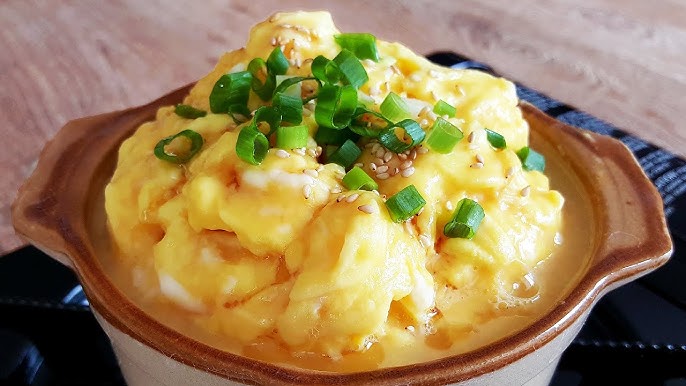
Steamed Egg Recipe: If you’re craving something light, fluffy, and packed with nutrients, steamed eggs might just be the dish you’re looking for. Unlike scrambled eggs or omelets, this recipe gives you a silky, custard-like texture that melts in your mouth. It’s simple to make, requires very few ingredients, and can be enjoyed at any time of the day. Whether you’re looking for a quick breakfast, a healthy side dish, or a comforting snack, steamed eggs fit the bill perfectly.
In this guide, we’ll cover everything you need to know: from the ingredients and preparation to step-by-step cooking instructions, common mistakes to avoid, and even different variations from around the world. By the end, you’ll be able to master the art of making perfectly smooth and flavorful steamed eggs.
What Are Steamed Eggs?
Steamed eggs, also known as egg custard in some cultures, are a dish made by gently steaming beaten eggs mixed with water or broth until they set into a smooth, creamy texture. Unlike fried or boiled eggs, steaming creates a delicate dish that resembles a soft pudding or custard. It’s a staple in many Asian cuisines, especially Chinese, Korean, and Japanese cooking, though variations exist worldwide.
What makes steamed eggs special is the technique. Instead of applying high heat directly to the eggs, the gentle steam cooks them slowly and evenly. This prevents curdling and gives the dish its signature silky consistency. The best part? You can customize it with different flavors, toppings, and seasonings depending on your taste.
Why Steamed Eggs Are Popular
Steamed eggs are beloved for several reasons. First, they’re incredibly easy to prepare—anyone, even a beginner in the kitchen, can whip them up. Second, they’re versatile. You can enjoy them plain or add toppings like scallions, mushrooms, shrimp, or even cheese for extra flavor. Third, they’re highly nutritious, making them suitable for kids, adults, and even those recovering from illness who need a gentle, easily digestible meal.
In many Asian households, steamed eggs are a comfort food. In Chinese cuisine, they’re often paired with soy sauce and sesame oil, while Koreans enjoy them as gyeran jjim—fluffy and served bubbling hot in a stone pot. In Japan, chawanmushi takes it a step further, incorporating dashi broth, mushrooms, and seafood for a delicate savory custard. No matter the style, steamed eggs bring comfort and nutrition in every bite.
Health Benefits of Steamed Eggs
High in Protein and Nutrients
Eggs are known as a nutritional powerhouse, and steaming them ensures you get all the benefits without adding extra oil or fat. A single large egg contains around 6 grams of protein, which helps in muscle repair, hormone production, and overall body strength. In addition, eggs are packed with vitamins such as B12 (essential for energy production), vitamin D (important for bone health), and vitamin A (good for eyesight and immunity).
Steamed eggs are also rich in minerals like iron, phosphorus, and selenium. Because steaming doesn’t involve high-temperature frying, these nutrients are preserved more effectively. This makes the dish not only delicious but also an excellent choice for those looking to maintain a balanced diet.
A Low-Calorie, Balanced Meal Option
If you’re counting calories, steamed eggs are your friend. A basic serving of steamed eggs (made with two eggs and water) contains roughly 140–160 calories, depending on the toppings. Unlike fried eggs that require oil or butter, steaming uses no added fats, making it naturally low in calories and cholesterol-friendly.
For people managing weight, steamed eggs make a satisfying meal that keeps you full for longer without being heavy. The protein helps curb hunger cravings, while the soft, easy-to-digest texture makes it suitable for kids, elderly people, and even patients on recovery diets. You can also boost the nutrition profile by adding vegetables like spinach, peas, or mushrooms directly into the mix.
Ingredients You’ll Need
Basic Ingredients for Steamed Eggs
To make a simple steamed egg dish, you don’t need much. The beauty of this recipe lies in its simplicity. Here’s what you’ll need:
- Eggs – 2 to 4, depending on serving size
- Water or Broth – For a silky texture, use about 1.5 times the amount of liquid compared to eggs
- Salt – To season
- Soy Sauce (Optional) – Adds umami depth
- Sesame Oil (Optional) – A drizzle for aroma
The key ratio is 1 egg : 1.5 water (or broth). This ensures your custard sets properly without being too firm or too watery.
Optional Add-Ons for Flavor Boost
If you want to take your steamed eggs up a notch, try adding:
- Chopped scallions for freshness
- Mushrooms for earthiness
- Shrimp or crab meat for a seafood twist
- Cheese for a creamy, modern touch
- Vegetables like spinach, corn, or peas for added nutrition
You can mix these directly into the egg mixture or sprinkle them on top after steaming for garnish.
Kitchen Tools and Preparation Tips
Essential Tools for Steaming
Before you start, make sure you have the right tools. While a bamboo steamer is traditional, you can use any method that allows gentle steaming. Here’s what works:
- Heatproof bowl or ramekins to hold the egg mixture
- Steamer pot or wok with a lid to trap steam
- Fine mesh strainer to strain the egg mixture for smoothness
- Measuring cup to get the right egg-to-water ratio
If you don’t have a steamer, don’t worry! You can create a DIY version by placing a heatproof bowl on a trivet inside a large pot with water.
Tips to Achieve Smooth and Silky Texture
The secret to perfect steamed eggs lies in a few small details:
- Strain the egg mixture – This removes bubbles and ensures a silky finish.
- Cover with plastic wrap or a plate – This prevents water droplets from dripping onto the custard.
- Use gentle heat – Too much heat will cause bubbles or holes in the eggs. Low to medium heat works best.
- Don’t overcook – Once the surface is set and slightly jiggly, your steamed eggs are ready.
These simple tricks will help you avoid common mistakes and make your steamed eggs restaurant-quality.
Step-by-Step Guide to Steamed Egg Recipe
Step 1 – Preparing the Ingredients
Crack your eggs into a bowl and beat them gently. Avoid whisking too hard, as this can create bubbles. Next, measure the liquid—either warm water or broth. The typical ratio is 1 egg : 1.5 liquid, so if you’re using 2 eggs, add about 1.5 cups of liquid. Mix well until fully combined.
At this stage, season with a pinch of salt, a dash of soy sauce if you like, and a tiny drop of sesame oil for fragrance. Strain the mixture through a fine sieve into a heatproof bowl to ensure smoothness.
Step 2 – Mixing and Seasoning
Once you’ve strained your egg mixture into a heatproof bowl, it’s time to add in some personality. This is the stage where you can decide whether you want your steamed eggs to be plain and simple or bursting with flavor.
Start with seasoning. A small pinch of salt is usually enough, but you can enhance the taste with a dash of soy sauce for umami depth. If you like a richer aroma, drizzle in a few drops of sesame oil. For a slightly sweet profile, a sprinkle of sugar can balance the flavors nicely.
Now, let’s talk about add-ins. If you’re keeping things traditional, scallions are your best friend. Finely chopped green onions sprinkled into the mixture not only add freshness but also a mild onion flavor that complements the creamy custard. If you want something heartier, toss in sliced mushrooms, shrimp, or shredded chicken. These extras not only boost the nutrition but also make the dish more filling.
Mix everything gently, ensuring that you don’t create too much foam or bubbles on the surface. Remember, the goal is silky and smooth. If bubbles do form, skim them off with a spoon before steaming.
By the end of this step, your mixture should be fragrant, well-balanced, and ready to transform into a delicious, velvety steamed egg custard.
Step 3 – Steaming the Eggs
This is the most crucial step, where patience and gentle heat will reward you with the perfect texture. Place your bowl of egg mixture inside a prepared steamer. If you’re using a pot, set a trivet at the bottom to keep the bowl elevated above the boiling water.
Here’s the trick: don’t let the steam hit the eggs too harshly. If the water is boiling vigorously, it will cause bubbles and cracks on the surface of your custard. Instead, bring the water to a boil first, then lower the heat to medium-low so that it simmers gently.
Cover the egg mixture with a plate, foil, or plastic wrap to prevent water droplets from falling onto the surface. Steam for about 10–15 minutes for 2 eggs. Larger portions may take 18–20 minutes. To check doneness, insert a toothpick or chopstick into the center—if clear liquid comes out, your steamed eggs are ready. If it’s still runny, let it steam for another 2–3 minutes.
Timing is everything here. Overcooking will give you a rubbery custard instead of a soft, silky one. A perfectly cooked steamed egg should wobble slightly when shaken, much like jelly.
Step 4 – Garnishing and Serving
Now that your steamed eggs are cooked to perfection, it’s time to dress them up. This step not only adds flavor but also makes your dish visually appealing.
Some popular garnishes include:
- Chopped scallions – A fresh, vibrant topping that pairs well with the custard.
- Soy sauce drizzle – Adds a savory punch and extra depth.
- Sesame oil – Just a few drops give an irresistible aroma.
- Fried garlic or shallots – A crunchy contrast to the soft custard.
- Fresh herbs – Cilantro or parsley for brightness.
If you’ve gone for a more adventurous version with mushrooms, shrimp, or vegetables, you might not need much garnish. However, a touch of sesame oil and scallions almost always elevate the dish.
To serve, use a spoon to scoop out portions into smaller bowls. The smooth, silky texture paired with a warm, savory flavor makes this dish comforting on its own. But it also shines when paired with steamed rice, stir-fried veggies, or grilled meats.
Whether you enjoy it plain or dressed up with toppings, your steamed eggs are now ready to delight your taste buds.
Common Mistakes to Avoid
Even though steamed eggs are simple to make, a few small errors can completely change the outcome. Let’s go over some common mistakes and how to avoid them:
Overcooking Issues
One of the most common mistakes is overcooking. When eggs are exposed to too much heat for too long, the proteins seize up and expel water, leaving you with a rubbery texture full of holes. To prevent this, always use gentle steam and keep an eye on cooking time. If the custard jiggles when you shake the bowl lightly, it’s done.
Wrong Water-to-Egg Ratio
The liquid ratio plays a huge role in the final texture. Too little water makes the custard firm and dense, while too much water makes it watery and unstable. The ideal ratio is 1 egg : 1.5 water (or broth). Stick to this, and you’ll get a perfectly balanced, soft texture.
Skipping the Straining Step
Some people skip straining the egg mixture, but this can lead to lumps or bubbles in the final dish. Straining ensures the custard is smooth and free of unwanted textures.
Using High Heat
High heat might seem like it’ll cook faster, but it actually ruins the delicate texture. Strong steam creates bubbles, cracks, and uneven cooking. Always go for medium or low heat after the initial boil.
By keeping these tips in mind, you’ll be able to avoid the usual pitfalls and master the art of making silky, custardy steamed eggs every single time.
Variations of Steamed Egg Recipe
Steamed eggs are a versatile dish, and one of the reasons they’re so popular worldwide is because each culture has its own unique twist. Let’s explore some of the most loved variations.
Chinese-Style Steamed Egg
Chinese steamed egg, often called zhēng dàn (蒸蛋), is known for its silky, custard-like texture. The base is simple—eggs, water (or chicken broth), and a pinch of salt. What sets it apart is the garnish. Typically, soy sauce, sesame oil, and scallions are drizzled over the top before serving. Sometimes, dried shrimp, minced pork, or preserved eggs are added for a richer flavor.
The hallmark of this version is smoothness. Chinese cooks pay close attention to straining the mixture and steaming gently to avoid bubbles or cracks. It’s often served as a side dish with rice and stir-fried vegetables, making it a comforting staple in family meals.
Korean-Style Gyeran Jjim
Korean steamed eggs, known as gyeran jjim (계란찜), are fluffier compared to the silky Chinese version. Instead of a flat custard, they puff up into a dome-like shape, often cooked in a traditional earthenware pot called a ttukbaegi.
The base is similar—eggs mixed with water or broth—but Koreans often season with fish sauce, salt, or soy sauce for a savory depth. The dish is typically topped with scallions and sesame oil. Sometimes, chopped vegetables or seafood are added inside.
This variation is especially popular as a side dish in Korean meals (banchan). Its light, fluffy texture makes it the perfect comfort food alongside rice and kimchi.
Japanese Chawanmushi
Japan takes steamed eggs to a gourmet level with chawanmushi (茶碗蒸し). This version is more like a savory custard than just steamed eggs. The base is made with eggs and dashi (a Japanese broth made from seaweed and bonito flakes), giving it a subtle umami flavor.
What makes chawanmushi unique are the add-ins: shiitake mushrooms, shrimp, kamaboko (fish cake), and sometimes ginkgo nuts. These ingredients are layered inside the custard, making every spoonful a delightful surprise.
Traditionally, chawanmushi is served in small lidded cups and eaten as part of a multi-course meal. Its delicate flavor and presentation make it a favorite in Japanese fine dining.
Serving Ideas and Pairings
Steamed eggs are delicious on their own, but they really shine when paired with the right dishes. Depending on how you serve them, they can be a light snack, a hearty side, or even the main course.
What to Serve With Steamed Eggs
- Rice – Steamed eggs and rice are a match made in heaven. The silky custard pairs perfectly with fluffy steamed rice.
- Stir-fried vegetables – Broccoli, bok choy, or spinach provide a crunchy contrast.
- Grilled or stir-fried meats – Chicken, beef, or pork add protein and make it a balanced meal.
- Soup – A light broth or miso soup pairs beautifully with steamed eggs, especially in Asian-inspired meals.
Breakfast, Lunch, and Dinner Options
- Breakfast: Pair with toast or congee for a light and nourishing start to the day.
- Lunch: Serve with rice and kimchi for a quick and satisfying meal.
- Dinner: Combine with stir-fried meats and vegetables for a wholesome dinner spread.
No matter the time of day, steamed eggs can adapt to your needs. They’re light enough for breakfast yet versatile enough to hold their own at dinner.
Storage and Reheating Tips
If you’ve made a big batch or have leftovers, don’t worry—steamed eggs store well.
How to Store Leftovers Properly
- Allow the steamed eggs to cool completely before storing.
- Transfer them into an airtight container.
- Refrigerate for up to 2 days for the best taste and texture.
Since steamed eggs are delicate, it’s best not to keep them for too long. The texture can change, becoming watery or rubbery.
Best Reheating Methods
- Steamer method: Place the eggs back into a steamer and reheat for 3–5 minutes. This keeps the texture soft and silky.
- Microwave method: If you’re short on time, reheat in the microwave on low heat for 30–60 seconds. Cover with a damp paper towel to prevent drying out.
Avoid reheating at high temperatures, as this will ruin the texture. Gentle heat is key to keeping steamed eggs soft and enjoyable.
FAQs about Steamed Egg Recipe
1. Can I Make Steamed Eggs Without a Steamer?
Yes! You can create a DIY steamer by placing a heatproof bowl on a trivet inside a pot with some water. Just cover with a lid and steam as usual.
2. How Do I Prevent Bubbles in Steamed Eggs?
Strain the egg mixture through a sieve before steaming and use gentle heat. Covering the bowl also prevents water droplets from disturbing the surface.
3. What’s the Best Egg-to-Water Ratio?
The ideal ratio is 1 egg : 1.5 water (or broth). This ensures a soft, silky texture without being too watery.
4. Can I Use Milk Instead of Water?
Yes, you can use milk for a creamier, richer custard. However, it will slightly change the flavor compared to water or broth.
5. How Long Does It Take to Steam Eggs?
For 2–3 eggs, it usually takes 10–15 minutes on medium-low heat. Larger portions may take up to 20 minutes.
Conclusion
From Chinese silky custard to Korean fluffy gyeran jjim and Japanese gourmet chawanmushi, steamed eggs prove that a humble ingredient like eggs can be transformed into something extraordinary with just a little technique.
So, the next time you’re in the mood for something healthy, delicious, and comforting, try making steamed eggs. Follow the right ratio, use gentle heat, and don’t forget to garnish—it’s the small details that turn a simple dish into a masterpiece.