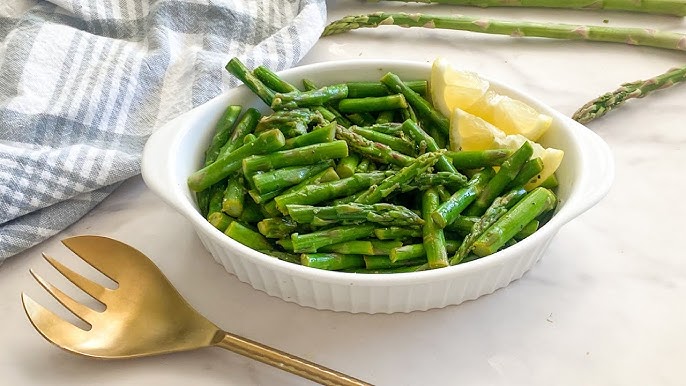
Steamed Asparagus Recipe: When it comes to quick, healthy, and delicious side dishes, steamed asparagus easily takes the crown. It’s light, flavorful, and can be prepared in under 15 minutes, making it a go-to option for busy weeknights or elegant dinners. Unlike fried or heavily seasoned vegetables, steamed asparagus retains its natural flavor and vibrant green color, giving your plate a refreshing touch.
Why Steamed Asparagus is a Perfect Side Dish
Steamed asparagus is versatile—you can serve it alongside chicken, fish, beef, or even add it to grain bowls and salads. Its mild yet earthy flavor complements almost any main course without overpowering it. Plus, it’s naturally gluten-free, vegan, and low in calories, which means it fits into nearly every diet.
Another great thing about asparagus is its texture when steamed correctly. A good balance between tender and crisp makes it enjoyable to eat, unlike mushy vegetables that lose their appeal. If you’ve been looking for a dish that’s nutritious, tasty, and quick to make, this recipe will become a kitchen favorite.
Health Benefits of Asparagus
Asparagus isn’t just tasty; it’s also a nutritional powerhouse. This green vegetable is rich in fiber, vitamin K, vitamin A, and folate. It also provides antioxidants that help fight inflammation and support overall health. For those watching their weight, asparagus is a low-calorie food that keeps you full thanks to its fiber content.
Additionally, asparagus is known for its detoxifying properties. It acts as a natural diuretic, which can help flush out excess salt and fluid from your body. This makes it beneficial for maintaining healthy blood pressure levels. Adding steamed asparagus to your diet a few times a week is an easy way to boost your nutrient intake without much effort.
Ingredients You’ll Need
Cooking a delicious plate of steamed asparagus doesn’t require a long list of ingredients. The beauty of this recipe lies in its simplicity. With just a few fresh ingredients and basic seasonings, you’ll have a side dish that feels gourmet without being complicated.
Fresh Asparagus
The star of the recipe is, of course, asparagus. Look for stalks that are firm, bright green, and with tightly closed tips. Thin asparagus spears steam more quickly and are tender, while thicker ones are meatier and require slightly longer cooking. Both work great—it’s just a matter of personal preference.
Essential Seasonings and Oils
To enhance the natural flavor of asparagus, you’ll need a few pantry staples:
- Salt and black pepper for basic seasoning.
- Olive oil or melted butter for richness and flavor.
- Lemon juice for a refreshing, tangy kick.
Optional Garnishes for Extra Flavor
If you want to elevate your dish, you can add:
- Freshly grated Parmesan cheese
- Garlic powder or minced garlic
- Red pepper flakes for a spicy touch
- Toasted almonds or sesame seeds for crunch
The beauty of steamed asparagus is its ability to pair well with so many seasonings, so you can adjust based on your taste preferences.
Kitchen Tools Required
Before we jump into the cooking process, it’s important to gather the right kitchen tools. While asparagus is simple to prepare, the tools you use can make a big difference in how easy the process feels.
Choosing the Right Steamer Basket
A steamer basket is the best tool for steaming asparagus evenly. It keeps the asparagus elevated above boiling water, allowing steam to cook the spears gently without making them soggy. Steamer baskets come in stainless steel, bamboo, or silicone, and they’re fairly inexpensive and versatile for other vegetables too.
Alternative Tools if You Don’t Own a Steamer
Don’t have a steamer basket? No problem. Here are some alternatives:
- Microwave method: Place asparagus in a microwave-safe dish with a splash of water, cover, and steam.
- Colander method: Place a metal colander over a pot of boiling water and cover with a lid.
- Skillet method: Add a small amount of water to a pan, cover with a lid, and let the asparagus steam.
The goal is to trap steam and cook the asparagus gently, so even without fancy tools, you can still achieve perfect results.
Step-by-Step Guide to Steaming Asparagus
This is where the magic happens—turning raw asparagus into a flavorful, tender side dish. The process is straightforward and doesn’t require much effort.
Step 1 – Wash and Trim the Asparagus
Rinse the asparagus thoroughly under cold water to remove any dirt. Next, trim the woody ends of the spears. A quick trick is to bend the asparagus near the bottom; it naturally snaps at the right point where the tough part ends. This ensures you’re left with the tender, edible portion.
Step 2 – Prepare Your Steamer
Fill a pot with about an inch of water and place your steamer basket inside. Make sure the water doesn’t touch the asparagus when placed in the basket. Bring the water to a gentle boil over medium heat.
Step 3 – Steam the Asparagus to Perfection
Place the trimmed asparagus into the steamer basket, cover with a lid, and let the steam work its magic. Thin asparagus will take about 3–4 minutes, while thicker spears may need 5–6 minutes. The asparagus should turn a bright green color and be tender but still slightly crisp.
Step 4 – Season and Serve
Once done, carefully remove the asparagus from the steamer and transfer it to a serving dish. Drizzle with olive oil or melted butter, sprinkle with salt and pepper, and finish with a squeeze of fresh lemon juice. Serve immediately for the best flavor and texture.
Tips for Perfectly Steamed Asparagus Every Time
Steaming asparagus is simple, but a few small details can make the difference between perfect and disappointing results.
How to Avoid Overcooking
The biggest mistake with asparagus is overcooking. When over-steamed, it becomes mushy and loses both its flavor and nutrients. To avoid this:
- Keep an eye on the clock—3 to 6 minutes is usually enough.
- Use a fork to test tenderness; it should pierce easily but not fall apart.
- Remove the asparagus immediately from the steamer to stop the cooking process.
Flavor Variations to Try
Want to change things up? Try these variations:
- Garlic butter asparagus: Toss steamed spears in melted butter and sautéed garlic.
- Parmesan asparagus: Sprinkle freshly grated Parmesan before serving.
- Lemon zest and herbs: Add fresh parsley, dill, or thyme for a refreshing twist.
- Asian-inspired: Drizzle with sesame oil and soy sauce, then sprinkle with sesame seeds.
Experimenting with flavors keeps this simple dish exciting and suitable for different cuisines.
Serving Suggestions
Steamed asparagus is delicious on its own, but it really shines when paired with other dishes. Thanks to its mild, slightly earthy flavor, it works beautifully alongside proteins, grains, and even other vegetables. If you’ve ever wondered how to serve asparagus beyond the basics, here are some ideas.
Pairing Steamed Asparagus with Proteins
One of the easiest ways to enjoy steamed asparagus is as a side to your favorite proteins. Here are a few combinations that never fail:
- With chicken – A juicy grilled chicken breast served with a side of steamed asparagus creates a light yet satisfying meal. Add a drizzle of lemon butter sauce to tie it all together.
- With fish – Salmon and asparagus are a match made in heaven. The richness of salmon balances perfectly with the crisp, refreshing taste of asparagus.
- With steak – A hearty steak dinner feels complete with a side of steamed asparagus. The vegetable’s slight crunch provides a nice contrast to the meat’s tenderness.
- With eggs – Steamed asparagus makes a great breakfast pairing too. Add it to scrambled eggs, omelets, or serve it alongside poached eggs for a healthy morning boost.
Asparagus as Part of Salads and Bowls
Steamed asparagus can also be chopped and added to salads, grain bowls, or pasta. For example:
- Toss steamed asparagus with quinoa, cherry tomatoes, and feta for a protein-packed lunch.
- Add it to pasta with olive oil, garlic, and Parmesan for a simple yet delicious dish.
- Use it in Buddha bowls alongside brown rice, chickpeas, and roasted sweet potatoes.
In short, steamed asparagus is flexible enough to fit into almost any meal, whether you want something quick and light or hearty and filling.
Common Mistakes to Avoid
Steaming asparagus is simple, but even small mistakes can affect the final result. If your asparagus has ever turned out soggy, stringy, or bland, you’re not alone. Let’s go over the common pitfalls and how to avoid them.
Not Trimming Properly
Asparagus stalks have woody ends that are tough and unpleasant to eat. If you skip trimming or don’t cut enough off, you’ll end up with chewy bites. The best trick is to hold the spear near the base and bend it slightly—it will naturally snap where the tough part ends. Doing this ensures only the tender, flavorful part makes it to your plate.
Overcrowding the Steamer
Another common issue is placing too many spears in the steamer at once. Overcrowding prevents even cooking and traps excess moisture, leaving you with soggy asparagus. The solution? Steam in batches if necessary. A single layer of asparagus works best, allowing steam to circulate around each spear.
Overcooking the Spears
Timing is everything with asparagus. Cook it too long, and you’ll lose that bright green color and crisp-tender texture. Always keep an eye on the clock, and remember that thinner spears cook faster than thicker ones. A quick test with a fork can save your asparagus from becoming mushy.
Skipping Seasoning
While asparagus has a naturally pleasant flavor, skipping seasoning can make it taste bland. Even just a sprinkle of salt, pepper, and a squeeze of lemon juice can transform it. Don’t underestimate the power of simple seasoning—it makes all the difference.
Storage and Reheating Tips
Sometimes, you’ll end up with leftover asparagus, and the good news is that it stores and reheats well if handled correctly. Here’s how to keep it fresh and tasty.
How to Store Cooked Asparagus
Allow the asparagus to cool completely before storing. Place it in an airtight container and refrigerate. Properly stored, steamed asparagus will stay fresh for 3 to 4 days. To prevent sogginess, avoid adding sauces or heavy seasoning before storing—do that right before serving instead.
If you want to store raw asparagus before cooking, wrap the ends in a damp paper towel and place the bunch upright in a jar with a little water. Then cover loosely with a plastic bag and refrigerate. This keeps it crisp for up to a week.
Best Ways to Reheat Without Losing Flavor
Reheating asparagus can be tricky because it tends to overcook quickly. To keep it fresh and flavorful:
- Microwave method: Heat in short 20-second bursts until just warm.
- Skillet method: Warm on low heat with a drizzle of olive oil or butter for extra flavor.
- Oven method: Place on a baking sheet at 350°F (175°C) for 5–7 minutes.
Avoid reheating for too long, as it can turn the asparagus mushy. If you’re adding it to salads or cold dishes, you don’t need to reheat it at all—just enjoy it chilled.
Nutritional Value of Steamed Asparagus
One of the biggest reasons people love asparagus is that it’s not only tasty but also incredibly nutritious. Steaming it preserves most of its vitamins and minerals, making it a super healthy side dish.
Calories and Macronutrients
A one-cup serving of steamed asparagus contains roughly:
- Calories: 27
- Protein: 3 grams
- Carbohydrates: 5 grams
- Fiber: 3 grams
- Fat: 0 grams
This makes asparagus a low-calorie, nutrient-dense food that’s perfect for weight management and balanced diets.
Vitamins and Minerals
Asparagus is loaded with essential vitamins and minerals, including:
- Vitamin K – Supports bone health and proper blood clotting.
- Vitamin A – Important for vision and immune function.
- Vitamin C – Boosts immunity and acts as a powerful antioxidant.
- Folate – Crucial for cell growth, making it especially beneficial for pregnant women.
- Potassium – Helps regulate blood pressure.
Thanks to these nutrients, asparagus is considered a superfood that benefits heart health, digestion, and overall well-being.
Variations of Steamed Asparagus Recipes
While classic steamed asparagus with lemon and olive oil is delicious, you can easily dress it up with different flavors. Here are some variations to keep things exciting.
Garlic Butter Steamed Asparagus
Melt butter in a pan and add minced garlic. Once fragrant, toss the steamed asparagus in this garlic butter mixture. The result is a rich, savory version that pairs well with meats and pasta.
Lemon Zest Steamed Asparagus
For a refreshing twist, sprinkle fresh lemon zest and a dash of sea salt over the asparagus after steaming. This variation works beautifully with grilled fish and chicken.
Parmesan-Crusted Steamed Asparagus
After steaming, sprinkle the spears with grated Parmesan cheese. Place them under the broiler for a minute until the cheese melts and forms a golden crust. This creates a slightly indulgent side dish perfect for special dinners.
Asian-Inspired Sesame Asparagus
Drizzle the steamed asparagus with sesame oil and soy sauce, then top with toasted sesame seeds. This variation is great alongside stir-fries or rice bowls.
These variations prove that steamed asparagus doesn’t have to be boring—it can adapt to different cuisines and flavors with ease.
FAQs about Steamed Asparagus Recipe
1. Can I freeze steamed asparagus?
Yes, but it’s best to blanch asparagus before freezing instead of steaming. This helps preserve its texture and color. If you’ve already steamed it, freeze it in a single layer, then store in freezer bags for up to three months.
2. What flavors go best with asparagus?
Asparagus pairs well with lemon, garlic, butter, Parmesan, balsamic vinegar, and herbs like thyme, dill, or parsley. For bold flavors, try soy sauce, sesame oil, or chili flakes.
3. How do I know if asparagus has gone bad?
Fresh asparagus should be firm and bright green. If it feels slimy, has a foul odor, or the tips are mushy, it’s time to throw it out.
4. Can I steam asparagus in advance for meal prep?
Yes, you can steam asparagus ahead of time and store it in the fridge for up to 4 days. To keep it fresh, store without heavy seasoning and reheat gently when ready to serve.
5. What’s the difference between white, green, and purple asparagus?
Green asparagus is the most common and has an earthy flavor. White asparagus grows without sunlight, giving it a milder taste. Purple asparagus is slightly sweeter and contains more antioxidants. All can be steamed, but cooking times may vary slightly.
Conclusion
Steamed asparagus is one of those dishes that proves healthy eating doesn’t have to be complicated. With just a handful of ingredients and a few minutes of cooking time, you can create a side dish that’s vibrant, flavorful, and packed with nutrients. Whether you enjoy it simply seasoned with salt and lemon or dressed up with Parmesan and garlic butter, asparagus has a way of elevating any meal.
From its health benefits to its versatility in the kitchen, asparagus is a vegetable worth keeping in your weekly rotation. Next time you’re planning dinner, don’t overlook this humble green spear—it might just become your new favorite side.