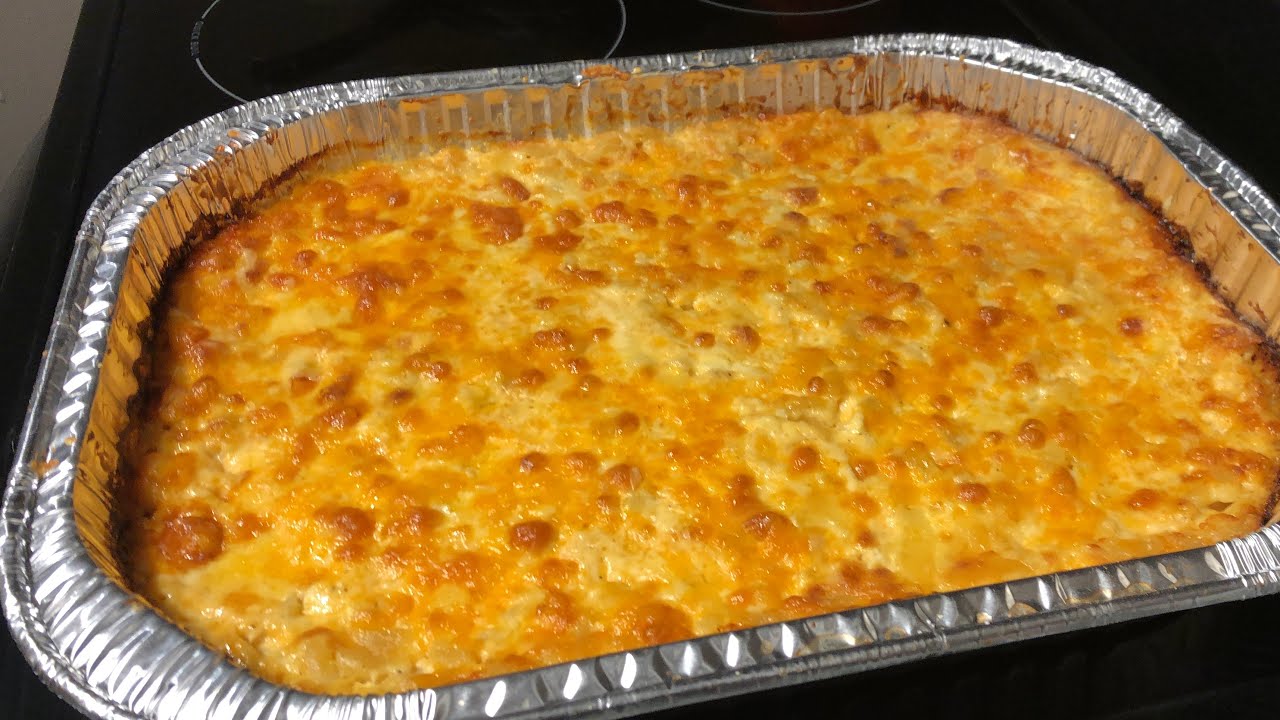
Southern Baked Macaroni and Cheese Recipe: When you think of comfort food in the South, baked macaroni and cheese is often at the top of the list. It’s more than just a side dish—it’s a symbol of tradition, family gatherings, Sunday dinners, and holiday feasts. Every bite carries generations of love and culinary pride. This golden, cheesy dish has earned its place as a centerpiece, not just a side, at any Southern table. What makes it special is the way it brings people together—warm, hearty, and irresistibly satisfying.
Unlike quick stovetop mac and cheese, Southern baked mac and cheese is layered, rich, and oven-baked until the top is beautifully golden and crispy. It’s not about cutting corners; it’s about doing it right. This version is slow-cooked and full of heart, often passed down from grandma’s handwritten recipe card. So when you make this, you’re not just cooking—you’re honoring tradition.
What Makes Southern Mac and Cheese Unique?
Southern-style mac and cheese stands out because of its use of real, shredded cheese (usually more than one kind), eggs, and evaporated milk. This creates a custard-like interior that’s creamy yet firm enough to hold its shape. The result? A dish that’s rich, cheesy, and structured—not runny or overly gooey like its Northern counterparts.
The layering technique is also a game-changer. Instead of mixing everything in one pot, the Southern way involves layering pasta and cheese in a baking dish, then pouring a milk and egg mixture over it before baking. This method ensures each bite is packed with flavor and texture—from the crunchy edges to the creamy center. Plus, it’s not uncommon to sprinkle in a dash of hot sauce, mustard powder, or paprika for that signature Southern kick.
Ingredients You’ll Need
Essential Cheeses for the Perfect Bake
The magic of Southern baked mac and cheese lies in the cheese. Using a blend gives you that stretchy, creamy texture and deep, complex flavor. Here’s the dream team of cheeses you should consider:
- Sharp Cheddar – This is non-negotiable. Its bold flavor sets the foundation.
- Mild Cheddar – Balances out the sharpness with a smoother taste.
- Monterey Jack or Colby Jack – Adds a creamy melt and slight sweetness.
- Mozzarella – Great for that stretch, but use sparingly.
- Parmesan – For a salty kick and crusty topping.
- Cream Cheese or Velveeta (optional) – Adds extra creaminess, though some purists skip this.
Always shred your own cheese instead of using pre-shredded. Why? Pre-shredded cheese has anti-caking agents that can affect melting and texture. Freshly shredded cheese melts smoother and tastes way better.
Types of Pasta: Why Elbow Macaroni Works Best
Elbow macaroni is the classic choice, and for good reason. Its tubular shape holds the cheese sauce perfectly, and its size makes for a balanced bite. But if you’re feeling adventurous, other pasta options work too:
- Cavatappi – Spiraled tubes for extra surface area.
- Penne or Rigatoni – For a firmer, meatier bite.
- Shells – Their pockets scoop up cheese like pros.
Just remember: cook your pasta al dente. Overcooked pasta turns mushy during baking, while undercooked pasta can end up hard. Al dente is the sweet spot—it finishes cooking perfectly in the oven.
Pantry and Dairy Staples
Besides cheese and pasta, here’s what you’ll need from the pantry and fridge:
- Evaporated Milk (12 oz can) – Key for the creamy custard base.
- Whole Milk (1 cup) – Adds richness.
- Eggs (2 large) – Helps set the casserole.
- Butter (1/4 cup) – For richness and that silky finish.
- Salt and Pepper – Season generously!
- Garlic Powder, Onion Powder, Paprika – For depth of flavor.
- Dijon Mustard (optional) – Enhances cheesiness.
Evaporated milk is the unsung hero here. It gives that thick, creamy texture without being too heavy or greasy like cream sometimes is.
Optional Ingredients for a Flavor Boost
Want to put your own spin on it? These optional add-ins can elevate your dish:
- Hot Sauce or Cayenne – For a subtle heat.
- Sour Cream – Adds tang and extra creaminess.
- Crumbled Bacon – Because, well, bacon.
- Green Onions or Jalapeños – Adds freshness and spice.
- Breadcrumbs or Crushed Ritz Crackers – For that golden, crunchy topping.
These extras aren’t required, but if you’re aiming to impress—or simply craving something bolder—they’ll do the trick.
Kitchen Tools Required
Must-Have Utensils for Smooth Prep
To make your Southern baked mac and cheese experience seamless, here’s a checklist of kitchen tools you’ll need:
- Large Pot – For boiling pasta.
- Colander – To drain the pasta.
- Large Mixing Bowl – For combining cheese, milk, and eggs.
- Whisk – To blend the egg and milk mixture smoothly.
- Wooden Spoon or Silicone Spatula – For stirring and mixing.
- Box Grater – For shredding cheese.
Using the right tools helps ensure even cooking and a smooth workflow. No clumps, no lumps—just creamy goodness.
Bakeware That Delivers the Best Crust
A sturdy baking dish can make or break your mac and cheese. Here are your top choices:
- 9×13-inch Glass or Ceramic Baking Dish – Classic size, distributes heat evenly.
- Cast Iron Skillet – Ideal for a crispy, golden crust.
- Metal Baking Pan – Works in a pinch, but can brown edges quickly.
Pro tip: lightly butter or spray the dish before layering. This keeps the mac from sticking and enhances browning on the edges.
Prepping the Ingredients
Cooking the Pasta Al Dente
Bring a large pot of salted water to a boil—don’t skip the salt! It’s your first layer of flavor. Once boiling, toss in your elbow macaroni and stir occasionally. Set a timer to avoid overcooking. You want it just firm to the bite.
Once done, drain the pasta immediately and toss it with a little butter or oil to keep it from sticking while you prep the rest. You can even cool it slightly to stop the cooking process.
This step is crucial. Overcooked pasta can turn your dish into a cheesy mush. Undercooked, and it’s chewy in all the wrong ways.
Shredding and Mixing the Cheese
The soul of any Southern baked mac and cheese is its cheese blend, and this part of the process is where the magic starts. First rule? Always buy blocks of cheese and shred them yourself. Pre-shredded cheese is convenient but coated with anti-caking agents that stop it from melting smoothly. You want a gooey, creamy melt—not a grainy mess.
Take your sharp cheddar, mild cheddar, Monterey Jack, and mozzarella and shred each cheese using a box grater or food processor. Separate the cheeses into two groups: one for mixing into the pasta and one for the final topping. If you’re adding Parmesan, save it exclusively for the top to create that irresistible golden crust.
Once shredded, mix the cheeses in a large bowl to distribute them evenly. If you want to add a bit of cream cheese or Velveeta for extra creaminess, chop it into small cubes and mix it in with the shredded cheese. This mixture will create creamy pockets throughout the casserole, giving every bite that Southern richness we crave.
Preparing the Milk and Egg Mixture
The signature Southern touch is the milk and egg custard that binds the dish. This mix doesn’t just add creaminess—it adds structure. That’s how Southern baked mac holds together beautifully when sliced, unlike the looser versions you might get elsewhere.
In a large bowl, whisk together:
- 1 can of evaporated milk
- 1 cup of whole milk
- 2 large eggs
- Salt and pepper to taste
- 1/2 tsp garlic powder
- 1/2 tsp onion powder
- 1/2 tsp paprika for color and smokiness
- Optional: 1 tsp Dijon mustard or a few dashes of hot sauce
Whisk until completely smooth and frothy. This ensures the eggs don’t scramble while baking and instead blend into the milk for that creamy texture.
Don’t skip the seasonings! Cheese adds a lot of salt, but this custard mixture carries flavor throughout the dish. Taste it before pouring over the pasta and adjust accordingly. It should be savory, rich, and slightly tangy.
Step-by-Step Cooking Instructions
Step 1: Boil and Drain the Pasta
We’ve touched on this, but let’s dig deeper. Bring 4–6 quarts of salted water to a rolling boil. Use about 1 tablespoon of salt—it should taste like the sea. Add your elbow macaroni (2 cups dry) and stir occasionally to avoid clumping.
Cook until just al dente—typically 6–7 minutes depending on the brand. Drain immediately and run under cool water to halt the cooking. Set aside in a large mixing bowl and toss with a tablespoon of butter to prevent sticking.
Pro Tip: Don’t overcook. Overcooked pasta leads to mushy mac, and the texture is half the appeal of a Southern baked version.
Step 2: Layering the Cheese and Pasta
Preheat your oven to 350°F (175°C).
In your greased 9×13 baking dish or cast-iron skillet, begin layering. Start with a third of your cooked macaroni, then sprinkle a generous layer of your mixed cheese blend over it. Repeat the layers—macaroni, then cheese—until both are used up. You should end with a thick layer of cheese on top.
This layering technique ensures the cheese melts throughout, creating pockets of cheesy goodness. Unlike mixing everything in one go, this method gives Southern baked mac its classic structured texture with defined layers.
If you’re adding extras like bacon, jalapeños, or green onions, sprinkle them between layers for even distribution.
Step 3: Mixing the Custard (Milk + Eggs + Seasoning)
Now, grab that milk and egg custard mixture you made earlier. Slowly pour it over the layered pasta and cheese in the baking dish. Gently tilt or shake the dish so the liquid settles evenly through the layers.
Don’t stir! The custard will naturally flow through and bake into a creamy, almost souffle-like texture that’s rich but not runny.
If you’re feeling fancy, sprinkle a bit more paprika or black pepper over the top for that picture-perfect golden brown crust after baking.
Step 4: Final Cheese Layer and Oven Prep
Before placing your dish in the oven, top everything with a generous layer of your reserved cheese—especially the sharp cheddar and a touch of Parmesan if you’re using it. This final cheesy topping creates a golden, bubbly, slightly crispy top layer that’s visually and texturally stunning.
Want an even crunchier finish? Mix breadcrumbs or crushed Ritz crackers with melted butter and sprinkle over the top. It gives your mac and cheese that satisfying crunch with every bite.
Place your baking dish on a foil-lined tray to catch any bubbling over and slide it into the preheated oven.
Step 5: Baking to Golden Perfection
Bake uncovered at 350°F (175°C) for 35–45 minutes, or until the top is bubbling and golden brown. You’ll know it’s ready when the edges start to crisp up and the center is set—no jiggle.
If you like a darker crust, broil the top for an additional 2–3 minutes, but watch closely to avoid burning.
Once out of the oven, let the dish rest for 10–15 minutes. This gives the custard time to set, making it easier to slice and serve. Trust us, it’s worth the wait.
Pro Tips for the Best Southern Baked Mac and Cheese
Choosing the Right Cheese Blend
When it comes to achieving that soul-satisfying Southern baked mac and cheese flavor, your choice of cheese is everything. One of the biggest secrets to legendary mac and cheese is mixing sharp and mild cheeses for complexity and meltability.
Start with sharp cheddar as your base. It has that bold, tangy bite that’s non-negotiable. Then, mellow it out with mild cheddar or Monterey Jack, which melt like a dream. Adding mozzarella offers gooey texture, but go easy—it’s mild and can dilute flavor. Want a nutty edge? Toss in some Gruyère or Fontina. Need that salty tang? A handful of grated Parmesan works wonders.
Avoid processed cheeses unless you’re going for ultra-creamy. While Velveeta can make it silky, it lacks the depth of flavor found in natural cheeses. If you use it, mix it with real cheese to balance out the taste.
And here’s the real tip: always taste your cheese blend before baking. If it tastes amazing cold, it’ll be even better hot.
Getting the Texture Just Right
Texture is a big deal in Southern mac and cheese. It shouldn’t be runny like a sauce, and it shouldn’t be dry either. You’re aiming for creamy, yet sliceable—something that holds together when you serve it but still melts in your mouth.
Here’s how to nail it:
- Use eggs and evaporated milk: This custard sets the dish while keeping it rich.
- Don’t overcook your pasta: It will soak up the custard during baking.
- Layer instead of mixing: This creates structured, cheesy pockets instead of a mushy blend.
- Let it rest after baking: 10-15 minutes allows the cheese to firm up slightly and hold its shape.
Lastly, resist the temptation to add too much liquid. The goal is creamy, not soupy. Follow the ingredient measurements closely for best results.
Variations on the Classic Recipe
Spicy Southern Mac and Cheese
Craving heat? Southern food often comes with a little kick, and this variation turns up the flavor without overpowering the dish.
Here’s how to spice it up:
- Add cayenne pepper or crushed red pepper flakes to your seasoning mix.
- Stir in diced jalapeños or green chiles for a fresh, zesty burn.
- Use pepper jack cheese as part of your cheese blend.
- Finish with hot sauce—Louisiana-style, if you want to keep it truly Southern.
The key is balance. You want heat that enhances the cheese—not masks it. Start small and taste as you go.
Meat-Lover’s Edition
Want to turn this into a full meal? Add meat! This variation transforms mac and cheese into a hearty main course.
Top protein choices:
- Crumbled bacon – Smoky, crispy, and always a crowd-pleaser.
- Cooked ground beef or sausage – Adds savory depth.
- Pulled pork or brisket – The ultimate Southern upgrade.
Cook your meats separately, drain any excess fat, and layer them into the dish between pasta and cheese. Not only do they add flavor, but they make the dish more filling and satisfying.
Veggie Packed Version
For a lighter (but still indulgent) twist, go veggie. It’s a great way to sneak in some greens without compromising flavor.
Top additions:
- Spinach or kale – Sautéed and drained well before layering.
- Roasted broccoli or cauliflower – Adds texture and earthiness.
- Diced tomatoes or caramelized onions – For a sweet, juicy burst of flavor.
Use these in moderation so the dish doesn’t become watery. Roast or sauté veggies first to concentrate their flavors and remove excess moisture.
Common Mistakes to Avoid
Overcooking or Undercooking the Pasta
Getting the pasta texture right is step one to perfect mac and cheese. Cook it too long, and it’ll fall apart in the oven. Too short, and it’ll be chewy and unpleasant.
Here’s the rule: always cook your pasta al dente—about 1–2 minutes less than the package instructions. It’ll finish cooking in the oven, absorbing the milk and cheese custard. If you overcook it from the start, it’ll turn soggy and ruin the texture of your bake.
Also, never skip rinsing the pasta under cold water after draining. It stops the cooking process and removes excess starch that can make your mac gluey.
Not Seasoning Enough
One of the biggest mistakes home cooks make is under-seasoning mac and cheese. Remember: cheese is salty, but the pasta and milk mixture need their own flavor too.
What to use:
- Salt and pepper – Obviously.
- Garlic and onion powder – Adds savory depth.
- Paprika – For color and a hint of smoke.
- Mustard powder or Dijon mustard – Enhances cheese flavor.
- Cayenne (if you like it hot) – For a subtle kick.
Always taste your milk and egg mixture before pouring it in. It should be flavorful on its own. If it tastes bland now, it’ll taste bland later.
Nutritional Information
Calories, Protein, and Fats
Southern baked mac and cheese is indulgent, so don’t expect it to be low-cal. But hey, comfort food isn’t about calorie-counting—it’s about satisfaction.
Here’s an approximate breakdown per serving (based on 8 servings):
- Calories: 450–550
- Protein: 18–24g
- Fat: 25–35g
- Carbs: 35–45g
- Calcium: High, thanks to all that cheese!
Note: These values can vary based on your cheese blend, add-ins, and portion size. Using low-fat milk or cheese can reduce fat content, but it may also affect texture and flavor.
Serving Size Recommendations
Mac and cheese is rich, so moderate portions are best—unless you’re diving in at Thanksgiving, then all bets are off.
- As a side dish: 1/2 to 3/4 cup per person.
- As a main (with meat/veggies): 1 to 1 1/2 cups.
For potlucks or holiday dinners, double the recipe—you’ll want leftovers.
Storage and Reheating Tips
Keeping the Texture Intact
Southern baked mac and cheese stores well, but the key is maintaining that creamy, cheesy texture—even after a few days in the fridge. If you’re planning to store leftovers, follow these tips to keep them fresh and delicious:
- Cool Completely: Let your dish cool to room temperature before storing it. Covering it while it’s still hot traps steam and leads to soggy pasta.
- Use Airtight Containers: Divide the mac into meal-sized portions and store in airtight containers. This prevents it from drying out or absorbing fridge odors.
- Fridge Life: It will stay good for up to 4–5 days in the fridge.
- Freezer Option: Yes, you can freeze baked mac and cheese! Use freezer-safe containers or wrap the entire casserole dish tightly with foil and plastic wrap. It lasts about 2–3 months in the freezer.
When freezing, consider undercooking your pasta just slightly so it doesn’t become mushy when reheated. Also, avoid topping with breadcrumbs if you plan to freeze, as they can become soggy.
Freezer-Friendly Tips
Freezing Southern mac and cheese is a game-changer—especially for meal preppers or holiday hosts. Here’s how to do it right:
- Freeze Before Baking: Assemble the mac and cheese as usual, but don’t bake it. Wrap it tightly in foil and freeze. When ready to use, thaw overnight in the fridge and bake as instructed.
- Freeze After Baking: Let the cooked mac cool completely, then portion and freeze. This is great for quick lunches or weeknight dinners.
Reheating Instructions:
- Oven: Best method. Cover with foil and bake at 350°F for 20–25 minutes.
- Microwave: Add a splash of milk, cover loosely, and reheat in 1-minute intervals, stirring between each.
- Stovetop: Low heat, with a bit of milk or cream stirred in.
Pro Tip: Always add a little milk before reheating—it revives the creaminess like magic.
What to Serve With Southern Mac and Cheese
Soul Food Pairings
Southern baked mac and cheese isn’t just a dish—it’s the heart of the meal. But what you serve alongside it can take your plate from great to unforgettable.
Here are classic soul food pairings:
- Fried Chicken – Crispy, juicy, and always a winner.
- Collard Greens – A flavorful, slightly bitter green that balances the richness.
- Fried Catfish – Crispy on the outside, flaky inside—perfect with creamy mac.
- Candied Yams – Sweet and savory heaven on one plate.
- Cornbread – Sweet, crumbly, and amazing for sopping up cheesy goodness.
These sides and mains are a Southern match made in heaven. They’re hearty, bold, and full of down-home flavor.
Holiday Favorites
Southern baked mac and cheese is a holiday must-have—especially during Thanksgiving, Christmas, and Easter.
Here’s what it often shares the table with:
- Honey-Glazed Ham
- Roast Turkey with Gravy
- Green Bean Casserole
- Sweet Potato Pie
- Cranberry Sauce
Its creamy texture and sharp, savory flavor provide the perfect balance to rich meats, sweet sides, and savory greens. If you’re planning a holiday feast, double or triple the recipe—it always disappears fast.
Why Homemade is Better Than Boxed
Flavor, Texture, and Freshness
Sure, boxed mac and cheese is fast, but once you’ve tasted the homemade Southern version, there’s no going back. Here’s why it wins every time:
- Flavor: Real cheese (not powder), fresh spices, and slow baking create layers of flavor you’ll never get from a box.
- Texture: Creamy, yet sliceable with a crispy top—boxed versions are one-note and mushy in comparison.
- Customizable: Homemade lets you experiment—cheese blends, spices, add-ins like bacon or veggies—it’s all up to you.
- Healthier (sort of): At least you know what’s going in your food—no artificial colors, preservatives, or unpronounceable ingredients.
Making it from scratch isn’t just cooking—it’s an act of love. Whether you’re serving family, impressing guests, or treating yourself, homemade Southern mac and cheese is always worth it.
FAQs about Southern Baked Macaroni and Cheese Recipe
Q1: Can I make this dish ahead of time?
Absolutely! Assemble the mac and cheese up to a day in advance, cover tightly, and refrigerate. Bake just before serving. If baking from cold, add an extra 10–15 minutes to the baking time.
Q2: Can I use gluten-free pasta?
Yes! Just make sure to cook it al dente, as gluten-free pasta can get mushy fast. Also, use gluten-free breadcrumbs if you’re adding a topping.
Q3: What if I don’t have evaporated milk?
You can substitute with half-and-half or a mix of whole milk and heavy cream. However, evaporated milk gives a thicker, creamier texture that’s perfect for this dish.
Q4: How do I keep it from drying out in the oven?
Make sure your milk and egg mixture is evenly distributed and don’t overbake. Covering with foil for the first half of baking can also help lock in moisture.
Q5: What’s the best cheese combo for rich flavor?
Sharp cheddar, Monterey Jack, and a bit of Parmesan is a solid trio. Add cream cheese or Gruyère for a gourmet twist. Always mix strong-flavored and melty cheeses for balance.
Conclusion
Southern baked macaroni and cheese isn’t just a dish—it’s a celebration of flavor, heritage, and comfort. Whether you’re making it for Sunday dinner, the holidays, or just because you need some soul-satisfying goodness, this dish delivers every single time. With the perfect blend of cheeses, creamy custard base, and crispy golden top, it’s no wonder this recipe has been a family favorite for generations.
So gather your ingredients, preheat that oven, and get ready to make a pan of mac and cheese that’s truly unforgettable. Homemade always wins—and once you taste it, you’ll never go back to the box again.