Sous Vide Steak Recipe: Cooking steak can be intimidating. One minute it’s undercooked, the next it’s dry and overdone. Enter sous vide—a foolproof cooking method that guarantees restaurant-quality results every single time. Instead of relying on guesswork, sous vide allows you to cook steak at a precise temperature in a water bath, meaning your steak comes out perfectly tender and juicy every time.
What is Sous Vide?
Sous vide (pronounced “soo-veed”) is a French term meaning “under vacuum.” It involves sealing food in an airtight bag and immersing it in water that’s kept at a precise temperature using a sous vide immersion circulator. The food cooks slowly and evenly, retaining all its moisture and flavor. Unlike grilling or pan-frying, which can lead to uneven doneness, sous vide ensures that your steak is cooked edge-to-edge at your chosen level of doneness.
Why Choose Sous Vide for Steak?
Steak is expensive, and nobody wants to ruin a prime cut by overcooking it. With sous vide, there’s no risk of that happening. The method lets you control the exact doneness—whether you want rare, medium-rare, or medium-well. Plus, the texture you get is unlike any other cooking method: melt-in-your-mouth tenderness with a juicy, flavorful bite. Add a quick sear afterward, and you’ve got a steak that rivals any high-end steakhouse.
Ingredients You’ll Need for the Perfect Sous Vide Steak
Before you start, let’s talk about what you’ll need in the kitchen. The great thing about sous vide steak is that the ingredients list is short and simple, but you can always elevate it with a few extras.
Essential Ingredients
- Steak – Ribeye, New York strip, filet mignon, or sirloin. Choose a high-quality cut with good marbling.
- Salt & Black Pepper – The foundation of great steak flavor.
- Garlic Cloves – Crushed, to infuse a subtle aroma.
- Fresh Herbs – Thyme, rosemary, or sage add earthy notes.
- Butter – For basting during the final sear.
Optional Add-Ons for Extra Flavor
- Shallots – Adds a gentle sweetness.
- Crushed Red Pepper Flakes – For a touch of spice.
- Soy Sauce or Worcestershire Sauce – Enhances umami.
- Olive Oil – Helps with even searing.
Tools and Equipment Required
To nail sous vide cooking, you’ll need a few tools:
- Sous Vide Immersion Circulator – The device that controls water temperature.
- Large Pot or Water Container – To hold the water bath.
- Vacuum Sealer or Heavy-Duty Ziplock Bags – For sealing the steak.
- Cast-Iron Skillet or Stainless Steel Pan – For the final sear.
- Tongs – To handle your steak without piercing it.
- Instant-Read Thermometer (optional) – To double-check temperature accuracy.
Preparing Your Steak for Sous Vide
A successful sous vide steak starts with proper preparation. The better you prep, the better the final results will be.
Choosing the Right Cut of Steak
Not all steaks are created equal. Ribeye is prized for its marbling and bold flavor, filet mignon is buttery soft, New York strip offers a balance of tenderness and flavor, and sirloin is a leaner option that still works beautifully with sous vide. If you want an indulgent, melt-in-your-mouth experience, ribeye or filet mignon is the way to go.
Seasoning and Prepping the Steak
Seasoning is simple: salt, pepper, and fresh herbs. Some people like to keep it minimal and let the beef shine, while others add garlic, butter, or spices for a flavor boost. The key is to season your steak generously before sealing it, so the flavors penetrate during the cooking process.
Vacuum Sealing vs. Ziplock Bag Method
The vacuum sealing method gives you the tightest seal and prevents water from entering the bag. However, if you don’t have a vacuum sealer, the water displacement method using a heavy-duty ziplock bag works just as well. Simply lower the bag into water slowly until the air is pushed out, then seal it shut.
Step-by-Step Guide to Cooking Sous Vide Steak
Now comes the fun part—actually cooking the steak.
Step 1 – Setting Up Your Sous Vide Machine
Fill your container with water, attach your sous vide machine, and set it to your desired temperature. For a medium-rare steak, aim for 129°F (54°C). Medium is closer to 135°F (57°C), and rare sits around 125°F (52°C).
Step 2 – Cooking the Steak at the Perfect Temperature
Once the water bath reaches the right temperature, place your sealed steak in the water. Clip the bag to the side of the pot so it doesn’t move around. Cooking times vary depending on thickness, but a good rule of thumb is 1 to 3 hours for most steaks. The longer it cooks, the more tender it becomes—without ever overcooking.
Step 3 – Removing and Resting the Steak
When your steak is done, carefully remove it from the bag. Don’t forget to save the juices—they can be turned into a delicious sauce. Pat the steak dry with paper towels before searing; moisture prevents a good crust from forming.
Searing the Steak for the Perfect Crust
Sous vide gives you the tenderness, but searing gives you the flavor. That golden-brown crust is where the magic happens.
Why Searing is Important
Searing isn’t just about looks—it’s about flavor. The Maillard reaction (a chemical reaction between amino acids and heat) creates that irresistible browned, savory crust. Without it, your steak may taste flat, even if it’s perfectly cooked inside.
Best Oils and Pans for Searing
Use an oil with a high smoke point, such as canola, grapeseed, or avocado oil. A cast-iron skillet is ideal because it retains heat and ensures an even sear. Avoid using butter alone, since it burns quickly, but you can add it in at the last minute for flavor.
Step-by-Step Searing Process
- Heat your skillet until it’s smoking hot.
- Add oil and place the steak in the pan.
- Sear each side for 30–60 seconds until golden brown.
- Add butter, garlic, and herbs, then spoon the melted butter over the steak.
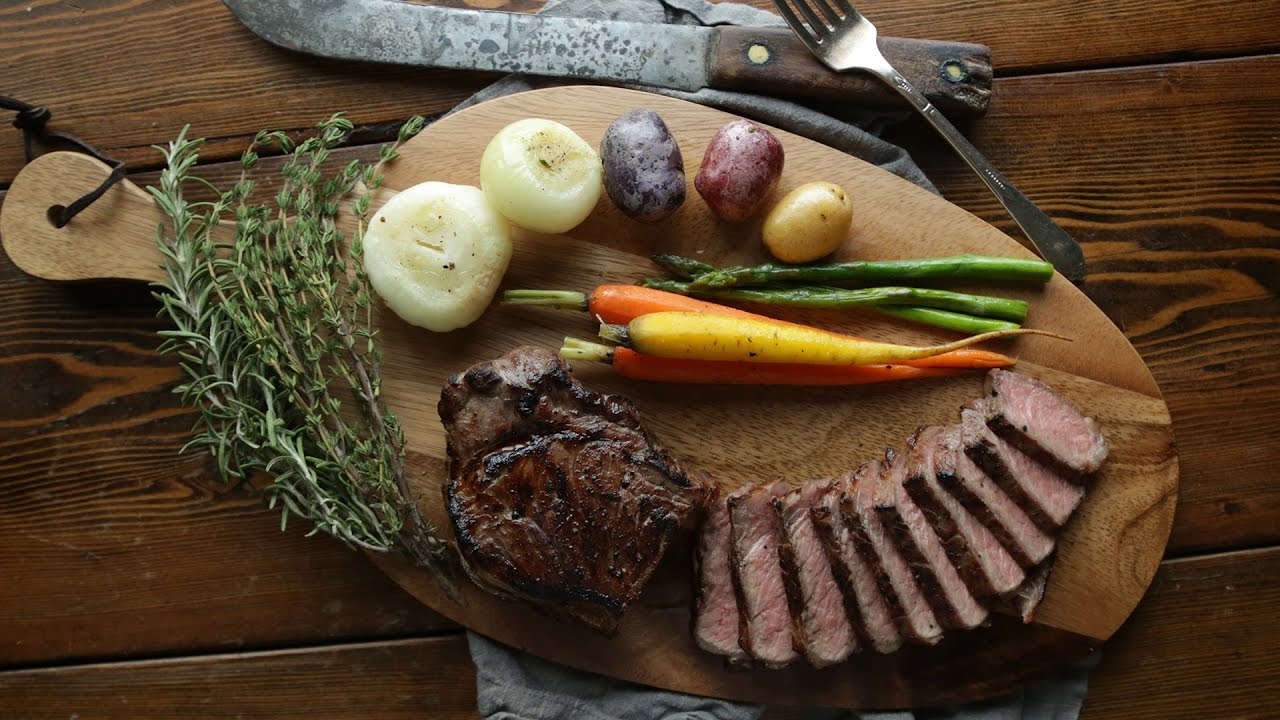
- Remove from the pan, let it rest briefly, and slice against the grain.
Serving Suggestions and Side Pairings
Cooking the perfect sous vide steak is only half the story. What you serve alongside it takes the meal from great to unforgettable. A perfectly seared steak deserves sides, sauces, and pairings that complement its rich flavor and luxurious texture.
Classic Side Dishes for Steak
When it comes to steak, some sides never go out of style. Think of the classics like:
- Garlic Mashed Potatoes – Creamy, buttery, and smooth, they balance the meaty richness of steak.
- Roasted Vegetables – Carrots, asparagus, or Brussels sprouts roasted with olive oil and sea salt bring freshness and crunch.
- Macaroni and Cheese – A decadent side that pairs well with juicy cuts like ribeye.
- Steakhouse-Style Fries – Crispy on the outside, fluffy inside, they make every bite complete.
If you’re aiming for a lighter meal, consider a fresh Caesar salad or a tangy arugula salad with balsamic dressing. These greens add brightness and cut through the steak’s richness.
Sauces and Toppings
While sous vide steak shines on its own, sauces elevate the dining experience. Here are some top choices:
- Classic Peppercorn Sauce – Creamy and peppery, it adds depth without overpowering.
- Chimichurri – A zesty Argentinian sauce made from parsley, garlic, olive oil, and vinegar.
- Red Wine Reduction – Bold and rich, perfect with filet mignon or New York strip.
- Garlic Herb Butter – A simple topping that melts over the steak, adding irresistible flavor.
You can also keep it minimal—just a sprinkle of flaky sea salt right before serving can make flavors pop.
Wine Pairings for Sous Vide Steak
A perfectly cooked steak pairs beautifully with a great wine. Here’s a quick guide:
- Cabernet Sauvignon – Bold, tannic, and ideal for ribeye.
- Malbec – Smooth and slightly fruity, works great with sirloin.
- Pinot Noir – Lighter red wine that complements filet mignon.
- Zinfandel – Spicy and robust, a good match for a New York strip.
If you’re not into wine, try a dark stout beer or even a whiskey-based cocktail for a hearty pairing.
Tips and Tricks for the Best Sous Vide Steak
Even though sous vide is a reliable cooking method, there are small details that can make the difference between a good steak and an extraordinary one.
Common Mistakes to Avoid
- Skipping the Sear – Without searing, the steak looks pale and lacks that flavorful crust.
- Not Patting the Steak Dry – Excess moisture prevents browning.
- Overcrowding the Water Bath – This can cause uneven cooking.
- Using Too High Heat for Searing – You risk burning the outside before finishing.
- Not Seasoning Enough – A steak can taste bland if under-seasoned.
Timing and Temperature Chart
| Doneness Level | Temperature (°F / °C) | Cooking Time | Texture |
|---|---|---|---|
| Rare | 125°F / 52°C | 1–2 hours | Very soft, red center |
| Medium-Rare | 129°F / 54°C | 1–3 hours | Juicy, tender, pink center |
| Medium | 135°F / 57°C | 1–3 hours | Firm yet juicy |
| Medium-Well | 145°F / 63°C | 1–3 hours | Slightly drier, firmer |
| Well-Done | 155°F / 68°C | 1–3 hours | Very firm, less juicy |
This chart makes it easy to hit your preferred doneness every time.
Chef’s Secrets for Restaurant-Quality Results
- Use fresh herbs inside the bag – They infuse flavor throughout the cooking process.
- Finish with compound butter – A mix of butter, garlic, and herbs makes for a luxurious topping.
- Rest after searing – Even though sous vide minimizes juice loss, a brief rest helps redistribute moisture.
- Torch finish – Some chefs use a culinary torch for that extra crisp crust without overcooking.
- Double-sear method – A light sear before sous vide, then a final sear after, can intensify flavor.
Storing and Reheating Sous Vide Steak
One of the biggest advantages of sous vide is how well it works for meal prep. You can cook multiple steaks in advance, store them properly, and reheat without losing quality.
Refrigeration and Freezing
- Refrigeration: Store cooked steak in an airtight container or vacuum-sealed bag in the fridge for up to 4 days.
- Freezing: For longer storage, freeze vacuum-sealed steaks. They can last up to 3 months without losing much quality.
Reheating Without Overcooking
The beauty of sous vide is reheating without overcooking:
- Set your sous vide machine to the same temperature you originally cooked the steak.
- Place the steak (still sealed) in the water bath for 30–45 minutes.
- Finish with a quick sear to refresh the crust.
Meal Prep Ideas with Leftover Steak
Leftover steak doesn’t need to be boring. Try these:
- Steak Sandwiches with caramelized onions and cheese.
- Beef Tacos with salsa and avocado.
- Steak Salad with mixed greens, blue cheese, and vinaigrette.
- Stir-Fry with vegetables and soy sauce.
Sous vide makes it easy to plan ahead without sacrificing quality.
FAQs about Sous Vide Steak Recipe
1. How long does it take to sous vide steak?
It usually takes 1 to 3 hours depending on thickness. Thicker cuts may take longer, but the steak won’t overcook.
2. Do I need an expensive sous vide machine?
Not at all. Affordable immersion circulators work just as well as high-end ones, as long as they maintain consistent temperature.
3. Can I cook frozen steak sous vide?
Yes! Simply add an extra 30–45 minutes to the cooking time, and you’ll still get great results.
4. What is the best temperature for medium-rare steak?
The sweet spot is 129°F (54°C) for juicy, tender medium-rare steak.
5. Is sous vide safe to cook meat?
Absolutely. As long as the steak is cooked at a safe temperature and handled properly, sous vide is one of the safest cooking methods.
Conclusion
Sous vide takes the guesswork out of cooking steak, giving you unmatched precision and flavor. From selecting the right cut and seasoning it just right, to cooking at the perfect temperature and finishing with a golden sear, this method ensures your steak turns out restaurant-worthy every time. Pair it with the right sides, sauces, and wine, and you’ll have a meal that impresses anyone—from dinner guests to your own family.
If you’ve ever struggled to nail the perfect steak, sous vide is the game-changer you’ve been waiting for. Once you try it, you’ll wonder how you ever cooked steak any other way.