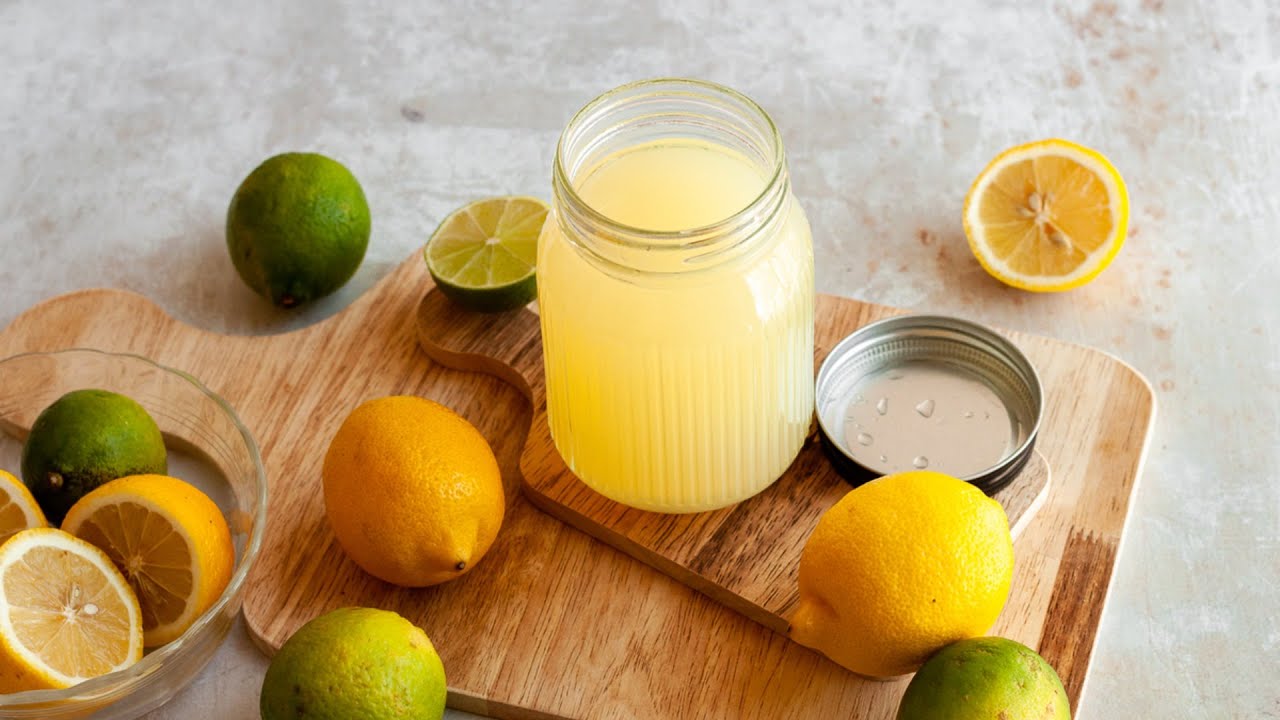
Sour Mix Recipe: If you’ve ever ordered a whiskey sour, margarita, or amaretto sour at a bar, then you’ve already had sour mix—sometimes also called sweet and sour mix. It’s a staple ingredient in countless cocktails, giving drinks their signature balance of tangy citrus and smooth sweetness. But here’s the secret: most bars use pre-made sour mix from a bottle, and while it’s convenient, it’s rarely as good as fresh, homemade sour mix.
Homemade sour mix is brighter, fresher, and far more customizable. You can control the sweetness, adjust the tartness, and even infuse it with herbs or fruit for a unique twist. Plus, it’s incredibly easy to make—all you need are a few simple ingredients and basic kitchen tools.
In this guide, we’ll walk through everything you need to know about making your own sour mix at home, from the exact ingredients and tools required to a detailed step-by-step method. Whether you’re a cocktail enthusiast, a home bartender, or simply someone who loves refreshing drinks, mastering sour mix will instantly elevate your drink game.
What is Sour Mix?
Sour mix is essentially a blend of citrus juice (usually lemon and lime) combined with simple syrup (sugar dissolved in water). The result is a tangy-sweet liquid that bartenders use as a shortcut for cocktails that traditionally require lemon juice, lime juice, and sugar separately. By combining these elements ahead of time, sour mix saves time while keeping the perfect flavor balance.
Think of it as a bartender’s “secret weapon”—a base ingredient that can instantly transform plain spirits into refreshing cocktails. It’s what makes a whiskey sour smooth instead of sharp, or a margarita perfectly balanced instead of overly tart.
There are many variations of sour mix, but the classic version includes equal parts lemon juice, lime juice, simple syrup, and water. Some people prefer theirs more tart, others more sweet, and that’s the beauty of making it yourself—you get to decide exactly how it tastes.
Why Homemade Sour Mix is Better Than Store-Bought
If you’ve ever picked up a bottle of store-bought sour mix, you may have noticed a long list of ingredients you can’t pronounce. Artificial flavors, preservatives, food coloring, and stabilizers are common in commercial versions. While convenient, they often taste overly sweet, flat, or even slightly chemical.
Homemade sour mix, on the other hand, is made with nothing but fresh citrus juice, sugar, and water. That means:
- Better Flavor – Bright, zesty, and refreshing instead of artificial.
- Customizable Sweetness – You decide how sweet or tart it should be.
- Healthier Choice – No unnecessary preservatives or additives.
- Cheaper and Fresher – A batch costs only a few dollars and lasts up to 2 weeks in the fridge.
Once you taste the difference, it’s hard to go back to the bottled stuff. The freshness alone makes cocktails come alive in a way that premade mixes simply can’t replicate.
Ingredients You’ll Need
The beauty of sour mix is in its simplicity. You don’t need a shopping cart full of exotic ingredients—just a few staples you probably already have in your kitchen. Here’s the breakdown:
Fresh Lemons and Limes
The heart of sour mix is citrus juice. Freshly squeezed lemons and limes give your mix that bright, tangy flavor. Bottled juices are convenient but often lack the punch of freshly squeezed. For the best results, choose ripe, juicy lemons and limes.
Sugar (White or Cane)
Sugar balances out the tartness of the citrus. White granulated sugar is the most common choice, but cane sugar or superfine sugar can also work. Some people even prefer honey or agave for a natural twist.
Water
Water is essential for diluting the mix, keeping it balanced and not overly sharp. Without it, your sour mix might taste too intense.
Optional Ingredients for Flavor Variations
Want to get creative? Try adding:
- Herbs like mint, basil, or rosemary for a refreshing touch.
- Berries like raspberries or strawberries for fruity variations.
- Spices like ginger or cinnamon for a unique kick.
With just these simple ingredients, you can create a sour mix that’s miles ahead of anything you’d buy in a store.
Tools and Equipment Required
You don’t need fancy bartending equipment to make sour mix, but having the right tools makes the process quicker and easier. Here’s what you’ll need:
Juicer or Citrus Press
A hand juicer or citrus press is ideal for extracting the maximum amount of juice from your lemons and limes without too much pulp or seeds. If you don’t have one, a fork and your hands will do the job—but it’ll take a bit more effort.
Saucepan and Stove
You’ll need a small saucepan to make the simple syrup by dissolving sugar in water. This step ensures your mix is smooth and free of gritty sugar crystals.
Measuring Cups and Spoons
Accuracy is key for balance. Measuring cups and spoons will help you stick to the right ratio of sugar, water, and juice.
Storage Bottles or Mason Jars
Once your sour mix is ready, you’ll need airtight containers to store it. Mason jars work perfectly, but any clean glass bottle with a tight seal will do. Storing in glass helps preserve freshness and flavor longer than plastic.
Step-by-Step Guide to Making Sour Mix
Making sour mix at home isn’t complicated at all—in fact, it’s one of the simplest recipes you’ll ever try. But the trick lies in balancing the sweetness and tartness so your cocktails turn out perfectly every time. Let’s break it down into easy-to-follow steps:
Step 1 – Preparing the Citrus Juice
Start by juicing your lemons and limes. Roll them on the countertop with a little pressure before cutting them open—this helps release more juice. A citrus press or juicer works best because it extracts maximum juice without too much pulp or bitterness from the rind.
For a standard batch, you’ll need about 1 cup of lemon juice and 1 cup of lime juice. This combination creates a bright, zesty balance that’s neither too sour nor too bitter. Strain the juice through a fine-mesh sieve to remove seeds and excess pulp—smooth juice makes your sour mix more consistent in cocktails.
Freshness is key here. Bottled lemon or lime juice might seem like a shortcut, but it won’t give you the same vibrant flavor. Think of it like cooking: fresh herbs always beat dried ones when it comes to taste.
Step 2 – Making the Simple Syrup
Simple syrup is what transforms sour mix from sharp citrus juice into a cocktail-ready base. To make it, combine 1 cup of sugar with 1 cup of water in a saucepan. Heat the mixture over medium heat, stirring until the sugar completely dissolves.
You don’t need to boil the water—just warm it enough for the sugar to melt. Once dissolved, remove it from the heat and let it cool. This process ensures you don’t end up with gritty sugar crystals floating in your drinks.
For variations, you can use brown sugar for a richer, caramel-like sweetness or substitute honey or agave syrup if you want a more natural option. Each sweetener adds its own character, so feel free to experiment until you find the one that best matches your taste.
Step 3 – Mixing Juice with Syrup
Now comes the fun part: blending your fresh citrus juice with the cooled syrup. The standard ratio is:
- 1 part lemon juice
- 1 part lime juice
- 1 part simple syrup
- 1 part water
This formula creates a perfectly balanced sour mix. But here’s the best part—you can adjust it. If you like a tarter mix for margaritas, add more lemon and lime juice. If you want it sweeter for something like an amaretto sour, increase the syrup slightly.
Whisk everything together in a large bowl or pitcher until it’s fully combined. Taste it before bottling—this is your chance to fine-tune the balance.
Step 4 – Cooling and Storing
Once mixed, let your sour mix cool completely before bottling. Pour it into clean, airtight glass jars or bottles and store it in the refrigerator. Properly stored, homemade sour mix will stay fresh for about 1 to 2 weeks.
For longer storage, you can freeze it in ice cube trays and then transfer the cubes into a freezer bag. This way, you’ll always have single-serve portions ready for cocktails without worrying about spoilage.
Pro tip: Label your jar with the date you made it so you know how fresh it is. Unlike store-bought versions, homemade sour mix doesn’t contain preservatives, so freshness matters.
Step 5 – Serving and Using Sour Mix
Now that you’ve made your sour mix, it’s time to put it to work. To use it, simply pour the desired amount into your cocktail shaker or glass along with your spirit of choice and ice. Shake or stir, then strain into a glass.
Sour mix is incredibly versatile—it’s not just for cocktails. You can use it to:
- Add flavor to sparkling water for a refreshing non-alcoholic drink.
- Drizzle over fruit salad for a zesty-sweet touch.
- Mix into mocktails for a vibrant citrus kick.
The possibilities are endless, and once you taste how fresh and bright your homemade sour mix is, you’ll never go back to the artificial bottled stuff.
Variations of Sour Mix
One of the best things about making sour mix at home is that you can easily customize it to match your personal preferences or specific cocktails. Here are a few popular variations:
Classic Sour Mix
The traditional recipe calls for equal parts lemon juice, lime juice, simple syrup, and water. This version works well for almost every cocktail, from whiskey sours to margaritas. If you’re just starting out, stick with this base before branching out.
Honey or Agave Sweetened Sour Mix
For a more natural take, replace white sugar with honey or agave syrup. Honey gives the mix a rich, slightly floral sweetness, while agave is smoother and blends especially well with tequila-based cocktails like margaritas. This variation is perfect if you’re trying to avoid refined sugar but still want that balanced sweetness.
Flavored Sour Mix with Herbs or Berries
Want to impress guests or give your drinks a unique twist? Try infusing your simple syrup before mixing:
- Mint or Basil Syrup – Adds a refreshing herbal kick.
- Strawberry or Raspberry Syrup – Brings fruity sweetness that pairs beautifully with vodka or gin.
- Ginger Syrup – Adds a warm, spicy note for cocktails like a whiskey sour.
Simply add the extra ingredient to your sugar-water mixture while heating, let it steep as the syrup cools, then strain before using.
Low-Calorie or Sugar-Free Sour Mix
If you’re watching your sugar intake, you can make sour mix using a sugar substitute like stevia or monk fruit sweetener. Just be careful with the ratios, as some sugar substitutes are much sweeter than regular sugar. This lighter version keeps the tangy kick without the extra calories.
Best Cocktails to Make with Sour Mix
Now that you’ve got your sour mix ready, let’s talk about the fun part: cocktails! Sour mix is one of the most versatile mixers out there, and it works beautifully with almost every spirit. Here are some of the best drinks you can make:
Whiskey Sour
Probably the most iconic sour mix cocktail, the whiskey sour combines bourbon, sour mix, and sometimes a touch of egg white for a silky finish. The sour mix cuts through the boldness of the whiskey, making it smooth and refreshing.
Margarita
Tequila, triple sec, and sour mix come together to create one of the most beloved cocktails ever. The lime in the sour mix pairs perfectly with tequila, giving you that classic tart and tangy flavor. Add salt on the rim, and you’ve got a bar-worthy margarita at home.
Long Island Iced Tea
This powerhouse cocktail uses vodka, rum, gin, tequila, triple sec, sour mix, and a splash of cola. The sour mix balances out the heavy blend of spirits, making it surprisingly smooth despite its strength.
Amaretto Sour
Amaretto, an almond-flavored liqueur, pairs beautifully with sour mix to create a sweet, nutty, and tangy cocktail. The result is dessert-like but still refreshing—a perfect after-dinner drink.
Vodka Collins
This tall, fizzy cocktail uses vodka, sour mix, and soda water. It’s light, refreshing, and perfect for hot summer days. The sour mix makes it tangy, while the soda water keeps it bubbly and easy to drink.
Sour Mix Recipe – Step by Step Guide
Tips for Perfecting Your Sour Mix
Homemade sour mix is simple, but the little details make all the difference between a decent mix and a truly outstanding one. Here are some practical tips to help you perfect your recipe:
Balancing Sweetness and Tartness
The key to great sour mix lies in achieving the right balance between sweet and sour. Too much lemon and lime juice will make it harsh and overly tart, while too much sugar will make it cloyingly sweet. A good starting ratio is equal parts citrus juice, simple syrup, and water, but don’t be afraid to adjust based on your preference. Taste testing is essential—dip a spoon into your mix before bottling and tweak as needed. Remember, different cocktails demand slightly different balances: a margarita may lean more tart, while an amaretto sour benefits from extra sweetness.
Storage Tips for Longer Shelf Life
Since homemade sour mix doesn’t have artificial preservatives, it won’t last as long as store-bought. On average, it stays fresh for about 7–10 days in the fridge. To extend its life:
- Always store it in airtight glass bottles—glass preserves flavor better than plastic.
- Keep it refrigerated at all times.
- Freeze in ice cube trays for easy, single-serving portions.
If you notice a cloudy appearance, off smell, or fermentation bubbles, it’s time to discard and make a new batch.
How to Adjust Sour Mix for Different Cocktails
Not all cocktails need the same type of sour mix. For example:
- Margaritas benefit from more lime than lemon, so use a 2:1 ratio of lime to lemon juice.
- Whiskey sours work best with more lemon than lime, giving a mellow tartness that complements bourbon.
- Amaretto sours taste better with slightly more syrup to balance the nutty liqueur.
The beauty of making sour mix at home is flexibility—you can adjust it to complement whichever spirit you’re working with.
Common Mistakes to Avoid
Even though sour mix is easy, there are some common pitfalls that can ruin the final product. Watch out for these mistakes:
Using Bottled Juice Instead of Fresh
It might be tempting to grab bottled lemon or lime juice, but this shortcut compromises flavor. Bottled juices are pasteurized and often contain preservatives, which dull the brightness of fresh citrus. Freshly squeezed juice has a lively zing that’s irreplaceable in cocktails.
Adding Too Much Sugar
A common mistake is thinking that more sugar will balance the tartness. In reality, too much sugar makes the mix heavy and syrupy, masking the refreshing citrus notes. Stick to the recommended ratio and adjust only slightly after taste testing.
Not Allowing Proper Cooling Before Storage
If you mix your citrus juice with hot syrup and immediately bottle it, condensation will form inside the container. This added moisture can water down the mix and even encourage bacterial growth. Always let your syrup and final mixture cool to room temperature before bottling.
Health Benefits of Homemade Sour Mix
While cocktails may not usually be associated with health, making your own sour mix comes with a few surprising benefits:
No Artificial Preservatives
Commercial sour mixes are often loaded with stabilizers, preservatives, and artificial flavorings. By making your own, you skip the chemicals and keep things natural, which is better for your body and your taste buds.
Rich in Vitamin C
Fresh lemon and lime juice are excellent sources of vitamin C, an essential nutrient that supports your immune system, helps skin health, and acts as a natural antioxidant. While cocktails may not be your main source of vitamins, every little bit counts!
Better Control Over Sugar Content
Store-bought sour mixes are often overly sweet, containing far more sugar than necessary. By making your own, you decide exactly how much sugar goes in. Want a lighter version? Use less sugar or substitute honey, agave, or a sugar alternative.
FAQs about Sour Mix Recipe
1. How long does homemade sour mix last?
Homemade sour mix lasts about 1–2 weeks in the fridge. For longer storage, freeze it in ice cube trays and thaw as needed.
2. Can I freeze sour mix for later use?
Yes! Freezing sour mix in cubes is an excellent way to extend its shelf life. Just pop out a cube whenever you need a single serving.
3. Is sour mix the same as simple syrup?
No. Simple syrup is just sugar dissolved in water, while sour mix includes citrus juice and water in addition to syrup.
4. Can I use lemon juice only for sour mix?
Yes, but you’ll lose some of the complexity that lime adds. Lemon-only sour mix works, but the flavor will be sharper and less balanced.
5. What’s the best ratio of lemon to lime juice in sour mix?
A 1:1 ratio works well for most cocktails, but you can adjust depending on the drink. Margaritas often use more lime, while whiskey sours lean toward lemon.
Conclusion
Homemade sour mix is one of the easiest and most rewarding upgrades you can make for your cocktail game. With just lemons, limes, sugar, and water, you can whip up a fresh, flavorful base that’s miles ahead of anything you’ll find in a bottle at the store. It’s customizable, versatile, and healthier, giving you control over taste and ingredients.
Whether you’re mixing up a classic whiskey sour, a refreshing margarita, or experimenting with fruity or herbal infusions, sour mix is the foundation that ties it all together. Once you’ve tried the homemade version, you’ll wonder why you ever settled for the artificial kind.
So next time you’re planning a gathering, skip the pre-made mixes and surprise your guests with cocktails made from scratch. Trust me—they’ll taste the difference.