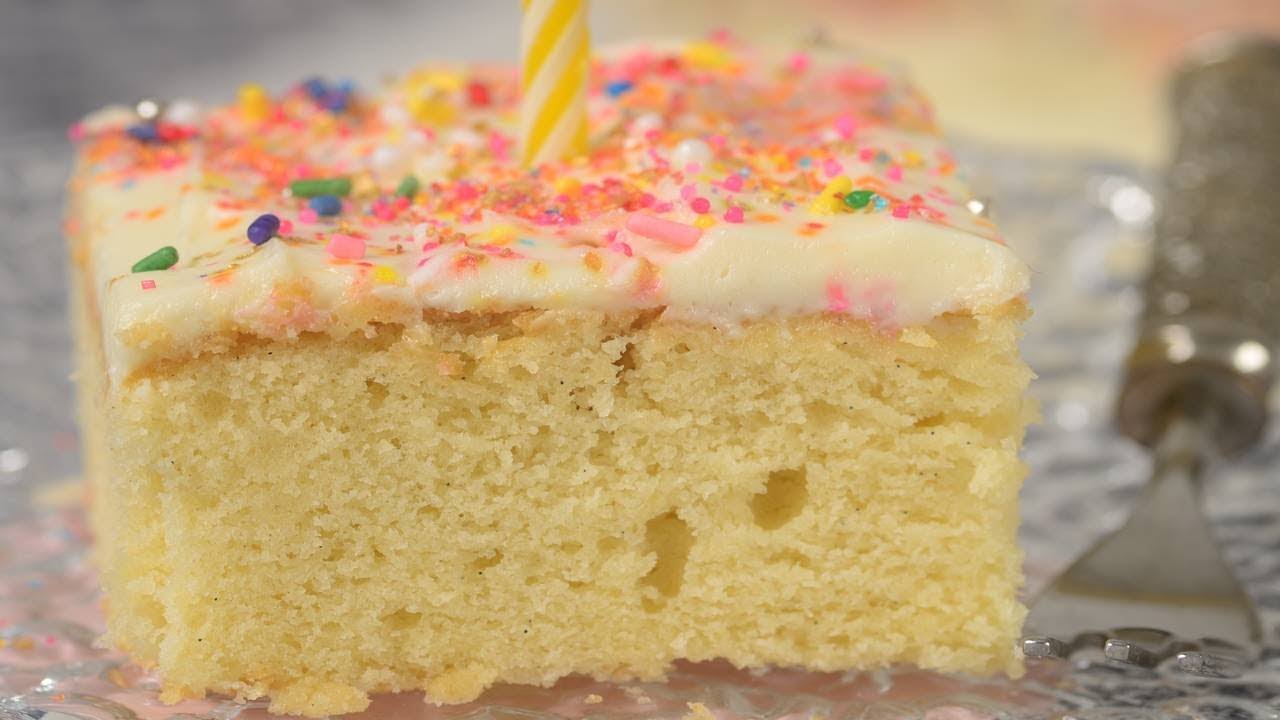
Sheet Cake Recipe: When it comes to cakes that are both delicious and convenient, sheet cakes take the crown. Unlike traditional layered cakes, sheet cakes are baked in a large rectangular or square pan, making them ideal for serving a crowd without the fuss of stacking, leveling, or intricate decorating. They’re easy to bake, simple to frost, and can be dressed up or down depending on the occasion.
Why are sheet cakes so popular? For one, they’re quick and budget-friendly, requiring fewer steps than tiered cakes while still delivering on flavor. They’re also incredibly versatile—perfect for birthdays, school functions, potlucks, weddings, and even casual family dinners. If you want something that looks good, tastes amazing, and feeds a lot of people without stress, a sheet cake is your best bet.
The best part? Sheet cakes can be customized with flavors, frostings, and toppings to suit your preferences. Whether you’re a chocolate lover, a fan of classic vanilla, or someone who enjoys fruity combinations, there’s a sheet cake recipe out there for you.
In this step-by-step guide, we’ll go through everything from ingredients and tools to baking, frosting, and decorating.
Ingredients You’ll Need
The beauty of a sheet cake lies in its simplicity. Most recipes call for basic pantry staples, making it a go-to dessert when you don’t want to run to the store for specialty ingredients. Here’s what you’ll typically need:
Dry Ingredients
- All-Purpose Flour – The foundation of the cake, giving it structure.
- Granulated Sugar – Adds sweetness and helps keep the cake moist.
- Baking Powder (or Baking Soda, depending on recipe) – The leavening agent that makes the cake rise.
- Salt – Enhances flavor and balances sweetness.
Wet Ingredients
- Butter or Oil – Butter provides a rich, buttery flavor, while oil gives extra moisture.
- Eggs – Bind the ingredients and contribute to texture.
- Milk or Buttermilk – Adds creaminess and helps achieve a tender crumb.
- Vanilla Extract – Infuses the cake with a warm, sweet aroma.
Optional Add-Ons
- Cocoa Powder – For a rich chocolate sheet cake.
- Chocolate Chips – Melt into gooey pockets throughout the cake.
- Nuts – Walnuts, pecans, or almonds add crunch.
- Fruits – Berries, bananas, or apples can enhance flavor.
The combination of these ingredients creates a fluffy, moist, and flavorful cake base. By swapping or adding a few extras, you can easily transform a simple vanilla sheet cake into something unique.
Essential Equipment for Baking Sheet Cake
You don’t need a professional bakery setup to make a delicious sheet cake at home. A few basic kitchen tools are enough to get the job done.
Baking Pans
The standard pan for sheet cakes is a 9×13-inch rectangular pan, but larger pans can be used for bigger gatherings. For thinner sheet cakes, use a half-sheet or full-sheet pan. Make sure your pan is sturdy and has straight sides for even baking.
Mixing Bowls and Utensils
You’ll need a large mixing bowl for combining wet and dry ingredients, a whisk, a spatula, and an electric hand mixer (or stand mixer) if you want to make the mixing process easier.
Oven and Thermometer
A reliable oven is key to baking success. Because ovens can sometimes run hotter or cooler than their settings, using an oven thermometer ensures accuracy and prevents underbaking or overbaking.
With these essentials in place, you’re ready to start baking your sheet cake like a pro.
Preparing Your Baking Pan
A well-prepared pan ensures that your cake bakes evenly and comes out without sticking. Here’s how to do it:
Greasing and Lining the Pan
Grease the bottom and sides of your pan with butter or cooking spray. For extra insurance, line it with parchment paper—this makes removing the cake hassle-free.
Choosing the Right Pan Size
Using the wrong pan size can affect baking time and cake texture. Stick to the size recommended in the recipe. If you use a smaller pan, your cake will be thicker and require more baking time. A larger pan produces thinner cakes that bake faster.
Tips for Even Baking
- Spread the batter evenly with a spatula.
- Tap the pan gently on the counter to remove air bubbles.
- Place the pan in the center of the oven for consistent heat.
With your pan properly prepared, you’re now ready for the most exciting part—mixing and baking your sheet cake!
Step-by-Step Guide to Making Sheet Cake
This is where the magic happens. Follow these steps carefully for the best results:
Step 1 – Mixing the Dry Ingredients
In a large bowl, whisk together the flour, baking powder, and salt. This step ensures the leavening agent is evenly distributed, preventing uneven rising.
Step 2 – Beating the Wet Ingredients
In another bowl, beat the butter and sugar until light and fluffy. Add eggs one at a time, followed by vanilla extract. This process incorporates air, making the cake soft and airy.
Step 3 – Combining Wet and Dry Mixtures
Gradually add the dry ingredients to the wet mixture, alternating with milk or buttermilk. This prevents overmixing and keeps the batter smooth.
Step 4 – Pouring Batter into the Pan
Once mixed, pour the batter into your prepared pan. Spread it evenly with a spatula to avoid lopsided baking.
Step 5 – Baking to Perfection
Bake at 350°F (175°C) for 30–40 minutes, depending on pan size. Check doneness by inserting a toothpick—if it comes out clean, your cake is ready.
Cooling and Frosting Your Sheet Cake
Once your sheet cake comes out of the oven, the next critical step is allowing it to cool. Many bakers make the mistake of rushing this process, only to end up with melted frosting that slides off the cake. Patience here makes all the difference.
How to Cool the Cake Properly
When you remove the pan from the oven, place it on a wire cooling rack. This helps air circulate underneath, preventing the cake from becoming soggy. Let it cool in the pan for at least 15–20 minutes before attempting to remove it. If you want to frost the cake in the pan (which is common for sheet cakes), let it cool completely—this usually takes about an hour.
If you want to serve your cake outside the pan, run a knife around the edges, place a board or tray on top, and gently flip it out. Be careful not to handle it while it’s still hot, as the cake may break.
Best Frosting Choices for Sheet Cake
The beauty of sheet cakes is their adaptability. Almost any frosting works beautifully, but here are the most popular options:
- Buttercream Frosting – A classic choice, easy to spread and flavor with vanilla, chocolate, or fruit extracts.
- Cream Cheese Frosting – Adds a tangy richness, pairing perfectly with carrot or red velvet sheet cakes.
- Whipped Cream Frosting – Light and airy, ideal for fruit-topped cakes.
- Ganache – A glossy, chocolate-rich option for serious dessert lovers.
Each frosting style brings its own character, so think about the occasion and flavor profile you’re going for.
Spreading Frosting Evenly
Frosting a sheet cake can seem tricky, but here’s the secret: start with a generous dollop in the center, then use an offset spatula to spread it outward in smooth strokes. Keep the frosting layer even, and don’t stress over perfection—sheet cakes are loved for their rustic charm. If desired, add sprinkles, crushed nuts, or fruit slices for extra flair.
Decorating Ideas for Sheet Cakes
Sheet cakes can be as simple or as festive as you want them to be. Decoration isn’t just about looks—it also enhances the overall flavor and vibe of your cake.
Simple Home-Style Decoration
If you’re baking for family or a casual get-together, a smooth frosting layer topped with sprinkles or powdered sugar works beautifully. You can also drizzle caramel or chocolate syrup in a crisscross pattern for an easy yet impressive look.
Themed Party Decorations
For birthdays or themed parties, consider using colored frosting to match the event. Piping borders, writing messages, or adding edible toppers like candies or small fondant figures instantly makes the cake party-ready. For kids, bright rainbow sprinkles or funfetti are always a hit.
Professional Finishing Touches
If you want to take your cake to the next level, try decorating with fresh flowers, fruit slices, or chocolate shavings. Using piping bags, you can create elegant swirls, rosettes, or even intricate designs. Another pro trick is using stencils and dusting powdered sugar or cocoa powder to create clean patterns on the frosting.
Remember, the best decorations are the ones that suit your event and make people smile when they see the cake.
Storage and Serving Tips
Even the best sheet cake needs proper storage to maintain its taste and freshness. Thankfully, sheet cakes are quite forgiving and can be stored easily.
Storing at Room Temperature
If your sheet cake is frosted with buttercream or ganache, it can be stored at room temperature for up to 2 days. Simply cover the cake with plastic wrap or store it in an airtight container to prevent it from drying out.
Refrigeration and Freezing Tips
For cream cheese or whipped cream frosting, refrigeration is essential. Cover the cake tightly and refrigerate for up to 5 days. To freeze, wrap individual slices in plastic wrap and then foil—this keeps them fresh for up to 2 months. When ready to serve, thaw in the fridge overnight.
Serving Sizes and Cutting Techniques
Sheet cakes are famous for being easy to cut. A 9×13-inch cake typically serves 12 to 20 people, depending on portion size. For neat slices, dip your knife in hot water, wipe it clean, and then cut. This prevents frosting from sticking and ensures clean edges.
Common Mistakes and How to Avoid Them
Even experienced bakers can run into issues with sheet cakes. Here are some of the most common mistakes and how you can avoid them:
Overmixing the Batter
Overmixing develops too much gluten, resulting in a dense, tough cake. The trick? Mix just until the ingredients are combined.
Uneven Baking
If your cake bakes unevenly, it may be due to oven hotspots or an improperly spread batter. Always spread the batter evenly before baking and rotate the pan halfway through if necessary.
Dry or Crumbly Cake
A dry cake usually means it was overbaked. Always check for doneness a few minutes before the recipe’s suggested baking time. Adding a tablespoon of sour cream or yogurt to your batter also helps maintain moisture.
By keeping these simple tips in mind, you’ll avoid frustration and always end up with a soft, moist, and perfectly baked sheet cake.
Variations of Sheet Cake Recipes
One of the best things about sheet cakes is their adaptability. With a few tweaks in ingredients, you can create entirely different flavor experiences without changing the baking method. Here are some irresistible variations:
Classic Vanilla Sheet Cake
The vanilla sheet cake is the ultimate crowd-pleaser. It’s light, fluffy, and pairs beautifully with almost any frosting—whether you go for simple vanilla buttercream, tangy cream cheese frosting, or even chocolate ganache. To elevate the flavor, use real vanilla extract or even vanilla bean paste for that rich, aromatic taste. This version is perfect for birthdays, casual family dinners, or even wedding receptions where simplicity shines.
Chocolate Lover’s Sheet Cake
For chocolate fans, this is pure heaven. A chocolate sheet cake is typically made by adding cocoa powder (or melted chocolate) to the batter, resulting in a rich, moist dessert. Pair it with a fudgy chocolate frosting for a double dose of indulgence. Want to take it up a notch? Add a layer of chocolate chips inside the batter or drizzle with warm ganache before serving. This variation is a hit for holidays, office parties, and any occasion where you want to impress without much effort.
Funfetti Birthday Sheet Cake
Nothing says celebration quite like funfetti! This colorful sheet cake involves mixing rainbow sprinkles directly into the batter, creating a festive look inside the cake itself. It’s usually paired with a classic vanilla buttercream frosting and topped with extra sprinkles for good measure. Kids love it, but let’s be honest—adults do too. This variation is the ultimate choice for birthdays, baby showers, and festive gatherings.
The possibilities don’t stop there—you can create lemon sheet cakes with zest and glaze, red velvet sheet cakes with cream cheese frosting, or even coconut sheet cakes topped with shredded coconut. The sheet cake is a blank canvas for your imagination.
Nutritional Information
While sheet cakes are undeniably delicious, they are still a dessert—and it’s good to know what you’re consuming. Here’s a general idea of what you might expect from a standard slice of sheet cake (based on a 9×13-inch cake, cut into 15 pieces):
- Calories: 250–400 (depending on frosting and add-ins)
- Carbohydrates: 35–50g
- Fat: 10–18g
- Protein: 3–6g
- Sugar: 25–40g
Healthier Ingredient Swaps
If you want to enjoy your sheet cake guilt-free, consider these swaps:
- Replace white flour with whole wheat pastry flour for more fiber.
- Use Greek yogurt or applesauce instead of butter for moisture with fewer calories.
- Swap white sugar for coconut sugar or honey for a more natural sweetness.
- Use dark chocolate instead of milk chocolate for antioxidants and lower sugar content.
Portion Control Tips
It’s easy to overindulge when a big sheet cake is sitting on the table. Cutting smaller slices or using a designated serving size helps keep portions in check. Pairing your slice with fresh fruit can also balance the indulgence.
FAQs about Sheet Cake Recipe
1. Can I Make Sheet Cake Ahead of Time?
Yes! You can bake your sheet cake a day or two ahead. Simply wrap it tightly in plastic wrap and store it at room temperature. If frosted with cream cheese or whipped cream, keep it in the refrigerator.
2. Can I Use Gluten-Free Flour?
Absolutely. Substitute all-purpose flour with a good-quality gluten-free flour blend. Just be sure to follow the blend’s recommended ratio, as some require additional binding agents like xanthan gum.
3. How Do I Keep My Cake Moist?
The secret to a moist cake lies in not overbaking. Using buttermilk, sour cream, or yogurt in your batter also helps retain moisture. Once baked, always store the cake covered to prevent it from drying out.
4. Can I Double the Recipe for a Larger Crowd?
Yes, sheet cakes are very forgiving. Simply double the recipe and bake it in a larger pan, like a half-sheet pan. Be mindful of adjusting the baking time, as larger cakes often need a little extra time in the oven.
5. What’s the Best Way to Transport a Sheet Cake?
Transporting is easy if you leave the cake in the baking pan. Cover it with foil or a lid, and place it on a flat surface in your car. For decorated cakes, you can use a cake carrier designed specifically for sheet cakes.
Conclusion
Sheet cakes are truly the unsung heroes of the dessert world. They’re simple, versatile, and perfect for any occasion—from casual family gatherings to festive celebrations. With just a handful of basic ingredients, a little creativity in frosting and decoration, and the right baking techniques, you can whip up a cake that delights everyone at the table.
Whether you stick to the classic vanilla version, indulge in a rich chocolate treat, or add a playful twist with funfetti, the sheet cake never disappoints. Plus, its practicality—easy to bake, cut, serve, and store—makes it the ideal dessert for both beginner bakers and seasoned pros.
So the next time you’re planning a party or craving a homemade sweet treat, skip the complicated tiered cakes and go for a sheet cake. It’s proof that sometimes, simple really is best.