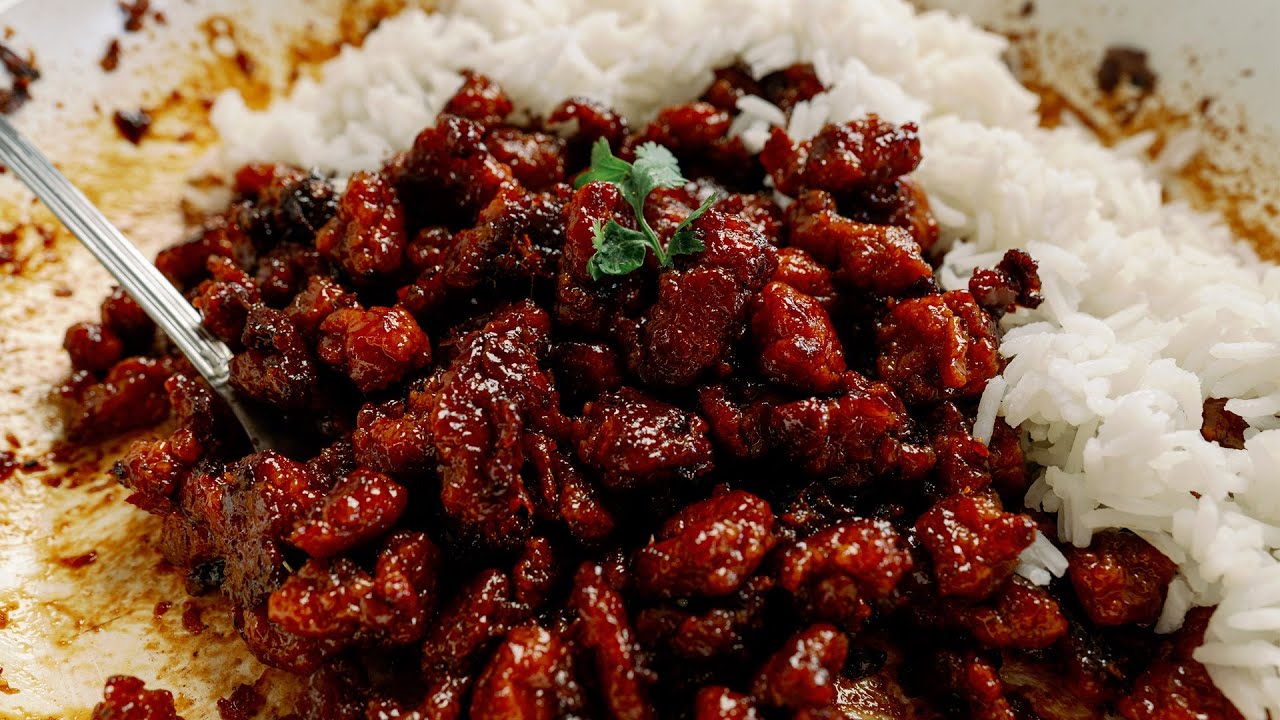
Seitan Recipe: Seitan, often called “wheat meat,” is one of the most beloved staples in the vegan and vegetarian world. Unlike tofu or tempeh, which are soy-based, seitan is made from wheat gluten—the main protein found in wheat. What makes it stand out is its meat-like texture and incredible ability to absorb flavors. Imagine a plant-based protein that can mimic chicken, beef, or even pulled pork depending on how you prepare it—that’s seitan.
The origins of seitan date back centuries, rooted in Asian cuisine. Buddhist monks in China and Japan used it as a meat substitute long before veganism became popular in the Western world. Today, it’s a favorite among plant-based eaters because it’s versatile, high in protein, and perfect for those who want to cut down on meat without giving up hearty meals.
If you’ve ever wondered how restaurants create those delicious vegan “chicken wings” or chewy strips of “beef” in stir-fries, the secret is often seitan. With the right spices, cooking techniques, and creativity, you can turn seitan into an incredible star ingredient for your meals. And the best part? Making it at home is easier than you might think.
Ingredients You’ll Need
To make seitan from scratch, you don’t need a long shopping list. In fact, the base recipe is surprisingly simple. However, depending on your taste preferences, you can adjust the ingredients to suit your flavor profile.
Basic Ingredients for Seitan:
- Vital wheat gluten – This is the star ingredient. You’ll find it in most health food stores or online.
- Vegetable broth or water – Used to hydrate the gluten and provide a base for flavor.
- Soy sauce or tamari – For a salty, umami-rich flavor.
- Olive oil or sesame oil – Helps add moisture and richness.
- Garlic powder and onion powder – Classic flavor enhancers.
Optional Ingredients for Flavor Enhancement:
- Smoked paprika (for a smoky depth)
- Nutritional yeast (adds a cheesy, nutty taste)
- Liquid smoke (if you want that grilled meat vibe)
- Tomato paste or miso paste (for richness)
Substitutions and Variations:
- Instead of soy sauce, try coconut aminos for a gluten-free option.
- Replace olive oil with avocado oil or another neutral oil.
- Experiment with fresh herbs like rosemary, thyme, or cilantro.
The beauty of seitan is that it’s a blank canvas. You can make it taste like barbecue ribs, spicy sausages, or tender strips for a curry—all depending on the ingredients you mix into the dough and the seasonings you use later.
Tools and Equipment
You don’t need a fancy kitchen setup to make seitan, but having the right tools makes the process smoother and ensures consistent results.
Essential Kitchen Tools:
- A large mixing bowl – for combining dry and wet ingredients.
- Measuring cups and spoons – accuracy is key when working with vital wheat gluten.
- Wooden spoon or spatula – for mixing the dough.
- A sharp knife – for slicing the seitan before cooking.
Helpful Gadgets for Better Results:
- A stand mixer with a dough hook – this saves time on kneading, especially if you’re making larger batches.
- A steamer basket or instant pot – perfect for steaming seitan.
- A heavy-bottomed pot – for simmering the seitan in broth.
- Food processor – if you want an ultra-smooth dough texture.
Remember, you don’t need every tool on this list to get started. A bowl, spoon, and pot are enough for a simple recipe. As you experiment more with seitan, you may find that investing in a few extras can help refine your cooking process and save time.
Step-by-Step Guide to Making Seitan
Now that we’ve covered the basics, let’s dive into the process. Making seitan at home may sound intimidating at first, but once you try it, you’ll realize it’s just like baking bread—mix, knead, rest, and cook. The key is to follow the steps carefully and not rush the process.
Step 1 – Preparing the Dry Ingredients
Start by adding vital wheat gluten, garlic powder, onion powder, and any spices you want to include in a large mixing bowl. Stir until everything is evenly combined. This step is important because once liquid is added, the gluten will start binding quickly. Pre-mixing ensures an even distribution of flavors.
Step 2 – Mixing the Wet Ingredients
In a separate bowl, whisk together vegetable broth, soy sauce, olive oil, and any other wet seasonings like tomato paste or liquid smoke. Slowly pour the wet mixture into the dry mixture, stirring as you go. You’ll notice the dough coming together almost instantly—it’s like magic.
Step 3 – Kneading the Dough
This step is what gives seitan its chewy, meat-like texture. Knead the dough for about 5–10 minutes, either by hand or with a stand mixer. The longer you knead, the denser the seitan will be. If you want a softer texture, knead less. If you’re aiming for something more like steak or sausages, knead longer.
Step 4 – Shaping and Resting the Dough
Once the dough is kneaded, shape it into logs, patties, or chunks depending on how you plan to cook it. Let the dough rest for about 10–15 minutes before cooking. This allows the gluten strands to relax and makes it easier to handle.
Step 5 – Cooking Methods (Simmering, Baking, Steaming)
There are several ways to cook seitan, and each method gives a different texture.
- Simmering: Place shaped seitan into a pot of seasoned broth. Keep the broth at a gentle simmer (never a rolling boil) to avoid spongy textures.
- Steaming: Wrap seitan in foil and steam until firm. This method is great for sausages or cutlets.
- Baking: Brush with oil and bake for a chewy, meaty texture. Perfect for BBQ seitan ribs.
By the end of this process, you’ll have a protein-packed, versatile base that you can use in endless recipes.
Flavoring and Seasoning Your Seitan
One of the greatest things about seitan is that it has a neutral base flavor—which means you can season it to taste like anything you want. If you think of seitan as a blank canvas, seasonings are the paint that bring it to life. Without seasoning, seitan can taste bland, but with the right herbs, spices, and marinades, you can transform it into something truly delicious.
Marinating for Deeper Flavors
Seitan loves marinades. Because it’s porous, it soaks up sauces and seasonings beautifully. If you want your seitan to taste smoky, savory, spicy, or tangy, marinate it after cooking. Popular marinades include soy sauce, teriyaki, BBQ sauce, hot sauce, and even curry pastes. The longer you marinate—ideally a few hours—the more flavorful it becomes.
Spices and Herbs That Work Best
Certain spices pair particularly well with seitan. Smoked paprika, garlic powder, onion powder, cumin, chili flakes, and black pepper are classics that give it a bold, meaty profile. Fresh herbs like rosemary, thyme, basil, or cilantro can also bring out unique flavors. For an Asian-inspired dish, ginger and sesame oil are fantastic; for a Mediterranean twist, oregano and lemon juice are perfect.
Regional Flavor Variations
- BBQ-style: Smoked paprika, liquid smoke, brown sugar, BBQ sauce.
- Asian-style: Soy sauce, ginger, sesame oil, garlic, chili flakes.
- Mediterranean-style: Olive oil, oregano, lemon juice, garlic.
- Indian-style: Curry powder, turmeric, cumin, coriander, chili.
Flavoring is where seitan becomes exciting. You can prep it in different ways each week and never feel like you’re eating the same dish twice.
Nutritional Value of Seitan
Seitan isn’t just tasty—it’s also nutritionally impressive, especially for anyone following a plant-based lifestyle.
Protein Content and Health Benefits
A 100g serving of seitan contains around 25 grams of protein, which is comparable to chicken breast and higher than tofu or tempeh. This makes it an excellent option for athletes, gym-goers, or anyone who wants to maintain muscle on a vegan diet. On top of that, seitan is low in fat and carbs, making it a diet-friendly protein source.
Comparison with Other Plant-Based Proteins
- Seitan vs Tofu: Tofu has less protein (around 8g per 100g) but contains healthy fats and calcium. Seitan is denser in protein and better for “meaty” recipes.
- Seitan vs Tempeh: Tempeh has 19g of protein per 100g and contains probiotics due to fermentation. Seitan is more versatile in texture but doesn’t have the same gut health benefits.
- Seitan vs Lentils: Lentils are high in fiber and nutrients, but seitan offers a higher protein-to-calorie ratio.
Things to Watch Out For
Since seitan is made from wheat gluten, it’s not suitable for people with celiac disease or gluten sensitivity. Otherwise, it’s a healthy, cholesterol-free alternative to meat.
Creative Ways to Use Seitan
Now comes the fun part—cooking with seitan. Once you’ve made your batch, you’ll find countless ways to use it in recipes.
Seitan as a Meat Substitute in Classic Dishes
Seitan can replace chicken in stir-fries, beef in tacos, pork in pulled BBQ sandwiches, or even lamb in curries. Because of its texture, it works incredibly well in dishes where you’d normally expect meat. Imagine a hearty vegan stew, a sizzling fajita platter, or even crispy seitan nuggets with dipping sauce—it can do it all.
International Seitan Recipes
- Chinese-style seitan stir-fry with soy sauce, ginger, and garlic.
- Mexican-style seitan tacos seasoned with cumin, paprika, and chili.
- Italian-style seitan cutlets breaded and baked with marinara sauce.
- Indian-style seitan curry with coconut milk, turmeric, and garam masala.
Quick and Easy Weeknight Meals with Seitan
If you’re short on time, seitan can save the day. Toss it into fried rice, stir-fry with veggies, or add it to a salad for extra protein. It also makes an amazing filling for wraps, sandwiches, and vegan gyros.
Tips and Tricks for Perfect Seitan
Making seitan is simple, but like any recipe, there are a few common mistakes beginners make. Here’s how to avoid them.
Common Mistakes to Avoid
- Boiling instead of simmering: If you boil seitan, it can turn rubbery or spongy. Always simmer gently.
- Under-seasoning: Remember, seitan itself doesn’t have much flavor. Season generously in the dough and the cooking broth.
- Over-kneading: While kneading is important, too much kneading can make it overly dense. Aim for a balance.
How to Improve Texture
If you want your seitan to be chewy like steak, knead longer. For a softer texture, knead less and steam instead of simmer. You can also add chickpea flour or tofu to soften the final product.
Storage and Freezing Tips
- Store cooked seitan in the fridge for up to 5 days.
- Freeze for up to 3 months—just wrap tightly in foil or airtight containers.
- Always thaw in the fridge overnight for best results.
Master these tips, and you’ll consistently get delicious, meaty seitan every time you make it.
Seitan Recipe Variations
Once you’ve nailed the basic recipe, it’s time to experiment with variations.
BBQ Seitan
Perfect for grilling or roasting. Marinate seitan in BBQ sauce, bake or grill, and enjoy smoky, sticky “ribs.”
Asian-Inspired Seitan
Stir-fry seitan strips with soy sauce, ginger, garlic, and sesame oil for a quick and satisfying meal.
Seitan for Sandwiches and Wraps
Thinly slice baked or steamed seitan and use it as a deli-style meat alternative. It’s perfect in vegan subs, gyros, or wraps with hummus and veggies.
The versatility of seitan makes it one of the most exciting plant-based proteins you can cook with.
FAQs about Seitan Recipe
1. Can I make gluten-free seitan?
No. Since seitan is made from wheat gluten, it cannot be gluten-free. If you’re gluten intolerant, tofu, tempeh, or jackfruit are better alternatives.
2. How long does homemade seitan last?
Cooked seitan lasts about 5–7 days in the refrigerator if stored in an airtight container. If you want to keep it longer, freeze it for up to 3 months.
3. Can I freeze seitan?
Yes, seitan freezes very well. Wrap it tightly in foil or place it in an airtight container before freezing. To use, thaw overnight in the fridge and reheat in your preferred dish.
4. Is seitan healthier than tofu?
Both are healthy, but they offer different benefits. Seitan is higher in protein but lacks the calcium and healthy fats found in tofu. It depends on your dietary needs.
5. What’s the best way to season seitan?
The best method is to season both the dough and the cooking broth. This ensures flavor penetrates throughout. You can also marinate cooked seitan for extra depth.
Conclusion
What’s even better is that making seitan at home is both affordable and customizable. Once you’ve mastered the basic recipe, you can experiment with different seasonings, cooking methods, and shapes to match your favorite dishes. Whether you’re a vegan, vegetarian, or simply curious about cutting back on meat, seitan is a fantastic addition to your weekly menu.
Remember, the key to great seitan lies in patience and seasoning. Take your time kneading the dough, simmer gently instead of boiling, and don’t be afraid to play with herbs, spices, and marinades. With a little practice, you’ll be whipping up delicious seitan that could fool even the most committed meat-eater.
So, the next time you’re craving something hearty, protein-packed, and versatile, roll up your sleeves and make seitan from scratch. Your taste buds—and your health—will thank you.