Salmon Rice Recipe: If you’re looking for a meal that’s healthy, satisfying, and incredibly easy to make, then salmon rice is the recipe you’ve been searching for. Not only does it combine tender, flaky salmon with fluffy rice, but it also offers endless room for customization with seasonings, sauces, and fresh toppings. Whether you’re preparing a quick weeknight dinner or a nutritious meal-prep option, salmon rice is versatile enough to fit any occasion.
This guide will walk you through everything you need to know—from choosing the right ingredients to cooking techniques and even fun variations. By the end, you’ll have the confidence to prepare a salmon rice dish that rivals restaurant quality right in your own kitchen.
Introduction to Salmon Rice Recipe
Salmon rice isn’t just another simple dinner recipe—it’s a dish that strikes the perfect balance between flavor, nutrition, and convenience. Many cultures around the world incorporate fish and rice as staples, and salmon rice draws inspiration from these traditions while adding a modern twist.
One of the biggest reasons salmon rice has gained popularity recently is its adaptability. You can make it with freshly baked salmon and plain steamed rice, or elevate it with teriyaki glaze, spicy mayo, or even a mix of roasted vegetables. It can be as simple or as gourmet as you’d like.
Aside from its taste, salmon rice also packs impressive health benefits. Salmon is rich in omega-3 fatty acids, high-quality protein, and essential vitamins like vitamin D and B12. Rice, on the other hand, provides the necessary carbohydrates to fuel your day. Together, they form a balanced, nutrient-dense meal that keeps you full and energized.
Whether you’re new to cooking or a seasoned home chef, salmon rice is approachable and rewarding. With just a handful of ingredients and some easy techniques, you can turn this dish into a regular part of your weekly rotation.
Ingredients You’ll Need
Before diving into the cooking process, let’s cover the essential ingredients. Having the right components will make or break your salmon rice dish, so it’s worth spending a moment on this list.
Main Ingredients
- Salmon fillets – Fresh or frozen, skin-on or skinless depending on your preference.
- Rice – Jasmine, basmati, sushi rice, or even brown rice for a healthier twist.
- Cooking oil or butter – For pan-searing or roasting salmon to perfection.
- Seasonings – Salt, black pepper, garlic powder, paprika, or soy sauce for added depth of flavor.
Optional Add-Ons
- Vegetables – Broccoli, carrots, bell peppers, or snap peas add color and nutrition.
- Sauces – Soy sauce, teriyaki, spicy mayo, or sriracha for extra flavor.
- Herbs & Garnishes – Fresh parsley, cilantro, sesame seeds, or green onions for finishing touches.
Pantry Staples
- Olive oil or sesame oil – Great for enhancing both salmon and rice.
- Lemon or lime juice – Adds brightness to balance the richness of the salmon.
- Garlic & ginger – Aromatic ingredients that take this dish to the next level.
Pro tip: Always prepare your ingredients ahead of time. Having everything chopped, measured, and ready makes the cooking process smooth and stress-free.
Choosing the Right Salmon
Not all salmon is created equal, and the type you choose will have a significant impact on the flavor and texture of your dish.
Wild-Caught vs. Farm-Raised
Wild-caught salmon usually has a firmer texture and richer flavor, while farm-raised salmon tends to be milder and fattier. If possible, opt for wild-caught salmon for the best taste and nutritional value, though farm-raised can be a more budget-friendly choice.
Fresh vs. Frozen Salmon
Fresh salmon is ideal, but high-quality frozen salmon works just as well, especially if you don’t live near coastal areas. If using frozen, be sure to thaw it properly in the refrigerator overnight rather than at room temperature.
Skin-On or Skinless
Skin-on salmon holds up better during cooking and helps lock in moisture. Plus, crispy salmon skin is a treat in itself! However, if you prefer a lighter dish, skinless fillets are perfectly fine.
Preparing Salmon Before Cooking
- Rinse and pat the fillets dry with paper towels.
- Season generously with salt, pepper, and your favorite spices.
- Marinate briefly with soy sauce, lemon juice, or garlic if you want an extra flavor boost.
By choosing quality salmon and preparing it thoughtfully, you set the stage for a dish that’s flavorful and satisfying.
Best Rice Options for Salmon Rice Recipe
The second star of the dish—rice—deserves just as much attention as the salmon. The type of rice you choose can completely change the eating experience.
Jasmine Rice
Fragrant and slightly sticky, jasmine rice is a popular choice for salmon rice. It pairs beautifully with Asian-inspired flavors like soy sauce and sesame oil.
Sushi Rice
If you’re a fan of Japanese cuisine, sushi rice is the way to go. Its stickiness makes it ideal for forming rice bowls or even sushi-inspired salmon dishes.
Basmati Rice
Light, fluffy, and aromatic, basmati rice works well if you prefer grains that stay separate. It’s a great option for pairing salmon with Indian-inspired seasonings like curry or turmeric.
Brown Rice
For a healthier option, brown rice adds more fiber and nutrients. While it takes longer to cook, it’s worth the effort if you’re aiming for a wholesome meal.
Cooking Tips for Perfect Rice
- Always rinse your rice until the water runs clear to remove excess starch.
- Use the right water-to-rice ratio (generally 1 cup rice to 1.5–2 cups water, depending on the type).
- Let the rice rest for 5–10 minutes after cooking to allow the steam to finish the process.
Rice may seem like a simple component, but when cooked correctly, it elevates your salmon rice dish from ordinary to outstanding.
Step-by-Step Guide to Making Salmon Rice
Now comes the fun part—cooking your salmon rice! This process is simple and straightforward, but attention to detail will ensure you get the best results.
Step 1: Preparing the Salmon
Start by seasoning your salmon. A classic combination of salt, pepper, garlic powder, and a squeeze of lemon works wonders. For a bolder taste, marinate with soy sauce, honey, and ginger for about 15–20 minutes.
Step 2: Cooking the Rice
While the salmon marinates, cook your rice according to the package instructions. Make sure to keep it fluffy and not mushy—this is key to a great salmon rice base.
Step 3: Cooking the Salmon
- Pan-searing – Heat oil in a skillet, place salmon skin-side down, and cook until crispy, then flip and cook until just done.
- Baking – Preheat oven to 400°F (200°C), place salmon on a lined baking sheet, and bake for 12–15 minutes.
- Grilling – Great for smoky flavor, but be sure to oil the grill to prevent sticking.
Step 4: Mixing Salmon and Rice
Once both components are ready, flake the salmon into bite-sized pieces and gently mix it with the rice. You can keep it simple or drizzle sauces like teriyaki or spicy mayo for extra flavor.
Step 5: Adding Garnishes and Sauces
Top your salmon rice with fresh herbs, sesame seeds, or a fried egg. A drizzle of soy sauce, sesame oil, or chili oil adds the finishing touch.
And there you have it—an easy yet delicious salmon rice meal that’s perfect for any occasion.
Delicious Variations of Salmon Rice Recipe
One of the best things about salmon rice is its versatility. You can make it as simple as rice and salmon, or you can turn it into a flavorful, restaurant-style dish with a few extra ingredients. Let’s explore some delicious variations you can try depending on your mood, taste preference, or available pantry items.
Teriyaki Salmon Rice
If you love sweet and savory flavors, teriyaki salmon rice will become a favorite. Simply coat your salmon in a mixture of soy sauce, brown sugar, garlic, and ginger before cooking. Once cooked, drizzle additional teriyaki sauce over the salmon and rice. The glossy glaze pairs perfectly with fluffy jasmine rice and adds a touch of Japanese-inspired comfort to your meal.
Spicy Salmon Rice Bowl
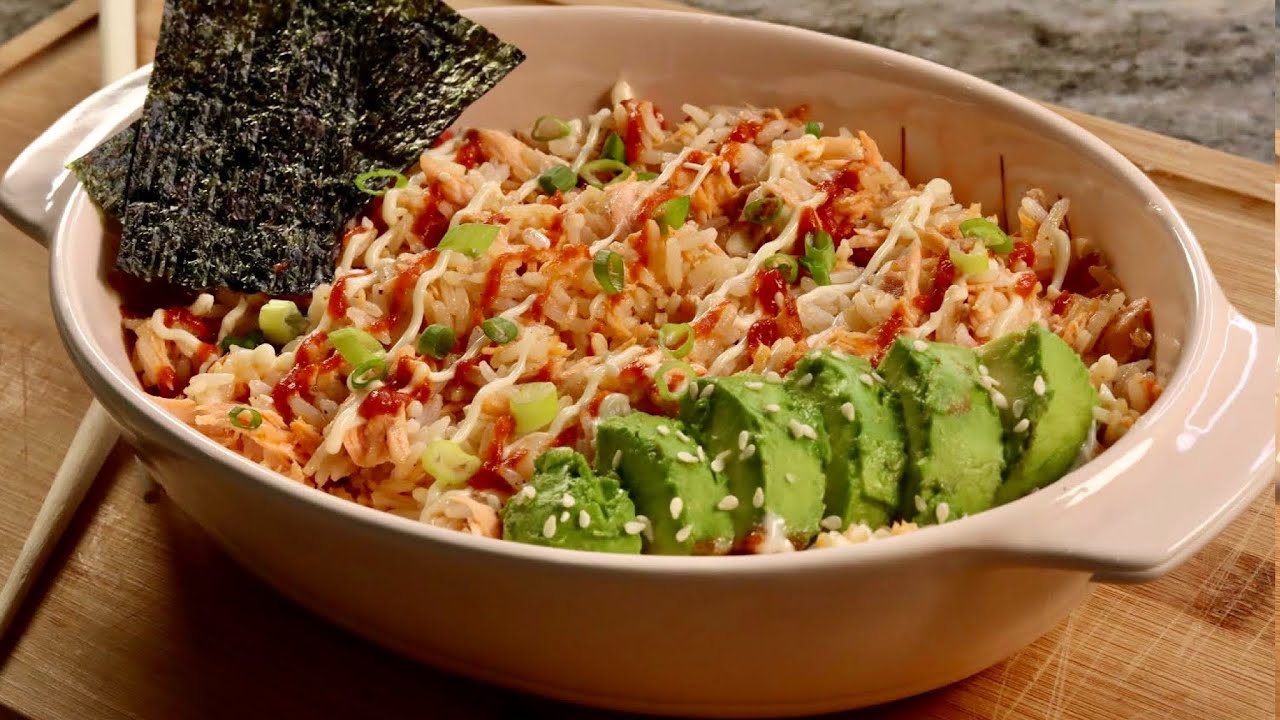
For those who enjoy a little heat, spicy salmon rice is a must-try. After cooking your salmon, mix it with sriracha, mayo, and a touch of soy sauce. Add sliced cucumbers, shredded carrots, and avocado for freshness. This version transforms your salmon rice into a sushi-style bowl with a creamy, spicy kick.
Garlic Butter Salmon Rice
Sometimes, keeping it simple is the best choice. Garlic butter salmon rice combines the richness of melted butter with the aroma of sautéed garlic. Pan-sear your salmon in butter and garlic until golden, then serve it over warm rice. Finish with a sprinkle of parsley for a comforting dish that feels indulgent yet effortless.
Healthy Salmon Rice with Vegetables
If you want a wholesome, nutrient-packed version, load up your salmon rice with vegetables. Broccoli, bell peppers, zucchini, and spinach work beautifully with salmon. Simply steam or stir-fry the veggies and mix them into your rice before adding the salmon. This variation is perfect for meal-prep, as it’s balanced, colorful, and keeps well in the fridge.
The beauty of these variations is that they give you endless ways to enjoy the same base ingredients. Whether you prefer bold flavors or a light, nourishing meal, salmon rice can easily adapt to your style.
Tips for Perfect Salmon Rice Every Time
Cooking salmon rice may sound simple, but there are a few tricks that can make the difference between a good meal and a truly outstanding one.
1. Balance the Flavors
Salmon has a naturally rich, slightly oily taste. To balance this, always add elements that cut through the richness—like citrus juice, soy sauce, or fresh herbs. This creates a well-rounded flavor profile that feels light and satisfying instead of heavy.
2. Don’t Overcook the Salmon
One of the biggest mistakes people make is cooking salmon until it’s dry and tough. Salmon is best when it’s still slightly pink in the center. Remember, it will continue cooking slightly after you remove it from heat. For perfect doneness, aim for an internal temperature of about 125–130°F (52–54°C).
3. Get the Rice Just Right
Rice can make or break this dish. If your rice turns out mushy, the texture will clash with the salmon. Be precise with water measurements and let your rice rest after cooking to absorb the steam fully. If you’re cooking in a pot, avoid lifting the lid too often, as this lets out valuable steam.
4. Use High-Quality Ingredients
This dish doesn’t require fancy cooking techniques, so the quality of the ingredients shines through. Fresh salmon, fragrant rice, and good-quality seasonings can take your dish from average to exceptional.
5. Add Garnishes for Extra Flavor
Sometimes, it’s the little things that elevate a dish. A sprinkle of sesame seeds, a drizzle of sesame oil, or a dash of chili flakes can bring new dimensions of flavor without adding much effort.
When you follow these tips, you’ll find that your salmon rice consistently turns out flavorful, balanced, and restaurant-worthy.
Nutritional Value of Salmon Rice
Aside from being delicious, salmon rice is one of the healthiest meals you can prepare at home. It strikes an ideal balance of macronutrients—proteins, carbohydrates, and fats—while also delivering essential vitamins and minerals.
Calories and Macronutrients
A standard serving of salmon rice (about 1 salmon fillet with 1 cup cooked rice) typically contains:
- Calories: 400–600 (depending on portion size and added sauces)
- Protein: 25–30g from salmon
- Carbohydrates: 40–50g from rice
- Fat: 15–20g (mostly healthy fats from salmon and oils)
Key Nutritional Benefits
- Omega-3 fatty acids – Salmon is one of the best natural sources of omega-3s, which promote heart health and brain function.
- High-quality protein – Essential for muscle repair, growth, and overall health.
- Vitamin D and B12 – Important for bone strength, energy, and red blood cell production.
- Selenium and potassium – Vital minerals for immunity and metabolism.
Why It’s a Balanced Meal
Pairing salmon with rice ensures you’re getting a balanced meal with all major food groups. If you add vegetables, you’re further enhancing the fiber and micronutrient content. This makes salmon rice not only satisfying but also an excellent choice for those aiming for a healthy diet.
So, whether you’re looking to maintain a balanced lifestyle, fuel your workouts, or simply enjoy a wholesome meal, salmon rice ticks all the boxes.
Pairing Ideas with Salmon Rice
Salmon rice is a complete dish on its own, but you can elevate it even further by pairing it with the right sides and drinks.
Best Side Dishes
- Steamed Vegetables – Broccoli, asparagus, or green beans complement salmon without overpowering its flavor.
- Miso Soup – A warm, umami-rich soup that pairs beautifully with salmon rice bowls.
- Fresh Salad – A crisp cucumber salad with sesame dressing or a light green salad adds freshness.
- Pickled Vegetables – Adds tang and crunch, balancing the richness of the salmon.
- Egg Rolls or Spring Rolls – Great for adding texture and variety to your meal.
Best Drinks to Serve
- Green Tea – Refreshing and packed with antioxidants.
- White Wine – A crisp Sauvignon Blanc or Chardonnay pairs perfectly with the richness of salmon.
- Sparkling Water with Citrus – Cleanses the palate while keeping the meal light.
- Freshly Squeezed Lemonade – Bright and zesty, adding a citrusy balance to the dish.
Pairing is about creating harmony on the table. A refreshing drink and a simple side dish can elevate your salmon rice from a quick dinner to a memorable dining experience.
Common Mistakes to Avoid
Even though salmon rice is relatively simple, there are some common pitfalls that can affect the outcome. Avoiding these mistakes ensures your dish turns out flavorful every single time.
1. Overcooking the Salmon
We’ve mentioned this before, but it’s worth repeating—dry salmon is disappointing. Always keep an eye on your cooking time and remember that salmon continues to cook slightly after being removed from heat.
2. Using the Wrong Type of Rice
Not all rice is created equal. Some varieties, like long-grain white rice, may not give you the same fluffy or sticky texture needed for this dish. Choosing the right rice—such as jasmine, basmati, or sushi rice—makes a big difference.
3. Skipping Seasoning
Plain salmon and plain rice can taste bland without seasoning. Even if you’re keeping it simple, a pinch of salt, pepper, or a squeeze of lemon goes a long way in enhancing the flavor.
4. Not Resting the Rice
Many people scoop rice immediately after cooking, which can make it soggy. Always let it rest covered for about 5 minutes to allow the steam to finish cooking the grains.
5. Ignoring Garnishes
Garnishes might seem optional, but they add visual appeal and flavor. Green onions, sesame seeds, or fresh herbs can make your dish look and taste better.
By avoiding these common mistakes, you’ll ensure that your salmon rice comes out delicious, balanced, and worthy of repeating week after week.
How to Store and Reheat Salmon Rice
Salmon rice tastes best when freshly made, but let’s be honest—not everyone has time to cook daily. The good news? This dish stores and reheats beautifully if you do it the right way. Whether you’re meal-prepping for the week or saving leftovers, here’s how to keep your salmon rice fresh and flavorful.
Storing in the Refrigerator
- Cool before storing: Always let your salmon rice cool to room temperature before refrigerating. Placing hot food directly in the fridge can create condensation, which leads to soggy rice.
- Use airtight containers: Store salmon and rice separately if possible. This prevents the rice from absorbing too much moisture from the fish.
- Shelf life: Properly stored, salmon rice can last up to 3–4 days in the fridge.
Freezing for Later
If you want to keep salmon rice for longer:
- Portion into freezer-safe containers or bags.
- Freeze in single servings for easy reheating.
- Salmon rice can last up to 2 months in the freezer without losing much flavor or texture.
Reheating Without Losing Flavor
- Microwave method: Sprinkle a little water over the rice before reheating to prevent it from drying out. Cover loosely with a lid or damp paper towel.
- Stovetop method: Reheat rice in a skillet with a splash of water or broth, then add salmon pieces and warm through gently.
- Oven method: Place salmon and rice in an oven-safe dish, cover with foil, and heat at 300°F (150°C) for 10–12 minutes.
Pro tip: If your salmon has a crispy skin, reheat it separately in a skillet to bring back that crunch.
With these methods, your salmon rice will taste nearly as good as when it was freshly prepared.
FAQs about Salmon Rice Recipe
Here are answers to the most common questions people have about making salmon rice at home.
1. Can I make this recipe ahead of time?
Yes! Salmon rice is excellent for meal prep. Simply cook the rice and salmon in advance, then store them separately in the fridge. Combine and reheat when ready to eat.
2. What’s the best sauce to serve with salmon rice?
It depends on your taste! Classic choices include teriyaki sauce, soy sauce with sesame oil, or spicy mayo. A squeeze of lemon or lime also works wonders if you prefer something light.
3. Can I use canned salmon?
Absolutely. While fresh or frozen salmon fillets give the best results, canned salmon is a budget-friendly and convenient alternative. Just make sure to drain it well before mixing with rice.
4. Is this recipe good for meal prep?
Yes, it’s one of the best meal-prep recipes. Salmon rice bowls keep well in the fridge and reheat nicely, making them ideal for lunches throughout the week.
5. How long does it take to make salmon rice?
On average, it takes 30–40 minutes from start to finish, depending on your cooking method for the salmon and rice type. Quick enough for a weeknight dinner yet impressive enough for guests!
Conclusion
Salmon rice is a dish that checks all the boxes—it’s healthy, versatile, and incredibly satisfying. With tender salmon, fluffy rice, and endless variations of sauces and toppings, you can create a meal that fits your taste, mood, or dietary needs. Whether you prefer teriyaki-glazed salmon with jasmine rice, a spicy salmon rice bowl, or a simple garlic butter version, the possibilities are limitless.
Beyond taste, salmon rice is also a powerhouse of nutrition, providing essential omega-3s, protein, and vitamins while keeping you full and energized. And with proper storage and reheating techniques, it’s a meal you can enjoy fresh or as part of your meal-prep routine.
So the next time you’re wondering what to cook for dinner, try this salmon rice recipe. It’s easy, customizable, and guaranteed to impress anyone at the table.