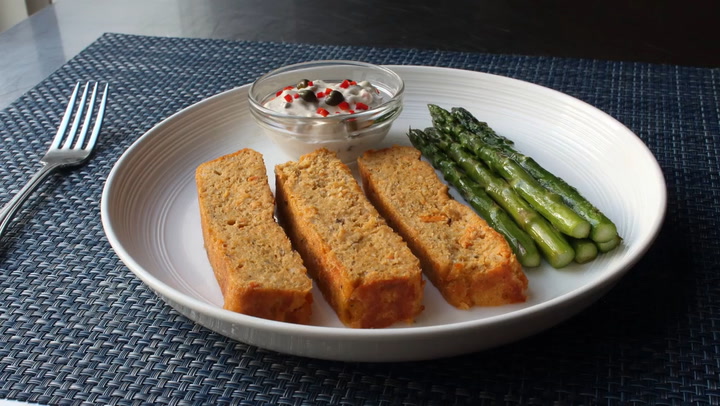
Salmon Loaf Recipe: If you’re looking for a hearty, wholesome meal that combines comfort with nutrition, salmon loaf is a fantastic choice. Much like a meatloaf, this dish is made by mixing salmon with a blend of seasonings, binders, and flavorful ingredients, then baking it until it’s golden brown on top and moist inside. The beauty of salmon loaf is that it’s versatile—you can serve it warm for dinner or chilled for lunch the next day. Plus, it’s budget-friendly since you can use either fresh or canned salmon.
In this guide, we’ll walk through everything you need to know: from the ingredients to step-by-step preparation, serving tips, and variations. By the end, you’ll have a foolproof recipe that you can make for your family or guests anytime.
Why Salmon Loaf is a Classic Dish
Salmon loaf has been a beloved recipe in many households for generations. It’s reminiscent of comfort food classics like meatloaf but with a lighter, healthier twist. Many families in North America started making salmon loaf during times when canned salmon was affordable and readily available, making it a staple dish for busy home cooks. Beyond its history, salmon loaf is a flexible recipe—you can season it in different ways, pair it with sauces, or even adapt it to meet dietary needs. Unlike some fish recipes that require delicate handling, salmon loaf is forgiving and simple enough for beginner cooks, yet still elegant enough to serve at gatherings.
Benefits of Adding Salmon to Your Diet
Salmon isn’t just delicious; it’s one of the healthiest proteins you can eat. Packed with omega-3 fatty acids, salmon supports heart health, reduces inflammation, and helps keep your brain sharp. It’s also an excellent source of protein, vitamin B12, vitamin D, and selenium. For families, this means you’re serving a dish that’s not only filling but also contributes to long-term wellness. If you’re trying to reduce red meat consumption, salmon loaf is an excellent substitute that still delivers that satisfying, hearty texture.
Ingredients You’ll Need for Salmon Loaf
Fresh or Canned Salmon Options
You can make salmon loaf with either fresh or canned salmon, depending on what you have on hand. Fresh salmon gives a slightly more delicate flavor and firmer texture, while canned salmon offers convenience and affordability. If using canned salmon, make sure to drain it well and remove any skin or bones. On the other hand, fresh salmon can be poached, baked, or even grilled before being flaked into the mixture.
Essential Pantry Staples
Here’s a typical ingredient list for salmon loaf:
- 2 cups of cooked salmon (fresh or canned)
- 1 cup breadcrumbs or crushed crackers
- 2 large eggs (for binding)
- 1 small onion, finely chopped
- 1 tablespoon fresh lemon juice
- 1 tablespoon Dijon mustard
- ½ cup milk
- Salt and black pepper to taste
- Fresh herbs like dill, parsley, or chives (optional but highly recommended)
Optional Add-Ins for Flavor Boost
You can elevate your salmon loaf with a few add-ins:
- Diced bell peppers or celery for crunch
- Grated carrots or zucchini for moisture and nutrition
- A sprinkle of Parmesan or cheddar cheese for richness
- Paprika, garlic powder, or cayenne for spice
The beauty of this recipe is its flexibility—mix and match according to your taste preferences.
Kitchen Tools and Equipment Required
Mixing and Baking Essentials
To prepare salmon loaf, you don’t need fancy gadgets—just a few basic kitchen tools. Here’s what you’ll need:
- A large mixing bowl
- A wooden spoon or spatula for combining ingredients
- A loaf pan (9×5 inches is standard)
- Measuring cups and spoons
- A knife and cutting board for prepping vegetables
Tips for Choosing the Right Loaf Pan
While a standard loaf pan works perfectly, you can also experiment with mini loaf pans for individual servings. If you prefer crispy edges, consider using a metal pan, which conducts heat better. Glass and ceramic pans retain heat, which can sometimes make the loaf cook unevenly, so keep an eye on baking times. Always grease or line the pan with parchment paper to prevent sticking and make cleanup easier.
Step-by-Step Guide to Making Salmon Loaf
Step 1: Preparing the Salmon
If using fresh salmon, start by cooking it—baking or poaching works best. Once cooked, let it cool slightly before flaking it with a fork. If you’re using canned salmon, simply open the can, drain the liquid, and remove any bones or skin if present. Flaking the salmon finely ensures that it blends well with the other ingredients.
Step 2: Mixing the Ingredients Properly
In a large mixing bowl, combine your salmon with breadcrumbs, eggs, onion, lemon juice, mustard, and milk. Stir until the mixture is evenly blended but avoid overmixing, as this can make the loaf dense. At this stage, fold in any optional vegetables or seasonings you prefer. The mixture should be moist but firm enough to hold its shape when pressed into the loaf pan.
Step 3: Baking the Salmon Loaf to Perfection
Preheat your oven to 350°F (175°C). Transfer the salmon mixture into a greased loaf pan, pressing it down lightly to remove air pockets. Bake for 40–45 minutes, or until the top is golden brown and slightly crispy. The internal temperature should reach 160°F (71°C).
Step 4: Checking for Doneness
Insert a toothpick or knife into the center of the loaf—if it comes out clean, the loaf is ready. The edges should be firm while the inside stays moist. Allow the loaf to rest for about 10 minutes before slicing, as this helps it set and makes it easier to cut clean slices.
Serving Suggestions for Salmon Loaf
Best Side Dishes to Pair With Salmon Loaf
One of the best things about salmon loaf is how versatile it is when it comes to side dishes. Since it has a rich, savory flavor, pairing it with something light and refreshing creates the perfect balance. A crisp green salad with a zesty vinaigrette works beautifully because it cuts through the richness of the fish. Roasted vegetables such as asparagus, carrots, or broccoli make excellent sides, adding both texture and nutrition. For something heartier, you can serve salmon loaf with creamy mashed potatoes, garlic rice, or even quinoa. If you want a lighter option, consider pairing it with a simple cucumber and dill salad, which ties in nicely with the flavors of salmon. The key is to mix and match sides that complement the dish without overpowering it.
Sauces and Dressings to Complement the Dish
While salmon loaf is delicious on its own, a flavorful sauce can take it to the next level. A classic choice is a creamy dill sauce made with sour cream, lemon juice, and fresh herbs. Another popular option is tartar sauce, which adds tanginess and creaminess. For a lighter twist, you can drizzle lemon butter over the loaf, bringing out the natural flavors of the fish. Some people also enjoy serving it with a mustard glaze or a sweet chili sauce for a hint of spice. If you prefer a healthier option, a yogurt-based dressing with garlic and herbs is a refreshing choice. The right sauce not only enhances flavor but also helps keep each bite moist and satisfying.
Variations of Salmon Loaf Recipe
Healthy Low-Carb Version
If you’re following a low-carb or keto lifestyle, you can still enjoy salmon loaf by making a few adjustments. Instead of using breadcrumbs or crackers, swap them out for almond flour or crushed pork rinds. These alternatives help keep the loaf together while reducing carbs. You can also add finely chopped vegetables like zucchini or spinach to boost fiber and nutrients. Using heavy cream instead of milk can increase the fat content, making it more filling for those on a keto plan. Despite the substitutions, this low-carb version still tastes delicious and retains the moist texture of the traditional recipe.
Gluten-Free and Dairy-Free Options
For those with dietary restrictions, salmon loaf can be adapted to suit gluten-free and dairy-free needs. To make it gluten-free, simply replace breadcrumbs with gluten-free oats or rice flour. If you need a dairy-free option, substitute regular milk with unsweetened almond milk, oat milk, or coconut milk. Instead of butter or cream-based sauces, go for lighter alternatives like lemon-herb vinaigrette. These changes ensure that everyone at the table can enjoy the dish without compromising taste or texture.
Adding Vegetables for Extra Nutrition
Another way to make your salmon loaf even healthier is by sneaking in extra vegetables. Grated carrots, zucchini, or spinach blend easily into the loaf without altering the flavor too much. Not only do vegetables add moisture and nutrients, but they also enhance the color and overall appeal of the dish. If you want a heartier variation, consider mixing in mushrooms, bell peppers, or even peas. This approach is especially useful for families with kids, as it’s a tasty way to sneak more vegetables into their diet without them noticing.
Storage and Reheating Tips
How to Store Salmon Loaf in the Refrigerator
If you have leftovers, salmon loaf stores well in the fridge for up to 3–4 days. Make sure to let it cool completely before storing to prevent condensation, which can make it soggy. Wrap the loaf tightly in plastic wrap or transfer slices into an airtight container. This will help retain freshness and keep the flavors intact.
Freezing Salmon Loaf for Longer Shelf Life
Salmon loaf also freezes beautifully, making it a great make-ahead meal. To freeze, wrap the cooled loaf tightly in aluminum foil or plastic wrap, then place it in a freezer-safe bag. It can be frozen for up to 2 months. When ready to enjoy, thaw it in the refrigerator overnight. Freezing doesn’t affect the taste much, but it’s best to avoid freezing with sauce already added—add that after reheating.
Best Ways to Reheat Without Drying Out
The trick to reheating salmon loaf is keeping it moist. The best method is to place slices in a baking dish, cover with foil, and reheat in the oven at 300°F (150°C) for about 15 minutes. For quicker reheating, you can use a microwave, but place a damp paper towel over the slices to lock in moisture. Another option is reheating in a skillet with a splash of broth or water, which prevents dryness while adding a little extra flavor.
Common Mistakes to Avoid When Making Salmon Loaf
Overmixing the Ingredients
One of the most common mistakes when making salmon loaf is overmixing. While it might seem like mixing thoroughly is the right approach, doing so can make the loaf dense and rubbery. The goal is to combine the ingredients just enough so they hold together, while still keeping the texture light. Think of it like making a meatloaf or even a cake batter—gentle mixing works best.
Using the Wrong Baking Temperature
Baking salmon loaf at the wrong temperature can cause problems. If the oven is too hot, the outside may burn before the inside cooks through. Too low, and the loaf might dry out before developing a golden crust. The ideal temperature is 350°F (175°C), as it allows the loaf to cook evenly and retain moisture. Always preheat your oven to ensure consistent results.
Not Balancing Moisture Properly
Salmon loaf should be moist but firm. If it’s too dry, it falls apart and loses flavor; if it’s too wet, it won’t hold its shape. Balancing moisture is key—this comes from the right ratio of salmon, eggs, and milk to breadcrumbs. Adding vegetables like zucchini or carrots can help keep it moist, but be careful not to add too much liquid-based produce. If the mixture feels too wet before baking, add a bit more breadcrumbs until it holds together.
Nutritional Value of Salmon Loaf
Protein and Omega-3 Benefits
One of the biggest nutritional advantages of salmon loaf is its high protein content. Protein is essential for muscle repair, growth, and keeping you feeling full for longer periods of time. A single serving of salmon loaf provides around 20–25 grams of protein, making it an excellent choice for anyone looking to add more protein to their diet. Beyond protein, salmon is famously rich in omega-3 fatty acids, which are healthy fats that play a vital role in brain function, heart health, and reducing inflammation. Unlike red meat-based loaves, salmon loaf offers a lighter source of protein with significantly less saturated fat, making it a healthier alternative for both children and adults.
Calorie Count and Serving Size
The calorie count of salmon loaf depends on the ingredients used, but on average, one serving (about 1 slice) contains 250–300 calories. Most of these calories come from healthy fats and protein, making it a balanced meal. If you pair it with light sides such as roasted vegetables or salad, it becomes a nutritious, low-calorie dinner. However, if you serve it with creamy mashed potatoes or rich sauces, the calorie count will naturally increase. Portion control is key—one slice is usually satisfying because the protein and fat help keep you full. For meal prepping, you can cut the loaf into smaller slices to manage calorie intake throughout the week.
Making It Healthier for Every Diet
The beauty of salmon loaf is that it can be tailored to fit almost any dietary plan. For those on a low-carb diet, replacing breadcrumbs with almond flour or crushed nuts reduces carbs significantly. If you’re focused on boosting fiber, adding vegetables like spinach or grated carrots provides both nutrients and extra volume without many added calories. For families trying to cut down on sodium, you can season with fresh herbs, lemon juice, and spices instead of relying on salt-heavy ingredients. With just a few tweaks, salmon loaf can easily adapt to keto, gluten-free, dairy-free, or heart-healthy diets—making it one of the most versatile meals you can prepare at home.
FAQs about Salmon Loaf Recipe
Can I Use Fresh Salmon Instead of Canned?
Yes, absolutely! Fresh salmon often gives a slightly more delicate flavor and firmer texture. To use fresh salmon, cook it first—either by baking, poaching, or grilling—then flake it before mixing into the recipe. Many people prefer canned salmon for convenience, but fresh salmon works just as well and can make the loaf taste more gourmet.
What Can I Substitute for Breadcrumbs?
If you don’t have breadcrumbs on hand or want a healthier option, there are several great substitutes. Crushed crackers, oats, quinoa, almond flour, or even cooked rice can work as binders. Each option gives a slightly different texture, so feel free to experiment. For gluten-free diets, almond flour or gluten-free oats are perfect replacements.
How Long Does Salmon Loaf Last?
When stored properly in the refrigerator, salmon loaf lasts about 3–4 days. If you want to keep it longer, freezing is the best option, as it can last up to 2 months in the freezer. Just make sure to wrap it tightly and thaw overnight in the fridge before reheating.
Can I Serve Salmon Loaf Cold?
Yes! Salmon loaf tastes great both hot and cold. Cold slices make an excellent lunch option, especially when paired with a fresh salad or tucked into a sandwich. Many people enjoy leftover salmon loaf chilled because the flavors have time to blend together, making it even more delicious the next day.
What’s the Best Sauce for Salmon Loaf?
The best sauce depends on your taste preferences. A creamy dill sauce is a classic choice, while tartar sauce offers tanginess. If you prefer lighter flavors, a lemon-butter drizzle or yogurt-based herb sauce works beautifully. For something bold, try a honey-mustard glaze or even a spicy chili sauce. The key is to balance richness with freshness.
Conclusion
Salmon loaf is more than just a budget-friendly recipe—it’s a wholesome, flavorful dish that can easily become a family favorite. From its nutritional benefits to its versatility in ingredients, sauces, and side dishes, salmon loaf proves that simple recipes can also be elegant and satisfying. Whether you choose to make it with canned salmon for convenience or fresh salmon for a more elevated taste, this dish offers flexibility that suits any home cook. Plus, with easy storage and reheating, it’s perfect for meal prep and busy weeknight dinners.
If you’re looking for a recipe that’s hearty, healthy, and comforting, salmon loaf checks all the boxes. Try it once, and you’ll find yourself coming back to it again and again.