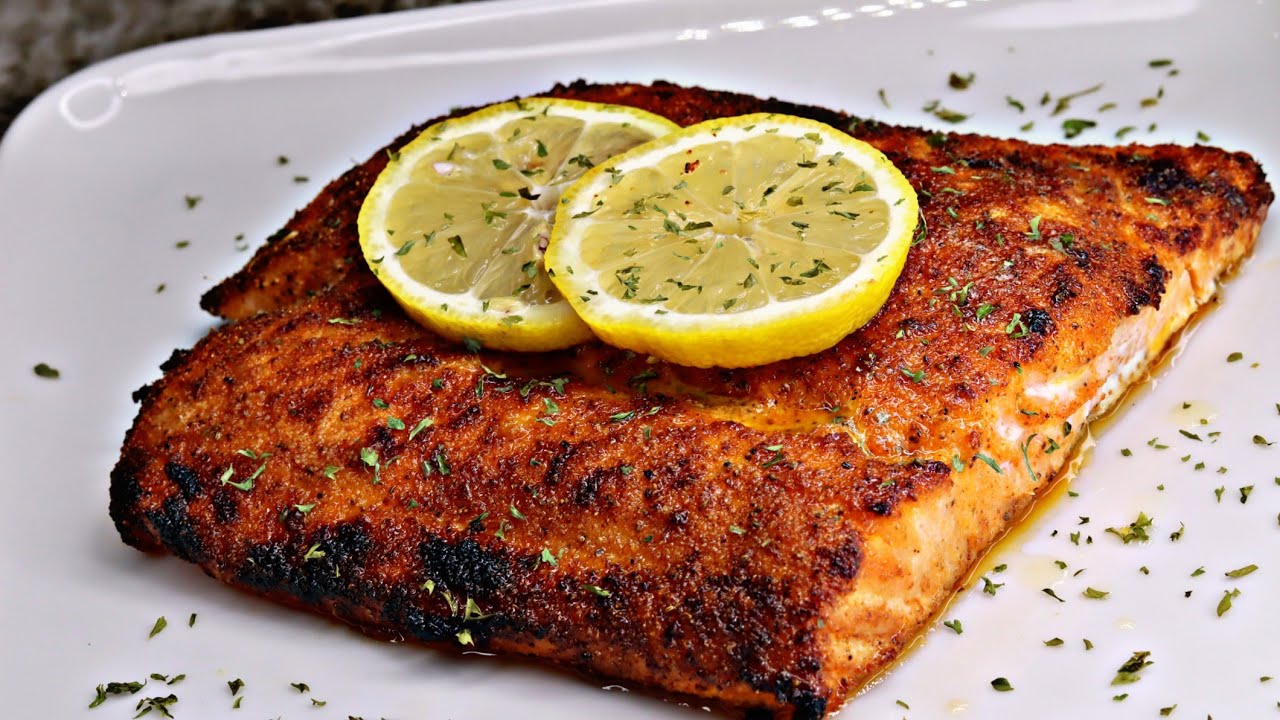
Salmon Baked Recipe: Cooking salmon in the oven is one of the easiest, tastiest, and healthiest ways to prepare this flavorful fish. Whether you’re a beginner in the kitchen or an experienced cook, a baked salmon recipe is a must-have in your meal rotation. The beauty of this dish lies in its simplicity—you don’t need complicated techniques or fancy equipment. Just a few fresh ingredients, a hot oven, and about 20 minutes are all it takes to put a wholesome meal on the table.
This guide will walk you through everything you need to know about baking salmon perfectly every time. From selecting the best ingredients to step-by-step preparation and even different flavor variations, you’ll have all the tips and tricks at your fingertips. By the end, you’ll be ready to impress your family, guests, or even just yourself with a restaurant-quality salmon dinner straight from your oven.
Introduction to Baked Salmon
Baked salmon has earned its place as a staple in many households because it’s not only delicious but also incredibly versatile. You can prepare it with a light seasoning for a quick weeknight dinner or dress it up with herbs, spices, and marinades for special occasions. Unlike frying, which requires oil and constant attention, or grilling, which can sometimes overcook fish, baking provides a gentler cooking process that keeps salmon juicy, tender, and full of flavor.
Another big reason baked salmon is so popular is its health benefits. Salmon is considered a superfood because it’s rich in omega-3 fatty acids, high-quality protein, and essential vitamins like B12, D, and selenium. These nutrients contribute to heart health, brain function, and overall well-being. If you’re trying to eat healthier or simply looking for a satisfying meal that doesn’t weigh you down, salmon is a top choice.
Plus, baking is an incredibly forgiving cooking method. Even if you’re not confident in your kitchen skills, it’s hard to mess up baked salmon. Unlike steak or chicken, which can dry out quickly, salmon has a natural oiliness that keeps it moist. A squeeze of lemon and a drizzle of olive oil are often enough to create a dish bursting with flavor. That’s the beauty of baked salmon—it’s effortless but feels gourmet.
Ingredients You’ll Need
One of the best things about baked salmon is that you don’t need a long list of ingredients to make it shine. The fish itself is the star, so a few supporting flavors are all it takes. Here’s a breakdown of what you’ll need:
- Fresh salmon fillets – Choose fillets that are about 6 oz each. You can use skin-on or skinless depending on preference, but skin-on often helps keep the salmon moist.
- Olive oil or butter – Either option works well to add richness and prevent the fish from sticking to the pan. Olive oil gives a Mediterranean flair, while butter provides a classic, indulgent flavor.
- Garlic and herbs – Fresh garlic cloves and herbs like dill, parsley, or thyme bring freshness and fragrance to the dish. You can also use dried herbs if that’s what you have on hand.
- Lemon slices – A squeeze of lemon juice brightens up the salmon and balances its natural richness. Adding slices on top while baking infuses the fish with citrus notes.
- Salt and pepper – The basics of seasoning. Don’t skip these! They enhance the natural flavor of salmon without overpowering it.
- Optional extras – If you want to elevate your baked salmon, you can use honey, Dijon mustard, paprika, soy sauce, or even a sprinkle of Parmesan cheese. These additions help create unique variations of the classic recipe.
The beauty of this list is its flexibility. You can keep it simple with just salmon, lemon, and olive oil, or get creative with spices and marinades depending on your taste. No matter how you season it, baked salmon is guaranteed to deliver flavor and satisfaction.
Choosing the Best Salmon for Baking
Before you even step into the kitchen, selecting the right salmon is the first step toward success. Not all salmon is created equal, and the type you choose can affect both flavor and nutrition.
Wild-caught vs. farmed salmon
Wild-caught salmon is often considered the gold standard because it tends to be leaner, has a deeper color, and offers a stronger, richer flavor. Farmed salmon, on the other hand, is usually milder in taste and fattier, which makes it more forgiving in cooking. Both can be delicious, so the choice comes down to your preference and budget.
Fresh vs. frozen
Don’t shy away from frozen salmon. High-quality salmon is often flash-frozen soon after being caught, preserving its nutrients and flavor. If you buy fresh, check the sell-by date and make sure it smells clean (not fishy).
How to check salmon freshness
- The flesh should be firm and bounce back when pressed.
- The color should be vibrant—anything dull or brownish is a red flag.
- It should smell like the ocean, not overly fishy.
By paying attention to these details, you’ll set yourself up for the best possible outcome. Remember, the quality of your salmon directly impacts the final dish, so always start with the freshest fish you can find.
Tools and Equipment Required
Baking salmon doesn’t require fancy gadgets, but having the right tools can make the process smoother. Here’s what you’ll need:
- Baking dish or sheet pan – A rimmed baking sheet works best to catch juices. If you prefer easy cleanup, line it with foil or parchment paper.
- Aluminum foil or parchment paper – Helps prevent sticking and makes cleanup easier. You can also wrap salmon in foil for a steaming effect that locks in moisture.
- Sharp knife – Useful for trimming the salmon or cutting fillets if needed.
- Measuring spoons and cups – Essential for mixing marinades and ensuring your seasonings are balanced.
Optional tools include a meat thermometer, which is great for checking doneness. Salmon should reach an internal temperature of 145°F (63°C) at its thickest part. This ensures it’s cooked through but still juicy.
When you have these simple tools ready, you’re already halfway to success. The process is straightforward, but being prepared makes it even easier.
Step-by-Step Guide to Baking Salmon
Now comes the fun part—actually baking your salmon! This step-by-step guide will take you through the process, ensuring you end up with tender, juicy, and flavorful salmon every single time.
Step 1: Preparing the Salmon
Start by patting your salmon fillets dry with a paper towel. Removing excess moisture helps the seasonings stick better and allows the salmon to bake evenly. If you purchased a whole side of salmon, cut it into portions (about 6 oz each) for even cooking. You can leave the skin on—it acts as a natural barrier to keep the fish moist—or remove it if you prefer a softer texture.
Step 2: Seasoning the Salmon
This is where the flavor magic happens. Place your salmon fillets on a lined baking sheet and drizzle with olive oil or melted butter. Rub it in gently with your fingers or a brush so it coats the surface. Sprinkle salt and pepper generously, then add garlic, herbs, or any seasonings you like. If you’re keeping it classic, a few lemon slices on top will brighten the flavor beautifully.
Step 3: Preheating the Oven
Preheat your oven to 400°F (200°C). This temperature is ideal because it’s hot enough to cook salmon quickly while keeping it moist and flaky. A too-low temperature can leave the fish dry and overcooked before it’s done inside, while a too-high temperature might burn the edges.
Step 4: Arranging the Salmon on a Baking Dish
Place your fillets skin-side down on the baking sheet. If you’re cooking for a family, give each fillet a little space so hot air can circulate around them evenly. For extra moisture, you can add thin lemon rounds or even a splash of white wine to the pan.
Step 5: Baking Time and Temperature
Bake salmon for 12–15 minutes, depending on thickness. A good rule of thumb is about 4–6 minutes per half-inch of thickness. If your fillet is extra thick (like king salmon), it might take closer to 18 minutes.
Step 6: Checking Doneness
The best way to check if salmon is done is with a fork. Gently press down on the top of the fillet—if it flakes easily and looks opaque, it’s ready. For precision, use a thermometer; the thickest part should read 145°F (63°C). Be careful not to overbake, as salmon continues to cook slightly after being removed from the oven.
This step-by-step method guarantees perfectly baked salmon every single time. Once you master the basics, you can start experimenting with flavors to make the recipe your own.
Different Variations of Baked Salmon Recipes
One of the most exciting things about salmon is how adaptable it is. You can switch up flavors depending on your mood or what’s in your pantry. Here are a few delicious variations you can try:
1. Lemon Garlic Baked Salmon
This is the ultimate classic. Simply season salmon with olive oil, garlic, salt, pepper, and fresh lemon juice. Add lemon slices on top for extra zest. This recipe is light, refreshing, and perfect for a healthy dinner.
2. Honey Mustard Baked Salmon
For a sweet and tangy twist, whisk together Dijon mustard, honey, garlic, and olive oil. Brush it over your salmon fillets before baking. The glaze caramelizes beautifully in the oven, giving the salmon a slightly sticky and irresistible finish.
3. Spicy Paprika Baked Salmon
If you love bold flavors, rub your salmon with smoked paprika, chili powder, garlic powder, and a pinch of cayenne pepper. This version has a smoky, spicy kick that pairs wonderfully with roasted vegetables or rice.
4. Asian-Inspired Soy-Glazed Baked Salmon
Mix soy sauce, ginger, garlic, honey, and sesame oil to make a marinade. Pour it over the salmon before baking, then sprinkle with sesame seeds and green onions once it’s cooked. This version is savory, slightly sweet, and pairs well with steamed rice or stir-fried veggies.
The best part is that all these variations follow the same basic baking method—only the flavors change. Once you know the fundamentals, you can create endless versions of baked salmon to suit your taste buds.
Side Dishes to Serve with Baked Salmon
Baked salmon is the star of the meal, but the right side dish can take it from good to unforgettable. Depending on the occasion, you can keep it simple or go all out. Here are some perfect pairings:
1. Roasted Vegetables
Vegetables like asparagus, carrots, Brussels sprouts, and zucchini roast beautifully alongside salmon in the oven. Just toss them in olive oil, salt, and pepper, and let them cook while your salmon bakes.
2. Mashed Potatoes
Creamy mashed potatoes balance salmon’s richness perfectly. Add a little garlic or Parmesan to the mash for extra flavor.
3. Steamed Rice or Quinoa
For a lighter option, steamed jasmine rice or fluffy quinoa makes a great side. You can even drizzle the salmon juices over the grains for added flavor.
4. Fresh Salad
A crisp salad with mixed greens, cucumbers, and cherry tomatoes provides a refreshing contrast to baked salmon. A light vinaigrette with lemon ties everything together.
These sides are simple but complement salmon beautifully. You can mix and match depending on your mood—sometimes roasted veggies and rice for a hearty meal, or salad and lemony salmon for something light and fresh.
Tips for Perfectly Baked Salmon Every Time
Even though baked salmon is easy, there are a few secrets that can make it truly outstanding.
- Don’t overcook it. Salmon is best when moist and tender. Always check a few minutes before the recommended cooking time.
- Keep it moist. Adding a drizzle of olive oil, butter, or even a sauce helps lock in moisture while baking.
- Marinate for extra flavor. If you have time, let salmon sit in a marinade for 30 minutes before baking. This infuses the fish with flavor and keeps it juicy.
- Use foil packets for steaming. Wrapping salmon in foil helps trap steam, resulting in extra-tender fillets.
- Let it rest. Give your salmon 2–3 minutes to rest after baking before serving. This allows the juices to redistribute, making every bite moist and flavorful.
By following these tips, you’ll avoid dry, bland salmon and instead serve up a dish that’s consistently juicy, flavorful, and cooked to perfection.
Common Mistakes to Avoid
Even though baked salmon is one of the easiest fish recipes, there are still a few mistakes people often make that can ruin the dish. Knowing what to avoid will save you from dry, bland, or over-seasoned salmon.
1. Using Too Much Seasoning
Salmon already has a naturally rich, buttery flavor, so it doesn’t need to be overpowered with heavy spices. Over-seasoning with salt, garlic, or strong sauces can drown out the fish’s taste. Instead, keep it balanced—a squeeze of lemon, a drizzle of olive oil, and a sprinkle of herbs are usually enough to enhance, not hide, the flavor.
2. Baking at the Wrong Temperature
If the oven is too hot, the salmon can burn on the outside before the inside cooks through. Too low, and you risk drying out the fish by keeping it in the oven too long. The sweet spot is 400°F (200°C) for most salmon fillets. It’s high enough for a quick bake but gentle enough to keep the salmon moist.
3. Overcooking the Salmon
This is the most common mistake. Overcooked salmon becomes dry, chalky, and loses its delicate texture. Always start checking for doneness a couple of minutes earlier than you think. Remember that salmon continues to cook slightly even after it’s removed from the oven.
4. Skipping the Resting Time
Just like steak or chicken, salmon benefits from a short resting period after baking. Leaving it for 2–3 minutes before serving allows the juices to settle back into the fillet, making it more flavorful and tender.
Avoiding these mistakes ensures your baked salmon turns out perfect every time—juicy, flavorful, and cooked just right.
Storing and Reheating Baked Salmon
Sometimes you’ll have leftovers, and the good news is baked salmon stores and reheats very well when done properly. Here’s how to keep it fresh:
How to Store Leftovers
- Allow the salmon to cool completely before storing.
- Place it in an airtight container or wrap tightly with foil.
- Refrigerate for up to 3 days.
- For longer storage, freeze salmon in freezer-safe bags for up to 2 months.
Best Way to Reheat Salmon
Salmon dries out quickly if overheated, so reheating gently is key.
- Oven Method: Preheat to 275°F (135°C), place salmon on a baking sheet, cover loosely with foil, and warm for about 10–15 minutes.
- Stovetop Method: Heat a non-stick pan on low with a little butter or olive oil. Place salmon skin-side down and cover with a lid for 5 minutes.
- Microwave Method: Not ideal, but if you’re in a rush, cover salmon with a damp paper towel and heat in short 30-second bursts.
By storing and reheating salmon carefully, you can enjoy it just as deliciously the next day in salads, wraps, or even as a topping for rice bowls.
Nutritional Value of Baked Salmon
One of the main reasons salmon is a superstar ingredient is because it’s both delicious and incredibly nutritious. Let’s break down its benefits:
1. Rich in Protein
A single 6-ounce fillet provides about 34 grams of high-quality protein, making it an excellent choice for muscle building, recovery, and staying full longer.
2. Packed with Omega-3 Fatty Acids
Salmon is one of the best sources of omega-3s, which support heart health, reduce inflammation, and boost brain function. Eating salmon regularly has been linked to better cardiovascular health.
3. Loaded with Vitamins and Minerals
Salmon is an excellent source of:
- Vitamin B12 – essential for brain and nerve health
- Vitamin D – supports bone strength and immunity
- Selenium – a powerful antioxidant
- Potassium – helps regulate blood pressure
4. Low in Carbs
Since salmon is naturally low in carbs, it’s perfect for keto, paleo, and low-carb diets.
5. Great for Weight Management
Because it’s rich in protein and healthy fats, salmon keeps you satisfied for longer, making it easier to avoid snacking and overeating.
In short, baked salmon isn’t just tasty—it’s a powerhouse of nutrients that benefits your whole body. Eating it twice a week is recommended by health experts for maximum benefits.
FAQs about Baked Salmon Recipe
1. Can I bake salmon with the skin on?
Yes! In fact, leaving the skin on helps retain moisture while baking. Once cooked, the skin peels off easily if you don’t want to eat it.
2. What temperature is best for salmon?
The ideal oven temperature is 400°F (200°C). It ensures quick cooking without drying the salmon out.
3. Can I bake frozen salmon directly?
Yes, but it will take about 5–7 minutes longer. For best results, thaw salmon overnight in the refrigerator before baking.
4. How do I know if salmon is cooked?
The salmon should flake easily with a fork and appear opaque throughout. For accuracy, use a food thermometer—145°F (63°C) is the safe internal temperature.
5. Can I meal-prep baked salmon?
Absolutely! Bake a batch, portion it into containers with sides like rice or veggies, and refrigerate for up to 3 days. It’s perfect for healthy lunches and dinners.
Conclusion
Baked salmon is one of those dishes that looks fancy but is surprisingly simple to prepare. With just a handful of ingredients, the right cooking temperature, and a few smart tips, you can create a meal that’s nutritious, flavorful, and satisfying. Whether you go for the classic lemon garlic version, spice it up with paprika, or glaze it with honey mustard, baked salmon never disappoints.
So next time you want a quick, healthy dinner that doesn’t compromise on taste, try this baked salmon recipe. It’s easy enough for a busy weeknight yet elegant enough to serve at a dinner party. Once you master the basics, you’ll find yourself coming back to it again and again.