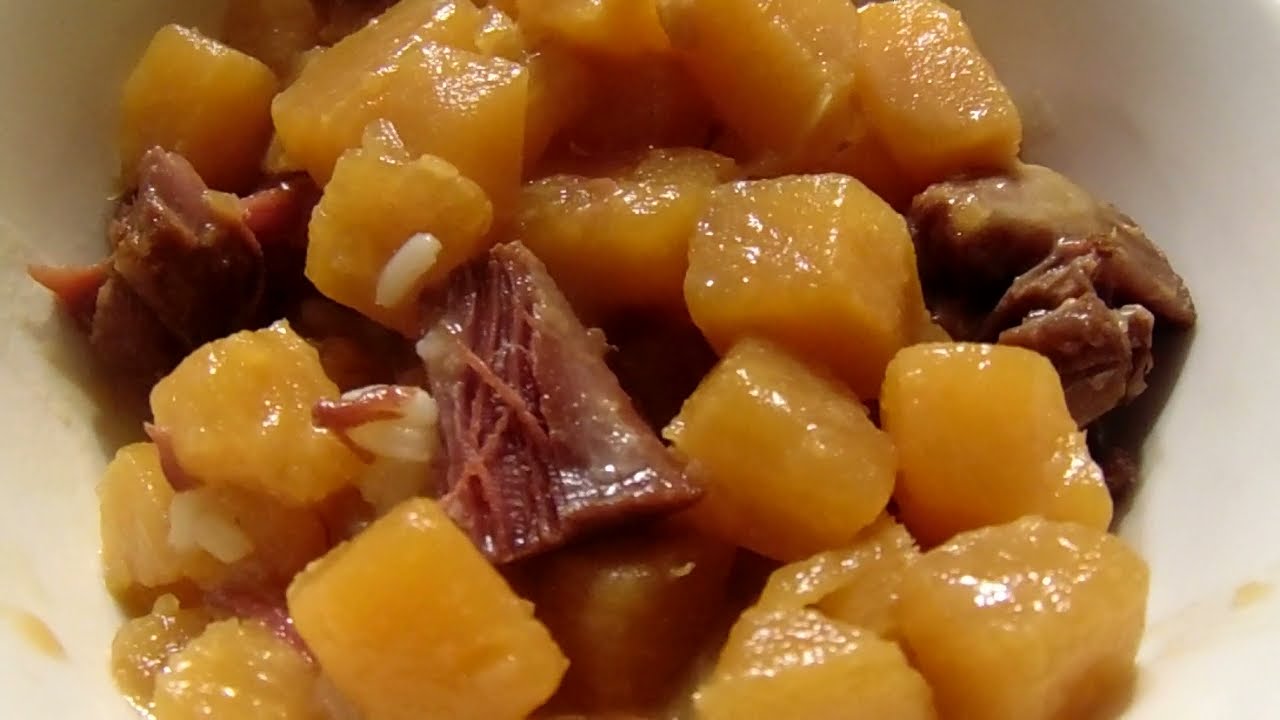
Rutabaga Recipe: Cooking with rutabaga might not be the first idea that pops into your mind when planning a meal, but this humble root vegetable has so much to offer. With its earthy sweetness, versatility in the kitchen, and rich nutritional profile, rutabaga is a must-try for anyone who loves hearty, wholesome food.
In this guide, we’ll explore everything you need to know to prepare a delicious rutabaga recipe step by step, from the ingredients you’ll need to expert cooking tips.
By the end, you’ll not only have a tasty dish to serve but also the confidence to experiment with rutabaga in different ways.
What is Rutabaga?
Rutabaga, sometimes called “swede” or “yellow turnip,” is a root vegetable that belongs to the Brassica family, the same family as cabbage, kale, and broccoli. It has a rough, waxy skin that ranges from purple to yellowish-brown, and its flesh is usually golden yellow. Rutabaga has a slightly sweet, nutty flavor, making it an excellent substitute for potatoes or turnips in various recipes.
Though often overlooked, rutabaga is popular in Northern and Eastern European cuisine. It’s a staple in hearty winter dishes, especially when paired with roasted meats or mashed with butter and cream. If you’re looking for a vegetable that combines comfort with nutrition, rutabaga is your go-to.
Why Cook with Rutabaga?
Cooking with rutabaga is not just about variety—it’s about nutrition, flavor, and affordability. This vegetable can transform into multiple dishes: creamy mashed rutabaga, crispy roasted cubes, or even a rich soup. Its mild sweetness balances savory flavors beautifully, making it adaptable to countless cuisines.
On top of that, rutabaga is budget-friendly, widely available in grocery stores, and lasts long in storage. Whether you’re aiming for a healthier diet, trying new vegetables, or preparing a comforting side dish for your family, rutabaga deserves a spot on your menu.
Health Benefits of Rutabaga
Nutritional Value of Rutabaga
One of the reasons rutabaga is so widely cherished is because of its impressive nutritional value. A single cup of cooked rutabaga contains:
- Low calories (around 50 per cup)
- High dietary fiber for better digestion
- Vitamin C for immunity and skin health
- Potassium for heart health and muscle function
- Antioxidants that help fight inflammation
Rutabaga is also a great choice for people watching their carbohydrate intake since it has fewer carbs compared to potatoes. That makes it a perfect side dish for low-carb diets.
Rutabaga vs. Potatoes – A Healthier Alternative
If you’re someone who loves mashed potatoes but worries about carbs and calories, rutabaga is a great alternative. While potatoes are higher in starch, rutabaga provides a lighter, less starchy option with nearly half the calories. It still gives you that satisfying comfort-food feel but in a healthier package.
Think of rutabaga as a cross between a potato and a cabbage—creamy when mashed, crisp when roasted, and flavorful when turned into soups or stews. It’s a hidden gem that can elevate your meals while keeping them nutritious.
Ingredients You’ll Need for the Rutabaga Recipe
Fresh Produce Ingredients
The star ingredient, of course, is rutabaga. You’ll need about 2 to 3 medium rutabagas for a family-sized dish. Choose rutabagas that feel heavy for their size, with smooth skin and minimal blemishes. Avoid any that feel soft or spongy.
Alongside rutabaga, you might also use:
- Garlic cloves (for extra flavor)
- Fresh herbs like parsley or thyme
- Onion (to enhance the sweetness)
Pantry Staples and Seasonings
Every great recipe needs some seasonings to bring out the flavor. For rutabaga, simple ingredients often work best. Common pantry staples include:
- Olive oil or butter (for richness)
- Salt and black pepper
- A splash of cream or milk (if making mashed rutabaga)
These basics turn rutabaga into a hearty and flavorful dish without much fuss.
Optional Add-Ons for Extra Flavor
Want to take your rutabaga recipe up a notch? Try adding these optional ingredients:
- Grated cheese (Parmesan or cheddar)
- Spices like paprika, nutmeg, or cumin
- A drizzle of honey or maple syrup for caramelized sweetness
- Bacon bits or pancetta for a smoky twist
These small add-ons can transform a simple rutabaga dish into a show-stopping side that will surprise your family and guests.
Step-by-Step Guide to Making a Delicious Rutabaga Dish
Step 1 – Preparing the Rutabaga
Before cooking, rutabaga needs to be peeled. Its skin is thicker than a potato’s, so use a sharp knife or sturdy vegetable peeler. Cut off both ends, then slice the rutabaga into manageable chunks. This not only makes peeling easier but also ensures even cooking later.
Cut the rutabaga into cubes, slices, or chunks depending on the dish you’re making. If boiling, aim for 1-inch cubes so they cook evenly. If roasting, larger chunks work well since they hold their shape.
Step 2 – Boiling or Roasting the Rutabaga
Once prepped, rutabaga can be boiled, roasted, or steamed.
- Boiling: Place rutabaga cubes in salted water, bring to a boil, and simmer until tender (about 25–30 minutes).
- Roasting: Toss rutabaga chunks with olive oil, salt, pepper, and herbs, then roast at 400°F (200°C) for 35–40 minutes, turning halfway through.
Both methods create a delicious base for your rutabaga dish.
Step 3 – Mashing or Cooking into a Dish
Once your rutabaga is tender, it’s time to decide how you want to transform it. If you’ve boiled the rutabaga, the most popular option is to mash it, much like potatoes. Drain the cooked cubes and place them in a bowl. Add a knob of butter, a splash of cream or milk, and season generously with salt and pepper. Mash until smooth or leave it slightly chunky for a more rustic texture. You’ll notice that mashed rutabaga has a slightly sweet, nutty flavor that pairs beautifully with roasted meats, poultry, or fish.
If roasting, your rutabaga will already have caramelized edges and a golden, crispy exterior. At this point, you can either serve it as a simple roasted side dish or take it further by tossing it into salads, grain bowls, or stews. Some cooks even mix roasted rutabaga with other root vegetables like carrots, parsnips, or sweet potatoes for a colorful, nutrient-packed side.
Another option is to turn rutabaga into a soup. After boiling, simply blend the rutabaga with sautéed onions, garlic, vegetable stock, and a dash of cream. The result is a velvety, comforting soup perfect for chilly evenings.
Step 4 – Adding Seasonings and Enhancements
Rutabaga has a naturally mild and earthy flavor, which makes it the perfect canvas for seasoning. The simplest and most traditional way to enjoy it is with butter, salt, and black pepper. However, if you want to bring out more depth, here are a few ideas:
- Herbs and Spices: Fresh thyme, rosemary, parsley, or dill add brightness. Ground nutmeg or paprika enhances warmth.
- Cheese: A sprinkle of Parmesan, Gruyère, or cheddar melts beautifully into mashed rutabaga.
- Acidity: A splash of lemon juice or vinegar cuts through the richness and highlights the sweetness of rutabaga.
- Sweetness: For roasted rutabaga, a drizzle of honey or maple syrup helps caramelize the edges for a sweet-savory balance.
Think of rutabaga as a blank canvas—just like potatoes or rice. The right seasoning can transform it from simple comfort food to a gourmet side dish. Experiment with flavors until you find your favorite combination.
Step 5 – Serving Suggestions
Once cooked, rutabaga can shine on its own or complement other dishes. Mashed rutabaga is a fantastic alternative to mashed potatoes when served with roast beef, turkey, or pork. Roasted rutabaga pairs wonderfully with grilled chicken, baked salmon, or vegetarian mains like lentil loaf.
If you’re preparing rutabaga soup, serve it with warm crusty bread, a fresh green salad, or a grilled cheese sandwich for a cozy, balanced meal. Rutabaga fries are also a fun snack or side dish, especially for those following a lower-carb diet.
For holiday feasts, rutabaga is a standout. Many families include mashed rutabaga as part of their Thanksgiving or Christmas spread. It balances heavy dishes like stuffing and gravy with its light sweetness. Plus, it’s a great conversation starter—especially if some guests have never tried rutabaga before!
Serving rutabaga isn’t just about plating food—it’s about creating balance, comfort, and a touch of uniqueness at your table.
Different Ways to Cook Rutabaga
Rutabaga Mash Recipe
Mashed rutabaga is the easiest way to introduce this vegetable into your diet. Simply boil, mash, and season. For extra creaminess, mix it with mashed potatoes in a 50/50 ratio. This combination gives you the familiar potato texture while cutting carbs and calories. Add butter, garlic, and a sprinkle of nutmeg for a flavor-packed side dish.
Roasted Rutabaga Recipe
For crispy, caramelized goodness, roasted rutabaga is unbeatable. Cut into wedges or cubes, toss with olive oil, salt, pepper, and herbs, then roast until golden brown. Roasted rutabaga develops a natural sweetness and slightly nutty flavor that pairs well with roasted meats or vegetarian mains.
Rutabaga Soup Recipe
Rutabaga soup is creamy, comforting, and ideal for colder months. After boiling rutabaga with onions, garlic, and vegetable stock, blend until smooth. Stir in cream or coconut milk for richness. Garnish with fresh herbs or croutons for a satisfying, elegant starter.
Rutabaga Fries Recipe
Craving fries but want a healthier option? Rutabaga fries are a fantastic substitute. Slice rutabaga into thin sticks, toss with olive oil, paprika, garlic powder, and salt, then bake until crisp. Serve with ketchup, aioli, or spicy dips. They’re lighter than potato fries but still satisfy that craving.
Expert Cooking Tips for Perfect Rutabaga
How to Select the Best Rutabaga
The key to a delicious rutabaga dish starts at the store or farmer’s market. When shopping, always look for rutabagas that feel firm and heavy for their size. The skin should be smooth and free of major cracks or soft spots. A wax coating is often applied to store-bought rutabagas to extend shelf life—this is completely normal and can be peeled away before cooking.
Size also matters. Smaller to medium-sized rutabagas (about the size of a grapefruit) are usually sweeter and more tender. Larger ones can sometimes taste more bitter or woody, although proper cooking techniques can help soften and balance out their flavor.
If you’re lucky enough to buy rutabaga with its greens still attached, check that the leaves are fresh and vibrant. Rutabaga greens are edible and can be sautéed just like kale or collard greens, adding another layer of nutrition and flavor to your meal.
Storage and Shelf Life Tips
Once you’ve brought your rutabagas home, proper storage ensures they stay fresh and flavorful. Uncut rutabagas can last up to three weeks in a cool, dark place like a pantry or cellar. However, for the longest shelf life, keep them in the refrigerator inside a plastic bag. This prevents moisture loss and helps maintain their crispness.
If you’ve peeled and cut the rutabaga, store the pieces in an airtight container in the fridge. They’ll stay fresh for about 3–4 days. To extend storage further, you can blanch rutabaga cubes in boiling water for a few minutes, drain, and then freeze them. Frozen rutabaga is perfect for soups, stews, or mashing whenever you need a quick side dish.
By selecting the right rutabagas and storing them properly, you’ll always have a reliable ingredient ready to elevate your meals.
Common Mistakes to Avoid When Cooking Rutabaga
Even though rutabaga is versatile, a few common mistakes can prevent it from reaching its full potential. Here are some pitfalls to avoid:
Skipping the Peel Properly
Rutabaga skin is thick and sometimes waxy. If not peeled thoroughly, it can leave a bitter aftertaste. Always remove the outer layer completely with a sharp knife.
Overcooking Until Mushy
When boiling, it’s easy to overcook rutabaga until it turns mushy and loses flavor. Keep an eye on it and test with a fork—when it pierces easily, it’s ready.
Not Seasoning Enough
Rutabaga’s mild flavor benefits from generous seasoning. Salt, pepper, herbs, and spices bring out its natural sweetness. Don’t be shy about flavoring it.
Using Only One Cooking Method
Many people only boil rutabaga, but roasting, mashing, frying, and souping all highlight different aspects of its flavor. Experiment with multiple techniques to appreciate its versatility.
Pairing Poorly with Other Foods
Rutabaga pairs best with hearty, savory dishes. Avoid combining it with very light or delicate flavors that it might overwhelm. Instead, balance it with meats, legumes, or other root vegetables.
By sidestepping these mistakes, you’ll unlock the full potential of rutabaga and impress anyone who sits at your table.
Serving Ideas and Pairings
Best Dishes to Serve with Rutabaga
Rutabaga’s slightly sweet, nutty taste makes it an excellent partner for a wide variety of main dishes. Here are some classic and creative pairings:
- With Meat: Mashed rutabaga pairs perfectly with roasted beef, pork chops, or grilled chicken. Its lightness balances rich, savory meats.
- With Fish: Roasted rutabaga cubes add a hearty touch to baked salmon or cod dinners.
- With Vegetarian Meals: Mix roasted rutabaga with lentils, chickpeas, or black beans for a filling plant-based plate.
- With Grains: Rutabaga complements quinoa, rice, or couscous bowls beautifully, adding sweetness and texture.
Because rutabaga adapts so well to different seasonings, it can be a supporting star in many cuisines—whether Mediterranean, Scandinavian, or even Asian-inspired.
Rutabaga for Holiday Meals
Rutabaga shines brightest during the holidays. Mashed rutabaga is a traditional dish in many families during Thanksgiving and Christmas dinners. Its golden color adds warmth to the table, and its sweetness balances heavier dishes like stuffing, casseroles, and gravy.
For a holiday twist, you can prepare rutabaga gratin with cream, garlic, and cheese baked until bubbly and golden. Another festive idea is mixing rutabaga with sweet potatoes or carrots for a colorful mash.
If you’re looking for a healthy yet comforting holiday dish that will stand out, rutabaga should definitely have a place on your seasonal menu.
FAQs about Rutabaga Recipe
1. What does rutabaga taste like?
Rutabaga has a mildly sweet, earthy, and nutty flavor, similar to a cross between a turnip and a potato.
2. Do you need to peel rutabaga before cooking?
Yes, rutabaga has a thick, waxy skin that should be peeled before cooking to avoid bitterness.
3. Can rutabaga be eaten raw?
Yes, rutabaga can be eaten raw when thinly sliced or grated into salads. It has a crisp, slightly peppery taste when uncooked.
4. Is rutabaga good for weight loss?
Absolutely. Rutabaga is low in calories and carbs but high in fiber, making it a great option for those watching their weight.
5. How can I make rutabaga less bitter?
Choosing smaller rutabagas, peeling them thoroughly, and cooking them with butter, cream, or sweeteners like honey can help reduce bitterness.
Conclusion
By following the step-by-step guide and experimenting with seasonings, you can create delicious rutabaga dishes that appeal to everyone—even those who’ve never tried it before. Whether it’s a cozy family dinner or a festive holiday spread, rutabaga has the power to turn an ordinary meal into something memorable.
So next time you’re at the grocery store, pick up a rutabaga and give it a chance—you might just discover your new favorite side dish.