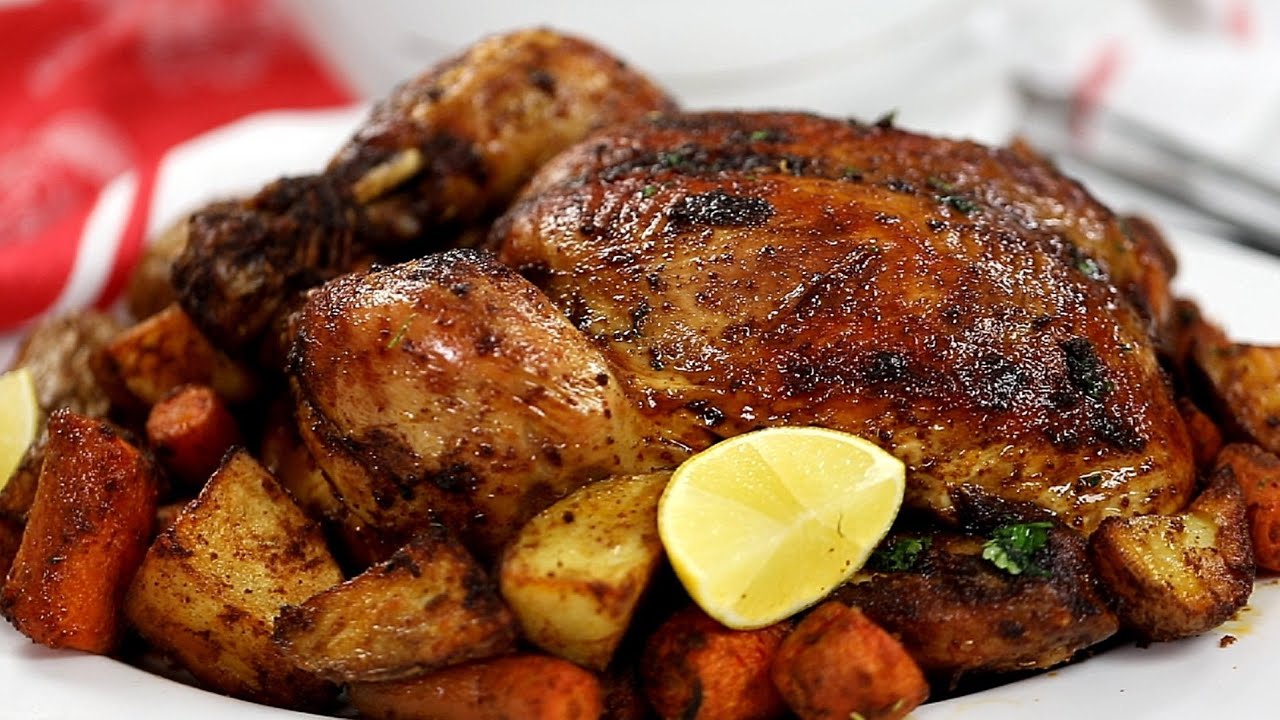
Roasted Whole Chicken Recipe: There’s nothing quite as comforting as the aroma of a roasted whole chicken filling your kitchen. This dish has been loved for generations, not only because it’s delicious but also because it brings families together around the dinner table. The beauty of roasting a whole chicken lies in its simplicity—you only need a few ingredients, some patience, and the right technique to transform an ordinary bird into a golden, juicy masterpiece. Whether you’re preparing it for a weekend family meal or a festive dinner, roasted chicken is always a winner.
The recipe we’re about to explore is straightforward, beginner-friendly, and guarantees mouthwatering results. From choosing your ingredients to the final serving, this guide will walk you through every detail so you can roast a chicken with confidence.
Why Roast a Whole Chicken at Home?
Roasting a whole chicken at home is one of the most rewarding kitchen experiences. Instead of buying pre-cooked rotisserie chicken from the store, you control the seasoning, the freshness, and the cooking process. When you make it yourself, you know exactly what goes into your food—no extra preservatives or unnecessary additives.
Additionally, a whole roasted chicken is budget-friendly. Buying a whole bird often costs less than purchasing chicken parts separately, and it yields plenty of meat that can be used for multiple meals. Imagine having roast chicken for dinner, sandwiches the next day, and soup or salad toppings with the leftovers—it’s both economical and practical.
Another reason people love homemade roast chicken is the opportunity to personalize flavors. You can keep it classic with just salt, pepper, and herbs, or go bold with spices like paprika, garlic butter, or lemon zest. Each variation gives the chicken a unique twist while keeping the essence of the dish intact.
Benefits of Homemade Roasted Chicken
Homemade roasted chicken isn’t just about taste; it’s also about health and nutrition. Unlike fried chicken, roasting uses less oil, making it a healthier cooking method that still delivers incredible flavor. Chicken is naturally high in protein, low in fat, and packed with essential nutrients like vitamin B6, phosphorus, and selenium, all of which support overall well-being.
Another benefit is versatility. The same roasted chicken can be served with mashed potatoes for a classic comfort meal, shredded into tacos for a Mexican twist, or tossed into pasta for a hearty dinner. You’ll find countless ways to use it without ever feeling bored.
Lastly, let’s not forget the emotional connection. For many families, roast chicken is a tradition. It’s a dish that brings people together, creates warm memories, and symbolizes home-cooked love. That’s why learning how to roast chicken perfectly is a skill worth mastering.
Ingredients You’ll Need
Essential Ingredients for Classic Flavor
When it comes to roasted chicken, the ingredient list is surprisingly simple. Here’s what you’ll need for a classic recipe:
- Whole Chicken (about 3–4 lbs) – fresh or thawed if frozen
- Olive Oil or Butter – for coating the skin to achieve crispiness
- Salt and Black Pepper – the foundation of flavor
- Garlic (4–5 cloves, minced or crushed) – for depth and aroma
- Fresh Herbs (rosemary, thyme, or parsley) – classic herbs that complement chicken perfectly
- Lemon (sliced in half) – adds brightness and a subtle tang
These ingredients create a well-balanced flavor profile. The salt enhances taste, the herbs add freshness, and the lemon introduces a hint of citrus that cuts through the richness of the meat.
Optional Ingredients for Extra Taste
If you want to experiment, here are a few optional ingredients you can use:
- Paprika – for a smoky and slightly sweet flavor
- Onion Powder – enhances savory depth
- Chili Flakes – for a spicy kick
- Honey or Maple Syrup – adds a touch of sweetness and helps caramelize the skin
- Vegetables (carrots, onions, potatoes, celery) – to roast alongside the chicken, creating a complete meal in one pan
Tools and Equipment Required
To roast a chicken successfully, you don’t need fancy tools. Just make sure you have:
- A roasting pan or baking tray
- Kitchen twine (for trussing the chicken)
- A meat thermometer (to ensure the chicken is fully cooked)
- A sharp knife (for carving)
- Cutting board
With these basics, you’re ready to create an amazing roast chicken at home.
Preparing the Whole Chicken
How to Clean and Pat Dry the Chicken
Proper preparation makes a huge difference in the final result. First, rinse the chicken under cold water and remove any giblets from the cavity (these can be saved for making stock). After washing, pat the chicken dry thoroughly using paper towels. This step is crucial because excess moisture prevents the skin from crisping during roasting.
Dry skin equals crispy skin, and that’s exactly what we want in a perfect roasted chicken. Don’t rush this part—make sure you get into every fold, especially under the wings and around the legs.
Seasoning the Chicken Perfectly
Seasoning is where the magic begins. Generously rub the chicken with olive oil or softened butter, covering the entire surface. Then, sprinkle salt and pepper evenly both on the skin and inside the cavity. Insert garlic cloves and herbs inside the cavity along with half a lemon. This infuses the meat with flavor from the inside out.
For extra flavor, you can loosen the skin gently with your fingers and rub seasoning or butter directly under it. This trick makes the meat more flavorful and keeps it juicy.
Marinating vs. Dry Rub – Which is Better?
This is a common question. Should you marinate your chicken overnight or simply use a dry rub before roasting? Both methods work, but they produce slightly different results.
- Marinating: Infuses deeper flavors into the meat but requires more time (at least 4–12 hours).
- Dry Rub: Quicker and creates a stronger crust of seasoning on the outside of the chicken.
If you have time, marinating is great. But if you’re cooking on the same day, a dry rub is more than enough to achieve delicious results.
Step-by-Step Guide to Roasting Whole Chicken
Step 1 – Preheating the Oven
The first step in roasting is preheating your oven. Set it to 425°F (220°C). A hot oven is essential for getting crispy, golden skin while keeping the inside juicy. Preheating also ensures even cooking, so don’t skip this step or place the chicken in a cold oven.
While the oven heats up, you can finish preparing your chicken. This timing works perfectly and saves you from waiting idly.
Step 2 – Prepping the Baking Tray
Once your oven is preheating, it’s time to prepare the baking tray. You don’t need anything complicated—a simple roasting pan or even a sturdy baking tray works perfectly. To prevent sticking, lightly coat the pan with a bit of oil or line it with parchment paper.
For added flavor, many people roast their chicken on a bed of vegetables. This not only keeps the chicken elevated for more even cooking but also creates a delicious side dish at the same time. Carrots, potatoes, onions, and celery are excellent choices. As the chicken roasts, its juices drip down, flavoring the vegetables beautifully.
Another option is to use a roasting rack. Placing the chicken on a rack allows hot air to circulate around the bird, ensuring the bottom doesn’t get soggy. This step is optional but recommended if you want a truly restaurant-style roast chicken.
Step 3 – Stuffing and Trussing the Chicken
Stuffing adds flavor, aroma, and moisture to your roast chicken. The simplest stuffing is a halved lemon, a few garlic cloves, and some fresh herbs like rosemary or thyme. This combination infuses the meat with freshness and fragrance without overpowering the natural flavor of the chicken.
If you prefer a more filling stuffing, you can add chopped onions, celery, or even a bread-based mixture. Just remember not to overstuff—the heat needs to circulate inside the chicken cavity to ensure even cooking.
Once stuffed, trussing comes into play. Trussing means tying the legs together with kitchen twine and tucking the wings under the body. Why is this important? Because it helps the chicken cook evenly and prevents the wings from burning. A neatly trussed chicken also looks more elegant when served at the table.
Step 4 – Roasting and Monitoring Temperature
Now comes the exciting part—roasting! Place the chicken in your prepared tray or rack, breast side up. Slide it into the preheated oven and let it roast at 425°F (220°C) for 20 minutes. This initial high heat ensures the skin starts to crisp beautifully.
After 20 minutes, reduce the oven temperature to 375°F (190°C) and continue roasting. The general rule is to roast for about 20 minutes per pound (450g). For example, a 4-pound chicken would need roughly 1 hour and 20 minutes after the initial 20-minute high-heat stage.
But time isn’t the only factor—you should always check the internal temperature with a meat thermometer. Insert it into the thickest part of the thigh (without touching the bone). A fully cooked chicken should reach 165°F (74°C). If you don’t have a thermometer, pierce the thigh with a knife; the juices should run clear, not pink.
For extra flavor, you can baste the chicken every 30 minutes. This means spooning the pan juices over the bird, which keeps the meat moist and enhances the flavor of the skin.
Step 5 – Resting the Chicken Before Serving
One of the most overlooked steps in roasting chicken is letting it rest after cooking. Once your chicken is perfectly golden and juicy, resist the temptation to carve it immediately. Instead, remove it from the oven, tent it loosely with aluminum foil, and let it rest for at least 15–20 minutes.
Why is this important? Because when the chicken rests, the juices redistribute throughout the meat. If you cut into it too soon, those flavorful juices will run out, leaving your chicken dry. Resting ensures every bite is tender, moist, and packed with flavor.
After resting, place your chicken on a cutting board and carve it carefully. Start by removing the legs and thighs, then slice the breast meat. Arrange the pieces on a platter and serve with the roasted vegetables or your favorite sides.
Tips for the Perfect Roast Chicken
How to Achieve Crispy Skin
Crispy skin is what makes roasted chicken irresistible. Here are some tricks to get it just right:
- Pat Dry Thoroughly: Moisture is the enemy of crispiness. The drier the skin before cooking, the better it will crisp.
- Use High Heat at the Start: That initial blast of heat at 425°F makes all the difference.
- Coat with Oil or Butter: This helps the skin brown evenly and adds flavor.
- Avoid Covering with Foil While Cooking: Foil traps steam, which softens the skin.
Ensuring Juicy and Tender Meat
While crispy skin is important, juicy meat is the heart of a great roast chicken. To achieve this:
- Don’t Overcook: Use a thermometer for accuracy.
- Let It Rest: Never skip the resting period—it locks in juices.
- Baste Occasionally: Keeps the meat moist and flavorful.
- Stuff with Moist Ingredients: Lemon, garlic, and onions add aroma and keep the meat tender.
Common Mistakes to Avoid
Even experienced cooks make mistakes when roasting chicken. Here’s what to watch out for:
- Skipping the Pat Dry Step: Results in soggy skin.
- Overstuffing the Cavity: Prevents even cooking.
- Carving Too Soon: Causes juices to escape.
- Using Too Little Seasoning: A whole bird needs generous seasoning for balanced flavor.
By following these tips, your roast chicken will turn out flavorful, juicy, and crispy every single time.
Side Dishes to Serve with Roasted Chicken
A roasted whole chicken is a masterpiece on its own, but pairing it with the right side dishes elevates the entire meal. Whether you’re aiming for a hearty family dinner or a light and refreshing plate, there are countless options to choose from. Let’s explore some of the best pairings.
Classic Pairings (Mashed Potatoes, Vegetables)
When you think of roast chicken, chances are mashed potatoes come to mind. Creamy, buttery mashed potatoes are a traditional favorite because they balance the savory, crispy chicken with a rich, smooth texture. Add a drizzle of chicken pan juices or homemade gravy, and you’ve got comfort food at its finest.
Alongside potatoes, roasted vegetables are a no-brainer. Carrots, parsnips, and Brussels sprouts caramelize beautifully in the oven, complementing the flavors of the chicken. You can even roast them in the same pan, allowing the chicken drippings to coat the vegetables, creating an unbeatable depth of flavor.
Light and Healthy Options (Salads, Steamed Veggies)
For those who want something lighter, salads are a refreshing choice. A crisp green salad with cucumbers, cherry tomatoes, and a zesty lemon vinaigrette balances the richness of the chicken. Another great option is a quinoa or couscous salad, packed with herbs, nuts, and dried fruits, which adds both texture and nutrition.
Steamed vegetables like broccoli, asparagus, or green beans also pair wonderfully with roast chicken. They provide freshness and a pop of color, making your meal both vibrant and nutritious.
Sauces and Gravies that Complement Roast Chicken
No roast chicken dinner is complete without a good sauce. A simple chicken gravy made from pan drippings enhances the flavors while keeping the meat moist. If you prefer something tangy, a homemade cranberry sauce or a Dijon mustard sauce pairs beautifully.
For a Mediterranean touch, try a garlic yogurt sauce or tzatziki. And if you’re looking for bold flavors, chimichurri or a spicy peri-peri sauce can completely transform the dish into something unique and exciting.
Storage and Reheating Leftovers
One of the best things about roasting a whole chicken is the leftovers. Proper storage and reheating can give you multiple delicious meals without compromising flavor.
How to Store Roasted Chicken Properly
After your meal, let the chicken cool to room temperature before storing it. Place leftovers in an airtight container or wrap them tightly with foil. Store in the refrigerator for up to 3–4 days. If you want to keep it longer, you can freeze cooked chicken for up to 3 months. Just be sure to remove the meat from the bones before freezing—it makes reheating easier later.
Best Ways to Reheat Without Drying Out
Chicken can dry out quickly when reheated, so the method matters:
- Oven Method: Preheat to 350°F (175°C). Cover the chicken with foil and heat for about 20 minutes. This keeps it moist.
- Stovetop Method: Reheat shredded chicken in a skillet with a splash of broth or water. Cover and heat gently.
- Microwave Method: Works in a pinch, but add a damp paper towel over the chicken to prevent dryness.
Creative Recipes Using Leftover Roast Chicken
Leftover roast chicken is a cook’s dream—it can be transformed into so many dishes! Here are a few ideas:
- Chicken Salad Sandwiches: Mix shredded chicken with mayo, celery, and herbs.
- Chicken Soup: Use the carcass for broth and add leftover meat for a hearty soup.
- Chicken Tacos or Wraps: Quick, flavorful, and easy.
- Chicken Pasta Bake: Toss with pasta, cheese, and a creamy sauce.
- Chicken Fried Rice: A perfect way to use both chicken and leftover rice.
With these ideas, you’ll never get bored of eating roast chicken again.
Nutritional Value of Roasted Whole Chicken
Roasted chicken is not just tasty—it’s also a powerhouse of nutrition. When cooked properly, it provides a balance of protein, healthy fats, and essential vitamins.
Calories and Macronutrients
A 3.5-ounce (100g) serving of roasted chicken breast contains:
- Calories: Around 165
- Protein: 31g
- Fat: 3.6g
- Carbs: 0g
Dark meat (like thighs and drumsticks) contains slightly more fat but also provides a richer flavor. Both cuts are excellent sources of lean protein, which is essential for muscle repair and overall health.
Vitamins and Minerals in Chicken
Roast chicken is packed with nutrients that support the body:
- Vitamin B6: Helps with metabolism and brain health.
- Niacin (B3): Boosts energy production.
- Phosphorus: Strengthens bones and teeth.
- Selenium: Supports immune function and thyroid health.
- Iron: Found in dark meat, helps with red blood cell production.
Healthy Eating Tips with Roast Chicken
While roasted chicken is healthy, how you prepare it makes a big difference. Here are some tips:
- Opt for herbs and spices instead of heavy marinades full of sugar.
- Remove the skin if you want to cut down on calories and fat.
- Pair it with whole grains and vegetables for a balanced meal.
- Use leftover chicken in soups and salads to create lighter meals.
By being mindful, you can enjoy roasted chicken often without straying from a healthy diet.
FAQs about Roasted Whole Chicken Recipe
Can I Roast a Chicken Without Stuffing It?
Yes! Stuffing is optional. If you choose not to stuff, simply season the cavity with herbs and garlic. This helps flavor the meat while keeping the process quicker and easier.
How Long Should I Roast a 3 lb Chicken?
The general rule is 20 minutes per pound at 375°F (190°C) after the initial 20 minutes at high heat. So, a 3-pound chicken should take about 1 hour and 20 minutes total. Always check with a meat thermometer to be sure.
Should I Cover the Chicken While Roasting?
No, roasting uncovered gives you crispy skin. However, if the chicken browns too quickly, you can tent it with foil during the last 20–30 minutes to prevent burning.
Can I Use Frozen Chicken for Roasting?
It’s best to fully thaw the chicken before roasting. Roasting from frozen leads to uneven cooking and risks undercooked meat in the center.
What’s the Best Way to Carve a Roasted Chicken?
Start by removing the legs, then the wings, followed by slicing the breast meat against the grain. Use a sharp knife for clean cuts.
Conclusion
Roasting a whole chicken at home may seem intimidating at first, but with the right steps, it becomes one of the easiest and most rewarding meals you can make. From selecting fresh ingredients and seasoning generously to roasting at the perfect temperature and letting it rest before carving, every detail contributes to a juicy, flavorful result.
This recipe is versatile, budget-friendly, and always a crowd-pleaser. Plus, the leftovers open the door to countless other meals, making it a truly smart choice for home cooks.
So next time you’re looking for a comforting, hearty dish that fills your home with incredible aroma—roast a whole chicken. You’ll not only enjoy a delicious dinner but also create lasting memories around the table.