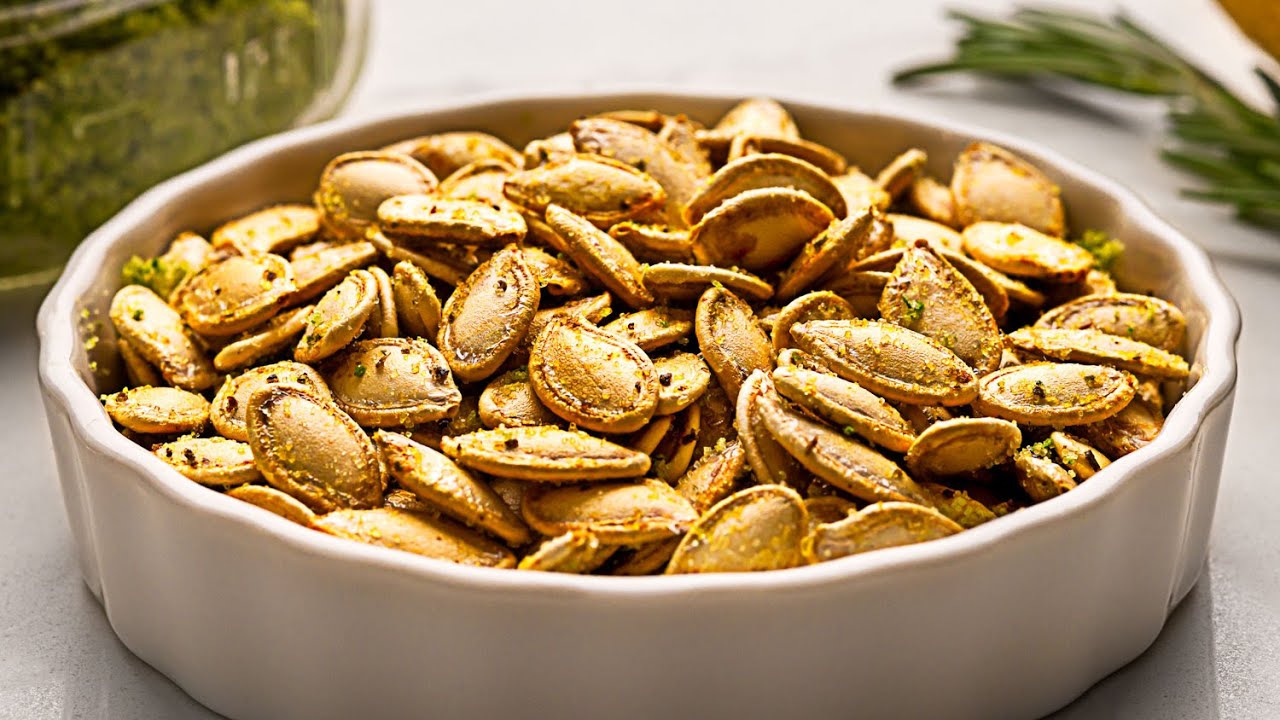
Roasted Pumpkin Seed Recipe: Pumpkin seeds, also known as pepitas, are more than just a seasonal snack you find after carving pumpkins for Halloween. They’re crunchy, nutritious, and packed with flavor when roasted the right way. Unlike store-bought versions that can be overly salty or stale, homemade roasted pumpkin seeds give you the freedom to season them just how you like. Plus, it’s a great way to use every part of the pumpkin without wasting anything.
Not only do they taste delicious, but roasted pumpkin seeds also come loaded with health benefits. They’re rich in magnesium, zinc, protein, and antioxidants, making them a powerful little snack that supports heart health, better sleep, and even boosts your immune system. Think of them as nature’s perfect crunchy treat—small, but mighty in nutrients.
When roasted correctly, pumpkin seeds become a versatile snack you can enjoy on their own, sprinkle over salads, or even use as a topping for soups and baked goods. Whether you want a savory, spicy kick or a sweet, candy-like crunch, pumpkin seeds adapt beautifully to almost any flavor profile. In this guide, I’ll walk you through everything you need to know—from preparing raw seeds to creating flavor variations that will keep you snacking happily all season long.
Ingredients You’ll Need
Before diving into the roasting process, let’s gather everything you’ll need. One of the best things about roasted pumpkin seeds is that they don’t require complicated ingredients—just a few kitchen staples and, of course, fresh pumpkin seeds.
Basic Ingredients
- Raw pumpkin seeds – Freshly scooped from a pumpkin or store-bought raw seeds
- Olive oil or melted butter – For coating and crisping
- Salt – The essential seasoning for classic roasted seeds
Optional Flavor Enhancers
If you want to get creative, here are some extra seasonings to try:
- Garlic powder, onion powder, smoked paprika (for savory seeds)
- Cinnamon, nutmeg, brown sugar (for sweet seeds)
- Cayenne pepper, chili powder, cumin (for spicy seeds)
- Parmesan cheese, rosemary, or dill (for gourmet-style seeds)
Choosing Fresh Pumpkin Seeds
If you’re scooping seeds directly from a pumpkin, look for medium-to-large pumpkins since they generally have more plump seeds. Smaller pie pumpkins can also work, but they tend to have fewer seeds. Always make sure to rinse off any pumpkin flesh because that can burn easily in the oven.
The best part is, once you’ve got your seeds, you can season them however you like—classic, sweet, or bold and spicy. With just a handful of ingredients, you’ll be on your way to the perfect batch of roasted pumpkin seeds.
Step-by-Step Guide to Making Roasted Pumpkin Seeds
Step 1: Scoop and Clean the Seeds
Start by cutting open your pumpkin and scooping out the seeds. You’ll notice they come attached to stringy pulp—don’t worry, that’s normal. Place the seeds in a large bowl of water. The seeds will float to the top while the pulp sinks, making it easier to separate them. Take a few minutes to clean them thoroughly since leftover pumpkin bits can affect the texture and flavor when roasted.
Step 2: Rinse and Dry Properly
After separating the seeds, rinse them under cold running water using a strainer. Spread them out on a clean kitchen towel or paper towels and pat them dry. Here’s a little trick: the drier the seeds, the crunchier they’ll get in the oven. If you have time, let them air-dry for a couple of hours before seasoning.
Step 3: Season the Pumpkin Seeds
In a bowl, toss the seeds with olive oil or melted butter until they’re evenly coated. Add salt and any extra seasoning you prefer. Don’t be afraid to experiment—this is where you can play with flavors and make the recipe your own. Make sure each seed is lightly coated so they roast evenly.
Step 4: Spread on Baking Sheet
Line a baking sheet with parchment paper and spread the seeds in a single layer. Overcrowding will prevent them from getting that perfect crunch, so make sure they’re spaced out nicely.
Step 5: Roast to Perfection
Preheat your oven to 300°F (150°C) and roast the seeds for about 35–45 minutes, stirring every 10 minutes to ensure even cooking. Keep an eye on them towards the end—pumpkin seeds can go from golden brown to burnt quickly. When they’re lightly toasted and crunchy, take them out and let them cool before snacking.
Flavor Variations for Roasted Pumpkin Seeds
The beauty of roasted pumpkin seeds is how easily they take on different flavors. If you’re bored of the classic salted version, here are some ideas to spice things up:
- Savory Options: Garlic-parmesan, chili-lime, smoked paprika, rosemary & sea salt.
- Sweet Options: Cinnamon sugar, maple glaze, vanilla-honey drizzle.
- Spicy Options: Cajun blend, buffalo seasoning, chipotle chili.
You can even divide your batch into smaller portions and make several flavors at once. That way, you’ll always have a snack to suit your mood—whether you’re craving something salty, sweet, or fiery hot.
Tips for Perfect Roasted Pumpkin Seeds
Even though roasted pumpkin seeds are simple to make, a few small details can make or break your batch.
- Drying is key: Seeds that are too wet won’t crisp up properly.
- Roast low and slow: A lower oven temperature gives you crunch without burning.
- Stir often: Turning them every 10 minutes helps with even browning.
- Cool completely: Seeds continue to crisp up as they cool, so don’t rush it.
- Store smart: Keep them in an airtight container at room temperature for a week, or refrigerate for longer freshness.
With these tips, you’ll always end up with perfectly crunchy, flavorful pumpkin seeds that beat anything from the store.
Health Benefits of Pumpkin Seeds
Pumpkin seeds may be small, but they pack a serious nutritional punch. They’re often referred to as a “superfood” because they contain a wide range of vitamins, minerals, and antioxidants that contribute to overall wellness. Eating them regularly can improve heart health, boost your immune system, and even help regulate sleep.
One of the standout nutrients in pumpkin seeds is magnesium, which is essential for healthy bones, balanced blood pressure, and muscle function. They’re also a rich source of zinc, known for strengthening the immune system and promoting healthier skin. The high levels of antioxidants fight against inflammation, while omega-3 and omega-6 fatty acids support heart health.
Beyond physical health, pumpkin seeds also promote better mental well-being. The seeds are rich in tryptophan, an amino acid that helps the body produce serotonin—a hormone that improves mood and sleep quality. Eating a handful of roasted pumpkin seeds before bed might just be a natural way to get a good night’s rest.
In short, these crunchy little seeds are more than just a snack—they’re a nutritional powerhouse that supports your body from head to toe. Pair them with a healthy diet, and you’ll notice the difference in both energy and wellness.
How to Store Roasted Pumpkin Seeds
Once you’ve gone through the effort of roasting your seeds to perfection, you’ll want to keep them fresh for as long as possible. Proper storage ensures they maintain that crunchy texture and delicious flavor without going stale.
- Room Temperature Storage: Keep your roasted pumpkin seeds in an airtight container or glass jar. Stored properly, they’ll last for about 1–2 weeks at room temperature.
- Refrigerator Storage: For longer freshness, refrigerate them in a sealed container. This can extend their life to around 4–6 weeks.
- Freezer Storage: Yes, you can freeze roasted pumpkin seeds! Place them in a freezer-safe bag, remove as much air as possible, and they’ll stay good for several months. Just let them come to room temperature before eating.
A pro tip is to store them in small snack-sized containers or resealable bags, making it easy to grab a handful whenever cravings strike. Keeping air and moisture away is the key to avoiding soggy or bland seeds.
Common Mistakes to Avoid When Roasting Pumpkin Seeds
Roasting pumpkin seeds sounds simple, but many people make small mistakes that lead to soggy, burnt, or flavorless snacks. Let’s cover the most common pitfalls and how you can avoid them.
- Not Drying the Seeds Properly – If seeds are still damp when you roast them, they’ll steam instead of crisping up. Always take time to dry them thoroughly.
- Using Too Much Oil – A light coating of oil is all you need. Too much can make the seeds greasy rather than crunchy.
- Overcrowding the Pan – Seeds need space to roast evenly. If they overlap too much, they’ll roast unevenly and some may remain chewy.
- Cooking at Too High a Temperature – While it might seem faster, high heat often leads to burnt seeds. Stick to a lower temperature for even roasting.
- Not Stirring Enough – Seeds need to be moved around every 10 minutes for even browning. Otherwise, you’ll end up with some burnt and some undercooked.
Avoiding these mistakes will make your roasted pumpkin seeds consistently delicious every time you make them.
Creative Ways to Use Roasted Pumpkin Seeds
Sure, roasted pumpkin seeds make a fantastic snack on their own, but why stop there? With their nutty crunch and versatility, they can be incorporated into all kinds of dishes. Here are some ideas to inspire you:
- Salad Toppings: Sprinkle them over leafy green salads for added crunch.
- Soup Garnish: Add them to creamy soups like butternut squash or tomato soup for a nutty twist.
- Granola Mix: Combine with oats, dried fruit, and honey for a healthy homemade granola.
- Trail Mix: Mix with dried cranberries, almonds, cashews, and dark chocolate chips for a tasty energy-boosting snack.
- Baked Goods: Toss them into bread, muffins, or cookies for extra texture.
- Smoothie Bowls: Use them as a topping on acai or fruit smoothie bowls.
With a little creativity, roasted pumpkin seeds can transform from a simple snack to a gourmet addition to many dishes.
Nutritional Information of Roasted Pumpkin Seeds
Here’s a quick look at the nutritional breakdown of roasted pumpkin seeds (per 1 oz/28g serving):
| Nutrient | Amount |
|---|---|
| Calories | ~150 |
| Protein | 7 g |
| Fat | 13 g |
| Carbohydrates | 5 g |
| Fiber | 2 g |
| Magnesium | 37% of Daily Value |
| Zinc | 14% of Daily Value |
| Iron | 23% of Daily Value |
These numbers may vary slightly depending on whether you use oil, butter, or extra seasonings, but overall, pumpkin seeds are a nutrient-dense food that offers both health benefits and energy.
Pairing Roasted Pumpkin Seeds with Other Snacks
Roasted pumpkin seeds are delicious on their own, but they can also shine when paired with other snacks. If you’re putting together a snack platter or just looking for ways to elevate your everyday munching, these seeds fit right in.
One great pairing option is dried fruit. The sweet chewiness of raisins, cranberries, or apricots contrasts beautifully with the crunchy, salty bite of roasted pumpkin seeds. Another pairing idea is cheese—especially sharp cheddar, feta, or parmesan—which balances the nutty flavor of the seeds. If you’re hosting a gathering, try including pumpkin seeds in a charcuterie board alongside meats, cheeses, olives, and crackers.
For a lighter option, combine pumpkin seeds with fresh fruit like apple slices, grapes, or pear wedges. The crisp juiciness of fruit pairs wonderfully with the toasted crunch of seeds. And of course, let’s not forget beverages—pumpkin seeds make the perfect companion to craft beers, sparkling water, or even a glass of red wine.
Pairing snacks isn’t just about taste—it’s about balance. Roasted pumpkin seeds add crunch, nutrition, and texture to almost anything, making them a versatile addition to your snacking routine.
Why Homemade Roasted Pumpkin Seeds Are Better Than Store-Bought
While store-bought pumpkin seeds may be convenient, they can’t compete with the freshness and flavor of homemade versions. Pre-packaged seeds are often loaded with preservatives, excess salt, and oils that reduce their nutritional value. On top of that, many store-bought varieties lose their crunch because they’ve been sitting on shelves for months before reaching your pantry.
Homemade roasted pumpkin seeds, on the other hand, are fresher, healthier, and completely customizable. You control the level of salt, the amount of oil, and the type of seasoning, which means you can make them exactly how you like—whether that’s spicy, savory, or sweet. Plus, making them at home gives you the satisfaction of using every part of the pumpkin, reducing food waste.
Another benefit is cost. Instead of paying for a small bag of seeds at the store, you can roast seeds from your pumpkins at virtually no extra cost. The result? A delicious, crunchy snack that’s cheaper, fresher, and far healthier than any pre-packaged option.
Fun Variations for Kids
If you have kids, roasted pumpkin seeds are a fun and healthy snack that you can get creative with. Children often love being involved in the kitchen, so letting them help with seasoning is a great way to make snack time exciting.
For a kid-friendly twist, try coating the seeds in a little cinnamon sugar or honey glaze before roasting. These sweet variations make them taste more like a treat while still being nutritious. Another option is to mix pumpkin seeds with a handful of mini chocolate chips or yogurt-covered raisins once they’ve cooled.
You can even turn roasted pumpkin seeds into an edible craft by making trail mix snack bags for lunchboxes. Let the kids choose their favorite add-ins like pretzels, popcorn, or gummy fruit snacks, and toss everything together with roasted seeds. This makes snack time interactive, tasty, and healthier than processed packaged foods.
By involving kids in the process and making the flavors fun, roasted pumpkin seeds become more than just a snack—they become a creative family activity.
Cultural and Traditional Uses of Pumpkin Seeds
Pumpkin seeds have been enjoyed for centuries across different cultures, especially in Latin America where they’re commonly known as pepitas. In Mexican cuisine, pumpkin seeds are often ground into sauces like mole or sprinkled over traditional dishes for added texture and flavor. They’re considered a staple ingredient in many traditional recipes.
In Native American traditions, pumpkin seeds were valued for their nutritional benefits and used as a natural remedy for certain health conditions. They were often roasted or eaten raw as part of daily meals. Even today, they hold cultural significance in various regions around the world.
In Mediterranean and Middle Eastern cuisines, pumpkin seeds are sometimes incorporated into breads, salads, and snacks. Across cultures, the seed is prized not just for its nutritional value but also for its versatility in both sweet and savory dishes.
Learning about how different cultures use pumpkin seeds adds an interesting perspective and might even inspire you to experiment with new recipes and flavors at home.
FAQs about Roasted Pumpkin Seed Recipe
1. Do I need to boil pumpkin seeds before roasting?
Boiling pumpkin seeds in salted water before roasting can make them crispier and more flavorful, but it’s not required. Drying them well before roasting is the most important step.
2. How long do roasted pumpkin seeds last?
When stored in an airtight container, roasted pumpkin seeds last about 1–2 weeks at room temperature, up to 6 weeks in the fridge, and several months in the freezer.
3. Can I roast pumpkin seeds in an air fryer?
Yes! Roast them at 300°F (150°C) for 10–15 minutes, shaking the basket halfway through for even cooking.
4. Are pumpkin seeds safe for kids?
Yes, pumpkin seeds are a nutritious snack for kids, but for younger children, it’s best to serve them ground or in trail mix to avoid choking hazards.
5. Can I roast seeds from any pumpkin variety?
Absolutely. While larger pumpkins yield bigger seeds, even smaller pie pumpkins contain seeds that roast beautifully. The key is to clean and dry them well before seasoning.
Conclusion
Beyond being delicious, they offer powerful health benefits, from supporting heart health to boosting immunity and even improving sleep quality. Their crunchy texture makes them perfect for snacking, adding to recipes, or even sharing as homemade gifts during the holidays.
So, the next time you carve a pumpkin or find raw seeds at the store, don’t toss them aside. Turn them into golden, crunchy, flavorful roasted pumpkin seeds that your whole family will love. Once you try making them at home, you’ll never want to go back to store-bought again.