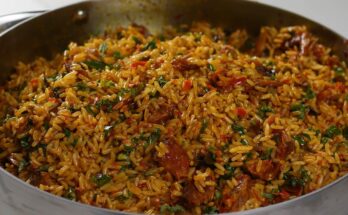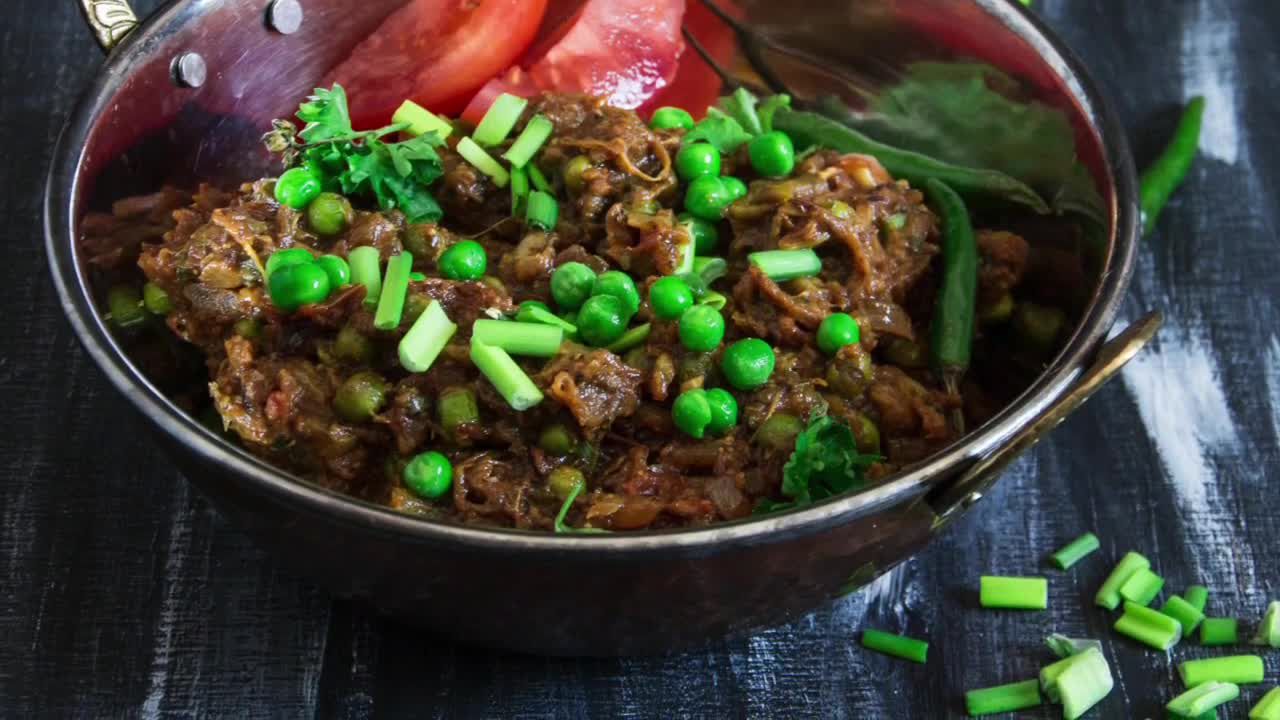
Roasted Brinjal Recipe: Cooking is an art, and when it comes to vegetables, brinjal (also known as eggplant or aubergine) stands out for its versatility. One of the most delicious and simple ways to enjoy brinjal is by roasting it. Roasted brinjal has a smoky, tender texture and a rich, earthy flavor that blends beautifully with spices and herbs. This dish is popular across many cuisines, whether it’s Indian-style roasted brinjal (baingan bharta), Middle Eastern baba ganoush, or Mediterranean roasted slices with olive oil and herbs.
In this guide, you’ll learn everything you need to know about making roasted brinjal at home—from the ingredients to the step-by-step process, tips for perfecting the dish, and even serving ideas. By the end, you’ll be able to prepare a delicious roasted brinjal that will surely impress your family and guests.
Why Brinjal is Loved in Cooking
Brinjal is often called the “king of vegetables” in many Asian households, and for good reason. Its mild flavor and spongy texture allow it to soak up spices and seasonings beautifully. Whether roasted, fried, grilled, or curried, brinjal adapts to almost any cooking method.
When roasted, brinjal develops a unique smoky taste that can’t be achieved through other cooking techniques. The outer skin chars slightly, while the inside turns soft, creamy, and almost buttery. This makes it a perfect base for dips, spreads, or side dishes.
Across different cuisines, roasted brinjal takes on unique identities. For instance:
- In India, it becomes Baingan Bharta, a spiced mash served with roti or rice.
- In the Middle East, it turns into Baba Ganoush, a smoky dip with tahini and lemon juice.
- In Mediterranean cooking, roasted brinjal is often sliced and layered with olive oil, garlic, and herbs.
The versatility and adaptability of roasted brinjal are what make it a beloved dish worldwide.
Health Benefits of Roasted Brinjal
Apart from being delicious, roasted brinjal is a powerhouse of nutrients. If you’re looking for a healthy yet satisfying side dish, this is it.
- Low in Calories – Brinjal is naturally low in calories, making it great for weight management.
- Rich in Fiber – It helps with digestion, prevents constipation, and keeps you fuller for longer.
- Loaded with Antioxidants – The skin of brinjal contains anthocyanins, which fight free radicals and protect your cells.
- Heart-Healthy – Regular consumption may help reduce cholesterol and improve heart health.
- Good Source of Vitamins & Minerals – Roasted brinjal provides Vitamin C, Vitamin K, Vitamin B6, manganese, and potassium.
By roasting instead of frying, you also cut down on excess oil, making the dish much lighter and healthier.
So, when you enjoy roasted brinjal, you’re not only savoring a delicious dish but also giving your body a dose of wholesome nutrition.
Ingredients You’ll Need
Core Ingredients for Roasted Brinjal
To make roasted brinjal, you don’t need a long list of ingredients. The beauty of this recipe is its simplicity. Below is a list of essentials:
- Brinjal (Eggplant/Aubergine): Choose medium or large ones depending on the recipe (whole roasting or slicing).
- Cooking Oil: Olive oil, mustard oil, or vegetable oil, depending on your taste preference.
- Salt: For seasoning.
- Garlic (optional but recommended): Adds depth of flavor.
- Green Chilies (optional): For a spicy kick.
These are the core ingredients. However, the fun part lies in customizing flavors with extra herbs and spices.
Optional Ingredients to Enhance Flavor
If you want to elevate the taste of roasted brinjal, here are some great add-ons:
- Fresh Herbs: Coriander, parsley, or basil for a fresh touch.
- Spices: Cumin, paprika, turmeric, or garam masala for warmth.
- Lemon Juice: To add freshness and balance the smoky flavor.
- Yogurt or Tahini: For creamy dips like baba ganoush.
- Onions and Tomatoes: Perfect if making Indian-style roasted brinjal.
The best part about roasted brinjal is that you can keep it simple with just salt and oil or go all out with spices and herbs. Either way, the result is a flavorful dish that can be enjoyed on its own or as part of a larger meal.
Preparation Before Roasting
Choosing the Right Brinjal
One of the most crucial steps in making roasted brinjal is picking the right brinjal itself. Not every brinjal will give you the perfect roasted result. Here’s what to look for:
- Size and Shape: Medium-sized round brinjals are ideal for roasting whole, while longer varieties are best for slicing.
- Firmness: The brinjal should be firm to the touch, without soft spots.
- Skin: Smooth, shiny, and unwrinkled skin indicates freshness.
- Weight: A good brinjal feels heavy for its size, which means it’s fleshy and not filled with seeds.
Avoid overripe or wrinkled brinjals, as they often taste bitter and don’t roast well.
Cleaning and Slicing the Brinjal Properly
Once you’ve chosen your brinjal, the next step is to clean and cut it properly.
- Wash Thoroughly: Rinse under running water to remove dirt and pesticides.
- Dry: Pat dry with a kitchen towel to avoid excess moisture.
- Cutting Options:
- For whole roasting: Simply prick the skin with a fork or make small slits to prevent bursting.
- For sliced roasting: Cut into thick slices or cubes, depending on how you want to serve it.
Prepping correctly ensures even roasting and enhances the final taste.
Step-by-Step Guide to Roasted Brinjal Recipe
Step 1 – Preparing the Brinjal
The first step in cooking roasted brinjal is preparation. As mentioned earlier, you can roast it whole or in slices. Here’s how:
- Whole Roasting: Wash and dry the brinjal, then make small slits on the surface. This prevents it from bursting during roasting.
- Sliced Roasting: Cut the brinjal into medium-thick slices, as very thin slices may burn quickly. Brush them lightly with oil.
A good prep sets the foundation for delicious roasted brinjal.
Step 2 – Marinating for Better Taste
Marination is optional but highly recommended. A simple marinade of oil, salt, garlic, and spices can transform plain brinjal into a flavor-packed dish.
- Mix oil, salt, garlic paste, chili powder, and cumin powder in a small bowl.
- Rub the mixture evenly over brinjal slices or insert into slits if roasting whole.
- Let it sit for 15–20 minutes.
This step ensures that every bite is flavorful, and the spices infuse well into the soft brinjal flesh.
Step 3 – Roasting Methods (Oven, Pan, Open Flame)
When it comes to roasting brinjal, the cooking method makes a big difference in taste and texture. Let’s explore the three most popular techniques:
1. Oven Roasting (Best for Even Cooking)
- Preheat the oven to 200°C (400°F).
- Place brinjal slices or whole brinjal on a baking tray lined with parchment paper.
- Roast for 25–30 minutes, flipping halfway for even cooking.
- For extra smokiness, turn on the broiler for the last 5 minutes.
Oven roasting gives you perfectly soft brinjal with a golden-brown finish.
2. Pan Roasting (Quick & Easy Method)
- Heat a non-stick or cast-iron pan on medium flame.
- Drizzle a little oil and place brinjal slices in a single layer.
- Roast for 5–7 minutes on each side until golden and tender.
This method is quick, especially for weeknight dinners, though it doesn’t provide the same smoky flavor as open flame.
3. Open Flame Roasting (Traditional & Smoky)
- Place the whole brinjal directly on a gas flame.
- Keep turning with tongs until the skin is charred and the inside feels mushy.
- Let it cool, peel the burnt skin, and mash the flesh.
This is the method used in Baingan Bharta and Baba Ganoush. It gives that unbeatable smoky taste that no oven or pan can replicate.
Step 4 – Final Touches Before Serving
Once the brinjal is roasted, it’s time to add the finishing touches that bring the dish together. Depending on the cuisine, you can prepare it differently:
- Indian Style (Baingan Bharta):
Mash roasted brinjal, then sauté onions, tomatoes, green chilies, garlic, and spices in a little oil. Add the mash, cook for 5 minutes, and garnish with fresh coriander. - Middle Eastern Style (Baba Ganoush):
Blend roasted brinjal with tahini, lemon juice, garlic, and olive oil. Drizzle with olive oil and sprinkle paprika or parsley before serving. - Simple Mediterranean Style:
Toss roasted brinjal slices with olive oil, herbs, and garlic. Serve warm or cold as part of a salad.
The finishing touches make all the difference in turning roasted brinjal into a star dish.
Serving Suggestions
Now that your roasted brinjal is ready, how do you serve it? The beauty of this recipe is that it adapts well to almost any meal.
Pairing Roasted Brinjal with Meals
- With Indian Breads:
Serve Baingan Bharta with roti, paratha, or naan for a comforting, traditional meal. - With Rice:
Pair with plain steamed rice, jeera rice, or even biryani for a wholesome side dish. - As a Dip:
Baba Ganoush makes a great appetizer, served with pita bread, lavash, or even crackers. - In Wraps or Sandwiches:
Spread roasted brinjal mash inside wraps or sandwiches with some cheese and fresh veggies.
Creative Serving Ideas
- Use roasted brinjal as a pizza topping with mozzarella and herbs.
- Add it to pasta sauces for a smoky depth of flavor.
- Mix into a salad bowl with cucumbers, tomatoes, olives, and feta cheese.
- Serve as a side dish with grilled meat or fish.
The serving possibilities are endless—it all depends on your creativity and taste preferences.
Tips and Tricks for the Best Roasted Brinjal
Even though roasted brinjal is a simple dish, a few tricks can elevate it to the next level.
Common Mistakes to Avoid
- Using Overripe Brinjal:
Overripe brinjals tend to have too many seeds, which can make the dish bitter. Always pick fresh, firm brinjals. - Not Roasting Long Enough:
If the brinjal isn’t fully roasted, the flesh will remain hard and unpleasant. Roast until completely soft inside. - Overpowering with Spices:
Remember, roasted brinjal has a natural smoky flavor. Don’t drown it in spices—balance is key. - Peeling Too Early:
Always allow roasted brinjal to cool slightly before peeling. If you peel while hot, the flesh may stick to the skin.
Flavor Variations and Add-ons
- Smoky Flavor Boost: Use the charcoal “dhungar” method—place a hot coal in a small bowl inside the brinjal mash, drizzle oil, and cover for 5 minutes.
- Herbal Touch: Fresh basil, coriander, or parsley adds freshness.
- Creaminess: Add yogurt, cream, or tahini for a rich texture.
- Nutty Crunch: Roasted peanuts, sesame seeds, or pine nuts add interesting texture.
These tips will help you achieve restaurant-quality roasted brinjal at home.
Nutritional Value of Roasted Brinjal
Eating roasted brinjal isn’t just tasty—it’s incredibly healthy too. Here’s a breakdown of what you get per serving (approx. 1 cup of roasted brinjal mash):
Calories and Macronutrients
- Calories: 80–100 kcal (depending on oil used)
- Carbohydrates: 10–12 g
- Protein: 2–3 g
- Fat: 4–5 g (mostly from oil)
- Fiber: 3–4 g
Vitamins and Minerals
- Vitamin C: Boosts immunity
- Vitamin K: Supports bone health
- Vitamin B6: Improves metabolism
- Potassium: Balances blood pressure
- Manganese: Helps in bone development
This makes roasted brinjal a low-calorie, nutrient-rich dish suitable for almost every diet, from weight-loss to heart-healthy eating.
Storage and Reheating Guide
Sometimes, you may end up with leftover roasted brinjal. The good news is that it stores well and tastes just as delicious the next day.
How to Store Leftover Roasted Brinjal
- Refrigerator: Store in an airtight container for up to 2–3 days.
- Freezer: Store mashed brinjal without spices in freezer-safe bags for up to 2 months.
Best Reheating Techniques
- Stovetop: Reheat in a pan with a splash of oil for best flavor.
- Microwave: Quick method, but cover to prevent drying.
- Oven: For dips like Baba Ganoush, reheat at 180°C (350°F) for 10 minutes.
Pro Tip: If frozen, thaw overnight in the fridge before reheating for best results.
FAQs about Roasted Brinjal Recipe
1. Can I roast brinjal without oil?
Yes, you can. Brinjal naturally softens when roasted, so oil isn’t essential. However, brushing lightly with oil prevents drying and enhances flavor. If you’re health-conscious, you can skip or minimize oil.
2. What’s the difference between roasting and grilling brinjal?
Roasting is usually done in an oven, pan, or directly on an open flame, while grilling involves cooking brinjal on a grill rack over charcoal or gas. Both methods give a smoky flavor, but grilling adds distinct char marks and a stronger smoky essence.
3. How do I prevent brinjal from turning soggy?
Brinjal can turn mushy if overcooked or if cut too thin. To avoid this:
- Use medium-thick slices.
- Roast at high heat (200°C / 400°F).
- Avoid overcrowding slices in the pan or oven tray.
4. Can roasted brinjal be frozen?
Yes, roasted brinjal mash can be frozen for up to 2 months. Store in freezer-safe bags, removing excess air. Thaw overnight in the fridge and reheat before serving.
5. Which type of brinjal is best for roasting?
Large, round brinjals with shiny, firm skin are ideal for whole roasting. For sliced roasting, long varieties also work well. Avoid wrinkled or overly seedy brinjals.
Conclusion
Roasted brinjal is one of those dishes that proves simplicity can be incredibly satisfying. With just a handful of ingredients and minimal effort, you can transform an ordinary vegetable into a smoky, flavorful, and versatile dish that pairs well with almost anything. Whether you prepare it the Indian way as Baingan Bharta, blend it into a silky dip like Baba Ganoush, or enjoy it Mediterranean-style with olive oil and herbs, roasted brinjal always delivers comfort and taste.
It’s not just delicious—it’s healthy, budget-friendly, and adaptable to different cuisines. By mastering the roasting techniques and experimenting with spices and herbs, you can create countless variations that suit your palate.
So next time you’re wondering what to cook with brinjal, try roasting it. You’ll discover why this humble vegetable is considered a favorite across kitchens worldwide.