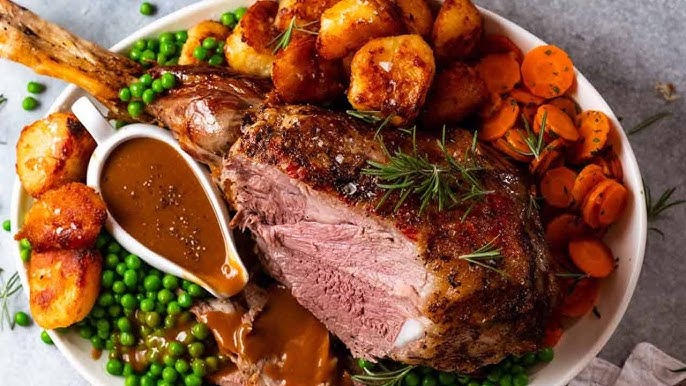
Roast Leg of Lamb Recipe: There’s something magical about the aroma of a perfectly roasted leg of lamb filling your kitchen. This dish is more than just a meal—it’s a centerpiece that brings people together. Whether it’s for Easter, Christmas, a family reunion, or simply a cozy Sunday dinner, roast leg of lamb always makes a statement. Unlike everyday meals, this dish has a way of elevating the dining experience, turning an ordinary table into a festive occasion.
What makes this recipe truly timeless is its versatility. You can prepare it with classic Mediterranean flavors like garlic and rosemary, or give it a modern twist with spices like cumin, coriander, and paprika. No matter how you season it, the rich, tender, and juicy meat always stands out.
In this guide, we’ll break down everything step by step—from selecting the right cut to seasoning, roasting, and carving—so even if you’re new to roasting lamb, you’ll feel confident in the kitchen. Ready to impress your guests with a dish that looks gourmet but is surprisingly simple? Let’s dive in!
Ingredients You’ll Need
When it comes to cooking roast leg of lamb, the quality of your ingredients makes all the difference. Fresh herbs, good-quality olive oil, and a well-selected cut of lamb can transform this recipe from average to unforgettable. Here’s a breakdown of what you’ll need:
Main Ingredients
- 1 whole leg of lamb (5–7 lbs, bone-in preferred for extra flavor)
- 4–6 garlic cloves (sliced thin or crushed)
- Fresh rosemary sprigs (or thyme for variation)
- 2–3 tbsp olive oil (extra virgin for richness)
- 1 lemon (zested and juiced for brightness)
- Salt & black pepper (freshly ground for the best taste)
Optional Additions for Extra Flavor
- Paprika or cumin for a smoky, earthy taste
- Mustard to rub on before roasting for a tangy crust
- Red wine or beef stock to create a rich gravy
- Honey or balsamic vinegar for a touch of sweetness
Choosing the Best Cut of Lamb
The leg is one of the most flavorful cuts, but you’ll find both bone-in and boneless options. A bone-in leg of lamb not only cooks more evenly but also gives you that dramatic presentation when carved at the table. On the other hand, a boneless leg is easier to slice and great for stuffing. Whichever you choose, look for lamb that’s pinkish-red with a fine texture and little marbling—it should never look dull or grayish.
Kitchen Tools & Equipment
Before diving into cooking, make sure you’ve got the right tools on hand. Having the proper equipment doesn’t just make the process smoother; it ensures better results.
Essential Tools
- Roasting pan with rack – Allows the heat to circulate evenly around the lamb
- Sharp chef’s knife – For trimming and carving
- Cutting board – Preferably a sturdy wooden or plastic one
- Meat thermometer – The most important tool for perfect doneness
- Aluminum foil – Helps the lamb rest without losing heat
Optional but Helpful Tools
- Basting brush – To spread olive oil, butter, or marinades
- Kitchen twine – To tie a boneless leg into a compact shape for even roasting
- Mortar and pestle – For crushing herbs and garlic into a paste
- Gravy separator – If you plan to make a sauce with the pan drippings
Having these tools ready means you won’t be scrambling mid-recipe. Trust me, it makes the experience much more enjoyable.
Preparing the Lamb for Roasting
Preparation is where the magic begins. The way you season and treat the lamb before it goes into the oven will determine how flavorful and tender it turns out.
Step 1: Trim the Lamb
Most legs of lamb come with a thick layer of fat. While some fat is essential for flavor, too much can make the meat greasy. Trim away any large, excess fat but leave a thin layer intact—this will melt during roasting and baste the meat naturally.
Step 2: Create Flavor Pockets
Using a sharp knife, make small slits all over the lamb. Insert slivers of garlic and small sprigs of rosemary into each slit. This old-fashioned technique infuses deep flavor into the meat as it cooks.
Step 3: Season Generously
Rub the lamb all over with olive oil, salt, pepper, lemon zest, and your chosen herbs or spices. Don’t be shy here—lamb has a strong flavor that stands up well to bold seasoning.
Step 4: Marinate or Rest
If you have time, let the lamb marinate in the fridge for several hours, or even overnight. If not, allow it to rest at room temperature for 30–45 minutes before roasting. This helps the meat cook evenly.
Step-by-Step Guide to Cooking Roast Leg of Lamb
Now comes the exciting part—cooking your lamb to perfection. Follow these steps, and you’ll end up with a dish that’s tender inside, crispy on the outside, and bursting with flavor.
Step 1: Preheat the Oven
Start by preheating your oven to 400°F (200°C). This high temperature helps create a beautiful crust on the outside.
Step 2: Prepare the Herb Crust
Mix olive oil, minced garlic, chopped rosemary, salt, pepper, and lemon juice into a paste. Rub it generously all over the lamb, ensuring every corner is coated.
Step 3: Roasting Times
Place the lamb on a rack in your roasting pan. Here’s a quick guide for roasting times (per pound):
- Rare (125°F / 51°C): 15 minutes per pound
- Medium Rare (135°F / 57°C): 20 minutes per pound
- Medium (145°F / 63°C): 25 minutes per pound
- Well Done (160°F / 71°C): 30 minutes per pound
Step 4: Monitor & Baste
Check the lamb halfway through cooking. Spoon the juices from the pan over the top or brush with olive oil to keep it moist.
Step 5: Rest & Carve
Once done, remove the lamb from the oven and cover it loosely with foil. Let it rest for at least 15–20 minutes before carving. This allows the juices to redistribute, giving you tender, flavorful slices.
Tips for Perfect Roast Leg of Lamb
Even with a great recipe, the little details can make or break your roast. These tips will help you elevate your lamb from “good” to “absolutely unforgettable.”
Resting the Meat After Roasting
One of the biggest mistakes people make is carving the lamb as soon as it comes out of the oven. Doing this causes all the flavorful juices to spill onto the cutting board instead of staying inside the meat. Always let your lamb rest for at least 15–20 minutes after roasting. Tent it loosely with foil so it stays warm without steaming. This short break allows the juices to redistribute throughout the meat, making every bite moist and tender. Think of it like letting bread cool before slicing—it’s worth the patience.
Carving and Serving the Lamb
Carving lamb can feel intimidating, but with a sharp knife and the right technique, it’s simple. Place the lamb on a sturdy cutting board and hold it steady with a carving fork. If you’re working with a bone-in leg, slice parallel to the bone for neat, tender cuts. For boneless lamb, simply cut against the grain into even slices. Serve on a warm platter and drizzle with pan juices or gravy for that finishing touch. Remember, presentation matters almost as much as taste—serve it like a centerpiece, not just a main course.
Common Mistakes to Avoid
- Overcooking: Lamb dries out quickly, so use a meat thermometer for accuracy.
- Under-seasoning: Lamb’s bold flavor needs robust seasoning; don’t hold back.
- Skipping the fat trim: Too much fat can make it greasy, too little can dry it out—find the balance.
- Carving too early: Always rest before slicing, or you’ll lose precious flavor.
By keeping these simple yet crucial tips in mind, your roast leg of lamb will turn out restaurant-worthy every single time.
Delicious Side Dishes to Pair with Roast Lamb
Roast leg of lamb is a star on its own, but the right side dishes make it shine even brighter. Think of the lamb as the lead actor, and the sides as the supporting cast—together, they create the perfect show.
Classic Potatoes and Vegetables
Potatoes are the ultimate partner for lamb. Roasted baby potatoes with garlic and rosemary echo the flavors of the meat beautifully. Alternatively, creamy mashed potatoes with butter and a touch of cream balance the richness of lamb with smooth comfort. For vegetables, roasted carrots, parsnips, or Brussels sprouts bring color and natural sweetness to the table. Even a simple tray of roasted root veggies tossed in olive oil and thyme pairs perfectly.
Sauces and Gravies
A leg of lamb is never complete without a sauce. Mint sauce is the traditional companion, offering a fresh, slightly tangy contrast to the savory lamb. If you prefer something richer, a red wine reduction or gravy made from pan drippings will elevate the dish to a fine-dining level. Yogurt-based sauces with garlic and herbs can also add a Mediterranean twist.
Fresh Salads and Light Options
Since lamb is hearty, pairing it with something fresh can lighten the meal. A crisp Greek salad with cucumbers, tomatoes, feta, and olives balances out the richness. Or try a simple arugula salad with lemon vinaigrette—it adds a peppery, citrusy bite that cuts through the fat. Even couscous or quinoa with herbs and lemon zest can be a refreshing side.
Pairing lamb with the right accompaniments isn’t just about filling plates—it’s about creating a meal where every bite feels complete.
Variations of Roast Leg of Lamb
One of the joys of roast lamb is its adaptability. Depending on the herbs, spices, and cooking style, you can take this dish around the world without ever leaving your kitchen.
Greek-Style Roast Lamb
Greek cuisine has perfected roast lamb. Marinate the leg with olive oil, garlic, oregano, lemon juice, and rosemary overnight. Roast it slowly and serve with roasted potatoes, tzatziki, and a Greek salad. The result? A dish that tastes like sunshine and Mediterranean breezes.
Mediterranean Herb-Crusted Lamb
For a more herbaceous approach, coat your lamb with a crust of parsley, thyme, oregano, and breadcrumbs mixed with olive oil. The crust turns golden and crunchy, while the inside remains juicy. Pair with ratatouille or couscous for a complete Mediterranean feast.
Spicy Middle Eastern Roast Lamb
If you love bold flavors, this version is for you. Create a spice rub with cumin, coriander, paprika, cinnamon, and a touch of chili powder. Massage it into the lamb before roasting. The result is aromatic, slightly smoky, and packed with flavor. Serve with rice pilaf, flatbreads, and yogurt sauce.
By experimenting with these variations, you can enjoy roast lamb in countless ways, each bringing something unique to the table.
Storage and Reheating Tips
It’s rare to finish an entire leg of lamb in one sitting, which means leftovers are almost guaranteed. The good news? Roast lamb tastes just as delicious the next day—if you store and reheat it properly.
How to Store Leftover Roast Lamb
- In the fridge: Place carved slices in an airtight container, along with some pan juices to keep them moist. They’ll last up to 3–4 days.
- In the freezer: For longer storage, wrap slices tightly in foil, then place them in a freezer bag. Frozen lamb keeps well for 2–3 months.
Best Ways to Reheat Without Drying Out
- Oven method: Place lamb slices in a baking dish, cover with foil, and heat at 300°F (150°C) for 15–20 minutes. Add a splash of broth or gravy to keep it moist.
- Stovetop method: Warm slices in a skillet with a little butter or olive oil over medium heat. This works well for smaller portions.
- Microwave method (last resort): Use low power and cover the lamb with a damp paper towel to prevent drying.
Leftover lamb also makes an excellent filling for sandwiches, wraps, or even a shepherd’s pie. With the right storage, you’ll enjoy your roast well beyond the big dinner.
Nutritional Value of Roast Leg of Lamb
Besides being delicious, lamb is also packed with essential nutrients, making it a wholesome choice when eaten in moderation.
Calories and Protein Content
A 3-ounce serving of roasted leg of lamb provides about 250 calories and a generous 23 grams of protein. Protein is vital for muscle repair and growth, making lamb a hearty and satisfying main dish.
Vitamins and Minerals in Lamb
- Iron: Lamb is rich in heme iron, which is easier for the body to absorb compared to plant-based sources.
- Vitamin B12: Essential for red blood cell formation and nerve function.
- Zinc: Supports immunity and wound healing.
- Selenium: A powerful antioxidant that helps fight cell damage.
While lamb is slightly higher in fat compared to chicken or fish, the fat is mostly monounsaturated and polyunsaturated—the healthier types. Eating it alongside fiber-rich veggies balances out the meal beautifully.
So, when enjoyed as part of a balanced diet, roast leg of lamb isn’t just delicious—it’s also nourishing.
FAQs about Roast Leg of Lamb Recipe
1. How long should I roast a leg of lamb per kilo?
On average, you should roast a leg of lamb for 20–25 minutes per pound (45–55 minutes per kilo) if aiming for medium-rare. Always use a meat thermometer for accuracy. Rare lamb should reach 125°F (51°C), medium-rare around 135°F (57°C), and medium at 145°F (63°C).
2. Should I cover my lamb while roasting?
It depends on the texture you want. If you prefer a crisp, golden crust, roast uncovered. If you’re worried about it drying out, you can cover it loosely with foil for part of the cooking, then uncover it in the last 20 minutes for browning.
3. Can I use boneless leg of lamb instead of bone-in?
Absolutely. A boneless leg of lamb is easier to carve and cooks slightly faster. However, bone-in lamb tends to have more flavor and a dramatic presentation. If you go boneless, tie it with kitchen twine for even cooking.
4. What herbs go best with roast lamb?
Classic pairings include rosemary, thyme, oregano, mint, and garlic. For bolder flavors, you can add cumin, coriander, or smoked paprika. The herbs you choose can transform the dish into Mediterranean, Middle Eastern, or European-inspired.
5. How can I make my roast lamb more tender?
Tender lamb comes down to three things:
- Marinate the lamb overnight with herbs, oil, and citrus.
- Don’t overcook—use a thermometer to avoid dryness.
- Let it rest for 15–20 minutes after roasting to lock in juices.
Conclusion
The beauty of roast lamb lies in its versatility. Whether you go for a classic garlic-and-rosemary flavor, a Greek-style feast, or a Middle Eastern spice blend, there’s a variation for every palate. Pair it with roasted potatoes, fresh salads, and a flavorful gravy, and you have a meal that feels special without being overly complicated.
What makes this guide practical is the step-by-step process that takes away the intimidation factor. With the right preparation, seasoning, and attention to resting and carving, anyone can achieve tender, juicy results. And let’s not forget the leftovers—they make incredible sandwiches, wraps, or even hearty stews the next day.
So, the next time you’re planning a dinner that needs to impress, think of the roast leg of lamb. It’s elegant, rich, and packed with flavor, yet surprisingly easy to make when you follow the right steps. Whether it’s a holiday, a family gathering, or simply a Sunday dinner, this dish will always steal the spotlight.