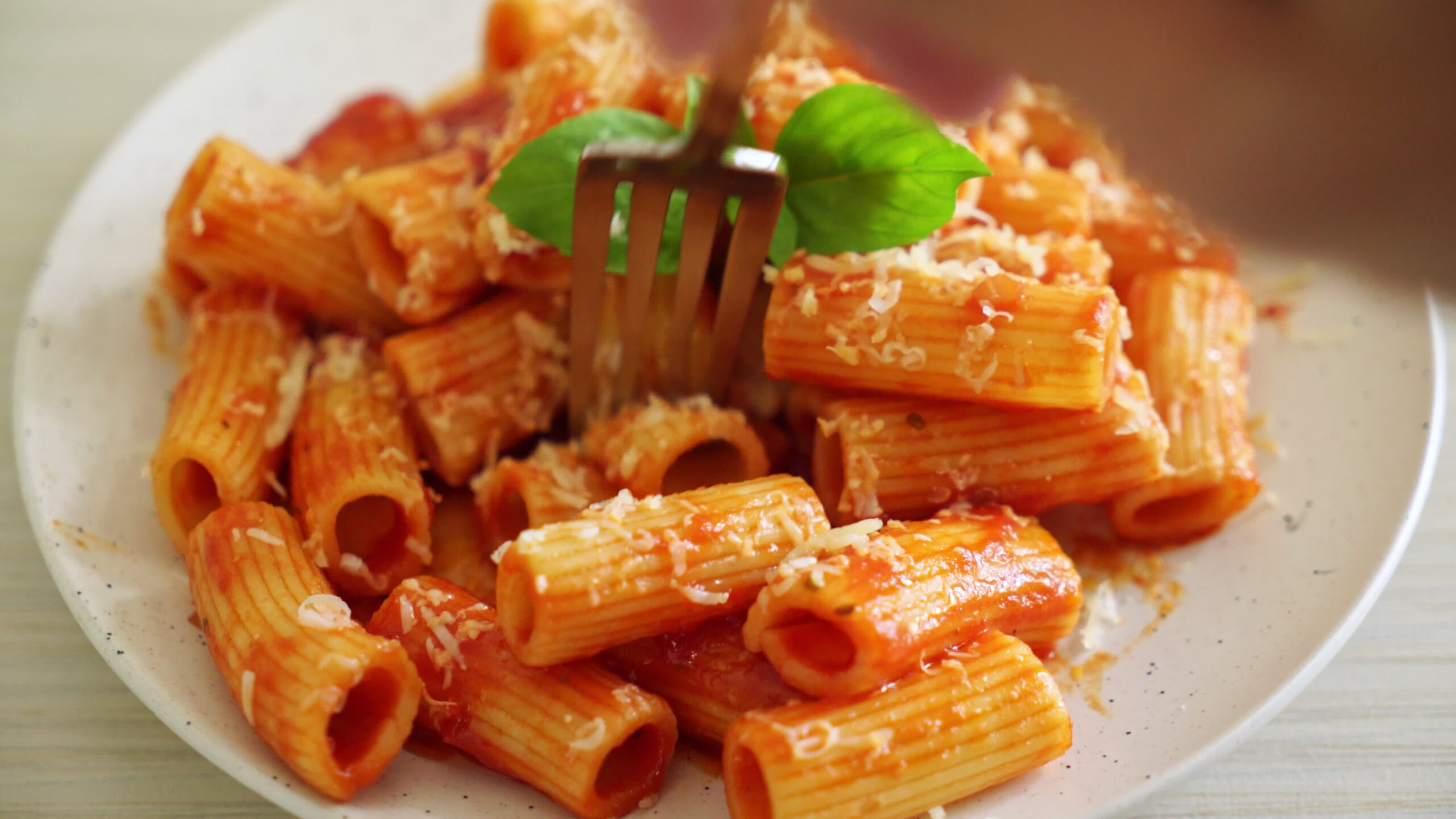
Rigatoni Pasta Recipe: When you think of comfort food, pasta often comes to mind. Among the many pasta varieties, rigatoni stands out as a true favorite in Italian cuisine. Its large, tube-like shape and ridged exterior make it the perfect pasta to hold onto thick, hearty sauces. Unlike spaghetti or penne, rigatoni has a bold texture that makes every bite satisfying and flavorful. The name itself comes from the Italian word rigato, which means “ridged” – and that’s exactly what makes it special.
Rigatoni pasta is incredibly versatile. You’ll find it used in everything from simple tomato-based sauces to creamy alfredo dishes, and even baked pasta casseroles topped with cheese. What’s amazing is that rigatoni doesn’t just sit on your plate; it soaks up the sauce, giving you a burst of flavor with every forkful.
If you’re someone who loves hearty Italian meals that feel like a warm hug in a bowl, this recipe guide is for you. We’ll take you step by step, from gathering your ingredients to serving up a dish that will have your family and guests asking for seconds. Get ready to bring an authentic Italian touch to your kitchen!
Ingredients You’ll Need
Cooking a delicious plate of rigatoni pasta starts with choosing the right ingredients. The beauty of this recipe is that it’s simple yet customizable—you can make it as rich, creamy, or spicy as you like. Let’s start with the basics.
Core Ingredients for Rigatoni Pasta
- Rigatoni pasta (16 oz or 450 g) – the star of the dish
- Olive oil (2 tbsp) – for sautéing
- Garlic (3-4 cloves, minced) – to add aroma and depth
- Onion (1 medium, finely chopped) – forms the flavor base
- Tomato sauce or crushed tomatoes (2 cups) – the heart of the sauce
- Ground beef or Italian sausage (optional, about ½ lb) – for a meaty version
- Parmesan cheese (½ cup, grated) – for finishing
- Salt and pepper – to taste
- Fresh basil or parsley – for garnish
Optional Add-ons and Variations
- Red chili flakes – if you like it spicy
- Cream or ricotta cheese – for a creamy twist
- Mushrooms, zucchini, or spinach – for extra veggies
- Mozzarella cheese – especially if you’re baking the rigatoni
Ingredient Substitutions for Dietary Needs
- Gluten-free rigatoni – available in most stores
- Vegan cheese – for a dairy-free alternative
- Lentils or plant-based meat – to replace ground meat
- Low-sodium tomato sauce – for a healthier version
By customizing your ingredient list, you can make this rigatoni pasta recipe perfect for any dietary preference. Whether you want a hearty meat sauce, a vegetarian dish, or a creamy baked casserole, the flexibility is endless.
Tools and Equipment Required
Before you roll up your sleeves, it’s important to gather the right tools. Cooking pasta doesn’t require fancy gadgets, but having the proper equipment makes the process easier and ensures better results.
Essential Kitchen Tools
- Large pot – for boiling rigatoni pasta
- Colander – to drain the pasta
- Large skillet or saucepan – for preparing the sauce
Cooking Utensils for Perfect Pasta
- Wooden spoon or spatula – for stirring the sauce
- Ladle – to mix and pour sauce evenly
- Tongs or pasta fork – for serving
Recommended Serving Dishes
- Shallow pasta bowls – ideal for holding sauce
- Oven-safe casserole dish – if you plan to bake your rigatoni
- Cheese grater – for fresh Parmesan or mozzarella
With these tools at hand, you’ll cook with confidence and enjoy a smoother, hassle-free kitchen experience.
Step-by-Step Guide to Making Rigatoni Pasta
Cooking rigatoni pasta may look fancy, but it’s actually simple when broken down into steps. Let’s walk through the process together.
Step 1 – Preparing the Ingredients
Start by chopping your onions, mincing the garlic, and gathering your spices. If you’re using ground beef or sausage, have it ready to cook. Freshly grate your Parmesan cheese instead of using pre-packaged—it makes a huge difference.
Step 2 – Cooking the Rigatoni Pasta
Bring a large pot of salted water to a boil. Add rigatoni and cook according to package instructions until al dente (firm to the bite). This usually takes 10–12 minutes. Drain, but don’t rinse—those starches help the sauce cling better.
Step 3 – Making the Sauce
In a skillet, heat olive oil and sauté onion and garlic until fragrant. Add ground meat if using, and cook until browned. Pour in tomato sauce, season with salt, pepper, and herbs. Let it simmer for 10–15 minutes to thicken and deepen in flavor.
Step 4 – Combining Pasta and Sauce
Toss the drained rigatoni directly into the sauce, mixing well so every piece is coated. Add a splash of pasta water if needed to loosen the sauce.
Step 5 – Garnishing and Serving
Top with freshly grated Parmesan, a drizzle of olive oil, and chopped basil. Serve hot with garlic bread or a fresh salad on the side.
Tips for Perfect Rigatoni Pasta
Cooking pasta is simple, but small mistakes can make the difference between “just okay” and restaurant-quality. Here are a few tips:
- Salt the water generously – pasta water should taste like the sea.
- Don’t overcook the pasta – al dente ensures the best texture.
- Save some pasta water – it’s liquid gold for adjusting sauce consistency.
- Use fresh herbs when possible – they add brightness and elevate flavors.
- Let the sauce simmer – patience allows the flavors to meld beautifully.
Follow these tricks, and you’ll turn a simple pasta dish into an unforgettable meal.
Popular Rigatoni Recipe Variations
Rigatoni is a pasta shape that can wear many different “outfits.” Depending on the sauce and add-ins, you can completely transform the dish from a quick weekday dinner to a centerpiece at a holiday feast. Let’s explore some of the most beloved rigatoni variations.
Baked Rigatoni
If you’re a fan of gooey, cheesy pasta dishes, baked rigatoni will win your heart. After tossing cooked rigatoni in a rich tomato or meat sauce, transfer it to a baking dish, layer with mozzarella and Parmesan, then bake until golden and bubbly. The top becomes crispy while the inside remains soft and saucy—perfect comfort food for cold nights or family gatherings.
Creamy Alfredo Rigatoni
Want something luxurious and indulgent? Try rigatoni with a creamy Alfredo sauce. Made with butter, cream, and Parmesan cheese, Alfredo sauce coats the ridges of rigatoni beautifully. Add grilled chicken or shrimp, and you’ll have a restaurant-style meal ready at home.
Vegetarian Rigatoni Delight
Meatless doesn’t mean boring. Rigatoni pairs wonderfully with vegetables like mushrooms, spinach, eggplant, and zucchini. Toss them in olive oil, garlic, and tomato sauce, or go for a creamy spinach and ricotta mixture. This version is lighter but still filling and packed with nutrients.
By playing with different sauces and toppings, rigatoni easily adapts to your taste and mood.
Pairing Rigatoni Pasta with Sides
Every pasta dish shines even brighter when paired with the right sides. Think of them as the perfect supporting cast to your star dish.
Best Appetizers to Serve with Rigatoni
- Garlic bread – crunchy, buttery, and perfect for mopping up sauce
- Bruschetta – toasted bread topped with tomatoes, basil, and olive oil
- Stuffed mushrooms – small, savory bites to start the meal
Perfect Salads and Bread Pairings
- A Caesar salad with crisp romaine and creamy dressing balances rigatoni’s richness
- A Caprese salad with fresh mozzarella, tomato, and basil adds freshness
- Rustic Italian bread or focaccia is ideal for scooping up extra sauce
Beverage Suggestions
- Red wines like Chianti or Cabernet Sauvignon complement tomato-based sauces
- White wines such as Chardonnay or Pinot Grigio pair well with creamy rigatoni
- Sparkling water or lemonade makes a refreshing non-alcoholic option
Pairing your rigatoni with the right sides turns dinner into a complete Italian dining experience.
Storing and Reheating Rigatoni Pasta
Rigatoni pasta is one of those meals that tastes even better the next day. The flavors deepen overnight, making it perfect for leftovers or meal prep.
Best Practices for Refrigeration
Once cooled, transfer rigatoni pasta to an airtight container. It can be stored in the fridge for up to 3–4 days. To prevent it from drying out, drizzle a little olive oil over the pasta before storing.
Freezing Tips
If you want to freeze rigatoni, make sure it’s slightly undercooked (al dente). This way, it won’t turn mushy when reheated. Store in freezer-safe containers for up to 2 months. Baked rigatoni dishes also freeze beautifully—just thaw overnight in the fridge before reheating.
Reheating Without Losing Flavor
- On the stove: Warm pasta in a pan with a splash of water or sauce.
- In the oven: Bake at 350°F (175°C) covered with foil until heated through.
- In the microwave: Heat in short bursts, stirring in between to avoid drying out.
Handled properly, rigatoni pasta can be just as delicious when reheated as when freshly made.
Nutritional Information of Rigatoni Pasta
Rigatoni pasta isn’t just tasty—it can also be part of a balanced diet when paired with the right ingredients.
Calorie Breakdown
A 2-ounce (56g) serving of plain rigatoni pasta typically contains:
- Calories: ~200
- Carbohydrates: 42g
- Protein: 7g
- Fat: 1g
- Fiber: 2g
Macronutrient Profile
Rigatoni is primarily a carbohydrate-rich food, providing energy for your body. Adding lean protein like chicken or plant-based alternatives balances the meal. Incorporating vegetables enhances fiber and nutrient content.
Health Benefits and Considerations
- Whole wheat rigatoni offers higher fiber and keeps you full longer.
- Gluten-free rigatoni allows those with sensitivities to enjoy the dish.
- Pairing with healthy fats like olive oil boosts nutrient absorption.
As with all pasta, portion control is key. Balance your plate with protein and vegetables, and rigatoni pasta can easily fit into a healthy eating lifestyle.
FAQs about Rigatoni Pasta Recipe
Q1: Can I use gluten-free rigatoni for this recipe?
Yes, gluten-free rigatoni works perfectly. Just follow the same cooking instructions, but check the package for exact timing since gluten-free pasta can cook faster.
Q2: How do I stop pasta from sticking together?
Make sure your pot of water is boiling before adding pasta, stir occasionally, and avoid rinsing after draining—this keeps the starch intact for sauce absorption.
Q3: What sauces pair best with rigatoni?
Rigatoni shines with hearty sauces like Bolognese, marinara, Alfredo, and vodka sauce. Its ridges make it ideal for holding thicker sauces.
Q4: Can rigatoni pasta be made ahead of time?
Absolutely. Cook and store pasta separately from sauce if prepping in advance, then combine before serving to maintain texture.
Q5: What’s the difference between rigatoni and penne?
While both are tube-shaped, rigatoni is larger, ridged, and straight-cut, while penne is smaller, smoother, and diagonally cut. Rigatoni holds sauce better.
Conclusion
Rigatoni pasta is more than just another Italian dish—it’s comfort, tradition, and versatility all rolled into one. With its ridged surface and sturdy structure, it holds sauce like no other pasta. Whether you go for a simple tomato-based sauce, a creamy Alfredo version, or a baked casserole, rigatoni is guaranteed to satisfy.
Cooking it at home is simple and rewarding. With just a handful of ingredients and a few easy steps, you can create a dish that feels restaurant-worthy. Pair it with sides, store it for later, or serve it at gatherings—rigatoni pasta never disappoints.
So, next time you’re craving an Italian classic, give this rigatoni pasta recipe a try. Once you taste how rich and hearty it is, it just might become your new go-to pasta dish.