Rice Noodles Recipe: Rice noodles are one of the most versatile and loved foods across Asia and beyond. Made primarily from rice flour and water, these noodles are naturally gluten-free and have a delicate, slightly chewy texture that makes them perfect for soups, stir-fries, and salads. Whether you’ve enjoyed a hot bowl of Vietnamese pho, a plate of Thai pad thai, or a sizzling Malaysian char kway teow, chances are rice noodles were the star of the dish.
So, what makes rice noodles so popular? For one, they’re incredibly easy to cook and absorb flavors beautifully. They act like a blank canvas, ready to take on spices, sauces, and herbs from any cuisine. In addition, rice noodles come in different shapes and sizes—from thin vermicelli to wide flat noodles—each suited for specific recipes.
A fun fact about rice noodles is their history, which dates back thousands of years in Asia. Chinese records from the Qin dynasty mention rice-based pasta-like dishes. Over time, these noodles spread to Southeast Asia, evolving into countless regional specialties. Today, they’re not just popular in Asia but enjoyed globally, thanks to their lightness and adaptability.
If you’ve ever wanted to learn how to make rice noodles at home, this guide will walk you through everything step by step. From gathering ingredients to cooking and serving, you’ll have a perfect dish ready to enjoy in no time.
Ingredients You’ll Need
Cooking rice noodles doesn’t require fancy ingredients, but getting the basics right makes a huge difference in taste and texture. Let’s break down what you’ll need:
Essential Ingredients for Rice Noodles
- Rice noodles (choose your preferred size: thin vermicelli, medium flat, or wide)
- Cooking oil (vegetable oil, sesame oil, or peanut oil for stir-fry)
- Garlic and onion for a fragrant base
- Vegetables like carrots, bell peppers, bean sprouts, bok choy, or broccoli
- Protein of choice (chicken, beef, shrimp, tofu, or eggs)
- Sauces such as soy sauce, oyster sauce, fish sauce, or hoisin sauce
Optional Add-ons for Extra Flavor
- Chili flakes or fresh chili for spice
- Fresh herbs like cilantro, Thai basil, or mint
- Crushed peanuts or cashews for crunch
- Lime wedges for a zesty kick
Kitchen Tools and Utensils
- A large pot or wok
- Strainer or colander
- Wooden spatula or tongs
- Cutting board and sharp knife
By preparing these ingredients ahead of time, you’ll make cooking smoother and faster. Mise en place (a French term meaning “everything in its place”) is key—have your sauces mixed, vegetables chopped, and proteins marinated before heating your wok.
Preparing Rice Noodles
The success of your dish depends on how well you prepare your rice noodles. Unlike wheat noodles or pasta, rice noodles require gentle handling to maintain their texture.
Choosing the Right Type of Rice Noodles
Rice noodles are sold in different thicknesses:
- Rice vermicelli (thin, thread-like) – best for soups and spring rolls.
- Medium flat noodles – great for stir-fries like Pad Thai.
- Wide flat noodles – perfect for dishes like Chow Fun or Char Kway Teow.
The recipe you’re making will dictate which type to buy, but medium-width noodles are the most versatile for beginners.
Soaking vs. Boiling – Which Method to Use?
Most rice noodles don’t need boiling like pasta. Instead, they’re soaked in hot or warm water until tender. Boiling them can easily make them mushy and sticky. Typically:
- Thin vermicelli needs about 5 minutes in hot water.
- Medium noodles need 8–10 minutes in warm water.
- Wide noodles may require 15–20 minutes.
After soaking, rinse the noodles in cold water to stop cooking and prevent clumping.
Common Mistakes to Avoid When Preparing Rice Noodles
- Overcooking – makes them sticky and breaks apart easily.
- Not rinsing – leads to clumps.
- Cooking too early – rice noodles stiffen when left out. It’s best to prepare them just before stir-frying.
By following these simple steps, your rice noodles will stay springy and delicious.
Step-by-Step Guide to Cooking Rice Noodles
Now that your ingredients are ready, let’s move on to cooking. The process is straightforward, but timing is everything when it comes to stir-frying.
Step 1 – Preparing the Base Ingredients
Start by heating oil in a wok or large skillet. Add minced garlic and onions until fragrant. Then toss in your chosen protein—whether chicken, shrimp, or tofu—and cook until golden. Once done, set aside to prevent overcooking.
Step 2 – Cooking the Rice Noodles
Drain your soaked noodles and add them to the wok. Stir gently to coat them with oil, being careful not to break them apart. At this point, you’ll add your sauces—soy sauce, oyster sauce, and fish sauce—mixing well to infuse the flavors.
Step 3 – Stir-Frying and Adding Sauces
Add back your cooked protein along with vegetables. Toss everything together using tongs, making sure the noodles don’t clump. The trick is high heat and quick stirring. If noodles feel too dry, add a splash of water or broth.
Step 4 – Garnishing and Serving
Once cooked, transfer to a plate. Garnish with fresh herbs, crushed peanuts, and a squeeze of lime. Serve hot with a side of chili sauce for those who love extra spice.
Your rice noodle dish is now ready to enjoy!
Popular Rice Noodle Dishes Around the World
Rice noodles have traveled far and wide, becoming key elements in some of the most iconic dishes across Asia. Let’s explore a few:
Pad Thai (Thailand)
Probably the most famous rice noodle dish, Pad Thai is a stir-fry with tamarind, eggs, tofu, shrimp, peanuts, and lime. It’s sweet, sour, savory, and nutty all at once.
Pho (Vietnam)
This aromatic noodle soup is made with flat rice noodles, slow-cooked beef or chicken broth, and fresh herbs. It’s light yet deeply flavorful.
Char Kway Teow (Malaysia & Singapore)
A smoky stir-fry of wide rice noodles with soy sauce, egg, Chinese sausage, bean sprouts, and seafood, cooked over high heat for a “wok hei” (charred aroma).
Chow Fun (China)
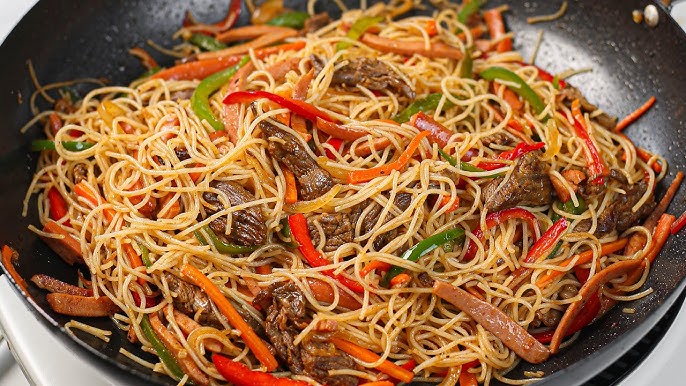
This Cantonese favorite uses wide rice noodles stir-fried with beef and bean sprouts. It’s simple yet packed with umami.
Tips and Tricks for Perfect Rice Noodles
Cooking rice noodles might seem easy, but getting them just right can take some practice. If you’ve ever ended up with noodles that are too sticky, mushy, or clumped together, don’t worry—you’re not alone. Let’s go over some tried-and-true tricks to help you master rice noodles every single time.
How to Prevent Rice Noodles from Sticking
One of the biggest issues people face is noodles sticking together. Here’s how to avoid that:
- Rinse after soaking – Always rinse noodles under cold water after soaking. This washes away excess starch that causes sticking.
- Toss with a little oil – After rinsing, lightly drizzle vegetable or sesame oil over the noodles and toss them to keep them separate.
- Cook just before serving – Rice noodles stiffen and clump if left sitting too long. Plan your timing so the noodles go straight from wok to plate.
Best Sauces and Seasonings for Rice Noodles
The beauty of rice noodles is how well they absorb flavors. Depending on the dish, here are some must-have sauces and spices:
- Soy sauce – A salty, umami-rich base.
- Oyster sauce – Adds sweetness and depth.
- Fish sauce – A punch of savory, salty flavor.
- Chili paste or sriracha – For a spicy kick.
- Tamarind paste – The tangy star of Pad Thai.
- Garlic and ginger – Freshly minced for aroma and spice.
You can even create your own sauce blend. A simple mix of soy sauce, oyster sauce, and a dash of sesame oil works beautifully for stir-fries.
How to Store and Reheat Rice Noodles
Rice noodles don’t store as well as wheat pasta, but with the right method, you can keep them fresh for later.
- Storage: Place cooled noodles in an airtight container with a drizzle of oil to prevent clumping. Store in the fridge for up to 2 days.
- Reheating: The best way is to reheat in a hot wok with a splash of water or broth. Avoid microwaving, as it can make noodles dry and chewy.
If you’re meal prepping, keep noodles and sauces separate. Mix them together only when you’re ready to eat for the best texture.
Nutritional Value of Rice Noodles
Rice noodles aren’t just tasty—they’re also a great option for many diets. Compared to wheat-based noodles, they’re lighter, easier to digest, and naturally gluten-free. Let’s take a closer look.
Health Benefits of Rice Noodles
- Low in fat – Rice noodles contain almost no fat, making them a good option if you’re watching your calorie intake.
- Easily digestible – Since they’re made with rice flour and water, they’re gentle on the stomach.
- Versatile for healthy cooking – Pair them with vegetables and lean protein, and you’ve got a balanced, nutrient-rich meal.
A one-cup serving of cooked rice noodles has around 190 calories, 3 grams of protein, and less than 1 gram of fat.
Gluten-Free Benefits for Sensitive Diets
For people with gluten intolerance or celiac disease, rice noodles are a lifesaver. Unlike wheat-based pasta, they contain no gluten, so you can enjoy them without discomfort.
Another plus is that they don’t require heavy sauces to taste good. Even a simple stir-fry with vegetables and soy sauce can turn them into a wholesome, gluten-free meal.
If you’re on a gluten-free diet, rice noodles are one of the easiest and most satisfying staples you can add to your kitchen.
FAQs about Rice Noodles Recipe
Q1: Can I substitute rice noodles with pasta?
Yes, but the texture and taste will be different. Pasta is firmer and more filling, while rice noodles are lighter and softer.
Q2: Are rice noodles healthier than egg noodles?
Rice noodles are lower in fat and calories, while egg noodles have more protein. The healthier option depends on your dietary goals.
Q3: Do rice noodles need salt when soaking?
No. Unlike pasta, rice noodles don’t need salted water. Just soak in plain hot water.
Q4: Can rice noodles be eaten cold?
Absolutely! They work wonderfully in cold salads or summer rolls. Just rinse them well and toss with a light dressing.
Q5: Are rice noodles good for weight loss?
Yes, when paired with vegetables and lean protein. They’re light and filling but not overly calorie-dense.
Conclusion
Rice noodles are simple, versatile, and delicious. Whether you’re making a quick stir-fry, a comforting bowl of pho, or a refreshing noodle salad, they never disappoint. By preparing them correctly, using the right sauces, and following the step-by-step guide above, you’ll be able to cook restaurant-quality rice noodle dishes right in your kitchen.
From Pad Thai to Chow Fun, rice noodles have traveled the globe, bringing people together through flavor and tradition. So, the next time you’re craving something tasty, grab a pack of rice noodles and give one of these recipes a try—you’ll be surprised how easy and rewarding it is.