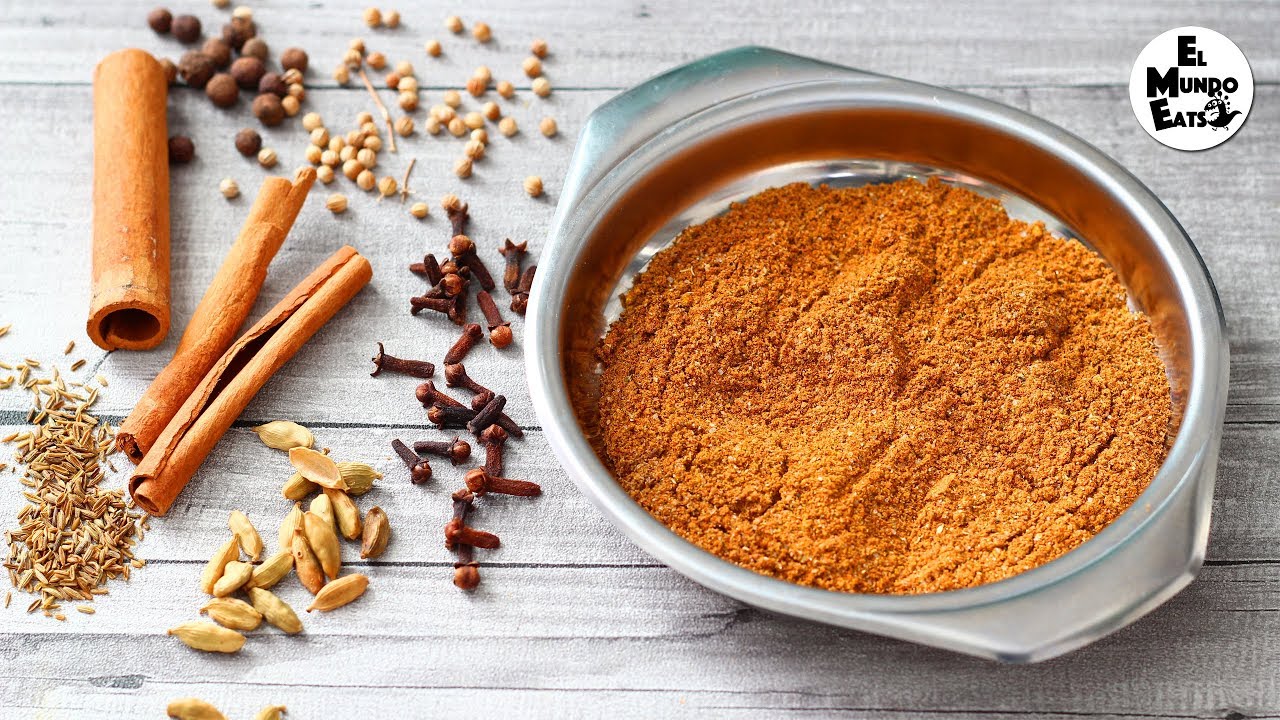
Ras el Hanout Recipe: When it comes to Moroccan cooking, few spice blends are as iconic as Ras el Hanout. This fragrant mix of spices is the heart and soul of many North African dishes, offering a warm, aromatic, and slightly exotic taste. Unlike a single spice, Ras el Hanout is a carefully balanced blend of many herbs and spices, each contributing its own flavor, aroma, and depth. If you’ve ever tried Moroccan tagines, couscous, or grilled meats with a mysterious yet irresistible taste, chances are Ras el Hanout was the secret behind it.
In this guide, we’ll break down everything you need to know about Ras el Hanout: its cultural background, the ingredients required, and a step-by-step recipe to make it at home. By the end, you’ll be able to prepare your own authentic spice mix and take your cooking to a whole new level.
What is Ras el Hanout?
The name Ras el Hanout translates to “head of the shop” in Arabic, meaning the very best spices a merchant has to offer. Unlike other spice blends with fixed recipes, Ras el Hanout doesn’t have a single “official” formula. Instead, it varies from region to region and even from family to family. Some blends may include 10 spices, while others can reach up to 30 or more.
What makes Ras el Hanout unique is that it’s not just a seasoning—it’s a symbol of Moroccan culinary artistry. Each spice is chosen with care, creating a balance of warmth, sweetness, bitterness, and earthiness. When combined, these flavors harmonize beautifully, giving dishes a distinct Moroccan flair.
The Cultural Importance of Ras el Hanout in Moroccan Cuisine
Ras el Hanout isn’t just a blend; it’s a cultural treasure. In Moroccan markets, spice sellers take pride in their personal recipes, often handed down through generations. The blend is used to flavor special dishes, particularly during festive occasions, family gatherings, and traditional feasts.
It’s often compared to garam masala in Indian cuisine—a versatile spice mix that enhances nearly every dish. From meat stews to vegetable tagines, Ras el Hanout elevates the flavors, adding a touch of exotic warmth. It also reflects Morocco’s historical position along trade routes, where spices from Africa, the Middle East, and Asia converged, blending into this culinary masterpiece.
Ingredients You’ll Need
Core Spices Traditionally Used
While recipes vary, some spices are almost always included in Ras el Hanout. Here are the core ingredients:
- Cumin – Adds warmth and earthiness.
- Coriander – Bright, citrusy notes for balance.
- Cinnamon – Sweet and aromatic, often used in Moroccan dishes.
- Turmeric – Brings a golden hue and mild bitterness.
- Paprika – Adds color and subtle heat.
- Cardamom – Fragrant and slightly sweet.
- Cloves – Strong, pungent flavor that deepens the blend.
- Nutmeg – Warm and slightly nutty.
- Ginger – Provides a zesty kick.
- Black Pepper – Mild heat and sharpness.
Optional Additions for Unique Flavor
Some recipes call for more luxurious or rare ingredients such as:
- Dried rose petals
- Lavender buds
- Mace
- Allspice
- Star anise
- Grains of paradise
These aren’t mandatory but can make your Ras el Hanout truly special.
Tips for Selecting Fresh, Quality Spices
- Always buy whole spices when possible, then grind them yourself.
- Check for vibrant color and strong aroma—these are signs of freshness.
- Avoid pre-mixed store blends that may contain fillers or preservatives.
- Store spices in airtight containers away from direct sunlight.
Fresh, high-quality spices make all the difference. Since Ras el Hanout is a blend of many flavors, stale spices can dull the taste and rob your dishes of their authenticity.
Preparing the Spices
Roasting Spices for Depth of Flavor
One of the secrets to a bold Ras el Hanout is dry-roasting whole spices before grinding them. This simple step awakens the natural oils inside the seeds and pods, releasing deep, complex aromas. For example, roasting cumin or coriander enhances their nuttiness, while cloves and cardamom become more fragrant.
To do this, heat a skillet over medium-low heat, add the whole spices, and toast for 1–2 minutes until they release a strong aroma. Be careful not to burn them, as burnt spices can make your blend bitter.
Grinding vs. Buying Pre-Ground Spices
While pre-ground spices are convenient, grinding your own at home guarantees freshness. Whole spices retain their potency much longer, while ground spices lose flavor quickly. A simple spice grinder or mortar and pestle will do the job.
If you must use pre-ground spices, buy them in small quantities and check the expiration dates carefully.
Storing Your Spices for Long-Lasting Aroma
After grinding, always store your Ras el Hanout in an airtight glass jar. Keep it in a cool, dark place—never near the stove or in direct sunlight. Proper storage ensures your blend stays fresh for up to 6 months.
Label your jar with the date so you know when it’s time to make a fresh batch.
Step-by-Step Guide to Making Ras el Hanout
Step 1 – Measure Your Ingredients
Precision matters when it comes to spice blends. Start by carefully measuring out your chosen spices. A basic recipe might look like this:
- 2 tbsp cumin seeds
- 2 tbsp coriander seeds
- 1 tbsp cinnamon powder
- 2 tsp black peppercorns
- 1 tsp ground nutmeg
- 1 tsp ground turmeric
- 1 tsp ginger powder
- 1 tsp cardamom seeds
- 1 tsp cloves
- 2 tsp paprika
Feel free to adjust based on your taste preferences. Some people prefer more heat, while others like it sweeter.
Step 2 – Toast the Whole Spices
Once you’ve measured your spices, the next step is to toast the whole ones—such as cumin, coriander, peppercorns, cloves, and cardamom. Toasting spices is like unlocking their hidden magic. As the heat gently warms them, essential oils are released, intensifying both aroma and flavor.
Here’s how to do it:
- Place a clean, dry skillet on medium-low heat.
- Add the whole spices (not the powdered ones).
- Stir frequently for 1–2 minutes, until you smell a strong, nutty fragrance.
- Remove them quickly from the pan to avoid burning.
This process may seem small, but it makes a huge difference in the final taste of your Ras el Hanout. Burnt spices can ruin the blend, so watch carefully.
Think of this step like “waking up” your spices—they’ve been sitting dormant, and now they’re alive with flavor, ready to transform your cooking.
Step 3 – Grind the Spices into a Fine Powder
After toasting, allow the spices to cool for a few minutes. Once cooled, it’s time to grind them into a fine powder. You can use:
- A spice grinder – Quick and efficient, perfect for smooth results.
- A mortar and pestle – Traditional, takes more effort, but gives a rustic, authentic texture.
When grinding, make sure all the seeds and pods are completely broken down. You want a fine, even powder that will mix smoothly with the pre-ground spices like turmeric, paprika, and cinnamon.
A useful tip: grind in small batches rather than dumping everything in at once. This ensures even grinding and prevents the grinder from overheating.
The moment you open the grinder, the fragrance will fill your kitchen with the exotic, warming scent of Morocco—it’s an instant reward for your effort.
Step 4 – Blend and Balance the Flavors
Now that you have both freshly ground and pre-ground spices, it’s time to combine them into your signature Ras el Hanout mix. This is where creativity and personal taste come in.
- Place all the ground spices into a large mixing bowl.
- Stir thoroughly to make sure everything is evenly distributed.
- Taste a small pinch—yes, raw spice powder—to check balance.
If it feels too hot, add more cinnamon or turmeric for sweetness and earthiness. If it lacks kick, a little extra black pepper or paprika can help. If you want more exotic notes, dried rose petals or star anise can be added in small amounts.
Remember: there’s no single “correct” Ras el Hanout recipe. Each cook, family, and spice merchant has their own blend. The goal is balance—sweet, savory, warm, and aromatic all in harmony.
Step 5 – Store Properly for Best Results
Once your blend is ready, you’ll want to store it correctly to preserve freshness. Spices are sensitive to air, light, and heat, so storage makes a big difference in flavor longevity.
- Use an airtight glass jar with a secure lid.
- Label the jar with the date so you know when it was made.
- Keep it in a cool, dark cupboard (not above the stove).
- Use within 4–6 months for peak freshness.
Over time, the spice blend will lose intensity. That doesn’t mean it’s unsafe, but it won’t have the same punch as a fresh batch. For the best Moroccan cooking experience, try to make smaller amounts more frequently rather than one huge batch.
Now that your Ras el Hanout is prepared, let’s explore how to use it in everyday cooking.
How to Use Ras el Hanout in Cooking
Traditional Moroccan Dishes with Ras el Hanout
Ras el Hanout is the backbone of many Moroccan dishes. Here are some of the most popular ways it’s traditionally used:
- Tagines – Slow-cooked stews with meat, vegetables, and dried fruits. Ras el Hanout infuses them with deep, layered flavors.
- Couscous – Fluffy semolina grains topped with spiced vegetables, meat, or fish.
- Pastilla (Bastilla) – A savory-sweet Moroccan pie made with chicken or pigeon, almonds, and cinnamon.
- Grilled Meats – Rubbed onto lamb, chicken, or beef for a smoky, aromatic taste.
In Moroccan kitchens, Ras el Hanout is often used as both a rub and a flavoring base for broths and marinades.
Creative Uses Beyond Moroccan Cuisine
You don’t need to limit Ras el Hanout to Moroccan food—it’s incredibly versatile. Try using it in:
- Roasted vegetables (sprinkle on carrots, sweet potatoes, or cauliflower).
- Rice, quinoa, or bulgur pilafs for an exotic twist.
- Marinades for fish or seafood.
- Soups and lentil stews for added depth.
- Even in baking—some adventurous cooks add it to spiced cookies or breads.
Think of Ras el Hanout as a Moroccan all-purpose seasoning. Wherever you’d use curry powder or garam masala, you can experiment with this blend.
Pairing Ras el Hanout with Meat, Vegetables, and Grains
- Meat – Works beautifully with lamb, chicken, and beef, especially when slow-cooked.
- Vegetables – Earthy veggies like pumpkin, eggplant, carrots, and chickpeas shine with this spice mix.
- Grains – Couscous, bulgur, and rice absorb the flavors well, creating aromatic side dishes.
The beauty of Ras el Hanout lies in its flexibility. Whether you’re cooking traditional Moroccan meals or experimenting with global dishes, it adapts and elevates.
Health Benefits of Ras el Hanout
Anti-Inflammatory and Antioxidant Properties
Ras el Hanout isn’t just about flavor—it’s also a powerhouse of health benefits. Many of the spices in the blend are rich in anti-inflammatory compounds and antioxidants, which help fight free radicals in the body. For instance:
- Turmeric contains curcumin, known for reducing inflammation and improving joint health.
- Cinnamon helps regulate blood sugar levels and supports heart health.
- Cloves and cardamom are packed with antioxidants that promote cellular repair.
- Black pepper enhances nutrient absorption, especially when paired with turmeric.
When combined, these spices work synergistically, making Ras el Hanout more than just a seasoning—it becomes a natural health booster. Regular consumption, in moderation, may support overall wellness, reduce chronic inflammation, and protect against oxidative stress.
Boosting Digestion and Immunity
Traditional Moroccan households often regard Ras el Hanout as not only a culinary staple but also a gentle digestive aid. Spices like cumin, coriander, and ginger are known to stimulate digestion, reduce bloating, and ease discomfort after heavy meals.
Moreover, the antibacterial and antiviral properties of cloves, ginger, and cardamom can help strengthen the immune system. In times when immunity is more important than ever, incorporating Ras el Hanout into your cooking provides a flavorful way to stay healthy.
It’s like adding a secret shield of wellness into every dish you prepare. Instead of relying solely on supplements, you’re nourishing your body naturally through centuries-old spice wisdom.
Common Mistakes to Avoid
Overpowering Dishes with Too Much Spice
One of the most common mistakes with Ras el Hanout is using too much of it. Since it’s such a complex blend, overuse can overwhelm a dish, making it bitter or overly pungent. Think of it as a perfume—just the right amount is alluring, but too much can be overpowering.
A general rule: start with 1–2 teaspoons per dish, then adjust according to taste. You can always add more, but you can’t take it out once it’s in.
Using Stale Spices That Lack Aroma
Another mistake is making Ras el Hanout with old or stale spices. Spices lose potency over time, especially when ground. If your blend smells weak or dusty rather than vibrant and fragrant, it won’t deliver the intended flavor.
To avoid this:
- Always use fresh, whole spices whenever possible.
- Store them in airtight containers away from light and heat.
- Refresh your batch every few months for maximum potency.
Skipping these steps can turn your Ras el Hanout from magical to mediocre.
Homemade vs. Store-Bought Ras el Hanout
Why Homemade Is Superior
Homemade Ras el Hanout has clear advantages:
- Customization – You control the balance of flavors, adjusting to your preference.
- Freshness – Grinding and blending spices yourself ensures vibrant aromas.
- Quality assurance – No fillers, preservatives, or artificial ingredients.
- Cultural connection – Making it from scratch connects you to the Moroccan tradition.
Many Moroccan families guard their Ras el Hanout recipes like treasures, passing them down through generations. By making your own, you join this rich culinary heritage.
When Store-Bought is a Good Option
Of course, not everyone has the time or access to grind fresh spices. A good-quality store-bought Ras el Hanout can still be a convenient alternative.
Look for blends that:
- List all ingredients clearly (avoid vague “spices” labels).
- Contain no artificial flavors or additives.
- Come from reputable brands specializing in authentic Moroccan seasonings.
While store-bought might not have the same freshness or customization, it can still deliver an authentic taste when time is short.
FAQs about Ras el Hanout Recipe
1. Can I Customize My Own Blend?
Absolutely! Ras el Hanout is traditionally unique to each cook or spice merchant. Feel free to experiment with proportions and add spices like rose petals, nutmeg, or allspice to make it your own signature blend.
2. How Long Does Homemade Ras el Hanout Last?
If stored properly in an airtight container, it will stay fresh for about 4–6 months. After that, it begins to lose its fragrance and potency.
3. Is Ras el Hanout Spicy?
Not necessarily. While it may contain warming spices like black pepper or paprika, it’s not usually very hot. Instead, it’s more aromatic, with layers of flavor. You can adjust the heat level by adding chili flakes or cayenne.
4. Can I Use Ras el Hanout in Vegan Cooking?
Yes! Ras el Hanout pairs beautifully with vegetables, legumes, and grains. Try it in roasted vegetables, lentil stews, or chickpea tagines for a satisfying vegan meal packed with flavor.
5. What Dishes Can I Add It To Beyond Moroccan Recipes?
Plenty! It works in marinades, rice dishes, soups, and even fusion cooking. Sprinkle it on roasted nuts, mix it into salad dressings, or add a pinch to bread dough for a creative twist.
Conclusion
Ras el Hanout is more than a spice blend—it’s a story of Morocco in a jar. Each ingredient represents centuries of trade, tradition, and culinary artistry. By making it at home, you don’t just create a seasoning; you craft a flavor experience that can elevate any dish, from classic Moroccan tagines to modern global recipes.
Its versatility, health benefits, and cultural richness make it a must-have in every kitchen. Whether you’re an adventurous foodie or a home cook looking to explore new flavors, Ras el Hanout will open doors to culinary creativity you never imagined.
So next time you want to bring warmth, depth, and exotic charm to your cooking, reach for your homemade Ras el Hanout—and let the spices tell their story.