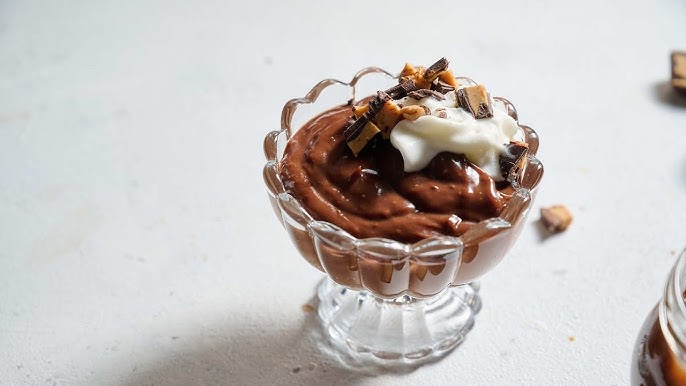
Protein Pudding Recipe: Protein pudding has quickly become a favorite among fitness enthusiasts, health-conscious eaters, and even dessert lovers. Imagine enjoying a creamy, indulgent pudding that not only satisfies your sweet tooth but also fuels your body with essential nutrients. That’s exactly what protein pudding does—it’s the perfect blend of taste and nutrition. Unlike traditional puddings loaded with sugar, cream, and empty calories, protein pudding is designed to be high in protein, lower in sugar, and customizable to fit your dietary needs.
The beauty of protein pudding lies in its versatility. Whether you’re trying to build lean muscle, lose weight, or simply include more protein in your diet, this pudding fits the bill. It’s also an excellent option for those who struggle to meet their daily protein requirements through regular meals. With just a handful of ingredients, you can prepare a delicious, creamy dessert that doubles as a nutritious snack.
Not only is it a great option for athletes and gym-goers, but protein pudding also works for busy professionals, students, or parents looking for a quick yet healthy bite. Plus, you don’t need to be a professional chef to make it. In fact, most recipes can be whipped up in less than 10 minutes. That’s right—within minutes, you can have a delicious dessert waiting for you in the fridge.
So, whether you’re looking to replace unhealthy desserts, enjoy a post-workout treat, or simply add more protein to your diet, protein pudding is an easy and rewarding recipe to master.
Benefits of Protein Pudding
Why should you make protein pudding instead of grabbing a store-bought dessert? The benefits go far beyond taste.
- High in Protein – Protein pudding is a powerhouse when it comes to meeting your daily protein intake. Since protein plays a vital role in muscle repair, recovery, and growth, this pudding is an ideal snack after a workout.
- Low in Sugar – Traditional puddings often come with loads of sugar that can cause energy crashes and unnecessary calorie intake. Protein pudding can be sweetened naturally using honey, stevia, or ripe bananas—keeping it healthy yet delicious.
- Supports Weight Management – Protein is known to increase satiety, meaning it keeps you fuller for longer. Having a serving of protein pudding between meals can help reduce unnecessary snacking, aiding in weight management.
- Quick and Convenient – Most recipes require no cooking at all. With just a blender and a few ingredients, you can have your pudding ready in minutes.
- Versatile and Customizable – Chocolate, vanilla, peanut butter, or fruity flavors—you can experiment endlessly with protein pudding recipes to match your taste.
- Better Digestion and Energy – Unlike heavy desserts that make you sluggish, protein pudding fuels your body with clean energy and often contains fiber (depending on add-ons like chia seeds or oats), aiding digestion.
To sum it up, protein pudding is more than a dessert—it’s a smart way to satisfy your sweet tooth while keeping your body on track with health and fitness goals.
Ingredients You’ll Need
The ingredients for protein pudding are simple, and you likely have most of them in your kitchen already. Let’s break them down:
Essential Ingredients
- Protein Powder – Whey, casein, or plant-based protein powder are all excellent choices. Casein works best for a thicker texture, while whey blends more smoothly.
- Milk or Dairy-Free Alternative – Almond milk, soy milk, oat milk, or traditional cow’s milk can be used depending on your preference.
- Sweetener (Optional) – Honey, stevia, maple syrup, or even mashed bananas work as natural sweeteners.
- Thickener (Optional) – Greek yogurt, chia seeds, or avocado can make your pudding creamier.
Optional Ingredients for Flavor
- Unsweetened cocoa powder for chocolate pudding.
- Vanilla extract for extra depth of flavor.
- Peanut butter or almond butter for a nutty twist.
- Fresh or frozen fruits like berries, banana, or mango.
Best Protein Powders for Pudding
- Whey Protein – Smooth consistency, great for post-workout pudding.
- Casein Protein – Thicker and creamier, perfect for pudding lovers.
- Plant-Based Protein – Excellent for vegans, though may need extra blending for smoothness.
By mixing and matching these ingredients, you can create endless variations of protein pudding.
Tools and Equipment Required
One of the best things about protein pudding is that you don’t need fancy kitchen equipment. A few basic tools are enough to get started:
- Blender or Food Processor – Ensures a smooth, lump-free consistency.
- Mixing Bowl and Whisk – For those who prefer a more hands-on approach.
- Measuring Cups and Spoons – To keep your recipe consistent.
- Serving Bowls or Mason Jars – Perfect for portioning and storing pudding in the fridge.
Alternative tools: If you don’t have a blender, you can still make protein pudding by whisking the ingredients together thoroughly. It may not be as silky smooth, but it will still be delicious.
Step-by-Step Guide to Making Protein Pudding
Now that you’ve got your ingredients and tools ready, it’s time to put everything together. Follow this step-by-step guide:
Step 1: Choose Your Protein Powder
Pick a flavor that matches the type of pudding you want to make. Chocolate protein powder is the most popular, but vanilla, cookies and cream, or even unflavored powders can be adapted.
Step 2: Mix Wet and Dry Ingredients
In your blender, combine 1–2 scoops of protein powder with 1 cup of milk (or dairy-free alternative). Add any sweeteners, cocoa powder, or vanilla extract at this stage.
Step 3: Blend Until Smooth and Creamy
Blend on high for 30–60 seconds until the mixture reaches a pudding-like consistency. If it’s too thick, add more milk; if it’s too runny, add a spoonful of Greek yogurt or chia seeds.
Step 4: Adjust Thickness and Flavor
Taste test your pudding. Too bitter? Add a little honey. Not creamy enough? Mix in half a banana or more yogurt. This step is where you personalize it.
Step 5: Chill Before Serving
Pour the mixture into serving bowls or jars and refrigerate for at least 30 minutes. Chilling allows the pudding to set and develop its flavors.
And just like that—you’ve made your first protein pudding!
Flavor Variations of Protein Pudding
One of the best parts about making protein pudding is how flexible it is—you can easily transform the base recipe into endless flavors. Whether you’re craving something rich and chocolatey, light and fruity, or nutty and indulgent, there’s a variation for you. Here are some favorites:
Chocolate Protein Pudding
The classic and most popular version. Simply use chocolate protein powder or add unsweetened cocoa powder to vanilla protein powder. For extra richness, you can add a teaspoon of dark chocolate chips or a splash of coffee to intensify the flavor.
Vanilla and Cinnamon Twist
If you prefer something warm and comforting, vanilla protein pudding with a dash of cinnamon or nutmeg hits the spot. You can also add a few drops of almond extract for a more layered taste.
Peanut Butter and Banana Protein Pudding
This version is like a dessert and smoothie combined. Blend a ripe banana with a tablespoon of peanut butter, vanilla protein powder, and milk for a creamy pudding that tastes like a treat but packs a nutritional punch.
Berry-Flavored Protein Pudding
For a refreshing option, blend in fresh or frozen berries—blueberries, strawberries, or raspberries work beautifully. If you like tangy flavors, add a spoonful of Greek yogurt for extra creaminess and probiotics.
Other Creative Ideas
- Mocha Pudding: Add a shot of espresso or instant coffee to chocolate protein pudding.
- Coconut Dream: Use coconut milk, vanilla protein powder, and shredded coconut.
- Pumpkin Spice: Blend pumpkin puree with vanilla protein powder and pumpkin spice mix for a seasonal twist.
The possibilities are endless, and once you master the base recipe, you’ll find yourself experimenting with new combinations every week.
Vegan and Dairy-Free Alternatives
If you’re vegan, lactose-intolerant, or just prefer dairy-free options, protein pudding can easily be adjusted to fit your needs.
Plant-Based Protein Powders
Unlike whey or casein, plant-based proteins come from sources like peas, hemp, rice, or soy. While they can sometimes have a slightly grainy texture, blending them with fruits, nut butter, or non-dairy yogurt helps smooth things out. Look for high-quality brands that mix well.
Dairy-Free Milk Options
Almond, oat, coconut, and soy milk are excellent bases for your pudding. Oat milk creates a naturally sweet, creamy texture, while coconut milk gives a tropical flair.
Vegan Sweeteners and Thickeners
Instead of honey, use maple syrup, agave, or stevia. To thicken your pudding, try chia seeds, flaxseeds, or coconut cream. Blending in avocado or silken tofu also makes the pudding extra creamy without altering the taste.
With these alternatives, you can enjoy the same creamy, satisfying pudding without any animal products.
Common Mistakes to Avoid
Even though protein pudding is simple to make, there are a few mistakes that can ruin the final product. Here’s what to watch out for:
Choosing the Wrong Protein Powder
Not all protein powders are created equal. Some may be too chalky, while others don’t thicken properly. Casein works best for creaminess, while whey blends easily but may result in a thinner consistency.
Overmixing or Undermixing
If you don’t mix enough, you’ll end up with lumps. Overmixing, on the other hand, can make the pudding runny or foamy. Blend just until smooth.
Not Chilling Long Enough
The chilling step isn’t optional—it allows the pudding to set and develop flavor. Skipping this step may leave you with a soupy texture.
Adding Too Much Liquid
It’s better to start with less milk and add more gradually. Too much liquid makes the pudding thin and watery, which defeats the purpose.
Overloading with Extras
It’s tempting to add too many toppings or mix-ins like nut butter, chocolate, or granola. While delicious, this can turn a healthy pudding into a calorie bomb.
By avoiding these mistakes, you’ll always end up with smooth, creamy, and delicious pudding.
Storage Tips
Protein pudding is perfect for meal prep, but it needs to be stored properly to keep its texture and taste.
Refrigerator Storage
After preparing, pour the pudding into airtight containers or mason jars. Store in the fridge for up to 3–4 days. This makes it a great option for prepping snacks ahead of a busy week.
Freezer-Friendly Option
Yes, you can freeze protein pudding! Pour it into small freezer-safe containers, and it will last for up to 2 months. When ready to eat, thaw overnight in the fridge and stir before enjoying.
Meal Prep Ideas
- Prepare different flavors and store them in individual jars.
- Add toppings like berries or granola right before eating to keep them fresh.
- Portion pudding into small snack-sized jars for easy grab-and-go options.
With the right storage techniques, protein pudding can save you time and keep you fueled throughout the week.
Nutritional Breakdown
One of the best things about protein pudding is that it’s not just tasty—it’s nutritious. While exact values depend on the ingredients you use, here’s a general breakdown for a standard serving (made with whey protein, almond milk, and Greek yogurt):
| Nutrient | Approximate Amount (per serving) |
|---|---|
| Calories | 200–250 kcal |
| Protein | 20–25 g |
| Carbohydrates | 10–15 g |
| Fat | 5–8 g |
| Fiber | 2–4 g |
Comparison with Traditional Pudding
Traditional pudding often contains 300+ calories, 30+ grams of sugar, and very little protein. Protein pudding, on the other hand, gives you the same indulgent texture and flavor while keeping the nutrition clean and balanced.
This makes it a smarter choice for anyone trying to lose weight, gain muscle, or simply live a healthier lifestyle.
When to Enjoy Protein Pudding
One of the reasons protein pudding has become so popular is its flexibility. You can enjoy it at different times of the day depending on your lifestyle and fitness goals. Let’s break down when it’s best to dig in:
Pre-Workout Snack
Eating protein pudding before a workout gives your body a steady source of energy and amino acids. Since it’s light yet satisfying, it won’t leave you feeling too full or sluggish during your training. Adding a banana or oats to your pudding can provide extra carbs to fuel your workout.
Post-Workout Recovery
This is the most common time to enjoy protein pudding. After intense exercise, your muscles need protein to repair and grow. The pudding delivers fast-digesting protein (especially if made with whey) and can be paired with fruits for quick-digesting carbs. This combination supports muscle recovery and replenishes glycogen stores.
Healthy Dessert Alternative
Craving something sweet after dinner? Instead of ice cream or cake, protein pudding is a guilt-free option. It satisfies your sweet tooth while adding nutritional value. By topping it with berries, nuts, or a drizzle of nut butter, you can turn it into a dessert you’ll look forward to every night.
Midday or Evening Snack
Sometimes, meals just don’t keep you full until the next one. A small portion of protein pudding works as a perfect snack between lunch and dinner—or even before bed. If you use casein protein, the slow-digesting properties help keep you satisfied overnight.
In short, protein pudding is versatile enough to fit into your diet any time of the day, whether for performance, recovery, or simple enjoyment.
Creative Toppings and Add-ons
While protein pudding tastes amazing on its own, toppings can take it to a whole new level. The key is choosing toppings that add nutrition as well as flavor. Here are some ideas:
Fruits
- Fresh berries like blueberries, strawberries, or raspberries.
- Sliced banana or mango for natural sweetness.
- Pomegranate seeds for a juicy crunch.
Nuts and Seeds
- Chia seeds or flaxseeds for fiber and omega-3s.
- Almonds, walnuts, or pecans for crunch and healthy fats.
- Pumpkin or sunflower seeds for extra minerals.
Crunchy Add-ons
- Granola or crushed whole-grain cereal.
- Dark chocolate shavings or cocoa nibs.
- Coconut flakes for a tropical twist.
Drizzles and Spreads
- Peanut butter, almond butter, or cashew butter.
- A touch of honey or maple syrup.
- Sugar-free chocolate syrup for indulgence.
By mixing and matching these add-ons, you can create a new pudding experience every time. Not only will this keep things exciting, but it also helps you pack in more nutrients with each serving.
FAQs about Protein Pudding Recipe
1. Can I use water instead of milk?
Yes, you can use water, but the texture and creaminess will be reduced. For a richer taste, it’s best to use at least a plant-based or dairy milk.
2. How can I make my protein pudding thicker?
To thicken your pudding, try using casein protein, adding Greek yogurt, blending in half an avocado, or letting chia seeds absorb liquid in the mix.
3. Is protein pudding suitable for weight loss?
Absolutely! Since it’s high in protein and low in sugar, it keeps you full longer and helps control cravings. Just watch portion sizes and toppings.
4. Can I prepare protein pudding in advance?
Yes, it’s meal-prep friendly. Store it in airtight containers in the fridge for up to 3–4 days or freeze for longer storage.
5. What’s the best protein powder for pudding?
Casein is best for thickness, whey for smoothness, and plant-based for vegan-friendly options. Choose depending on your dietary needs and flavor preference.
Conclusion
Protein pudding isn’t just another trendy recipe—it’s a smart, nutritious, and satisfying way to enjoy dessert without guilt. Whether you’re looking to boost your protein intake, recover after workouts, or simply replace high-sugar sweets, this recipe checks all the boxes. With endless flavor variations, vegan-friendly options, and easy prep methods, protein pudding deserves a permanent place in your weekly meal rotation.
Remember, the key to mastering it is experimentation. Try different protein powders, adjust the thickness, and play around with toppings until you find your perfect mix. Soon, you’ll wonder how you ever lived without it.
So, grab your ingredients, follow the step-by-step guide, and enjoy a creamy, protein-packed pudding that supports your goals and satisfies your cravings.