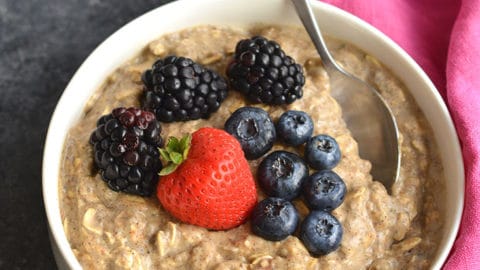
Protein Oatmeal Recipe: If you’re looking for a breakfast that is quick, nutritious, and packed with energy, protein oatmeal is the answer. Imagine starting your day with a warm bowl of creamy oats combined with muscle-fueling protein and topped with delicious fruits, nuts, or even chocolate. Not only does it taste amazing, but it also keeps you full for hours, helping you avoid mid-morning cravings.
Most people know oatmeal as a “healthy breakfast option,” but let’s be honest—plain oats can get boring. That’s where protein comes in. By mixing in a protein source, whether from powder, yogurt, or nut butter, you completely transform a simple bowl of oats into a powerhouse meal that supports your fitness goals, weight management, or simply keeping you energized throughout a busy day.
Why Protein Oatmeal is the Perfect Breakfast
Think of your breakfast as the fuel for your engine. A car won’t run efficiently without the right gas, and your body is no different. Traditional oatmeal is rich in complex carbohydrates and fiber, which are great for steady energy release. However, it often lacks sufficient protein. Without protein, you might find yourself feeling hungry too soon.
Adding protein balances the meal, turning it into a complete breakfast that supports blood sugar stability, muscle repair, and long-lasting fullness. Whether you’re an athlete, a busy professional, or someone trying to eat healthier, protein oatmeal checks every box:
- Quick to prepare
- Customizable with endless flavors
- High in nutrients
- Suitable for meal prep
Benefits of Adding Protein to Your Morning Oats
Protein isn’t just for bodybuilders—it’s essential for everyone. When you add it to your oatmeal, you get several benefits:
- Sustained Energy: Protein slows down digestion, preventing sudden spikes and crashes in blood sugar.
- Muscle Recovery: After workouts, protein helps repair microtears in muscle tissue.
- Weight Control: Protein promotes satiety, reducing unnecessary snacking later in the day.
- Better Metabolism: A higher-protein breakfast kickstarts your metabolism compared to carb-heavy meals.
In short, protein oatmeal is not just food—it’s fuel that supports your health and lifestyle goals.
Ingredients You’ll Need
Now that you know why protein oatmeal is a superstar breakfast, let’s break down the ingredients you’ll need. One of the best things about this recipe is that it’s flexible and customizable. You don’t need fancy items—just simple, wholesome foods you probably already have in your kitchen.
Base Ingredients for Oatmeal
Every protein oatmeal recipe starts with oats. But did you know there are different types of oats you can choose from?
- Rolled oats: The most common choice. They cook quickly and create a creamy texture.
- Steel-cut oats: Less processed, chewier, and higher in fiber, but they take longer to cook.
- Instant oats: Great for busy mornings, but they can get mushy if overcooked.
Other base ingredients:
- Liquid: Water, milk, or a dairy-free option like almond, oat, or soy milk. Using milk adds extra creaminess and protein.
- Salt (optional): Just a pinch enhances the flavor.
Best Protein Sources to Use
Here’s where the recipe gets interesting—you can add protein in several ways:
- Protein powder: Whey, casein, soy, pea, or hemp protein powders are all great choices.
- Greek yogurt: Adds creaminess along with protein and probiotics.
- Egg whites: A natural, tasteless protein booster that blends seamlessly.
- Nut butters: Peanut butter, almond butter, or cashew butter bring healthy fats and plant-based protein.
- Cottage cheese: A surprisingly good addition for extra creaminess.
Flavor Boosters and Toppings
This is where you can make your oatmeal taste like dessert while still being healthy. Some popular toppings include:
- Fresh fruits: Bananas, strawberries, blueberries, apples, or mangoes.
- Dried fruits: Raisins, cranberries, or chopped dates for natural sweetness.
- Nuts & seeds: Almonds, walnuts, chia seeds, flaxseeds, or pumpkin seeds.
- Spices: Cinnamon, nutmeg, or cocoa powder.
- Natural sweeteners: Honey, maple syrup, or stevia.
With the right combination of these ingredients, your protein oatmeal will be nutritious, filling, and delicious every single time.
Step-by-Step Guide to Making Protein Oatmeal
Now comes the fun part—actually making your protein oatmeal. Don’t worry, it’s super easy and doesn’t require advanced cooking skills. Follow this step-by-step guide, and you’ll have the perfect bowl in less than 10 minutes.
Step 1 – Gather All Ingredients
Before you start cooking, it’s always best to set out everything you’ll need. This saves time and ensures you don’t forget an ingredient. Your basic setup should include oats, liquid, protein source, and toppings of choice.
Step 2 – Cooking the Oats Perfectly
Cooking oats depends on the type you’re using:
- Rolled oats: Cook in 5–7 minutes.
- Steel-cut oats: Need 20–30 minutes.
- Instant oats: Done in 1–2 minutes in the microwave.
Tip: Cook your oats in milk instead of water for extra creaminess and added protein.
Step 3 – Adding Protein Powder or Alternatives
The key is to add protein after the oats have cooked slightly to avoid clumping. If using protein powder, stir it in once the oats are creamy but still hot. If using yogurt or nut butter, mix it in right before serving for the best texture.
Step 4 – Mixing and Achieving the Right Texture
This is where most people go wrong—protein powder can make oatmeal too thick or chalky if not mixed well. To fix this, gradually add a little extra milk or water until you get your desired consistency.
Step 5 – Adding Flavor and Toppings
Finally, the fun part—toppings! Think of them as the “icing on the cake.” Whether you prefer fruity, nutty, or chocolaty flavors, toppings make the dish exciting and customizable every day.
Variations of Protein Oatmeal
Eating the same bowl of oats every morning can get dull, but the beauty of protein oatmeal is that it’s highly versatile. Here are a few tasty variations to keep your breakfast fresh and fun.
Chocolate Peanut Butter Protein Oatmeal
- Base: Rolled oats cooked in almond milk
- Protein: Chocolate whey protein powder
- Toppings: Peanut butter swirl, sliced bananas, and cocoa nibs
Berry Almond Protein Oatmeal
- Base: Oats cooked in milk
- Protein: Vanilla protein powder or Greek yogurt
- Toppings: Blueberries, strawberries, sliced almonds, and chia seeds
Tropical Coconut Protein Oatmeal
- Base: Oats cooked in coconut milk
- Protein: Plant-based vanilla protein powder
- Toppings: Mango chunks, shredded coconut, and pineapple pieces
Tips for the Best Protein Oatmeal
Making protein oatmeal is easy, but turning it into a creamy, flavorful, and satisfying breakfast requires a few tricks. Many people complain about their oats being too thick, clumpy, or bland when they add protein. Don’t worry—I’ll guide you through the best tips to make sure your oatmeal turns out perfect every single time.
Avoiding Common Mistakes
- Adding Protein Too Early: If you put protein powder into boiling water, it clumps. Always cook the oats first, then stir in protein once the heat is off.
- Overcooking the Oats: This makes them gummy. Cook just until soft, then remove from heat.
- Using Too Much Protein Powder: More isn’t always better. Stick to one scoop (20–25g). Too much can overpower the taste and texture.
- Skipping Liquid Adjustments: Protein absorbs liquid. Always add extra milk or water if the mixture feels too thick.
How to Adjust Thickness and Texture
Think of oatmeal like mashed potatoes—everyone likes it differently. Some prefer thick and chewy, while others want it creamy and smooth.
- For creamier oats, cook them with milk and stir often.
- For thicker oats, use less liquid and let them sit for a minute before serving.
- For fluffier oats, cook in water first, then stir in yogurt or milk at the end.
Meal Prep and Storage Tips
Protein oatmeal is not just a one-time breakfast—it’s perfect for meal prepping.
- Overnight oats: Mix raw oats, protein powder, milk, and toppings in a jar. Refrigerate overnight, and enjoy cold in the morning.
- Cooked oats: Make a big batch, divide into containers, and refrigerate for up to 4 days. Reheat with a splash of milk to refresh the texture.
- Freezer option: Yes, you can freeze oatmeal! Store in portions and reheat in the microwave with a bit of liquid.
With these tips, you’ll never have to suffer through bland or chalky oats again.
Nutritional Benefits of Protein Oatmeal
Let’s take a closer look at why protein oatmeal is such a nutritional powerhouse. Many breakfasts are either too sugary (like pastries and cereals) or too heavy in carbs without enough balance. Protein oatmeal, on the other hand, gives you a mix of carbs, protein, fiber, and healthy fats, making it one of the most balanced meals you can eat.
Macronutrient Breakdown
Here’s a rough estimate of one serving of protein oatmeal (made with rolled oats, milk, and protein powder, without toppings):
| Nutrient | Amount per Serving |
|---|---|
| Calories | 350–400 kcal |
| Carbohydrates | 45–50g |
| Protein | 25–30g |
| Fat | 7–10g |
| Fiber | 6–8g |
That’s a pretty solid balance! And the best part—you can adjust it. Want more protein? Add egg whites or Greek yogurt. Want more fiber? Throw in chia seeds or flaxseeds.
How It Supports Muscle Growth and Recovery
Protein oatmeal is a favorite among athletes and gym-goers because it provides the perfect fuel for training and recovery. Carbohydrates from oats refill glycogen stores, while protein repairs muscles. Eating this after a workout is like giving your body the exact tools it needs to rebuild and get stronger.
Ideal for Weight Management
Protein oatmeal can also be your secret weapon for weight control. Since it keeps you fuller for longer, you naturally avoid snacking or overeating later in the day. Plus, because it’s so customizable, you can make a lower-calorie version for fat loss or a higher-calorie one for muscle gain.
Simply put, protein oatmeal isn’t just breakfast—it’s a meal designed to support your body in every way.
FAQs about Protein Oatmeal Recipe
1. How much protein should I add to my oatmeal?
One scoop of protein powder (20–25g) is enough for most people. If you want more, add Greek yogurt or egg whites.
2. Can I use water instead of milk?
Yes, but milk adds creaminess and extra protein. If you want lighter oats, use water and stir in yogurt later.
3. Is protein oatmeal good for kids?
Yes, just skip protein powders for younger children and stick to natural sources like milk, yogurt, or nut butters.
4. Can I eat protein oatmeal before bed?
Yes, especially if you use casein protein, which digests slowly and supports muscle recovery overnight.
5. How can I make it taste like dessert?
Add cocoa powder, nut butter, cinnamon, or even a few dark chocolate chips. It’ll feel indulgent while still being healthy.
Conclusion
Protein oatmeal is more than just a breakfast—it’s a lifestyle upgrade. By combining the energy of oats with the muscle-building power of protein, you get a meal that fuels your body, satisfies your hunger, and tastes amazing. With countless variations and toppings, you’ll never get bored, and you’ll always have a healthy option ready to go.
So tomorrow morning, ditch the sugary cereal or plain toast and treat yourself to a warm, delicious bowl of protein oatmeal. Your body (and taste buds) will thank you.