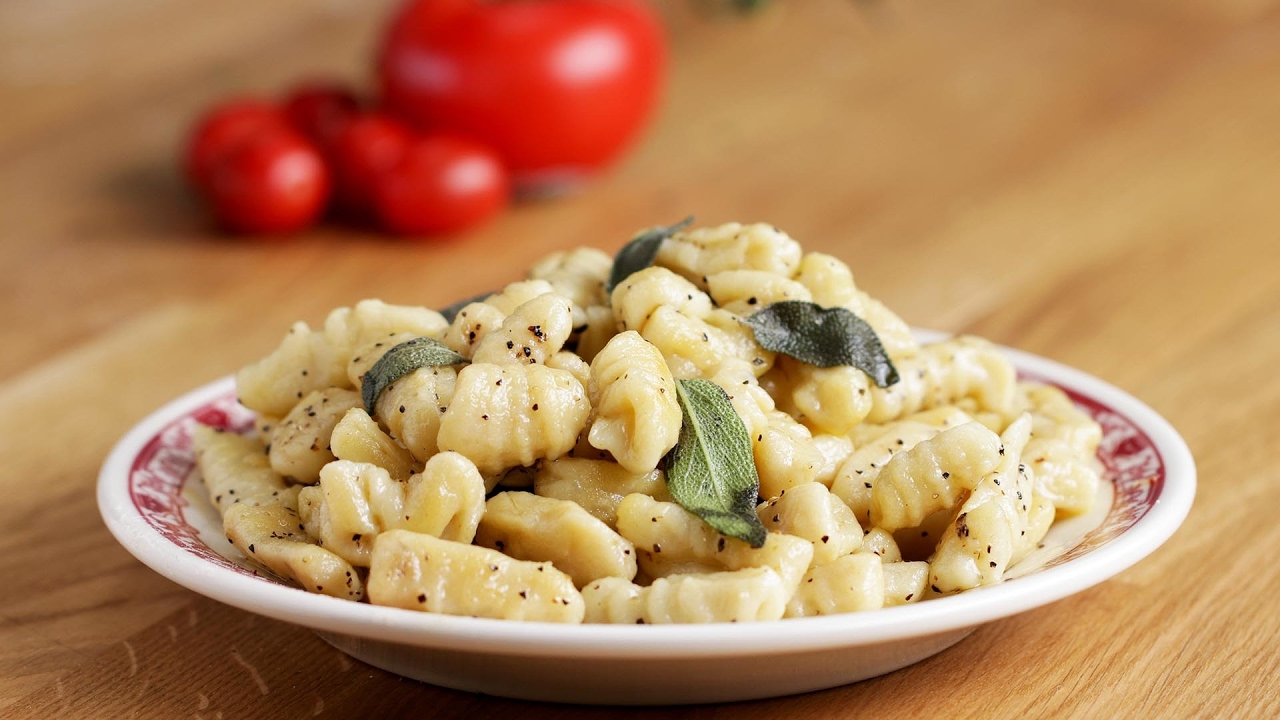
Potato Ñoquis Recipe: Potato ñoquis (also spelled gnocchi) are small, pillow-like dumplings that come from Italian cuisine but are beloved worldwide. They’re soft, delicate, and usually made with just a handful of simple ingredients—potatoes, flour, and sometimes eggs. The beauty of ñoquis lies in their versatility: you can pair them with rich tomato sauces, creamy Alfredo, or even a light drizzle of butter and sage. Unlike regular pasta, ñoquis offer a unique texture—fluffy on the inside, slightly firm on the outside, and melt-in-your-mouth delicious when cooked just right.
Why Make Ñoquis at Home?
While store-bought ñoquis are convenient, homemade ñoquis are unbeatable in terms of freshness, flavor, and texture. Making them at home gives you full control over the ingredients—you can use fresh, high-quality potatoes, avoid preservatives, and customize them to your taste. Plus, the process of shaping ñoquis can be a fun activity to do with family or friends. If you’ve never tried homemade potato ñoquis, this guide will take you step by step, ensuring your first batch turns out restaurant-quality.
Ingredients You’ll Need
Main Ingredients for Potato Ñoquis
To make authentic potato ñoquis, you’ll need:
- 2 lbs (900g) starchy potatoes (like Russet or Yukon Gold)
- 1 ½ cups (180g) all-purpose flour
- 1 large egg (optional, for binding)
- 1 tsp salt
That’s it! With just four basic ingredients, you’ll be able to create soft and fluffy ñoquis that pair perfectly with your favorite sauce.
Optional Additions for Extra Flavor
If you want to elevate your ñoquis, you can experiment with:
- Grated Parmesan cheese (adds richness)
- Nutmeg (a pinch for warmth and depth)
- Chopped herbs like parsley or basil (for freshness)
- Black pepper (for a little kick)
These are not mandatory, but they add a gourmet twist to your homemade dish.
Choosing the Right Potatoes
The type of potato you use makes all the difference. For ñoquis, starchy potatoes like Russets or Yukon Golds are ideal because they have less moisture. Waxy potatoes, like red or new potatoes, are not recommended since they hold too much water, making the dough sticky and difficult to work with. Always bake or boil your potatoes with the skin on to keep them dry and fluffy before mashing.
Essential Tools and Equipment
Kitchen Tools for Ñoquis Preparation
To make potato ñoquis from scratch, gather these tools:
- Large pot (for boiling potatoes and cooking ñoquis)
- Potato masher or ricer (for smooth, lump-free mash)
- Mixing bowl
- Wooden spoon or spatula
- Fork or gnocchi board (for shaping the dumplings)
Optional Gadgets to Make Cooking Easier
If you cook ñoquis often, these extras are helpful:
- A potato ricer (gives a smoother mash than a masher)
- Bench scraper (for cutting dough evenly)
- Silicone mat (to prevent dough from sticking)
- Food scale (for measuring flour accurately)
While not essential, these tools can speed up the process and help you achieve more professional-looking ñoquis.
Step-by-Step Guide to Making Potato Ñoquis
Step 1: Preparing the Potatoes
Start by washing your potatoes thoroughly. Place them in a large pot and cover with cold water. Add a generous pinch of salt, then bring the pot to a boil. Cook the potatoes until they’re fork-tender, usually about 20–30 minutes depending on their size. For best results, boil them with the skin on to prevent excess water absorption. Once cooked, drain and let them cool slightly before peeling.
Pro Tip: You can also bake your potatoes instead of boiling. Baking helps remove excess moisture, resulting in lighter ñoquis.
Step 2: Mashing and Seasoning
Peel the warm potatoes and immediately pass them through a potato ricer or mash them with a masher until smooth. Spread the mashed potatoes out on a clean surface to release steam—this helps reduce moisture. Season lightly with salt and, if desired, add a small pinch of nutmeg for extra flavor.
At this stage, your potatoes should be fluffy, dry, and lump-free—perfect for forming into dough.
Step 3: Adding Flour and Mixing Dough
Now comes the most important part—turning the potatoes into a dough. Once your mashed potatoes have cooled slightly, gather them into a mound on a clean, lightly floured surface. Make a well in the center and add the egg (if using). Gently beat the egg with a fork, then gradually fold the potatoes into it.
Next, sprinkle the flour over the mixture a little at a time. Using your hands, gently work the flour into the potatoes until a dough begins to form. Be careful not to overwork it—over-kneading will develop the gluten in the flour, making your ñoquis tough instead of soft and fluffy.
The dough should be soft, smooth, and just slightly sticky. If it’s too sticky, add a light dusting of flour. If it feels dry and crumbly, you may need to add a tiny splash of water. The key is to handle the dough as little as possible—treat it gently, like you would pastry dough.
Once the dough comes together, divide it into 4–6 smaller portions. Cover them with a clean kitchen towel to prevent drying while you work with one portion at a time.
Step 4: Rolling and Shaping Ñoquis
Take one portion of dough and roll it into a rope about ½ inch thick on a lightly floured surface. Use a sharp knife or bench scraper to cut the rope into 1-inch pieces. At this stage, you technically have ñoquis, but for the classic look (and better sauce absorption), you’ll want to give them ridges.
Here’s how:
- With a fork: Hold a fork upside down and gently roll each piece down its tines using your thumb.
- With a gnocchi board: Roll each piece across the board to form grooves.
Don’t worry if they aren’t perfectly uniform—part of the charm of homemade ñoquis is their rustic, handmade appearance. Place shaped ñoquis onto a tray lined with parchment paper and dusted with flour. Keep them in a single layer so they don’t stick together.
If you plan to freeze some for later, this is the stage to do it. Place the tray in the freezer until firm, then transfer the ñoquis to a freezer-safe bag or container.
Step 5: Cooking Ñoquis to Perfection
Cooking ñoquis is fast and requires attention. Bring a large pot of salted water to a gentle boil. Carefully drop in the ñoquis in small batches—if you add too many at once, they may stick together. Stir gently once or twice to prevent them from clumping.
Ñoquis will sink to the bottom when they’re first added. As they cook, they’ll rise to the surface. Once they float, give them about 30 seconds more, then scoop them out with a slotted spoon. Transfer cooked ñoquis directly into your sauce to prevent them from drying or sticking.
Pro Tip: Don’t overcook—overdone ñoquis become mushy and lose their texture. Small batches ensure they cook evenly and stay light and fluffy.
At this point, your potato ñoquis are ready to be transformed into a delicious meal. All that’s left is to pair them with a sauce of your choice and serve them hot.
Serving Suggestions and Sauces
Ñoquis are incredibly versatile and taste fantastic with a variety of sauces. Here are some of the most popular and delicious options:
Classic Tomato Sauce Pairing
A simple marinara sauce made with tomatoes, garlic, and fresh basil is a timeless favorite. The acidity of the tomatoes balances the richness of the potatoes beautifully.
Creamy Alfredo or Cheese Sauce
For a more indulgent dish, coat your ñoquis in a rich, cheesy Alfredo sauce. Parmesan, cream, and butter combine to make a sauce that clings perfectly to the ridges of each dumpling.
Pesto and Other Fresh Variations
If you prefer something lighter, toss your ñoquis in fresh basil pesto. The vibrant green color and herby flavor make this version both refreshing and satisfying. You can also try arugula or sun-dried tomato pesto for a twist.
Butter and Sage
This is one of the simplest yet most elegant pairings. Melt butter in a pan, fry a few sage leaves until crisp, and toss in your cooked ñoquis. The result is golden, aromatic, and absolutely delicious.
Tips and Tricks for Perfect Ñoquis
Making ñoquis may seem tricky at first, but with these tips, you’ll master them every time:
- Avoid overworking the dough – Handle it gently to keep it light.
- Use starchy potatoes – They create fluffier ñoquis.
- Cook potatoes with skin on – This prevents them from absorbing too much water.
- Flour lightly – Too much flour makes heavy, dense dumplings.
- Shape with care – The ridges aren’t just for looks—they hold the sauce.
Common Mistakes to Avoid
- Using waxy potatoes (too much moisture).
- Adding too much flour (heavy, chewy ñoquis).
- Overcooking (they turn mushy fast).
How to Store and Reheat Ñoquis
- Uncooked Ñoquis: Freeze in a single layer, then transfer to a bag. They can be boiled straight from frozen.
- Cooked Ñoquis: Store in an airtight container in the fridge for up to 3 days. Reheat by lightly pan-frying or tossing in hot sauce.
Health Benefits and Nutritional Value
Potato ñoquis are often seen as an indulgent comfort food, but when prepared thoughtfully, they can also fit into a balanced diet. Let’s break down their nutritional profile and how you can make them a little healthier without losing that pillowy, satisfying texture.
Calories and Macronutrients
On average, one serving of potato ñoquis (about 1 cup or 150 grams, without sauce) contains:
- Calories: 200–250
- Carbohydrates: 45–50g
- Protein: 5–6g
- Fat: 0.5–1g
Since ñoquis are primarily made from potatoes and flour, they’re high in carbohydrates, making them an excellent source of energy. Adding sauces like tomato or pesto keeps them light, while creamy or cheesy sauces increase the calorie and fat content.
Making Ñoquis Healthier
If you want to enjoy ñoquis without guilt, there are simple adjustments you can make:
- Use whole-wheat flour instead of all-purpose flour for added fiber.
- Swap white potatoes for sweet potatoes to boost vitamins A and C.
- Incorporate spinach or pumpkin into the dough for extra nutrients and flavor.
- Serve with vegetable-based sauces like tomato, mushroom, or roasted pepper sauce instead of heavy cream-based options.
Health Benefits of Potatoes
Potatoes, the star ingredient, are naturally rich in essential nutrients:
- Vitamin C – supports immunity.
- Potassium – helps regulate blood pressure.
- Fiber (especially in the skin) – aids digestion.
- B vitamins – important for energy production.
When eaten in moderation and paired with balanced sauces, potato ñoquis can be both delicious and nourishing.
Serving Suggestions
Ñoquis are versatile and can be styled in many ways depending on the occasion—whether it’s a casual family dinner or a more elegant meal.
Traditional Italian Serving Styles
In Italy, ñoquis are often served with simple sauces that allow the dumplings to shine. Tomato-basil sauce, brown butter and sage, or a light drizzle of olive oil with Parmesan are timeless favorites.
Modern Creative Plating Ideas
If you want to impress guests, think outside the box. Pan-fry cooked ñoquis until golden and crisp, then serve them with roasted vegetables and a drizzle of balsamic glaze. You can also top them with fresh arugula and shaved Parmesan for a restaurant-style presentation.
Pairing Ñoquis with Wine
Pairing wine with ñoquis elevates the dining experience:
- Tomato-based sauces pair beautifully with Chianti or Sangiovese.
- Creamy sauces go well with Chardonnay or Pinot Grigio.
- Herb-based pesto pairs with Sauvignon Blanc.
A glass of wine not only enhances the flavors but also makes the meal feel more special.
FAQs about Potato Ñoquis Recipe
1. Why do my ñoquis fall apart while cooking?
If your ñoquis break apart, it’s likely because the dough was too soft or lacked enough flour. Make sure your potatoes are dry and add just enough flour to hold the dough together.
2. Can I make ñoquis without eggs?
Yes! Eggs help bind the dough, but you can omit them if you prefer. Just handle the dough more carefully and consider adding a little extra flour for stability.
3. How do I know when ñoquis are cooked?
Ñoquis are done when they float to the surface of the boiling water. Once they rise, let them cook for an additional 20–30 seconds before removing.
4. Can I freeze homemade ñoquis?
Absolutely. Freeze them raw in a single layer on a tray, then transfer to a freezer bag. Cook directly from frozen—no need to thaw.
5. Can I use sweet potatoes instead of white potatoes?
Yes, sweet potatoes make a delicious variation! They add natural sweetness and extra nutrients, though the dough may require slightly more flour.
Conclusion
Potato ñoquis are more than just a dish—they’re a culinary tradition that brings comfort and joy to the table. With only a few simple ingredients and some careful handling, you can create homemade ñoquis that rival those from an Italian trattoria. Whether you enjoy them with a classic tomato sauce, a creamy Alfredo, or just butter and sage, these soft dumplings are sure to impress.
Remember the golden rules: use starchy potatoes, handle the dough gently, and don’t overcook. Once you master the basics, you can experiment with endless variations—spinach, pumpkin, or even ricotta-based ñoquis.
So, the next time you’re craving comfort food, skip the packaged version and make your own ñoquis at home. They’re worth every bite.