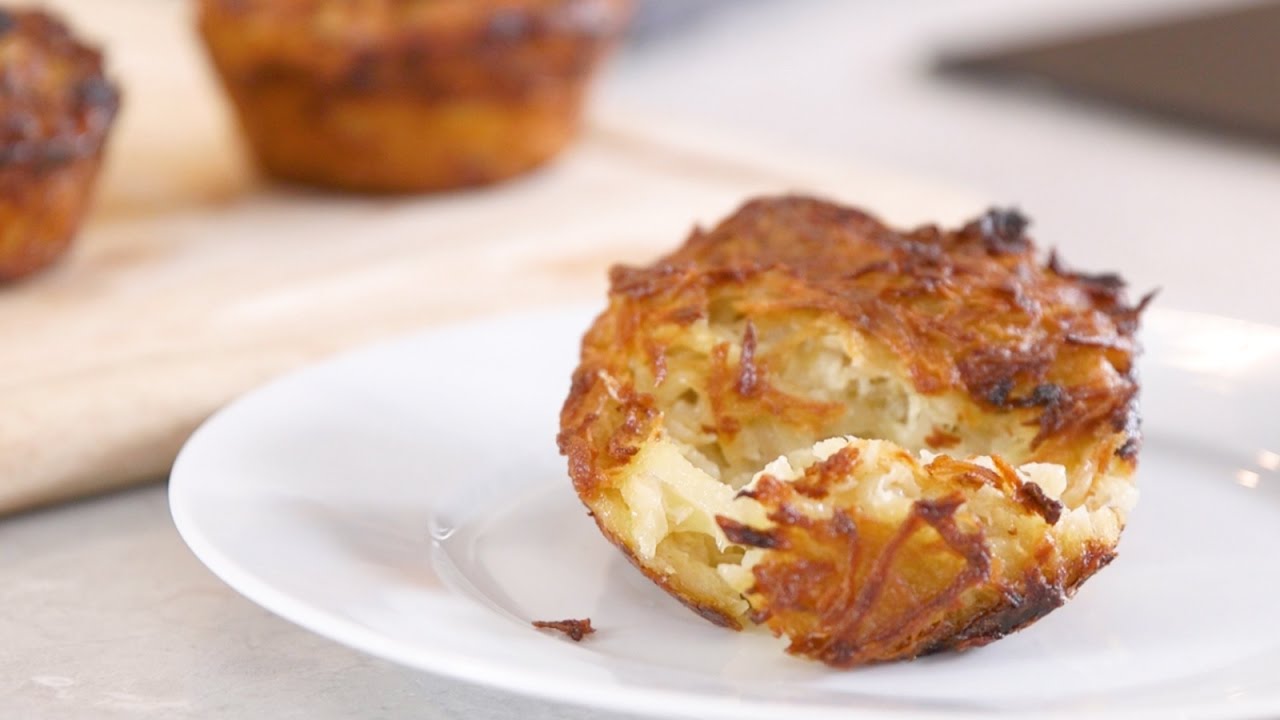
Potato Kugel Recipe: If you’re familiar with Jewish cuisine, you’ve likely heard of potato kugel. But if this is your first introduction, let’s break it down simply. Potato kugel is a traditional Jewish dish that combines shredded potatoes, onions, eggs, and oil to create a savory baked pudding. Think of it as a cousin of hash browns or a potato casserole, but with a deeper cultural and festive significance. It’s often served during Shabbat meals, Passover, and Jewish holidays, making it more than just food—it’s a dish tied to heritage, family, and tradition.
What makes potato kugel unique compared to other potato dishes is its texture. The inside is soft and custardy, while the outside bakes into a crispy golden crust that crackles with every bite. The contrast is what makes this dish such a favorite. In many Jewish homes, kugel is not just a side dish; it’s a centerpiece of the meal, a comfort food that feels like home.
Potato kugel also appeals to modern cooks who are always on the lookout for hearty, budget-friendly, and crowd-pleasing recipes. Since the basic ingredients are affordable and widely available—potatoes, onions, eggs—it’s an easy dish to prepare without breaking the bank. Plus, it can be made ahead, reheated, and even frozen, making it practical for large family gatherings.
The Origin and Tradition of Potato Kugel
The word “kugel” itself means “sphere” or “ball” in German, which makes sense because early versions of kugel were baked in round pots. Originally, kugels weren’t even made with potatoes at all—they were made with bread or noodles. Potato kugel became popular later, particularly among Eastern European Jews, where potatoes were cheap and available year-round.
Historically, kugel was considered a Shabbat food. Since Jewish law prohibits cooking on the Sabbath, kugels were placed in ovens on Friday afternoon and cooked slowly until the Saturday meal. The slow baking allowed flavors to develop, and families would often make different versions depending on regional tastes—some sweet, some savory.
Potato kugel rose to prominence because it was hearty, filling, and inexpensive. Over time, it became a staple for Passover, especially since it doesn’t require leavened bread, making it kosher for the holiday. Today, potato kugel isn’t just a holiday dish—it’s a comfort food enjoyed year-round, at family dinners, Jewish delis, and even modern restaurants that put creative spins on the recipe.
So, when you prepare this dish, you’re not just making a casserole—you’re carrying on a tradition that spans centuries.
Why This Recipe is a Must-Try
Now, you might be wondering: out of all the potato dishes out there, why make potato kugel? The answer is simple—it’s unlike any other. Unlike mashed potatoes, which are creamy but lack a crust, or roasted potatoes, which are crispy but not as rich, potato kugel gives you the best of both worlds. It’s crispy on the outside, tender on the inside, and packed with flavor from onions and seasoning.
Another reason this recipe is worth making is its versatility. You can serve potato kugel as a side dish to meats, chicken, or fish, or even enjoy it as a vegetarian main dish with a salad. Some people love eating it fresh out of the oven when the crust is at its crunchiest, while others swear it tastes even better the next day after the flavors have had time to settle.
And here’s the best part: this recipe is simple. You don’t need fancy ingredients or advanced cooking skills. If you can grate potatoes, mix a batter, and bake, you can make a potato kugel that rivals even the best deli versions. Plus, it’s a fantastic dish to make for potlucks, family dinners, or holidays because it feeds a crowd and always disappears fast.
Ingredients You’ll Need
Core Ingredients for Authentic Potato Kugel
To make a traditional potato kugel, you don’t need a long grocery list. In fact, part of its charm is its simplicity. Here are the core ingredients you’ll need:
- Potatoes (about 6 large russet or Yukon Gold) – These are the star of the dish. Russets are popular because of their starch content, which helps the kugel bind together, while Yukon Golds add a creamier texture.
- Onions (2 medium, grated or finely chopped) – Onions add sweetness and depth of flavor that balance the starchy potatoes.
- Eggs (4 large) – These act as a binder, giving the kugel its structure.
- Flour or Matzo Meal (½ cup) – Depending on whether you’re making this for Passover, you can use matzo meal instead of flour. This helps absorb moisture and keep the kugel from falling apart.
- Vegetable Oil (½ cup) – Oil is key for achieving that golden, crispy crust.
- Salt (1–2 teaspoons, to taste) – Essential for flavor.
- Black Pepper (1 teaspoon) – Adds just the right amount of spice.
These seven ingredients make up the foundation of any authentic potato kugel. The beauty of this recipe is that it proves you don’t need fancy seasonings or exotic ingredients to create a dish that’s absolutely delicious.
Optional Ingredients for Flavor Enhancements
While the core ingredients are non-negotiable for authenticity, many cooks like to add their own twist to potato kugel. Here are some optional add-ins that can elevate your dish:
- Garlic (2–3 cloves, minced) – For a stronger, savory kick.
- Fresh Herbs (parsley, dill, or chives) – These add freshness and a pop of color.
- Paprika or Cayenne Pepper – Adds warmth and a hint of spice.
- Carrots (1 grated) – Some recipes include carrots for added sweetness and color.
- Chicken Schmaltz (rendered chicken fat, 2–3 tablespoons) – A traditional addition in Jewish cooking that brings rich, deep flavor.
These additions are optional, but they allow you to personalize the recipe to suit your taste. Whether you like it bold with garlic and pepper or more traditional with just onions and potatoes, the end result will be satisfying.
Ingredient Substitutes for Dietary Needs
One of the reasons potato kugel has stood the test of time is its adaptability. You can easily adjust the recipe to suit dietary restrictions without losing flavor or texture.
- Gluten-Free: Replace flour with potato starch or certified gluten-free matzo meal.
- Vegan: Swap out the eggs with flax eggs (1 tablespoon ground flaxseed + 3 tablespoons water per egg). It won’t be as fluffy, but it will hold together.
- Low-Oil Version: Instead of frying the onions in oil, sauté them in vegetable broth or reduce the oil in the batter to make it lighter.
- Low-Sodium: Cut back on salt and boost flavor with fresh herbs or garlic.
These substitutes ensure that everyone at the table can enjoy this classic dish, regardless of dietary needs.
Kitchen Tools and Preparation
Essential Tools for Making Potato Kugel
Before diving into the recipe, let’s talk about the tools you’ll need. One of the best parts of making potato kugel is that it doesn’t require any complicated gadgets—you can make it with basic kitchen essentials. That said, using the right tools can make the process quicker and easier.
- Grater or Food Processor: The most important tool for kugel-making is something to shred the potatoes. A box grater works fine if you don’t mind a bit of an arm workout, but a food processor with a shredding blade will save you a ton of time and effort.
- Mixing Bowls: You’ll need a couple of large mixing bowls—one for holding the grated potatoes and another for mixing the batter. Stainless steel or glass bowls are best because they don’t absorb odors.
- Colander or Cheesecloth: Since potatoes release a lot of liquid when shredded, you’ll need a way to squeeze out the moisture. A colander works, but cheesecloth or a clean kitchen towel gives you the best results.
- Baking Dish: A 9×13-inch glass or ceramic baking dish is the classic choice for potato kugel. Cast iron skillets are also fantastic if you want an extra-crispy crust.
- Measuring Cups and Spoons: Precision matters, especially when it comes to seasoning.
- Wooden Spoon or Spatula: For mixing the batter.
- Oven Mitts: Essential for handling the hot dish safely.
While you don’t need a fancy kitchen setup, investing in a sturdy food processor and a good baking dish can take your kugel from good to great.
Preparation Tips Before You Start
Cooking success always begins with preparation, and potato kugel is no exception. A little planning makes the process smoother and the results much better.
- Choose the Right Potatoes: Russet potatoes are starchy and crisp up beautifully, while Yukon Golds give a creamier texture. A mix of both is often the best of both worlds.
- Keep Potatoes from Browning: Once peeled and grated, potatoes oxidize quickly and turn brown. To prevent this, place shredded potatoes in a bowl of cold water until you’re ready to use them. This also removes some excess starch, which keeps the kugel from becoming gummy.
- Dry Thoroughly: The biggest mistake many cooks make is not removing enough water from the potatoes. Squeeze them as much as possible—this is crucial for a crisp, golden crust.
- Preheat the Oven: Always preheat your oven before baking. A properly hot oven helps the kugel develop that irresistible crust right away.
- Heat Oil in the Pan First: For an extra-crispy bottom crust, some cooks like to pour oil into the baking dish, preheat it in the oven, then pour in the potato mixture. The hot oil instantly starts frying the kugel as it bakes.
Taking these steps before mixing your batter makes the difference between a soggy kugel and one that is perfectly crisp and flavorful.
Mistakes to Avoid in Preparation
Even though potato kugel is relatively simple to make, there are a few pitfalls that can trip you up. Avoiding these mistakes will ensure success every time.
- Not Squeezing Enough Liquid: This is the number one culprit for soggy kugel. Potatoes are full of water, and if you don’t remove enough, the kugel won’t crisp.
- Skipping the Onions: Onions aren’t just for flavor—they also add moisture balance and help bind the potatoes. Leaving them out makes the kugel flat-tasting.
- Overloading on Eggs or Flour: Too many eggs make the kugel heavy and dense, while too much flour makes it gummy. Stick to the recommended ratios for the best texture.
- Using the Wrong Baking Dish: Thin aluminum pans often lead to uneven cooking. Opt for glass, ceramic, or cast iron for even heat distribution.
- Not Letting it Rest: Kugel needs at least 10–15 minutes to rest after baking. Cutting too soon makes it fall apart and lose shape.
By keeping these tips in mind, you’ll avoid common frustrations and end up with a kugel that is golden, crisp, and irresistible.
Step-by-Step Guide to Making Potato Kugel
Step 1 – Prepping the Potatoes
Preparation is half the battle when it comes to kugel. Start by washing, peeling, and shredding your potatoes. If you’re using a box grater, shred them on the medium side. A food processor makes this step lightning-fast and ensures uniform shreds.
Once grated, immediately place the potatoes in a large bowl of cold water. This stops browning and removes excess starch. Let them sit for 5 minutes, then drain them. Next, transfer the potatoes to a clean kitchen towel or cheesecloth. Squeeze out as much water as possible—you’ll be surprised at how much liquid comes out. This step is non-negotiable; it’s the secret to achieving that crunchy crust everyone loves.
At this stage, grate your onions too. Many people grate onions directly into the potatoes to keep everything evenly mixed. Some like to sauté onions lightly in oil before adding them, which gives a sweeter, richer flavor. Both methods work—it just depends on your preference.
Step 2 – Mixing the Batter
Once your potatoes and onions are ready, it’s time to mix everything together. In a large mixing bowl, combine the shredded potatoes and onions. Crack in the eggs, add flour or matzo meal, salt, and black pepper. Mix until everything is evenly coated.
The texture you’re aiming for is thick but not dry. If the mixture feels too watery, add a bit more flour or matzo meal. If it feels too stiff, add a small splash of oil. Taste a tiny bit of the raw mixture for seasoning—you want the flavor to be bold because some of it mellows during baking.
Meanwhile, prepare your baking dish. Pour a few tablespoons of oil into the bottom and heat it in the oven for about 5 minutes. This trick creates a sizzling surface that starts crisping your kugel the second it hits the dish. Carefully remove the hot pan, pour in the potato mixture, and spread it evenly.
Step 3 – Baking the Kugel
Set your oven to 375°F (190°C). Place the kugel dish in the center rack and bake uncovered for 1 to 1.5 hours. The exact time depends on the depth of your baking dish and how crispy you want the crust.
Halfway through baking, you can rotate the dish to ensure even browning. If the top is browning too quickly, cover it loosely with foil for the last part of baking. On the flip side, if you want extra crunch, crank up the oven to 400°F (200°C) for the final 10 minutes.
The kugel is done when the top is deeply golden and crispy, and the inside feels set when poked with a fork. Resist the temptation to pull it out too early—undercooked kugel is mushy and disappointing.
Step 4 – Serving the Kugel
Once your potato kugel is baked to perfection, remove it from the oven and let it rest for 10–15 minutes. This step allows the kugel to firm up and makes it easier to cut clean slices.
You can serve potato kugel as a side dish to roasted chicken, brisket, or fish, but it’s also hearty enough to stand alone with a salad. It’s best enjoyed fresh out of the oven when the crust is still crunchy. However, leftovers reheat beautifully in the oven—just cover with foil and bake until warmed through. Some people even swear kugel tastes better the next day after the flavors settle.
For presentation, cut the kugel into squares or rectangles and garnish with fresh parsley or chives. If you added extra herbs or vegetables to your batter, their colors will peek through, making the dish even more visually appealing.
Tips for the Perfect Potato Kugel
How to Achieve the Crispiest Crust
If there’s one thing that separates an average kugel from an unforgettable one, it’s the crust. The crispy golden top and edges are what make people come back for seconds. Luckily, getting that crunch isn’t about luck—it’s about technique.
- Preheat the Oil: One of the best tricks is heating your baking dish with oil inside before adding the potato mixture. When the potatoes hit that hot oil, they start sizzling instantly, which jumpstarts the crisping process.
- Spread Evenly but Not Too Thin: If you spread the potato mixture too thin, it may dry out instead of crisping. A thickness of about 2 to 2.5 inches is ideal. This gives you a creamy interior with a perfectly crisp crust.
- Bake Uncovered: Covering your kugel traps steam and prevents browning. Leave it uncovered for the entire baking process to let the crust form.
- Use the Right Potatoes: Starchy potatoes like russets crisp up beautifully. If you use waxier potatoes, the texture may end up softer.
- Finish with High Heat: For an extra crunch, increase the oven temperature to 400°F (200°C) for the last 10 minutes of baking. This caramelizes the top layer and deepens the flavor.
- Don’t Cut Too Soon: Resting the kugel after baking not only helps it set but also keeps the crust from breaking apart. Cutting it immediately will cause steam to soften the top.
The key takeaway: patience and heat are your best friends when it comes to achieving the perfect crust. Think of it as the golden armor that protects the soft, pillowy inside.
Common Mistakes and How to Fix Them
Potato kugel is simple, but even experienced cooks sometimes run into problems. Don’t worry—most mistakes are easy to fix once you know what caused them.
Problem: Soggy Kugel
Cause: Too much moisture left in the potatoes.
Fix: Next time, squeeze harder. You can also sprinkle the grated potatoes with a bit of salt before squeezing to draw out more water.
Problem: Kugel Falls Apart When Cutting
Cause: Not enough binder (eggs or flour) or cutting it too soon after baking.
Fix: Add an extra egg or tablespoon of flour next time. Always let kugel rest at least 15 minutes before slicing.
Problem: Too Dense and Heavy
Cause: Overloading with eggs or flour.
Fix: Stick to the balanced ratio (about 1 egg per 1.5–2 potatoes) and just enough flour to hold it together.
Problem: Burned Edges but Raw Center
Cause: Oven temperature too high or baking dish too deep.
Fix: Lower the temperature slightly and bake longer, or use a shallower dish for even cooking.
Problem: Bland Flavor
Cause: Not enough seasoning. Potatoes absorb a lot of salt, so under-seasoning is a common issue.
Fix: Taste the raw mixture (just a small bit!) before baking. Adjust salt and pepper as needed.
Remember, cooking is all about learning from mistakes. Once you’ve made kugel a few times, you’ll develop an instinct for how the batter should look and feel.
Variations You Can Try
The beauty of potato kugel is its versatility. While the classic version is timeless, experimenting with variations can make it exciting for different occasions. Here are some delicious spins to try:
- Sweet Potato Kugel: Swap some or all of the russet potatoes with sweet potatoes. The result is slightly sweeter with a gorgeous orange color. Perfect for fall or Thanksgiving.
- Herb-Infused Kugel: Add fresh dill, parsley, or thyme for a fresh, aromatic flavor. This pairs beautifully with fish dishes.
- Cheesy Kugel: Stir in shredded cheese like mozzarella, cheddar, or Parmesan. This creates a gooey, cheesy interior with an extra-crispy top.
- Garlic and Herb Kugel: Add roasted garlic cloves and a handful of chopped chives for a bold, savory twist.
- Vegetable Kugel: Mix in grated zucchini, carrots, or parsnips along with the potatoes. This not only adds color but also sneaks in extra nutrients.
- Mini Kugel Muffins: Instead of baking in a large dish, scoop the mixture into muffin tins for individual servings. These are perfect for parties and easy to serve.
- Passover-Friendly Kugel: Use matzo meal instead of flour to make it kosher for Passover. Some families even add a bit of schmaltz for extra richness.
Trying these variations keeps the dish exciting and allows you to customize it for different meals and preferences. Think of classic potato kugel as the canvas—you can paint it however you like.
FAQs about Potato Kugel Recipe
1. Can I make potato kugel ahead of time?
Yes! You can bake it a day in advance, refrigerate it, and then reheat in the oven. In fact, many people say kugel tastes even better the next day.
2. How do I store leftover potato kugel?
Store leftovers in an airtight container in the fridge for up to 4 days. For longer storage, freeze individual portions and reheat in the oven.
3. Can I make potato kugel gluten-free?
Absolutely. Simply replace flour with potato starch or certified gluten-free matzo meal. The taste and texture remain just as delicious.
4. What’s the best way to reheat kugel?
The oven is best. Cover with foil and bake at 350°F (175°C) until hot. Avoid microwaving—it softens the crust.
5. Can I use sweet potatoes instead of regular potatoes?
Yes! Sweet potato kugel is a delicious variation with a slightly sweeter flavor. It’s especially popular in fall and holiday meals.
Conclusion
Potato kugel is more than just a recipe—it’s a tradition, a comfort food, and a crowd-pleaser rolled into one dish. With just a few simple ingredients, you can create something that is crispy, tender, and deeply satisfying. Whether you stick to the classic version or try one of the fun variations, the result will always be a dish that brings people together around the table.
The secret lies in the details: choosing the right potatoes, squeezing out excess water, balancing the seasonings, and letting the oven work its magic. Once you’ve mastered these basics, you’ll have a reliable go-to dish for holidays, family dinners, or even weeknight comfort food.
So the next time you’re craving something hearty yet simple, give potato kugel a try. One bite of that crispy crust and creamy interior, and you’ll understand why this dish has stood the test of time.