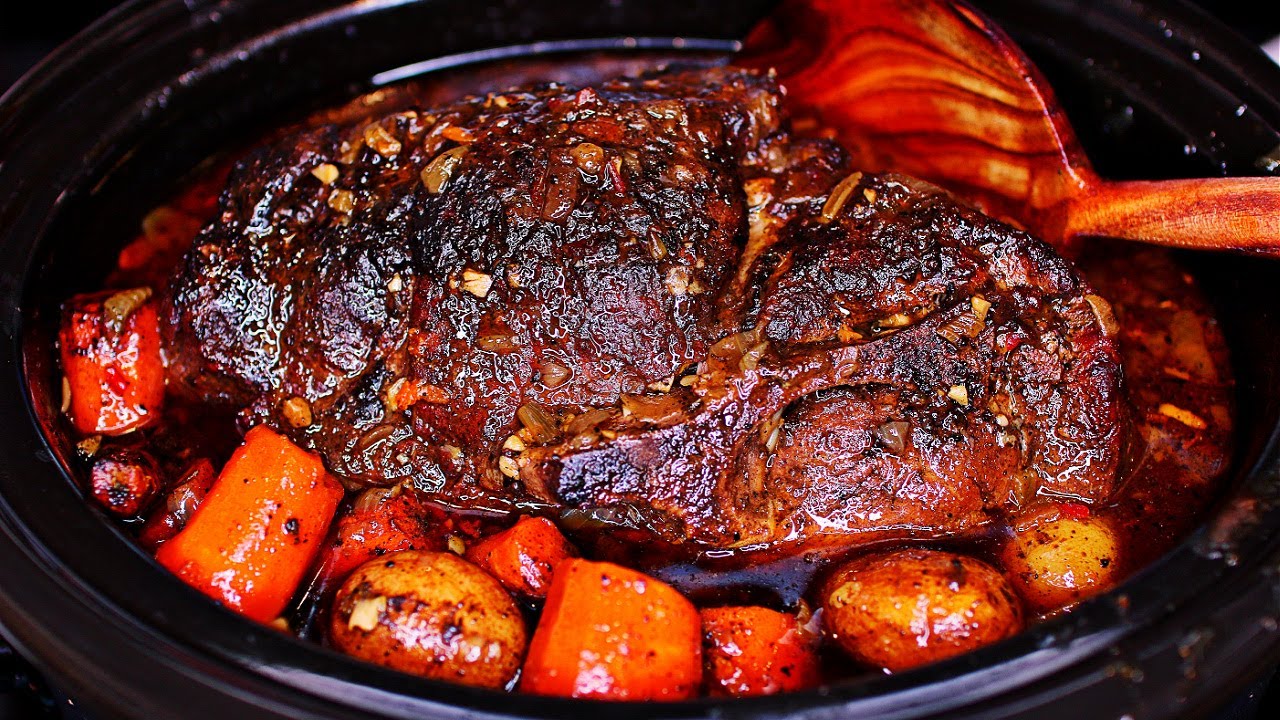
Pork Shoulder Crock Pot Recipe: When it comes to comfort food, few things rival the delicious aroma of pork shoulder slowly cooking in a crock pot. This cut of meat is rich, flavorful, and transforms into a melt-in-your-mouth dish when cooked low and slow. Unlike leaner cuts that tend to dry out, pork shoulder has the perfect balance of fat and connective tissue, which breaks down during cooking and creates tender, juicy meat that practically falls apart.
Using a crock pot is not only convenient but also foolproof. It allows you to prepare a hearty meal with minimal effort—simply add the ingredients, set the timer, and let the slow cooker do all the work. For busy families or anyone who loves home-cooked meals without spending hours in the kitchen, this recipe is a lifesaver.
Another reason pork shoulder is ideal for crock pot cooking is its versatility. Whether you want smoky BBQ pulled pork sandwiches, savory carnitas for tacos, or simply shredded pork with roasted vegetables, the crock pot method works every time. It’s also budget-friendly since pork shoulder is usually an affordable cut compared to tenderloin or ribs, yet it delivers unbeatable flavor.
Cooking pork shoulder in a crock pot is about more than just convenience—it’s about transforming a humble cut of meat into a show-stopping dish that brings people together. Imagine serving a big bowl of tender, flavorful pork at your next family dinner or weekend gathering. That’s the beauty of this recipe: it’s easy, satisfying, and always a crowd-pleaser.
Ingredients You’ll Need
Before diving into the cooking process, let’s go over the ingredients. The beauty of this recipe is its simplicity—you don’t need a long list of exotic spices or complicated marinades. Instead, the focus is on a handful of flavorful basics that highlight the pork’s natural richness.
Main Ingredients:
- 4–5 pounds pork shoulder (bone-in or boneless)
- 1 large onion, sliced
- 4 cloves garlic, minced
- 1 cup chicken or beef broth
- 1/2 cup apple cider vinegar (for tanginess)
- 1/2 cup BBQ sauce (optional for classic pulled pork flavor)
- 2 tablespoons olive oil
Dry Rub Seasonings (basic mix):
- 2 tablespoons brown sugar
- 1 tablespoon paprika (smoked paprika if available)
- 2 teaspoons salt
- 1 teaspoon black pepper
- 1 teaspoon cumin
- 1 teaspoon chili powder
Optional Add-Ons:
- A splash of Worcestershire sauce for extra umami
- A pinch of red pepper flakes for heat
- Fresh herbs like thyme, rosemary, or bay leaves for aroma
Substitutes and Variations:
- Instead of apple cider vinegar, you can use white vinegar or lemon juice.
- If you want a lighter flavor, replace broth with water.
- For a keto-friendly version, swap brown sugar with a sugar substitute.
- For an Asian twist, use soy sauce, ginger, and sesame oil.
The flexibility of this ingredient list is one of the reasons this dish works so well. You can stick with the classic BBQ-style approach or adjust the seasonings to match your preferred cuisine.
Kitchen Tools and Equipment Required
Cooking pork shoulder in the crock pot doesn’t require a fancy kitchen setup, but having the right tools can make the process smoother and more enjoyable.
Essential Equipment:
- Crock Pot / Slow Cooker – Choose a 6-quart size for a standard 4–5 pound pork shoulder. Smaller slow cookers work for smaller cuts, but larger ones give you flexibility. Programmable crock pots with timers are especially handy.
- Cutting Board & Sharp Knife – For trimming excess fat and prepping onions and garlic.
- Mixing Bowl – To combine the dry rub and seasonings.
- Tongs or Meat Forks – Useful for turning the pork shoulder and shredding it once cooked.
- Measuring Cups & Spoons – To ensure seasoning accuracy.
- Optional: Skillet or Dutch Oven – For searing the pork before adding it to the crock pot.
Pro Tip: If you plan to make pulled pork often, consider investing in “meat claws” or shredding tools. They make shredding a large piece of pork shoulder quick and easy compared to using regular forks.
Another thing to consider is liners for your crock pot. These disposable bags make cleanup much easier, especially when cooking fatty cuts of meat like pork shoulder. While not essential, they’re a time-saver on busy nights.
Preparing the Pork Shoulder
Preparation is key to ensuring your pork shoulder turns out flavorful and tender. Start by choosing the right cut. Pork shoulder comes in two main forms: picnic shoulder and Boston butt (or pork butt). Both work well, but Boston butt is often preferred because it has more marbling and less skin.
Step 1: Trim Excess Fat
A little fat is necessary for flavor, but too much can make the dish greasy. Trim thick layers of fat, leaving a thin cap for moisture.
Step 2: Apply the Dry Rub
Pat the pork shoulder dry with paper towels. Then generously rub the seasoning mix all over the meat. Don’t be shy—make sure it’s coated on all sides. This not only seasons the pork but also helps form a flavorful crust during cooking.
Step 3: Optional Marinating
If you have time, let the pork shoulder rest in the refrigerator overnight with the rub applied. This allows the flavors to penetrate deeply into the meat. If you’re short on time, even a 30-minute rest before cooking will make a difference.
Step 4: Browning (Optional but Recommended)
For extra depth of flavor, sear the pork in a hot skillet with a bit of oil before placing it in the crock pot. This caramelizes the outside and enhances the overall taste. While this step isn’t necessary, it’s worth doing if you want restaurant-quality results.
By taking the time to prep your pork shoulder properly, you set the stage for a meal that’s rich in flavor and tender in texture. Think of it as giving your pork the head start it needs before spending hours in the slow cooker.
Step-by-Step Guide to Cooking Pork Shoulder in the Crock Pot
Now it’s time for the main event—the cooking process. This step-by-step guide will walk you through each stage so you can achieve perfectly cooked pork shoulder every time.
Step 1: Prep the Crock Pot
- Spray the inside of the crock pot with nonstick cooking spray or use a liner for easy cleanup.
- Place sliced onions and garlic at the bottom to create a flavor base.
Step 2: Add the Pork Shoulder
- Place the seasoned (and optionally seared) pork shoulder on top of the onion and garlic bed.
Step 3: Add Liquids
- Pour in the broth and vinegar around the pork, not directly on top. This ensures the rub stays intact.
- If using BBQ sauce, add half now and save half for later.
Step 4: Set Cooking Time and Temperature
- Cook on LOW for 8–10 hours for maximum tenderness.
- If you’re short on time, cook on HIGH for 4–6 hours.
- The pork is done when it easily shreds with a fork.
Step 5: Shred and Serve
- Remove the pork shoulder from the crock pot and let it rest for 10 minutes.
- Shred using two forks (or shredding claws).
- Mix the shredded pork back into the juices for added flavor.
- Serve as is, or add more BBQ sauce depending on your taste.
This method ensures juicy, flavorful pork that’s versatile enough for sandwiches, tacos, or even paired with roasted vegetables. The best part? You hardly have to lift a finger once everything is in the crock pot.
Cooking Time and Temperature Tips
One of the most common questions when cooking pork shoulder in a crock pot is: “How long should I cook it?” The truth is, the answer depends on your crock pot model, the size of your pork shoulder, and the level of tenderness you’re aiming for.
Low and Slow vs High and Fast
The golden rule for pork shoulder is low and slow. Cooking on LOW for 8–10 hours breaks down the tough connective tissue, turning it into gelatin and making the meat fall-apart tender. If you’re pressed for time, you can use the HIGH setting for 4–6 hours, but keep in mind that the results may not be as silky and juicy as the longer method.
Internal Temperature Matters
Use a meat thermometer to check doneness. While pork is considered safe to eat at 145°F (63°C), for pulled pork, you want it to reach at least 195–205°F (90–96°C). This higher range ensures that the collagen fully melts, creating that signature pull-apart texture.
Size and Thickness Impact Cooking Time
A 4-pound pork shoulder usually takes about 8 hours on LOW, but larger cuts may require closer to 10 hours. Bone-in cuts can take slightly longer than boneless ones because the bone affects heat distribution.
Pro Tip: Avoid the temptation to lift the lid too often. Each time you open the crock pot, you lose heat, which can extend the cooking time by 20–30 minutes. Trust the process—your patience will be rewarded with fork-tender meat.
Cooking pork shoulder is more of an art than a science, but with these guidelines, you’ll find it easier to judge when your meat is ready. The key takeaway? Cook it until it’s not just “done” but truly tender enough to shred with ease.
Flavor Variations and Seasoning Ideas
One of the best things about pork shoulder is its versatility. With just a few tweaks in seasonings and sauces, you can transform it into entirely different dishes. Here are some popular variations to try:
1. Classic BBQ Pulled Pork
- Dry rub with paprika, brown sugar, garlic powder, and chili powder.
- Use apple cider vinegar and chicken broth as the liquid base.
- Mix in your favorite BBQ sauce after shredding.
2. Mexican-Style Carnitas
- Season with cumin, oregano, chili powder, and garlic.
- Add orange juice and lime juice for citrusy notes.
- After shredding, crisp up the pork in a skillet for authentic texture.
- Perfect for tacos, burritos, or nachos.
3. Garlic Herb Pork Shoulder
- Use rosemary, thyme, sage, and garlic as the main seasonings.
- Add white wine and broth as the cooking liquid.
- Great for serving with roasted vegetables or mashed potatoes.
4. Asian-Inspired Pork
- Season with soy sauce, ginger, garlic, and sesame oil.
- Use chicken broth and rice vinegar as the liquid.
- Serve with steamed rice or in bao buns.
5. Spicy Kick Pork Shoulder
- Add cayenne pepper, crushed red pepper, or hot sauce to your rub.
- Pair with a tangy vinegar-based sauce to balance the heat.
The beauty of these variations is that you can adapt them to fit whatever meal you’re planning. Whether you’re craving smoky BBQ sandwiches, crispy carnitas, or a savory Asian dish, the crock pot is your best friend.
Serving Suggestions
Once your pork shoulder is cooked and shredded, the fun part begins—deciding how to serve it. This dish is incredibly versatile and pairs well with a variety of sides, breads, and garnishes.
Pulled Pork Sandwiches
The classic way to serve crock pot pork shoulder is piled high on a soft bun. Top with BBQ sauce, coleslaw, and pickles for the ultimate comfort food experience.
Tacos and Burritos
Use the shredded pork as a filling for tacos, burritos, or enchiladas. Add toppings like salsa, guacamole, cilantro, and lime for a fresh and flavorful twist.
Pork Bowls
Serve over rice or quinoa with roasted vegetables, beans, and avocado. This is a healthier, balanced option that’s still hearty.
With Classic Sides
- Mashed potatoes
- Macaroni and cheese
- Cornbread
- Baked beans
- Roasted veggies
Creative Ideas:
- Use it as a pizza topping with BBQ sauce and mozzarella.
- Make pulled pork sliders for parties.
- Add to a breakfast hash with eggs and potatoes.
No matter how you serve it, shredded pork shoulder adapts beautifully to almost any cuisine. The only limit is your imagination.
Storage and Reheating Tips
Cooking a large pork shoulder usually means you’ll have plenty of leftovers—and that’s a good thing! Pulled pork tastes just as good (if not better) the next day. Here’s how to store and reheat it properly:
Refrigeration:
- Store leftovers in an airtight container with some of the cooking juices to keep the meat moist.
- Refrigerated pulled pork lasts up to 4 days.
Freezing:
- Portion the pork into freezer bags or containers.
- Remove as much air as possible to prevent freezer burn.
- Frozen pork lasts up to 3 months.
Reheating Methods:
- Microwave: Quick and easy, but add a splash of broth or BBQ sauce to prevent drying.
- Stovetop: Heat in a skillet with some cooking liquid over medium heat until warm.
- Oven: Place pork in a covered dish with a little liquid, bake at 300°F for 20–30 minutes.
- Slow Cooker: If you have time, reheat on LOW for 1–2 hours for the juiciest results.
Pro Tip: Always reheat gently. High heat can dry out shredded pork quickly. Adding back some of the cooking juices is the secret to keeping it moist and flavorful.
With the right storage methods, you can enjoy pulled pork for several meals, from sandwiches to tacos to breakfast scrambles.
Common Mistakes to Avoid
Even though cooking pork shoulder in a crock pot is easy, a few mistakes can affect the final result. Here are the most common pitfalls and how to avoid them:
1. Overcooking or Undercooking
- Overcooked pork can become mushy, while undercooked pork stays tough.
- Always check for an internal temperature of 195–205°F for shreddable pork.
2. Using Too Much Liquid
- Pork shoulder releases plenty of juices as it cooks. Adding too much broth or sauce can dilute the flavor and make it watery.
- A cup of liquid is usually enough.
3. Skipping the Browning Step
- While optional, searing the pork before slow cooking adds a rich, caramelized flavor that you just can’t get otherwise.
4. Not Seasoning Enough
- Pork shoulder is a big cut of meat, so don’t be shy with the seasoning. A light sprinkle won’t do—really coat it well with the rub.
5. Lifting the Lid Too Often
- Every time you open the crock pot, heat escapes and cooking slows down. Resist the urge to peek.
6. Forgetting to Rest the Meat
- Just like steak, pork shoulder benefits from a brief rest after cooking. Letting it sit for 10–15 minutes before shredding helps lock in juices.
By steering clear of these common mistakes, you’ll consistently achieve juicy, flavorful, and perfectly textured pork shoulder every time you cook.
Health Benefits and Nutritional Value
Pork shoulder is often considered a comfort food ingredient, but it also has a solid nutritional profile when prepared thoughtfully. While it’s a fattier cut compared to pork tenderloin, that fat plays a big role in its flavor and tenderness. Here’s what you need to know about the health benefits and nutrition of crock pot pork shoulder.
Rich in Protein: Pork shoulder is an excellent source of high-quality protein, which helps repair muscle tissue, supports immune function, and keeps you full longer. A 3-ounce serving typically contains around 22–25 grams of protein.
Essential Vitamins and Minerals: This cut of pork provides B vitamins—especially B1 (thiamin), B6, and B12—which are crucial for energy metabolism and brain function. It also contains zinc, selenium, and iron, all of which are vital for overall health.
Fat Content Considerations: Yes, pork shoulder has more fat than lean cuts. However, much of this fat renders out during cooking. If you’re mindful of portion size and pair it with nutrient-dense sides like vegetables or whole grains, it can be part of a balanced diet.
Making It Healthier:
- Trim excess fat before cooking.
- Skip or reduce sugar in the rub.
- Use broth instead of sugary sodas as your liquid base.
- Pair the pork with fresh salads, steamed vegetables, or whole wheat buns.
Calorie Breakdown (Approximate for 3 oz cooked portion):
- Calories: 210–240
- Protein: 23g
- Fat: 14g (5g saturated)
- Carbohydrates: 0g
In short, pork shoulder is nutrient-dense and satisfying. By preparing it in a crock pot, you avoid excessive frying oils or heavy cooking methods. With a few tweaks, you can enjoy this comfort food without straying from your health goals.
FAQs about Pork Shoulder Crock Pot Recipe
1. Can you cook frozen pork shoulder in a crock pot?
It’s not recommended. Slow cookers take time to reach safe cooking temperatures, which means frozen meat could stay in the “danger zone” (40–140°F) for too long, increasing the risk of bacteria growth. Always thaw pork shoulder in the refrigerator before cooking.
2. What’s the difference between pork shoulder and pork butt?
Despite its name, pork butt (also known as Boston butt) comes from the upper shoulder, while pork shoulder (often labeled picnic shoulder) is from the lower part. Pork butt is more marbled and usually preferred for pulled pork, but both cuts work beautifully in the crock pot.
3. Can I leave pork shoulder cooking overnight?
Yes! In fact, many people prepare pork shoulder overnight on the LOW setting. Just make sure your crock pot is functioning properly, has enough liquid, and is placed on a safe surface. By morning, you’ll have perfectly tender pork ready to shred.
4. How long do leftovers last?
Pulled pork keeps for about 4 days in the refrigerator when stored in an airtight container. For longer storage, freeze portions for up to 3 months.
5. Can I make pork shoulder without BBQ flavors?
Absolutely. If you prefer something lighter, use garlic, onion, herbs, and broth instead of BBQ sauce. This creates a versatile shredded pork you can serve with rice, potatoes, or roasted vegetables.
Conclusion
From classic BBQ pulled pork sandwiches to Mexican-style carnitas, the possibilities are endless. The key is in the preparation—season generously, cook low and slow, and let the crock pot work its magic. Don’t forget to experiment with different seasoning blends and serving styles to keep things exciting.
Whether you’re feeding your family on a busy weeknight or hosting a gathering, this recipe is guaranteed to impress. Plus, with plenty of leftovers that store and reheat beautifully, it’s a practical option that stretches beyond just one meal.
So, next time you’re looking for a foolproof dinner that’s as comforting as it is versatile, give this pork shoulder crock pot recipe a try. Your kitchen will smell amazing, your guests will be impressed, and your taste buds will thank you.